



 MAIN MENU
 My Supplies
 Get Help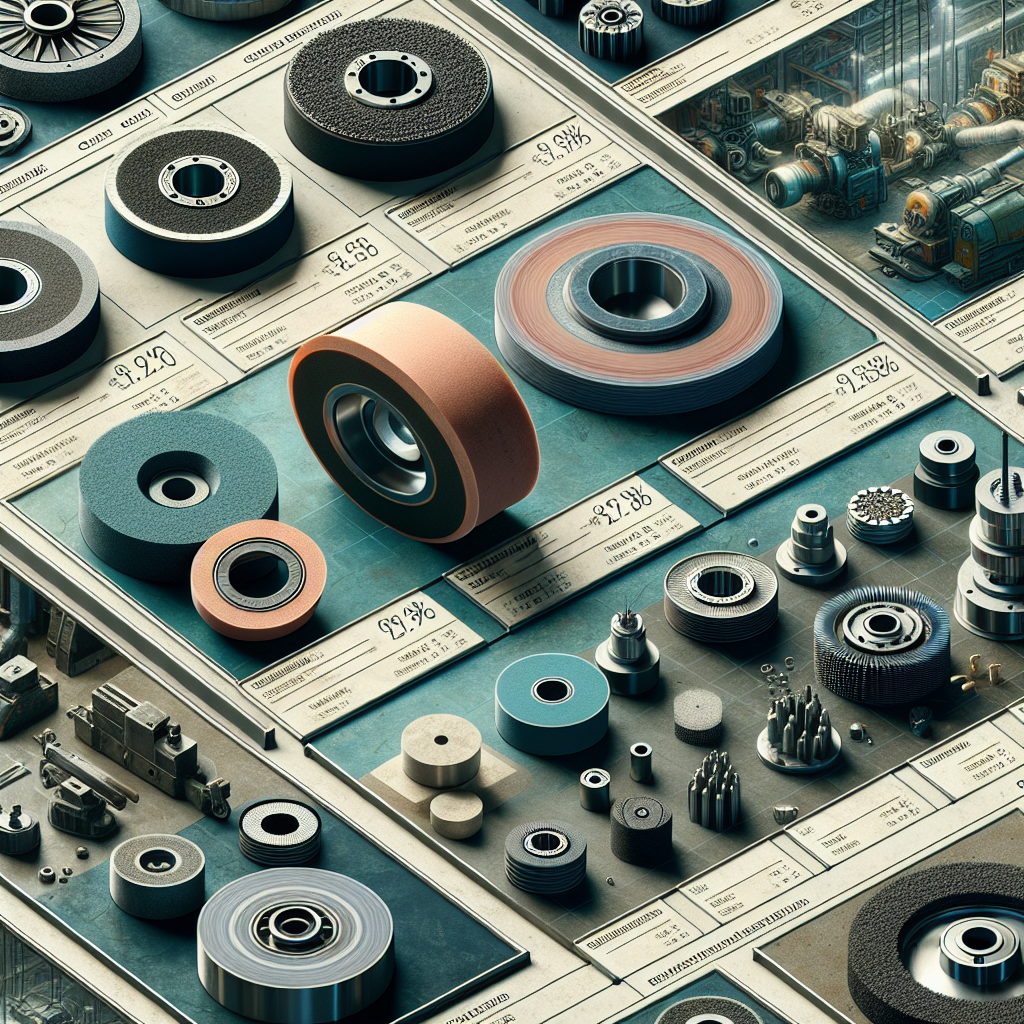
Grinding Wheels: Types, Specifications, and Selection Guide
Classification of Grinding Wheels
If you think all grinding wheels are created equal, think again! With the global market for grinding wheels projected to reach a whopping USD 9.8 billion by 2030, it’s clear that these tools are as diverse as they are essential. But what exactly sets them apart?
Types of Grinding Wheels
Grinding wheels come in various shapes and sizes, each designed for specific applications. For instance, a bench grinder wheel is perfect for sharpening tools, while a diamond wheel is your go-to for cutting hard materials like ceramics and glass. The key is knowing what type to use when—because using the wrong wheel can lead to poor results or even damage your workpiece.
- Aluminum Oxide Wheels: Great for general-purpose grinding.
- Silicon Carbide Wheels: Ideal for non-ferrous metals and harder materials.
- Diamond Wheels: Perfect for precision cutting and grinding of hard materials.
- Cubic Boron Nitride (CBN) Wheels: Excellent for high-speed steel and tool steels.
Bond Types
The bond type used in a grinding wheel significantly affects its performance. Think of it like the glue that holds everything together—without the right bond, your grinding experience could turn into a nightmare. Here’s a quick rundown:
- * Vitrified Bond: Made from clay and heated to high temperatures; offers strength and rigidity.
- * Resinoid Bond: Offers flexibility; great for high-speed applications.
- * Rubber Bond: Provides cushioning; ideal for delicate work.
Remember, the bond type can change how aggressive or fine your grind will be!
Wheel Shapes and Sizes
One size fits all doesn’t apply here! Grinding wheels come in different shapes such as flat, cylindrical, and cup-shaped. The shape you choose will depend on the task at hand. For example, a cup wheel is fantastic for surface grinding, while a straight wheel works well on bench grinders.
If you think all grinding wheels are created equal, think again! With the global market for grinding wheels projected to reach a whopping USD 9.8 billion by 2030, it’s clear that these tools are as diverse as they are essential. But what exactly sets them apart?
Types of Grinding Wheels
Grinding wheels come in various shapes and sizes, each designed for specific applications. For instance, a bench grinder wheel is perfect for sharpening tools, while a diamond wheel is your go-to for cutting hard materials like ceramics and glass. The key is knowing what type to use when—because using the wrong wheel can lead to poor results or even damage your workpiece.
- Aluminum Oxide Wheels: Great for general-purpose grinding.
- Silicon Carbide Wheels: Ideal for non-ferrous metals and harder materials.
- Diamond Wheels: Perfect for precision cutting and grinding of hard materials.
- Cubic Boron Nitride (CBN) Wheels: Excellent for high-speed steel and tool steels.
Bond Types
The bond type used in a grinding wheel significantly affects its performance. Think of it like the glue that holds everything together—without the right bond, your grinding experience could turn into a nightmare. Here’s a quick rundown:
- * Vitrified Bond: Made from clay and heated to high temperatures; offers strength and rigidity.
- * Resinoid Bond: Offers flexibility; great for high-speed applications.
- * Rubber Bond: Provides cushioning; ideal for delicate work.
Remember, the bond type can change how aggressive or fine your grind will be!
Wheel Shapes and Sizes
One size fits all doesn’t apply here! Grinding wheels come in different shapes such as flat, cylindrical, and cup-shaped. The shape you choose will depend on the task at hand. For example, a cup wheel is fantastic for surface grinding, while a straight wheel works well on bench grinders.
Understanding Grinding Wheel Specifications
If you think picking the right grinding wheel is as simple as grabbing the shiniest one off the shelf, think again! The specifications of grinding wheels are like a secret language that can make or break your project. Understanding these specs is crucial for achieving optimal performance and avoiding costly mistakes.
Let’s start with the grit size. This little number packs a punch in determining how rough or smooth your grind will be. A finer grit (like 120) is perfect for polishing, while a coarser grit (like 36) is your best friend for heavy stock removal. So, if you're trying to shave down a metal piece and you accidentally grab a fine grit wheel, you might as well be using a butter knife!
Grit Type and Material
The material of the grinding wheel also plays a significant role in its effectiveness. For example, aluminum oxide wheels are fantastic for general-purpose grinding and work well on ferrous metals. On the other hand, silicon carbide wheels shine when it comes to non-ferrous materials like plastics and ceramics. Choosing the right material can mean the difference between a job well done and an absolute disaster.
Bonding Agents: The Unsung Heroes
* Bonding agents are like the glue that holds everything together in your grinding wheel. They dictate how long your wheel will last and how it behaves during use. Vitrified bonds provide strength and rigidity, making them excellent for precision work, while resinoid bonds offer flexibility—ideal for high-speed applications where heat management is key.
* Choosing the wrong bond type can lead to premature wear or even catastrophic failure!
Wheel Diameter and Thickness
* The diameter of your grinding wheel affects its speed and power. Larger wheels can operate at higher speeds but require more powerful machines to handle them effectively. Conversely, smaller wheels may not provide enough surface area for heavy-duty tasks but excel at detailed work.
* Putting It All Together
When selecting a grinding wheel, think about what you’re trying to achieve: Are you smoothing out rough edges? Removing significant material? Or maybe just polishing? Each specification—from grit size to bonding agent—plays its part in this intricate dance of metalworking magic.
Before making a purchase or starting a project, take a moment to assess these specifications carefully. Your choice of grinding wheel isn’t just about getting the job done; it’s about getting it done right! So next time you're at Hubzone Depot or browsing online, remember: knowledge is power—and it might just save you from that awkward moment when you realize you've got the wrong wheel for the task at hand.
If you think picking the right grinding wheel is as simple as grabbing the shiniest one off the shelf, think again! The specifications of grinding wheels are like a secret language that can make or break your project. Understanding these specs is crucial for achieving optimal performance and avoiding costly mistakes.
Let’s start with the grit size. This little number packs a punch in determining how rough or smooth your grind will be. A finer grit (like 120) is perfect for polishing, while a coarser grit (like 36) is your best friend for heavy stock removal. So, if you're trying to shave down a metal piece and you accidentally grab a fine grit wheel, you might as well be using a butter knife!
Grit Type and Material
The material of the grinding wheel also plays a significant role in its effectiveness. For example, aluminum oxide wheels are fantastic for general-purpose grinding and work well on ferrous metals. On the other hand, silicon carbide wheels shine when it comes to non-ferrous materials like plastics and ceramics. Choosing the right material can mean the difference between a job well done and an absolute disaster.
Bonding Agents: The Unsung Heroes
* Bonding agents are like the glue that holds everything together in your grinding wheel. They dictate how long your wheel will last and how it behaves during use. Vitrified bonds provide strength and rigidity, making them excellent for precision work, while resinoid bonds offer flexibility—ideal for high-speed applications where heat management is key.
* Choosing the wrong bond type can lead to premature wear or even catastrophic failure!
Wheel Diameter and Thickness
* The diameter of your grinding wheel affects its speed and power. Larger wheels can operate at higher speeds but require more powerful machines to handle them effectively. Conversely, smaller wheels may not provide enough surface area for heavy-duty tasks but excel at detailed work.
* Putting It All Together
When selecting a grinding wheel, think about what you’re trying to achieve: Are you smoothing out rough edges? Removing significant material? Or maybe just polishing? Each specification—from grit size to bonding agent—plays its part in this intricate dance of metalworking magic.
Before making a purchase or starting a project, take a moment to assess these specifications carefully. Your choice of grinding wheel isn’t just about getting the job done; it’s about getting it done right! So next time you're at Hubzone Depot or browsing online, remember: knowledge is power—and it might just save you from that awkward moment when you realize you've got the wrong wheel for the task at hand.
Selecting the Right Grinding Wheel for Material Types
Choosing the right grinding wheel is like picking the perfect wine to pair with dinner—get it wrong, and you’ll ruin the whole experience. Did you know that using an inappropriate grinding wheel can not only damage your material but also lead to a whopping 30% increase in operational costs? That's a serious dent in your budget.
Understanding Material Compatibility
Different materials require different wheels, much like how a chef needs specific knives for various tasks. For instance, aluminum oxide wheels are fantastic for ferrous metals, while silicon carbide wheels are your go-to for non-ferrous materials like plastics and ceramics. If you think you can just grab any old wheel and start grinding, you're setting yourself up for failure. Imagine trying to slice bread with a steak knife—frustrating, right?
- Aluminum Oxide: Best for general-purpose grinding on ferrous metals.
- Silicon Carbide: Ideal for hard materials like ceramic and glass.
- Diamond Wheels: Perfect for precision work on ultra-hard materials.
- Cubic Boron Nitride (CBN): Great for high-speed steel and tool steels.
* Selecting the wrong type of grinding wheel can lead to poor results or even damage to your workpiece!
Grinding Wheel Specifications Matter
* The specifications of a grinding wheel are crucial. Grit size is one of the most important factors—finer grits (like 120) are perfect for polishing, while coarser grits (like 36) excel at heavy stock removal. Choosing incorrectly could mean spending hours on what should be a quick job.
- * For rough cuts on steel: Choose a coarse grit size (36-60).
- * For smoothing surfaces: Opt for medium grit (80-120).
- * For polishing finishes: Go with fine grit (150+).
* Bonding Agents and Their Importance
* Bonding agents hold the abrasive material together in grinding wheels. The type of bond affects durability and performance. Vitrified bonds offer strength, making them ideal for precision work, while resin bonds provide flexibility—perfect when heat is an issue.
Choosing the right grinding wheel is like picking the perfect wine to pair with dinner—get it wrong, and you’ll ruin the whole experience. Did you know that using an inappropriate grinding wheel can not only damage your material but also lead to a whopping 30% increase in operational costs? That's a serious dent in your budget.
Understanding Material Compatibility
Different materials require different wheels, much like how a chef needs specific knives for various tasks. For instance, aluminum oxide wheels are fantastic for ferrous metals, while silicon carbide wheels are your go-to for non-ferrous materials like plastics and ceramics. If you think you can just grab any old wheel and start grinding, you're setting yourself up for failure. Imagine trying to slice bread with a steak knife—frustrating, right?
- Aluminum Oxide: Best for general-purpose grinding on ferrous metals.
- Silicon Carbide: Ideal for hard materials like ceramic and glass.
- Diamond Wheels: Perfect for precision work on ultra-hard materials.
- Cubic Boron Nitride (CBN): Great for high-speed steel and tool steels.
* Selecting the wrong type of grinding wheel can lead to poor results or even damage to your workpiece!
Grinding Wheel Specifications Matter
* The specifications of a grinding wheel are crucial. Grit size is one of the most important factors—finer grits (like 120) are perfect for polishing, while coarser grits (like 36) excel at heavy stock removal. Choosing incorrectly could mean spending hours on what should be a quick job.
- * For rough cuts on steel: Choose a coarse grit size (36-60).
- * For smoothing surfaces: Opt for medium grit (80-120).
- * For polishing finishes: Go with fine grit (150+).
* Bonding Agents and Their Importance
* Bonding agents hold the abrasive material together in grinding wheels. The type of bond affects durability and performance. Vitrified bonds offer strength, making them ideal for precision work, while resin bonds provide flexibility—perfect when heat is an issue.
Application-Specific Grinding Wheels
When it comes to grinding wheels, one size definitely does not fit all. In fact, using the wrong type can turn your grinding project into a costly disaster. Imagine trying to smooth out a rough metal edge with a wheel designed for delicate ceramics—talk about a recipe for frustration and wasted time!
Each application demands its own specialized grinding wheel, much like how a chef reaches for a different knife depending on the dish. For instance, a heavy-duty aluminum oxide wheel is your best friend when tackling ferrous metals, while silicon carbide wheels shine when working with harder materials like glass or ceramics.
Choosing the Right Wheel for Your Application
Let’s break it down further. If you're in the automotive industry, you might find yourself needing wheels that can handle high-speed steel and tough alloys. Enter Cubic Boron Nitride (CBN) wheels—these bad boys are perfect for grinding tough tool steels without breaking a sweat.
- Aluminum Oxide Wheels: Ideal for general-purpose grinding on ferrous metals.
- Silicon Carbide Wheels: Best for non-ferrous materials like plastics and ceramics.
- Diamond Wheels: Perfect for precision work on ultra-hard materials.
- Cubic Boron Nitride (CBN) Wheels: Excellent choice for high-speed steel and tool steels.
* The right type of grinding wheel can save you time and money by preventing damage to your materials!
* Real-World Applications
* Let’s talk about real-world scenarios. A small machine shop specializing in custom metal parts might rely heavily on aluminum oxide wheels to grind down steel components quickly. Meanwhile, an artisan crafting intricate glass sculptures would choose diamond wheels to achieve that flawless finish without chipping.
* Now, if you're wondering about the nuances of grit size in these applications, here’s where it gets interesting. A coarse grit (like 36) is fantastic for heavy stock removal on metals but would be utterly useless—and potentially damaging—when trying to polish glass or ceramics.
* Common Misconceptions
* One common misconception is that all diamond wheels are created equal. In reality, they vary significantly based on their intended use—some are designed specifically for cutting while others excel in grinding applications. Choosing the wrong type could lead to subpar results or even equipment failure.
In summary, understanding the specific applications of different grinding wheels can elevate your craftsmanship from mediocre to exceptional. The next time you're at Hubzone Depot or browsing online, take a moment to consider not just what you need but how you'll use it. That little bit of knowledge could save you from some serious headaches down the line!
When it comes to grinding wheels, one size definitely does not fit all. In fact, using the wrong type can turn your grinding project into a costly disaster. Imagine trying to smooth out a rough metal edge with a wheel designed for delicate ceramics—talk about a recipe for frustration and wasted time!
Each application demands its own specialized grinding wheel, much like how a chef reaches for a different knife depending on the dish. For instance, a heavy-duty aluminum oxide wheel is your best friend when tackling ferrous metals, while silicon carbide wheels shine when working with harder materials like glass or ceramics.
Choosing the Right Wheel for Your Application
Let’s break it down further. If you're in the automotive industry, you might find yourself needing wheels that can handle high-speed steel and tough alloys. Enter Cubic Boron Nitride (CBN) wheels—these bad boys are perfect for grinding tough tool steels without breaking a sweat.
- Aluminum Oxide Wheels: Ideal for general-purpose grinding on ferrous metals.
- Silicon Carbide Wheels: Best for non-ferrous materials like plastics and ceramics.
- Diamond Wheels: Perfect for precision work on ultra-hard materials.
- Cubic Boron Nitride (CBN) Wheels: Excellent choice for high-speed steel and tool steels.
* The right type of grinding wheel can save you time and money by preventing damage to your materials!
* Real-World Applications
* Let’s talk about real-world scenarios. A small machine shop specializing in custom metal parts might rely heavily on aluminum oxide wheels to grind down steel components quickly. Meanwhile, an artisan crafting intricate glass sculptures would choose diamond wheels to achieve that flawless finish without chipping.
* Now, if you're wondering about the nuances of grit size in these applications, here’s where it gets interesting. A coarse grit (like 36) is fantastic for heavy stock removal on metals but would be utterly useless—and potentially damaging—when trying to polish glass or ceramics.
* Common Misconceptions
* One common misconception is that all diamond wheels are created equal. In reality, they vary significantly based on their intended use—some are designed specifically for cutting while others excel in grinding applications. Choosing the wrong type could lead to subpar results or even equipment failure.
In summary, understanding the specific applications of different grinding wheels can elevate your craftsmanship from mediocre to exceptional. The next time you're at Hubzone Depot or browsing online, take a moment to consider not just what you need but how you'll use it. That little bit of knowledge could save you from some serious headaches down the line!
Safety Standards and Best Practices in Grinding Wheel Usage
Grinding wheels might seem innocuous, but did you know that improper usage can lead to accidents resulting in injuries or even fatalities? In fact, the Occupational Safety and Health Administration (OSHA) reports that more than 2,000 injuries occur every year due to improper handling of grinding wheels. That’s a staggering number!
Let’s face it: no one wants to be the person who accidentally turns a tool into a projectile. Safety standards in grinding wheel usage are not just bureaucratic red tape; they’re your best defense against workplace mishaps. So, how do you keep your workspace safe while wielding these powerful tools?
Understanding Safety Standards
First things first—know your safety standards! Organizations like ANSI (American National Standards Institute) and OSHA have laid down guidelines on grinding wheel specifications and usage. These standards cover everything from wheel speed limits to proper mounting techniques. Ignoring these guidelines is like playing Russian roulette with your safety.
- * Always check the wheel's speed rating before use.
- * Ensure that the mounting flanges are compatible with the wheel.
- * Inspect wheels for cracks or damage before installation.
Best Practices for Grinding Wheel Usage
Now, let’s talk about best practices. Think of these as your golden rules for grinding safely and effectively. They can make all the difference between a smooth operation and a trip to the emergency room.
- * Wear appropriate personal protective equipment (PPE) such as goggles, gloves, and hearing protection.
- * Always use guards on your grinding machines—they’re there for a reason!
- * Never exceed the maximum RPM rating of the wheel.
- * Maintain a clean work area free from clutter to prevent accidents.
* Safety gear is not optional; it's essential!
Breaking In Your Grinding Wheels
Breaking in might sound like something you do with new running shoes, but it’s also crucial for grinding wheels! New wheels should be run at low speeds for a short period before being used at full capacity. This process helps eliminate any potential issues with balance or structural integrity.
Grinding wheels might seem innocuous, but did you know that improper usage can lead to accidents resulting in injuries or even fatalities? In fact, the Occupational Safety and Health Administration (OSHA) reports that more than 2,000 injuries occur every year due to improper handling of grinding wheels. That’s a staggering number!
Let’s face it: no one wants to be the person who accidentally turns a tool into a projectile. Safety standards in grinding wheel usage are not just bureaucratic red tape; they’re your best defense against workplace mishaps. So, how do you keep your workspace safe while wielding these powerful tools?
Understanding Safety Standards
First things first—know your safety standards! Organizations like ANSI (American National Standards Institute) and OSHA have laid down guidelines on grinding wheel specifications and usage. These standards cover everything from wheel speed limits to proper mounting techniques. Ignoring these guidelines is like playing Russian roulette with your safety.
- * Always check the wheel's speed rating before use.
- * Ensure that the mounting flanges are compatible with the wheel.
- * Inspect wheels for cracks or damage before installation.
Best Practices for Grinding Wheel Usage
Now, let’s talk about best practices. Think of these as your golden rules for grinding safely and effectively. They can make all the difference between a smooth operation and a trip to the emergency room.
- * Wear appropriate personal protective equipment (PPE) such as goggles, gloves, and hearing protection.
- * Always use guards on your grinding machines—they’re there for a reason!
- * Never exceed the maximum RPM rating of the wheel.
- * Maintain a clean work area free from clutter to prevent accidents.
* Safety gear is not optional; it's essential!
Breaking In Your Grinding Wheels
Breaking in might sound like something you do with new running shoes, but it’s also crucial for grinding wheels! New wheels should be run at low speeds for a short period before being used at full capacity. This process helps eliminate any potential issues with balance or structural integrity.
Advancements in Grinding Wheel Technology
If you think grinding wheels are stuck in the past, it’s time to rethink that assumption! With technological advancements, today’s grinding wheels are not just round pieces of abrasive material; they’re sophisticated tools designed for precision and efficiency. For instance, did you know that modern grinding wheels can now reduce energy consumption by up to 30% compared to their older counterparts? That's not just a win for your wallet; it's a win for the environment too!
Smart Materials and Design Innovations
The latest grinding wheels are incorporating smart materials that enhance durability and performance. Take ceramic grains, for example. These are engineered to self-sharpen during use, which means they maintain their cutting ability longer than traditional materials. This leads to fewer wheel changes and less downtime—talk about a productivity boost! Plus, with advancements in bond technology, manufacturers are now creating wheels that can withstand higher temperatures without losing their structural integrity.
Digital Integration: The Future of Grinding
Imagine being able to monitor your grinding wheel's performance in real-time! Some cutting-edge manufacturers are integrating IoT (Internet of Things) technology into their products. This means you can track wear patterns and optimize usage through a smartphone app. It’s like having a personal assistant dedicated to your grinding operations—ensuring you're always at peak performance.
- Self-sharpening ceramic grains enhance longevity.
- Advanced bonding agents improve heat resistance.
- IoT-enabled wheels provide real-time performance data.
* These advancements not only improve efficiency but also reduce operational costs!
* Environmental Considerations
* With growing awareness of environmental impact, manufacturers are focusing on eco-friendly production methods. This includes using recycled materials in the manufacturing of grinding wheels and minimizing waste during production. By opting for these greener alternatives, businesses can contribute positively to sustainability while still achieving top-notch results.
* As you consider your next purchase or project at Hubzone Depot, keep these advancements in mind. Investing in modern grinding wheels isn’t just about keeping up with trends; it’s about leveraging technology to enhance productivity and efficiency while being kind to our planet.
If you think grinding wheels are stuck in the past, it’s time to rethink that assumption! With technological advancements, today’s grinding wheels are not just round pieces of abrasive material; they’re sophisticated tools designed for precision and efficiency. For instance, did you know that modern grinding wheels can now reduce energy consumption by up to 30% compared to their older counterparts? That's not just a win for your wallet; it's a win for the environment too!
Smart Materials and Design Innovations
The latest grinding wheels are incorporating smart materials that enhance durability and performance. Take ceramic grains, for example. These are engineered to self-sharpen during use, which means they maintain their cutting ability longer than traditional materials. This leads to fewer wheel changes and less downtime—talk about a productivity boost! Plus, with advancements in bond technology, manufacturers are now creating wheels that can withstand higher temperatures without losing their structural integrity.
Digital Integration: The Future of Grinding
Imagine being able to monitor your grinding wheel's performance in real-time! Some cutting-edge manufacturers are integrating IoT (Internet of Things) technology into their products. This means you can track wear patterns and optimize usage through a smartphone app. It’s like having a personal assistant dedicated to your grinding operations—ensuring you're always at peak performance.
- Self-sharpening ceramic grains enhance longevity.
- Advanced bonding agents improve heat resistance.
- IoT-enabled wheels provide real-time performance data.
* These advancements not only improve efficiency but also reduce operational costs!
* Environmental Considerations
* With growing awareness of environmental impact, manufacturers are focusing on eco-friendly production methods. This includes using recycled materials in the manufacturing of grinding wheels and minimizing waste during production. By opting for these greener alternatives, businesses can contribute positively to sustainability while still achieving top-notch results.
* As you consider your next purchase or project at Hubzone Depot, keep these advancements in mind. Investing in modern grinding wheels isn’t just about keeping up with trends; it’s about leveraging technology to enhance productivity and efficiency while being kind to our planet.
Troubleshooting Common Issues with Grinding Wheels
Imagine this: you’re halfway through an important project, and suddenly your grinding wheel starts to wobble like it’s auditioning for a circus act. Frustrating, right? Grinding wheels are supposed to make your life easier, not turn it into a comedy show. Let’s tackle some common issues that can derail your grinding experience and how to fix them.
Wobbling Wheels
A wobbly grinding wheel can lead to uneven finishes and may even damage your workpiece. This issue often arises from improper mounting or an unbalanced wheel. Before you start blaming the wheel, check the following:
- Ensure that the wheel is mounted securely on the spindle with appropriate flanges.
- Inspect for any visible damage or wear on the wheel itself.
- Check that the spindle is clean and free of debris before installation.
* A properly balanced wheel is crucial for precision work!
Excessive Wear
* If you notice your grinding wheel wearing down faster than expected, it might be time to look at your technique or material compatibility. Using a wheel that's too coarse for the job can lead to rapid wear and tear. Here’s how to troubleshoot:
- * Match the grit size of the wheel to your material; coarser grits (like 36) are great for heavy stock removal but will wear quicker on softer materials.
- * Ensure you're applying even pressure during grinding—too much pressure can accelerate wear.
- * Regularly inspect your wheels for signs of glazing or loading, which can also decrease their effectiveness.
Burning Workpieces
* If you find that your workpieces are coming out hotter than a jalapeño pepper after grinding, it’s likely due to excessive friction or incorrect wheel selection. Here’s how to cool things down:
When troubleshooting these common issues with grinding wheels, remember that prevention is better than cure! Regular checks and proper usage will save you time—and possibly money—in the long run.
Imagine this: you’re halfway through an important project, and suddenly your grinding wheel starts to wobble like it’s auditioning for a circus act. Frustrating, right? Grinding wheels are supposed to make your life easier, not turn it into a comedy show. Let’s tackle some common issues that can derail your grinding experience and how to fix them.
Wobbling Wheels
A wobbly grinding wheel can lead to uneven finishes and may even damage your workpiece. This issue often arises from improper mounting or an unbalanced wheel. Before you start blaming the wheel, check the following:
- Ensure that the wheel is mounted securely on the spindle with appropriate flanges.
- Inspect for any visible damage or wear on the wheel itself.
- Check that the spindle is clean and free of debris before installation.
* A properly balanced wheel is crucial for precision work!
Excessive Wear
* If you notice your grinding wheel wearing down faster than expected, it might be time to look at your technique or material compatibility. Using a wheel that's too coarse for the job can lead to rapid wear and tear. Here’s how to troubleshoot:
- * Match the grit size of the wheel to your material; coarser grits (like 36) are great for heavy stock removal but will wear quicker on softer materials.
- * Ensure you're applying even pressure during grinding—too much pressure can accelerate wear.
- * Regularly inspect your wheels for signs of glazing or loading, which can also decrease their effectiveness.
Burning Workpieces
* If you find that your workpieces are coming out hotter than a jalapeño pepper after grinding, it’s likely due to excessive friction or incorrect wheel selection. Here’s how to cool things down:
When troubleshooting these common issues with grinding wheels, remember that prevention is better than cure! Regular checks and proper usage will save you time—and possibly money—in the long run.
Cost Considerations in Selecting Grinding Wheels
When it comes to grinding wheels, the price tag can vary as wildly as your favorite coffee order at a café. You might think that splurging on the most expensive option guarantees quality, but that’s not always the case. In fact, did you know that a poorly chosen grinding wheel can inflate your operational costs by up to 30%? Now that's a budget buster!
Understanding the Cost Spectrum
Grinding wheels can range from a few dollars for basic aluminum oxide wheels to over a hundred bucks for high-end diamond or cubic boron nitride options. The key is understanding where your money goes. Are you paying for brand prestige, or are you investing in performance? Let’s break it down:
- * Material Type: Diamond and CBN wheels often command higher prices due to their durability and effectiveness on hard materials.
- * Grit Size: Finer grits tend to be pricier because they require more precise manufacturing processes.
- * Bonding Agents: Wheels with advanced bonding agents may cost more but can save you money in the long run by reducing wear.
Long-Term vs. Short-Term Costs
* It’s tempting to go for cheaper options when selecting grinding wheels, especially if you’re on a tight budget. But here’s where you need to think like an accountant—what might seem like savings upfront could lead to costly mistakes later. For instance, using an inferior wheel might require more frequent replacements or lead to poor finishes that necessitate additional labor.
* A small machine shop specializing in metal parts may initially opt for low-cost aluminum oxide wheels. However, if these wheels wear out too quickly or fail during use, the shop could face downtime and rework costs that far exceed their initial savings.
* Investing in quality grinding wheels can significantly reduce long-term operational costs!
* Evaluating Your Needs
* Before making a purchase, assess your specific needs: What materials are you working with? How frequently will you use these wheels? By answering these questions, you’ll be better equipped to choose grinding wheels that strike a balance between cost and performance.
When it comes to grinding wheels, the price tag can vary as wildly as your favorite coffee order at a café. You might think that splurging on the most expensive option guarantees quality, but that’s not always the case. In fact, did you know that a poorly chosen grinding wheel can inflate your operational costs by up to 30%? Now that's a budget buster!
Understanding the Cost Spectrum
Grinding wheels can range from a few dollars for basic aluminum oxide wheels to over a hundred bucks for high-end diamond or cubic boron nitride options. The key is understanding where your money goes. Are you paying for brand prestige, or are you investing in performance? Let’s break it down:
- * Material Type: Diamond and CBN wheels often command higher prices due to their durability and effectiveness on hard materials.
- * Grit Size: Finer grits tend to be pricier because they require more precise manufacturing processes.
- * Bonding Agents: Wheels with advanced bonding agents may cost more but can save you money in the long run by reducing wear.
Long-Term vs. Short-Term Costs
* It’s tempting to go for cheaper options when selecting grinding wheels, especially if you’re on a tight budget. But here’s where you need to think like an accountant—what might seem like savings upfront could lead to costly mistakes later. For instance, using an inferior wheel might require more frequent replacements or lead to poor finishes that necessitate additional labor.
* A small machine shop specializing in metal parts may initially opt for low-cost aluminum oxide wheels. However, if these wheels wear out too quickly or fail during use, the shop could face downtime and rework costs that far exceed their initial savings.
* Investing in quality grinding wheels can significantly reduce long-term operational costs!
* Evaluating Your Needs
* Before making a purchase, assess your specific needs: What materials are you working with? How frequently will you use these wheels? By answering these questions, you’ll be better equipped to choose grinding wheels that strike a balance between cost and performance.
{
“@context”: “https://schema.org”,
“@graph”: [
{
“@type”: “BlogPosting”,
“headline”: “Grinding Wheels: Types, Specs & Selection Guide”,
“mainEntityOfPage”: {
“@type”: “WebPage”,
“@id”: “https://shop.hubzonedepot.com/grinding-wheels-types-specs-selection-guide”
},
“description”: “Explore various grinding wheels, their types, specifications, and how to choose the best one for your needs. Expert tips inside!”,
“author”: {
“@type”: “Person”,
“name”: “Elisa”
},
“publisher”: {
“@type”: “Organization”,
“name”: “Hubzone Depot Shop”,
“url”: “https://shop.hubzonedepot.com”
},
“url”: “https://shop.hubzonedepot.com/grinding-wheels-types-specs-selection-guide”,
“datePublished”: “”,
“dateModified”: “”,
“articleBody”: “
Grinding Wheels: Types, Specifications, and Selection Guide
Classification of Grinding Wheels
If you think all grinding wheels are created equal, think again! With the global market for grinding wheels projected to reach a whopping USD 9.8 billion by 2030, it’s clear that these tools are as diverse as they are essential. But what exactly sets them apart?
Types of Grinding Wheels
Grinding wheels come in various shapes and sizes, each designed for specific applications. For instance, a bench grinder wheel is perfect for sharpening tools, while a diamond wheel is your go-to for cutting hard materials like ceramics and glass…
”
},
{
“@type”: “FAQPage”,
“mainEntity”: [
{
“@type”: “Question”,
“name”: “What are the types of grinding wheels?”,
“acceptedAnswer”: {
“@type”: “Answer”,
“text”: “
- Aluminum Oxide Wheels: Great for general-purpose grinding.
- Silicon Carbide Wheels: Ideal for non-ferrous metals and harder materials.
- Diamond Wheels: Perfect for precision cutting and grinding of hard materials.
- Cubic Boron Nitride (CBN) Wheels: Excellent for high-speed steel and tool steels.
”
}
},
{
“@type”: “Question”,
“name”: “Why is bond type important in grinding wheels?”,
“acceptedAnswer”: {
“@type”: “Answer”,
“text”: “
The bond type used in a grinding wheel significantly affects its performance. It acts like the glue that holds everything together—without the right bond, your grinding experience could turn into a nightmare…
”
}
}
]
},
{
“@type”: [“SpeakableSpecification”],
“@context”:”http://schema.org/”,
“@id”:”#speakable-1″,
“cssSelector”:[
“h1”,
“h2”,
“h3”,
“ul”
]
}
]
}article blockquote,article ol li,article p,article ul li{font-family:inherit;font-size:18px}.featuredimage{height:300px;overflow:hidden;position:relative;margin-top:20px;margin-bottom:20px}.featuredimage img{width:100%;height:100%;top:50%;left:50%;object-fit:cover;position:absolute;transform:translate(-50%,-50%)}article p{line-height:30px}article ol li,article ul li{line-height:30px;margin-bottom:15px}article blockquote{border-left:4px solid #ccc;font-style:italic;background-color:#f8f9fa;padding:20px;border-radius:5px;margin:15px 10px}article div.info-box{background-color:#fff9db;padding:20px;border-radius:5px;margin:15px 0;border:1px solid #efe496}article table{margin:15px 0;padding:10px;border:1px solid #ccc}article div.info-box p{margin-bottom:0;margin-top:0}article span.highlight{background-color:#f8f9fb;padding:2px 5px;border-radius:5px}article div.info-box span.highlight{background:0 0!important;padding:0;border-radius:0}article img{max-width:100%;margin:20px 0}