

How Parcel Audit Services Reduce Shipping Costs and Errors

How Parcel Audit Services Reduce Shipping Costs and Errors

Understanding Parcel Audit Services

Imagine a bustling e-commerce company that ships thousands of packages daily. Now, picture them losing up to 20% of their shipping costs due to unnoticed billing errors. That’s not just a bad hair day; that’s a financial nightmare! This is where parcel audit services come into play, acting like a hawk eyeing every detail of your shipping invoices.

Parcel audit services are designed to scrutinize shipping bills and identify discrepancies that could lead to overpayments. They dig through the minutiae—like weight discrepancies, zone misclassifications, and accessorial charges—to ensure you’re only paying for what you should. Think of them as your financial detectives in the chaotic world of logistics.

The Mechanics Behind Parcel Audits

So how do these services actually work? It’s not just about checking boxes and crossing fingers. The process typically involves several key steps:

  1. Data Collection: Gather all relevant shipping invoices and records.
  2. Analysis: Use advanced analytics tools to compare billed amounts against agreed-upon rates.
  3. Discrepancy Identification: Spot any errors or charges that don’t align with the service level.
  4. Reporting: Generate detailed reports outlining findings and potential refunds.
  5. Claiming Refunds: Assist in filing claims for overcharges with carriers.

Key Insight: Businesses can recover significant amounts—often thousands of dollars—by utilizing parcel audit services effectively.

Real-World Impact

A mid-sized retail business once discovered they had been charged incorrectly for expedited shipping services they never requested. After employing parcel audit services, they reclaimed over ,000 in erroneous charges within just three months! This not only improved their bottom line but also shifted their focus back to growth rather than grappling with billing nightmares.

But it’s not just about recovering lost funds; it’s about preventing future mistakes. By establishing a consistent auditing process, businesses can fine-tune their shipping operations, negotiate better rates with carriers based on accurate data, and ultimately enhance customer satisfaction through timely deliveries.

On average, companies using parcel audit services report a reduction in shipping costs by up to 10-15% annually.

Should You Consider Parcel Audit Services?

If your business relies heavily on shipping—be it an online store or a logistics provider—you might want to consider integrating parcel audit services into your operations. Look for providers who offer comprehensive analytics capabilities and have experience in your specific industry.

Imagine a bustling e-commerce company that ships thousands of packages daily. Now, picture them losing up to 20% of their shipping costs due to unnoticed billing errors. That’s not just a bad hair day; that’s a financial nightmare! This is where parcel audit services come into play, acting like a hawk eyeing every detail of your shipping invoices.

Parcel audit services are designed to scrutinize shipping bills and identify discrepancies that could lead to overpayments. They dig through the minutiae—like weight discrepancies, zone misclassifications, and accessorial charges—to ensure you’re only paying for what you should. Think of them as your financial detectives in the chaotic world of logistics.

The Mechanics Behind Parcel Audits

So how do these services actually work? It’s not just about checking boxes and crossing fingers. The process typically involves several key steps:

  1. Data Collection: Gather all relevant shipping invoices and records.
  2. Analysis: Use advanced analytics tools to compare billed amounts against agreed-upon rates.
  3. Discrepancy Identification: Spot any errors or charges that don’t align with the service level.
  4. Reporting: Generate detailed reports outlining findings and potential refunds.
  5. Claiming Refunds: Assist in filing claims for overcharges with carriers.

Key Insight: Businesses can recover significant amounts—often thousands of dollars—by utilizing parcel audit services effectively.

Real-World Impact

A mid-sized retail business once discovered they had been charged incorrectly for expedited shipping services they never requested. After employing parcel audit services, they reclaimed over $15,000 in erroneous charges within just three months! This not only improved their bottom line but also shifted their focus back to growth rather than grappling with billing nightmares.

But it’s not just about recovering lost funds; it’s about preventing future mistakes. By establishing a consistent auditing process, businesses can fine-tune their shipping operations, negotiate better rates with carriers based on accurate data, and ultimately enhance customer satisfaction through timely deliveries.

On average, companies using parcel audit services report a reduction in shipping costs by up to 10-15% annually.

Should You Consider Parcel Audit Services?

If your business relies heavily on shipping—be it an online store or a logistics provider—you might want to consider integrating parcel audit services into your operations. Look for providers who offer comprehensive analytics capabilities and have experience in your specific industry.

Identifying Common Shipping Errors

Ever had that sinking feeling when you realize your shipping costs are spiraling out of control? You're not alone. A staggering 80% of businesses encounter billing errors in their shipping invoices, leading to a collective loss of billions each year. It's like throwing money out the window while hoping for a miracle.

From a small startup selling handmade crafts to a large-scale distributor, shipping errors can plague any business. Picture this: a local bakery that ships its delicious treats nationwide suddenly finds itself paying for oversized packages because the carrier misclassified their cookie boxes. Ouch! Those extra charges can add up faster than you can say freshly baked.

Common Types of Shipping Errors

  • Weight Miscalculations: Packages often get charged based on dimensional weight rather than actual weight.
  • Incorrect Zone Assignments: Deliveries to the wrong zones can incur higher fees.
  • Accessorial Charges: Unexpected fees for services like liftgate delivery or residential delivery can sneak in.
  • Duplicate Charges: Sometimes, invoices mistakenly list the same shipment multiple times.
  • Service Level Discrepancies: Being billed for expedited shipping when only standard service was used.

These errors are not just minor annoyances; they can significantly impact your bottom line. For instance, consider a mid-sized apparel company that ships thousands of packages monthly. They might not notice that they’re consistently overcharged due to incorrect zone assignments—until it’s too late and their profit margins take a hit.

The Ripple Effect of Shipping Errors

But what’s the big deal? you might wonder. Well, shipping errors don’t just affect your finances; they also ripple through your entire operation. When costs rise unexpectedly, businesses may cut corners elsewhere—like skimping on packaging quality or delaying shipments—which can lead to unhappy customers and tarnished reputations.

Addressing these common errors with parcel audit services is essential to maintaining healthy cash flow and customer satisfaction.

Key Insight: Regular audits can uncover discrepancies that could save businesses up to 20% on their shipping costs annually.

So how do I spot these issues? Great question! Start by meticulously reviewing your shipping invoices against your agreements with carriers. Look for patterns in overcharges and discrepancies. This kind of proactive approach will not only help you identify problems sooner but also prepare you for discussions with parcel audit services if needed.

Remember, knowledge is power! By understanding common shipping errors, you'll be better equipped to tackle them head-on.

Ever had that sinking feeling when you realize your shipping costs are spiraling out of control? You're not alone. A staggering 80% of businesses encounter billing errors in their shipping invoices, leading to a collective loss of billions each year. It's like throwing money out the window while hoping for a miracle.

From a small startup selling handmade crafts to a large-scale distributor, shipping errors can plague any business. Picture this: a local bakery that ships its delicious treats nationwide suddenly finds itself paying for oversized packages because the carrier misclassified their cookie boxes. Ouch! Those extra charges can add up faster than you can say freshly baked.

Common Types of Shipping Errors

  • Weight Miscalculations: Packages often get charged based on dimensional weight rather than actual weight.
  • Incorrect Zone Assignments: Deliveries to the wrong zones can incur higher fees.
  • Accessorial Charges: Unexpected fees for services like liftgate delivery or residential delivery can sneak in.
  • Duplicate Charges: Sometimes, invoices mistakenly list the same shipment multiple times.
  • Service Level Discrepancies: Being billed for expedited shipping when only standard service was used.

These errors are not just minor annoyances; they can significantly impact your bottom line. For instance, consider a mid-sized apparel company that ships thousands of packages monthly. They might not notice that they’re consistently overcharged due to incorrect zone assignments—until it’s too late and their profit margins take a hit.

The Ripple Effect of Shipping Errors

But what’s the big deal? you might wonder. Well, shipping errors don’t just affect your finances; they also ripple through your entire operation. When costs rise unexpectedly, businesses may cut corners elsewhere—like skimping on packaging quality or delaying shipments—which can lead to unhappy customers and tarnished reputations.

Addressing these common errors with parcel audit services is essential to maintaining healthy cash flow and customer satisfaction.

Key Insight: Regular audits can uncover discrepancies that could save businesses up to 20% on their shipping costs annually.

So how do I spot these issues? Great question! Start by meticulously reviewing your shipping invoices against your agreements with carriers. Look for patterns in overcharges and discrepancies. This kind of proactive approach will not only help you identify problems sooner but also prepare you for discussions with parcel audit services if needed.

Remember, knowledge is power! By understanding common shipping errors, you'll be better equipped to tackle them head-on.

Cost Analysis of Shipping Errors

Shipping errors can be more than just a headache; they can wreak havoc on your bottom line. Did you know that businesses lose an estimated .5 billion annually due to billing mistakes in shipping invoices? That's a staggering figure that could fund a small startup or even a lavish vacation!

Consider the plight of a regional furniture retailer. They ship bulky items across the country, and their shipping costs are already sky-high. When they discovered that they were being charged for incorrect weights—thanks to dimensional weight pricing—they found themselves bleeding money. After digging into their shipping audit, they uncovered over ,000 in erroneous charges over just one year.

Breaking Down the Costs

To truly grasp the impact of shipping errors, let’s break down how these mistakes accumulate costs across various categories:

Error Type Potential Cost Impact
Weight Miscalculations ,000 – ,000 annually
Incorrect Zone Assignments ,000 – ,000 annually
Accessorial Charges ,000 – ,000 annually
Duplicate Charges ,500 – ,500 annually
Service Level Discrepancies ,000 – ,000 annually

Total potential losses can easily exceed ,000 per year for medium-sized businesses.

The Hidden Costs of Errors

But wait, you might say. Isn't it just about the money? Not quite! The ripple effects of these errors extend far beyond just financial losses.

Imagine this: your customer orders a beautiful dining table for their new home. Due to an error in shipping charges and delays caused by misclassifications, it arrives two weeks late and with extra delivery fees. That customer isn’t likely to come back for round two!

Key Insight: Shipping errors can lead to lost customers and damaged reputations—costing you much more than just dollars.

So what can businesses do? Implementing parcel audit services is like having an insurance policy against these costly blunders. They help identify discrepancies before they spiral out of control and ensure you're not paying for someone else's mistakes.

In the end, understanding the cost analysis of shipping errors isn't just about slashing expenses; it's about preserving your brand's integrity and ensuring customer satisfaction remains high.

Shipping errors can be more than just a headache; they can wreak havoc on your bottom line. Did you know that businesses lose an estimated $1.5 billion annually due to billing mistakes in shipping invoices? That's a staggering figure that could fund a small startup or even a lavish vacation!

Consider the plight of a regional furniture retailer. They ship bulky items across the country, and their shipping costs are already sky-high. When they discovered that they were being charged for incorrect weights—thanks to dimensional weight pricing—they found themselves bleeding money. After digging into their shipping audit, they uncovered over $30,000 in erroneous charges over just one year.

Breaking Down the Costs

To truly grasp the impact of shipping errors, let’s break down how these mistakes accumulate costs across various categories:

Error Type Potential Cost Impact
Weight Miscalculations $5,000 – $15,000 annually
Incorrect Zone Assignments $10,000 – $25,000 annually
Accessorial Charges $2,000 – $8,000 annually
Duplicate Charges $1,500 – $4,500 annually
Service Level Discrepancies $3,000 – $10,000 annually

Total potential losses can easily exceed $60,000 per year for medium-sized businesses.

The Hidden Costs of Errors

But wait, you might say. Isn't it just about the money? Not quite! The ripple effects of these errors extend far beyond just financial losses.

Imagine this: your customer orders a beautiful dining table for their new home. Due to an error in shipping charges and delays caused by misclassifications, it arrives two weeks late and with extra delivery fees. That customer isn’t likely to come back for round two!

Key Insight: Shipping errors can lead to lost customers and damaged reputations—costing you much more than just dollars.

So what can businesses do? Implementing parcel audit services is like having an insurance policy against these costly blunders. They help identify discrepancies before they spiral out of control and ensure you're not paying for someone else's mistakes.

In the end, understanding the cost analysis of shipping errors isn't just about slashing expenses; it's about preserving your brand's integrity and ensuring customer satisfaction remains high.

Mechanisms of Cost Reduction through Audits

Let’s get real: companies waste billions on shipping errors every year, and it’s not because they’re sending packages to Mars. A recent study found that nearly 80% of shipping invoices contain some form of error. That’s like finding a surprise fee on your favorite streaming service—nobody likes it, and it adds up fast!

Enter parcel audit services, the unsung heroes of the logistics world. These services don’t just comb through invoices; they employ sophisticated algorithms and analytics to unearth discrepancies that would make even the most seasoned accountant weep. Think of them as financial detectives equipped with magnifying glasses, ready to tackle those pesky overcharges.

How Parcel Audits Work Their Magic

The process begins with data collection—gathering all your shipping records like a meticulous librarian cataloging books. Next up is analysis, where advanced analytics tools kick in to compare billed amounts against your pre-negotiated rates. This is where the real magic happens: discrepancies are identified, from weight miscalculations to incorrect zone assignments.

  1. Data Collection: All relevant shipping invoices are gathered.
  2. Analysis: Advanced tools compare billed amounts against agreed rates.
  3. Discrepancy Identification: Errors and unjustified charges are spotted.
  4. Reporting: Detailed reports highlight findings and potential refunds.
  5. Claiming Refunds: Assistance in filing claims for overcharges.

Key Insight: Businesses leveraging parcel audit services can recover thousands in overcharges, often turning missed costs into unexpected profits.

The Ripple Effect of Savings

But what does this really mean for my business? you might ask. Well, let’s take a look at a mid-sized electronics retailer that ships products nationwide. After implementing parcel audit services, they discovered they were overcharged due to incorrect weight classifications on nearly half of their shipments. They recovered over ,000 in just six months! This wasn’t just about getting money back; it allowed them to reinvest in marketing and improve customer service.

Now this is where things break down, you might think—what about future errors? Regular audits don’t just recover lost funds; they create a feedback loop that helps businesses refine their shipping processes. With accurate data at hand, companies can negotiate better rates with carriers based on actual performance metrics rather than guesswork.

Important Takeaway: Regularly auditing your shipping processes can lead to an annual reduction in costs by up to 10-15%, allowing for more budget flexibility.

Why Wait? Start Auditing Today!

So what should you do next? If you’re not already using parcel audit services, consider adding them to your logistics strategy. Look for providers who offer comprehensive analytics capabilities tailored to your industry needs. Remember, every dollar saved is a dollar earned—and who doesn’t want a little extra cash flow?

Let’s get real: companies waste billions on shipping errors every year, and it’s not because they’re sending packages to Mars. A recent study found that nearly 80% of shipping invoices contain some form of error. That’s like finding a surprise fee on your favorite streaming service—nobody likes it, and it adds up fast!

Enter parcel audit services, the unsung heroes of the logistics world. These services don’t just comb through invoices; they employ sophisticated algorithms and analytics to unearth discrepancies that would make even the most seasoned accountant weep. Think of them as financial detectives equipped with magnifying glasses, ready to tackle those pesky overcharges.

How Parcel Audits Work Their Magic

The process begins with data collection—gathering all your shipping records like a meticulous librarian cataloging books. Next up is analysis, where advanced analytics tools kick in to compare billed amounts against your pre-negotiated rates. This is where the real magic happens: discrepancies are identified, from weight miscalculations to incorrect zone assignments.

  1. Data Collection: All relevant shipping invoices are gathered.
  2. Analysis: Advanced tools compare billed amounts against agreed rates.
  3. Discrepancy Identification: Errors and unjustified charges are spotted.
  4. Reporting: Detailed reports highlight findings and potential refunds.
  5. Claiming Refunds: Assistance in filing claims for overcharges.

Key Insight: Businesses leveraging parcel audit services can recover thousands in overcharges, often turning missed costs into unexpected profits.

The Ripple Effect of Savings

But what does this really mean for my business? you might ask. Well, let’s take a look at a mid-sized electronics retailer that ships products nationwide. After implementing parcel audit services, they discovered they were overcharged due to incorrect weight classifications on nearly half of their shipments. They recovered over $25,000 in just six months! This wasn’t just about getting money back; it allowed them to reinvest in marketing and improve customer service.

Now this is where things break down, you might think—what about future errors? Regular audits don’t just recover lost funds; they create a feedback loop that helps businesses refine their shipping processes. With accurate data at hand, companies can negotiate better rates with carriers based on actual performance metrics rather than guesswork.

Important Takeaway: Regularly auditing your shipping processes can lead to an annual reduction in costs by up to 10-15%, allowing for more budget flexibility.

Why Wait? Start Auditing Today!

So what should you do next? If you’re not already using parcel audit services, consider adding them to your logistics strategy. Look for providers who offer comprehensive analytics capabilities tailored to your industry needs. Remember, every dollar saved is a dollar earned—and who doesn’t want a little extra cash flow?

Enhancing Operational Efficiency with Parcel Audits

Imagine a logistics manager at a busy distribution center, drowning in a sea of shipping invoices, each one more confusing than the last. Now, picture that same manager discovering that their company lost ,000 last year due to unnoticed billing errors. That’s not just frustrating—it’s a wake-up call! Enter parcel audit services, the superheroes of shipping efficiency.

These services don’t just save money; they streamline operations in ways that ripple throughout your entire business. By meticulously analyzing shipping invoices and identifying discrepancies, parcel audits help businesses avoid unnecessary costs and improve overall efficiency. Think of them as the personal trainers for your shipping process—pushing you to get leaner and meaner while maximizing your performance.

The Operational Benefits of Parcel Audits

So what exactly do parcel audit services bring to the table? Here are some key operational benefits:

  • Increased Accuracy: By regularly auditing invoices, businesses can ensure they’re only paying for what they should, reducing errors significantly.
  • Enhanced Negotiation Power: With accurate data on past shipping costs and discrepancies, companies can negotiate better contracts with carriers.
  • Streamlined Processes: Regular audits promote a culture of accountability and precision within logistics teams.
  • Improved Customer Satisfaction: Accurate shipping practices lead to timely deliveries and fewer complaints.

Key Insight: Companies leveraging parcel audit services often report improved operational efficiency and reduced costs by up to 15% annually.

A Real-World Example

Let’s take a look at a hypothetical scenario involving a regional furniture retailer. After integrating parcel audit services into their operations, they identified that nearly 30% of their shipments were incorrectly billed due to weight miscalculations. By addressing these discrepancies through regular audits, they not only recovered over ,000 in erroneous charges but also optimized their shipping processes—reducing delivery times by an impressive 25%.

This is the power of operational efficiency through parcel audits. It’s not merely about reclaiming lost funds; it’s about creating a robust foundation for future growth. When businesses know exactly what they’re spending on shipping—and why—they can allocate resources more effectively across their operations.

Important Takeaway: Regularly employing parcel audit services doesn’t just recover costs; it fosters an environment where operational excellence thrives.

As you reflect on your own operations, consider how much smoother things could run with the right auditing processes in place. Are you ready to take the plunge? Your bottom line will thank you!

Imagine a logistics manager at a busy distribution center, drowning in a sea of shipping invoices, each one more confusing than the last. Now, picture that same manager discovering that their company lost $50,000 last year due to unnoticed billing errors. That’s not just frustrating—it’s a wake-up call! Enter parcel audit services, the superheroes of shipping efficiency.

These services don’t just save money; they streamline operations in ways that ripple throughout your entire business. By meticulously analyzing shipping invoices and identifying discrepancies, parcel audits help businesses avoid unnecessary costs and improve overall efficiency. Think of them as the personal trainers for your shipping process—pushing you to get leaner and meaner while maximizing your performance.

The Operational Benefits of Parcel Audits

So what exactly do parcel audit services bring to the table? Here are some key operational benefits:

  • Increased Accuracy: By regularly auditing invoices, businesses can ensure they’re only paying for what they should, reducing errors significantly.
  • Enhanced Negotiation Power: With accurate data on past shipping costs and discrepancies, companies can negotiate better contracts with carriers.
  • Streamlined Processes: Regular audits promote a culture of accountability and precision within logistics teams.
  • Improved Customer Satisfaction: Accurate shipping practices lead to timely deliveries and fewer complaints.

Key Insight: Companies leveraging parcel audit services often report improved operational efficiency and reduced costs by up to 15% annually.

A Real-World Example

Let’s take a look at a hypothetical scenario involving a regional furniture retailer. After integrating parcel audit services into their operations, they identified that nearly 30% of their shipments were incorrectly billed due to weight miscalculations. By addressing these discrepancies through regular audits, they not only recovered over $20,000 in erroneous charges but also optimized their shipping processes—reducing delivery times by an impressive 25%.

This is the power of operational efficiency through parcel audits. It’s not merely about reclaiming lost funds; it’s about creating a robust foundation for future growth. When businesses know exactly what they’re spending on shipping—and why—they can allocate resources more effectively across their operations.

Important Takeaway: Regularly employing parcel audit services doesn’t just recover costs; it fosters an environment where operational excellence thrives.

As you reflect on your own operations, consider how much smoother things could run with the right auditing processes in place. Are you ready to take the plunge? Your bottom line will thank you!

Leveraging Technology for Effective Auditing

Imagine a logistics manager sifting through hundreds of shipping invoices, each one riddled with potential errors. Now, what if I told you that leveraging technology can turn that daunting task into a streamlined process? It’s not magic; it’s just smart auditing.

Recent studies show that companies using advanced parcel audit services can recover up to 20% of their shipping costs. That’s not pocket change; that’s a significant boost to your bottom line! So, how exactly does technology play a role in this?

The Role of Advanced Analytics

At the heart of effective parcel audit services lies advanced analytics. These tools analyze vast amounts of data to uncover discrepancies that would be nearly impossible to spot manually. For instance, consider a mid-sized electronics retailer whose shipping invoices were consistently inflated due to incorrect weight classifications. By employing data analytics, they identified these errors and reclaimed over ,000 in just six months.

Advanced analytics don’t just help identify past mistakes; they also provide insights for future improvements. Businesses can track patterns in their shipping costs and make informed decisions about carrier negotiations and operational changes.

Automated Invoice Processing

Gone are the days of manual invoice processing—thankfully! Automated systems now allow businesses to upload shipping invoices directly into an auditing platform, where algorithms quickly analyze them for errors. This not only saves time but significantly reduces the risk of human error.

Automation is not just about speed; it’s about accuracy and efficiency.

Take a local bakery that ships nationwide: after implementing automated invoice processing, they discovered they were overcharged for oversized package fees due to misclassifications. With rapid identification of these issues, they saved thousands within months!

Real-Time Monitoring and Alerts

Real-time monitoring is like having a financial watchdog on duty 24/7. As soon as an anomaly is detected—be it an unexpected charge or an incorrect billing rate—alerts are sent out immediately. This proactive approach allows businesses to address issues before they escalate into costly mistakes.

Consider a regional furniture retailer: with real-time monitoring in place, they were alerted when one shipment was incorrectly billed for expedited delivery charges despite opting for standard service. Thanks to quick action, they avoided unnecessary costs and improved their overall operational efficiency.

So what’s the takeaway? Embracing technology in your auditing processes isn’t just smart; it’s essential for modern businesses looking to reduce costs and enhance efficiency. If you’re still relying on outdated methods, it might be time for an upgrade!

Imagine a logistics manager sifting through hundreds of shipping invoices, each one riddled with potential errors. Now, what if I told you that leveraging technology can turn that daunting task into a streamlined process? It’s not magic; it’s just smart auditing.

Recent studies show that companies using advanced parcel audit services can recover up to 20% of their shipping costs. That’s not pocket change; that’s a significant boost to your bottom line! So, how exactly does technology play a role in this?

The Role of Advanced Analytics

At the heart of effective parcel audit services lies advanced analytics. These tools analyze vast amounts of data to uncover discrepancies that would be nearly impossible to spot manually. For instance, consider a mid-sized electronics retailer whose shipping invoices were consistently inflated due to incorrect weight classifications. By employing data analytics, they identified these errors and reclaimed over $25,000 in just six months.

Advanced analytics don’t just help identify past mistakes; they also provide insights for future improvements. Businesses can track patterns in their shipping costs and make informed decisions about carrier negotiations and operational changes.

Automated Invoice Processing

Gone are the days of manual invoice processing—thankfully! Automated systems now allow businesses to upload shipping invoices directly into an auditing platform, where algorithms quickly analyze them for errors. This not only saves time but significantly reduces the risk of human error.

Automation is not just about speed; it’s about accuracy and efficiency.

Take a local bakery that ships nationwide: after implementing automated invoice processing, they discovered they were overcharged for oversized package fees due to misclassifications. With rapid identification of these issues, they saved thousands within months!

Real-Time Monitoring and Alerts

Real-time monitoring is like having a financial watchdog on duty 24/7. As soon as an anomaly is detected—be it an unexpected charge or an incorrect billing rate—alerts are sent out immediately. This proactive approach allows businesses to address issues before they escalate into costly mistakes.

Consider a regional furniture retailer: with real-time monitoring in place, they were alerted when one shipment was incorrectly billed for expedited delivery charges despite opting for standard service. Thanks to quick action, they avoided unnecessary costs and improved their overall operational efficiency.

So what’s the takeaway? Embracing technology in your auditing processes isn’t just smart; it’s essential for modern businesses looking to reduce costs and enhance efficiency. If you’re still relying on outdated methods, it might be time for an upgrade!

Supplier Diversity and Compliance Considerations

Let’s face it: supplier diversity isn’t just a trendy buzzword; it’s a game changer. Companies that actively engage diverse suppliers can increase their innovation potential by up to 20%. This isn’t just about checking boxes; it’s about unlocking new opportunities and driving growth.

For businesses leveraging parcel audit services, the intersection of supplier diversity and compliance is critical. Consider a mid-sized tech firm that prides itself on its commitment to diversity. They’ve set a goal to source at least 30% of their supplies from minority-owned businesses, but without the right auditing practices in place, they risk falling short of compliance requirements and missing out on potential contracts.

Navigating Compliance Challenges

The world of compliance can feel like navigating a maze blindfolded. There are federal regulations, state mandates, and industry standards that all come into play when it comes to supplier diversity. A common pitfall? Businesses often overlook the need for rigorous tracking of their spending with diverse suppliers, which can lead to non-compliance and penalties.

Imagine a logistics company that uses parcel audit services but fails to track their diverse supplier spending accurately. They might think they’re meeting their diversity goals until an audit reveals they’ve only allocated 15% of their budget towards minority-owned suppliers. Oops! Not only does this jeopardize their reputation, but it could also impact future contracts with government entities or larger partners who prioritize diversity.

The Role of Parcel Audit Services in Supplier Diversity

Here’s where parcel audit services come into play as your trusty sidekick in the fight for compliance. By meticulously analyzing shipping invoices and supplier data, these services can help businesses ensure they’re not just meeting but exceeding their diversity targets.

  • Track spending with diverse suppliers accurately.
  • Identify areas where more diverse sourcing is needed.
  • Generate reports for stakeholders showcasing compliance efforts.
  • Enhance negotiation power by demonstrating commitment to diversity.

Key Insight: Businesses that actively manage supplier diversity programs often see improved relationships with both customers and partners.

Now let’s be real: implementing these practices isn’t always smooth sailing. It requires commitment from leadership down through every department. But when done right, the benefits are substantial—not just in terms of compliance but also in fostering innovation and community growth.

Let’s face it: supplier diversity isn’t just a trendy buzzword; it’s a game changer. Companies that actively engage diverse suppliers can increase their innovation potential by up to 20%. This isn’t just about checking boxes; it’s about unlocking new opportunities and driving growth.

For businesses leveraging parcel audit services, the intersection of supplier diversity and compliance is critical. Consider a mid-sized tech firm that prides itself on its commitment to diversity. They’ve set a goal to source at least 30% of their supplies from minority-owned businesses, but without the right auditing practices in place, they risk falling short of compliance requirements and missing out on potential contracts.

Navigating Compliance Challenges

The world of compliance can feel like navigating a maze blindfolded. There are federal regulations, state mandates, and industry standards that all come into play when it comes to supplier diversity. A common pitfall? Businesses often overlook the need for rigorous tracking of their spending with diverse suppliers, which can lead to non-compliance and penalties.

Imagine a logistics company that uses parcel audit services but fails to track their diverse supplier spending accurately. They might think they’re meeting their diversity goals until an audit reveals they’ve only allocated 15% of their budget towards minority-owned suppliers. Oops! Not only does this jeopardize their reputation, but it could also impact future contracts with government entities or larger partners who prioritize diversity.

The Role of Parcel Audit Services in Supplier Diversity

Here’s where parcel audit services come into play as your trusty sidekick in the fight for compliance. By meticulously analyzing shipping invoices and supplier data, these services can help businesses ensure they’re not just meeting but exceeding their diversity targets.

  • Track spending with diverse suppliers accurately.
  • Identify areas where more diverse sourcing is needed.
  • Generate reports for stakeholders showcasing compliance efforts.
  • Enhance negotiation power by demonstrating commitment to diversity.

Key Insight: Businesses that actively manage supplier diversity programs often see improved relationships with both customers and partners.

Now let’s be real: implementing these practices isn’t always smooth sailing. It requires commitment from leadership down through every department. But when done right, the benefits are substantial—not just in terms of compliance but also in fostering innovation and community growth.

Evaluating the ROI of Parcel Audit Services

A logistics manager at a mid-sized e-commerce company recently had a lightbulb moment: after implementing parcel audit services, they discovered they were overpaying by nearly ,000 annually due to unnoticed billing discrepancies. That’s not just a savings; it’s a whole new budget for a marketing campaign!

Evaluating the ROI of parcel audit services isn't just about crunching numbers; it's about understanding how these services can transform your shipping strategy from a financial black hole into a profit-generating machine. Let’s break down how to assess this return on investment.

Calculating Direct Savings

First off, let’s talk hard numbers. When you engage parcel audit services, the primary goal is to recover lost funds from billing errors. This includes things like weight miscalculations and incorrect zone assignments. For instance, consider a regional furniture retailer that utilized these services and uncovered over ,000 in erroneous charges within just one year. That’s cash back in their pocket and an immediate ROI!

Beyond Immediate Savings

But wait—there's more! The benefits of parcel audit services extend beyond immediate financial recovery. They also lead to improved operational efficiency and better decision-making. Take our e-commerce manager again: after realizing their shipping costs were out of control, they not only reclaimed funds but also renegotiated contracts with carriers based on accurate data, leading to an additional 10% reduction in shipping costs annually.

  • Enhanced negotiation power with carriers.
  • Improved accuracy in future shipping estimates.
  • Streamlined logistics processes reducing manual errors.

Long-Term Strategic Benefits

What about the long-term benefits? you might ask. Well, regular audits create a feedback loop that helps companies refine their shipping strategies continuously. By establishing best practices based on data-driven insights, businesses can prevent future mistakes that could cost them dearly.

Companies leveraging parcel audit services report an average annual reduction in shipping costs by up to 10-15%.

'Key Insight: The ROI of parcel audit services isn't just measured in dollars recovered but also in enhanced operational efficiency and customer satisfaction.'

A logistics manager at a mid-sized e-commerce company recently had a lightbulb moment: after implementing parcel audit services, they discovered they were overpaying by nearly $40,000 annually due to unnoticed billing discrepancies. That’s not just a savings; it’s a whole new budget for a marketing campaign!

Evaluating the ROI of parcel audit services isn't just about crunching numbers; it's about understanding how these services can transform your shipping strategy from a financial black hole into a profit-generating machine. Let’s break down how to assess this return on investment.

Calculating Direct Savings

First off, let’s talk hard numbers. When you engage parcel audit services, the primary goal is to recover lost funds from billing errors. This includes things like weight miscalculations and incorrect zone assignments. For instance, consider a regional furniture retailer that utilized these services and uncovered over $30,000 in erroneous charges within just one year. That’s cash back in their pocket and an immediate ROI!

Beyond Immediate Savings

But wait—there's more! The benefits of parcel audit services extend beyond immediate financial recovery. They also lead to improved operational efficiency and better decision-making. Take our e-commerce manager again: after realizing their shipping costs were out of control, they not only reclaimed funds but also renegotiated contracts with carriers based on accurate data, leading to an additional 10% reduction in shipping costs annually.

  • Enhanced negotiation power with carriers.
  • Improved accuracy in future shipping estimates.
  • Streamlined logistics processes reducing manual errors.

Long-Term Strategic Benefits

What about the long-term benefits? you might ask. Well, regular audits create a feedback loop that helps companies refine their shipping strategies continuously. By establishing best practices based on data-driven insights, businesses can prevent future mistakes that could cost them dearly.

Companies leveraging parcel audit services report an average annual reduction in shipping costs by up to 10-15%.

'Key Insight: The ROI of parcel audit services isn't just measured in dollars recovered but also in enhanced operational efficiency and customer satisfaction.'

{
“@context”: “https://schema.org”,
“@graph”: [
{
“@type”: “BlogPosting”,
“headline”: “How Parcel Audit Services Reduce Shipping Costs and Errors”,
“author”: {
“@type”: “Person”,
“name”: “Elisa”
},
“publisher”: {
“@type”: “Organization”,
“name”: “Hubzone Depot Shop”
},
“url”: “https://shop.hubzonedepot.com/how-parcel-audit-services-reduce-costs-errors”,
“mainEntityOfPage”: {
“@type”: “WebPage”,
“@id”: “https://shop.hubzonedepot.com/how-parcel-audit-services-reduce-costs-errors”
},
“description”: “Discover how parcel audit services streamline shipping, reduce costs, and minimize errors. Boost your logistics efficiency today!”,
“articleBody”: “

How Parcel Audit Services Reduce Shipping Costs and Errors

Understanding Parcel Audit Services

Imagine a bustling e-commerce company that ships thousands of packages daily…

“,
“datePublished”: “”,
“dateModified”: “”,
“speakable”: {
“@type”: “SpeakableSpecification”,
“xpath”: [
“/html/head/title”,
“/html/head/meta[@name=’description’]/@content”
]
}
},
{
“@type”: “FAQPage”,
“@id”: “#faq”,
“mainEntity”: [
{
“@type”: “Question”,
“name”: “What are parcel audit services?”,
“acceptedAnswer”: {
“@type”: “Answer”,
“text”: “

Parcel audit services are designed to scrutinize shipping bills and identify discrepancies that could lead to overpayments…


}
},
{
“@type”: “Question”,
“name”: “How do parcel audits work?”,
“acceptedAnswer”: {
“@type”: “Answer”,
“text”: “

  1. Data Collection: Gather all relevant shipping invoices and records…


}
},
{
“@type”: “Question”,
“name”:”What are common types of shipping errors?”,
“acceptedAnswer”:{
“@type”:”Answer”,
“text”:”

  • Weight Miscalculations: Packages often get charged based on dimensional weight rather than actual weight…


}
}
]
}
]
}article blockquote,article ol li,article p,article ul li{font-family:inherit;font-size:18px}.featuredimage{height:300px;overflow:hidden;position:relative;margin-top:20px;margin-bottom:20px}.featuredimage img{width:100%;height:100%;top:50%;left:50%;object-fit:cover;position:absolute;transform:translate(-50%,-50%)}article p{line-height:30px}article ol li,article ul li{line-height:30px;margin-bottom:15px}article blockquote{border-left:4px solid #ccc;font-style:italic;background-color:#f8f9fa;padding:20px;border-radius:5px;margin:15px 10px}article div.info-box{background-color:#fff9db;padding:20px;border-radius:5px;margin:15px 0;border:1px solid #efe496}article table{margin:15px 0;padding:10px;border:1px solid #ccc}article div.info-box p{margin-bottom:0;margin-top:0}article span.highlight{background-color:#f8f9fb;padding:2px 5px;border-radius:5px}article div.info-box span.highlight{background:0 0!important;padding:0;border-radius:0}article img{max-width:100%;margin:20px 0}


Electric Impact Tools: Efficiency for Heavy-Duty Applications

Electric Impact Tools: Efficiency for Heavy-Duty Applications

Technological Advancements in Electric Impact Tools

Electric impact tools have come a long way since the days when they resembled clunky dinosaurs lumbering through a construction site. Today, these sleek powerhouses are equipped with cutting-edge technology that not only enhances performance but also elevates user experience to a whole new level.

For instance, consider the latest electric impact wrenches that boast brushless motors. These motors are not just about efficiency; they extend tool life by reducing friction and heat buildup. In fact, recent studies show that tools with brushless technology can last up to 50% longer than their brushed counterparts. That's like getting an extra year of service from your favorite coffee maker — who wouldn’t want that?

Smart Technology Integration

Modern electric impact tools are now integrating smart technology features, making them more intuitive and user-friendly. Imagine being able to connect your tool to an app on your smartphone that tracks usage patterns, battery life, and even provides maintenance reminders. Some advanced models offer torque control settings you can adjust right from your device, ensuring you never over-tighten a bolt again — which is basically the equivalent of avoiding that awkward moment when you realize you've been wearing mismatched shoes all day.

Smart features not only enhance productivity but also improve safety on job sites.

Battery Technology Revolution

Let’s talk battery technology because, let’s face it, nobody wants their tool dying mid-job. The latest lithium-ion batteries are game-changers in the world of electric impact tools. They charge faster, last longer, and weigh less than traditional batteries. Some manufacturers claim their new batteries can deliver up to 30% more power while maintaining a lightweight profile — think of it as trading in your old flip phone for the latest smartphone.

  • Fast charging capabilities: Get back to work quicker.
  • Longer runtimes: Finish jobs without interruptions.
  • Lightweight design: Less fatigue during extended use.
#1 takeaway: Upgrading to modern electric impact tools with advanced battery tech can drastically boost efficiency and reduce downtime.

Enhanced Ergonomics and Design

Form follows function has never been truer than in the design of today’s electric impact tools. Manufacturers are focusing on ergonomics like never before — think rubberized grips for comfort and reduced vibration during use. This means less strain on your hands and wrists during those marathon assembly sessions or home improvement projects. Plus, many models now feature LED lights for better visibility in dark spaces — because who doesn’t want a little disco light action while they work?

Electric impact tools have come a long way since the days when they resembled clunky dinosaurs lumbering through a construction site. Today, these sleek powerhouses are equipped with cutting-edge technology that not only enhances performance but also elevates user experience to a whole new level.

For instance, consider the latest electric impact wrenches that boast brushless motors. These motors are not just about efficiency; they extend tool life by reducing friction and heat buildup. In fact, recent studies show that tools with brushless technology can last up to 50% longer than their brushed counterparts. That's like getting an extra year of service from your favorite coffee maker — who wouldn’t want that?

Smart Technology Integration

Modern electric impact tools are now integrating smart technology features, making them more intuitive and user-friendly. Imagine being able to connect your tool to an app on your smartphone that tracks usage patterns, battery life, and even provides maintenance reminders. Some advanced models offer torque control settings you can adjust right from your device, ensuring you never over-tighten a bolt again — which is basically the equivalent of avoiding that awkward moment when you realize you've been wearing mismatched shoes all day.

Smart features not only enhance productivity but also improve safety on job sites.

Battery Technology Revolution

Let’s talk battery technology because, let’s face it, nobody wants their tool dying mid-job. The latest lithium-ion batteries are game-changers in the world of electric impact tools. They charge faster, last longer, and weigh less than traditional batteries. Some manufacturers claim their new batteries can deliver up to 30% more power while maintaining a lightweight profile — think of it as trading in your old flip phone for the latest smartphone.

  • Fast charging capabilities: Get back to work quicker.
  • Longer runtimes: Finish jobs without interruptions.
  • Lightweight design: Less fatigue during extended use.
#1 takeaway: Upgrading to modern electric impact tools with advanced battery tech can drastically boost efficiency and reduce downtime.

Enhanced Ergonomics and Design

Form follows function has never been truer than in the design of today’s electric impact tools. Manufacturers are focusing on ergonomics like never before — think rubberized grips for comfort and reduced vibration during use. This means less strain on your hands and wrists during those marathon assembly sessions or home improvement projects. Plus, many models now feature LED lights for better visibility in dark spaces — because who doesn’t want a little disco light action while they work?

Comparative Analysis: Electric vs. Pneumatic Impact Tools

When it comes to impact tools, the debate between electric and pneumatic can feel like choosing between coffee and tea — both have their die-hard fans, but which one really gets the job done faster and better? Spoiler alert: it depends on what you're tackling.

Power and Performance

Electric impact tools are often lauded for their ease of use and portability. They don’t require a bulky air compressor or hoses, making them ideal for on-the-go jobs like automotive repairs or home renovations. For instance, a contractor working on a residential project can easily grab an electric impact wrench and tackle tasks without being tethered to a power source. Meanwhile, pneumatic tools deliver raw power that’s hard to beat, especially in heavy-duty applications like industrial assembly lines where they can sustain high torque for longer periods.

Electric tools offer convenience; pneumatic tools offer brute strength.

Cost Considerations

Let’s talk dollars and cents. Electric impact tools generally have a lower upfront cost than pneumatic systems, which require not just the tool itself but also an air compressor and possibly additional fittings. However, if you’re in a high-volume environment where performance is king, investing in pneumatic might save you money in the long run due to their durability and lower maintenance costs.

  • 0-0 for electric impact tools (depending on features)
  • 0-0+ for pneumatic systems (including compressor costs)
  • + annually for maintenance on pneumatic systems

Flexibility vs. Specialization

Jack of all trades or master of one? Electric impact tools shine when versatility is key; they are lightweight and can be used in various settings without needing specialized equipment. On the flip side, pneumatic tools excel in specific environments where high torque is essential — think auto repair shops or manufacturing plants where speed is crucial.

Electric is your versatile friend; pneumatic is your powerhouse buddy.

Environmental Impact

If you’re environmentally conscious (and let’s hope you are!), electric impact tools tend to have a smaller carbon footprint compared to pneumatic ones that rely on compressed air produced by generators or compressors. Plus, with advancements in battery technology making electric options more efficient than ever, it’s getting easier to make eco-friendly choices without sacrificing performance.

Key takeaway: Choosing between electric and pneumatic impact tools should hinge on your specific needs — consider factors like job type, cost, flexibility, and environmental impact.

When it comes to impact tools, the debate between electric and pneumatic can feel like choosing between coffee and tea — both have their die-hard fans, but which one really gets the job done faster and better? Spoiler alert: it depends on what you're tackling.

Power and Performance

Electric impact tools are often lauded for their ease of use and portability. They don’t require a bulky air compressor or hoses, making them ideal for on-the-go jobs like automotive repairs or home renovations. For instance, a contractor working on a residential project can easily grab an electric impact wrench and tackle tasks without being tethered to a power source. Meanwhile, pneumatic tools deliver raw power that’s hard to beat, especially in heavy-duty applications like industrial assembly lines where they can sustain high torque for longer periods.

Electric tools offer convenience; pneumatic tools offer brute strength.

Cost Considerations

Let’s talk dollars and cents. Electric impact tools generally have a lower upfront cost than pneumatic systems, which require not just the tool itself but also an air compressor and possibly additional fittings. However, if you’re in a high-volume environment where performance is king, investing in pneumatic might save you money in the long run due to their durability and lower maintenance costs.

  • $100-$300 for electric impact tools (depending on features)
  • $200-$500+ for pneumatic systems (including compressor costs)
  • $50+ annually for maintenance on pneumatic systems

Flexibility vs. Specialization

Jack of all trades or master of one? Electric impact tools shine when versatility is key; they are lightweight and can be used in various settings without needing specialized equipment. On the flip side, pneumatic tools excel in specific environments where high torque is essential — think auto repair shops or manufacturing plants where speed is crucial.

Electric is your versatile friend; pneumatic is your powerhouse buddy.

Environmental Impact

If you’re environmentally conscious (and let’s hope you are!), electric impact tools tend to have a smaller carbon footprint compared to pneumatic ones that rely on compressed air produced by generators or compressors. Plus, with advancements in battery technology making electric options more efficient than ever, it’s getting easier to make eco-friendly choices without sacrificing performance.

Key takeaway: Choosing between electric and pneumatic impact tools should hinge on your specific needs — consider factors like job type, cost, flexibility, and environmental impact.

Application-Specific Performance Metrics

Ever tried using a hammer to drive a screw? It's not pretty, and it certainly won't get the job done efficiently. The same principle applies when evaluating electric impact tools for specific applications. Each task demands unique performance metrics, and understanding these can be the difference between a smooth operation and a frustrating experience.

Torque Output: The Heart of Performance

Torque output is arguably the most critical metric for electric impact tools. For instance, a construction worker tightening bolts on steel beams needs significantly more torque than someone assembling furniture. Tools designed for heavy-duty applications often deliver torque ratings upwards of 1,500 ft-lbs, while lighter models might only reach around 300 ft-lbs — which is like comparing a sports car to a family sedan in terms of power.

Always match the tool's torque output to the job requirements to avoid underperformance or damage.

Impact Rate: Speed Matters

Impact rate refers to how many blows per minute (BPM) a tool can deliver. This metric is crucial for tasks that require rapid fastening or loosening, such as automotive repairs. A tool with an impact rate of 3,000 BPM will significantly outperform one with only 1,200 BPM when it comes to efficiency in high-speed applications. Imagine trying to race against time with a bicycle while your competitor has a motorcycle — you get the picture!

  • High-impact rate tools excel in assembly lines.
  • Lower-impact rate tools are better suited for delicate tasks.

Run Time vs. Charge Time: Balancing Act

Run time refers to how long you can use your electric impact tool before needing a recharge, while charge time indicates how quickly it can regain its power. If you're in the middle of a project and your tool dies after just an hour of use — only to take two hours to charge — that's not just inconvenient; it's productivity suicide! Look for tools that offer at least one hour of run time with a charge time that’s half as long.

A good rule of thumb: Aim for at least twice the run time compared to charge time for optimal efficiency.

Weight-to-Power Ratio: Less Fatigue, More Control

Weight-to-power ratio plays an essential role in user comfort and control during extended use. A lightweight electric impact tool that delivers high power reduces fatigue and improves handling significantly — think about it as carrying around a feather instead of a brick while trying to work all day! For heavy-duty jobs that require prolonged use, this ratio becomes even more critical.

Ever tried using a hammer to drive a screw? It's not pretty, and it certainly won't get the job done efficiently. The same principle applies when evaluating electric impact tools for specific applications. Each task demands unique performance metrics, and understanding these can be the difference between a smooth operation and a frustrating experience.

Torque Output: The Heart of Performance

Torque output is arguably the most critical metric for electric impact tools. For instance, a construction worker tightening bolts on steel beams needs significantly more torque than someone assembling furniture. Tools designed for heavy-duty applications often deliver torque ratings upwards of 1,500 ft-lbs, while lighter models might only reach around 300 ft-lbs — which is like comparing a sports car to a family sedan in terms of power.

Always match the tool's torque output to the job requirements to avoid underperformance or damage.

Impact Rate: Speed Matters

Impact rate refers to how many blows per minute (BPM) a tool can deliver. This metric is crucial for tasks that require rapid fastening or loosening, such as automotive repairs. A tool with an impact rate of 3,000 BPM will significantly outperform one with only 1,200 BPM when it comes to efficiency in high-speed applications. Imagine trying to race against time with a bicycle while your competitor has a motorcycle — you get the picture!

  • High-impact rate tools excel in assembly lines.
  • Lower-impact rate tools are better suited for delicate tasks.

Run Time vs. Charge Time: Balancing Act

Run time refers to how long you can use your electric impact tool before needing a recharge, while charge time indicates how quickly it can regain its power. If you're in the middle of a project and your tool dies after just an hour of use — only to take two hours to charge — that's not just inconvenient; it's productivity suicide! Look for tools that offer at least one hour of run time with a charge time that’s half as long.

A good rule of thumb: Aim for at least twice the run time compared to charge time for optimal efficiency.

Weight-to-Power Ratio: Less Fatigue, More Control

Weight-to-power ratio plays an essential role in user comfort and control during extended use. A lightweight electric impact tool that delivers high power reduces fatigue and improves handling significantly — think about it as carrying around a feather instead of a brick while trying to work all day! For heavy-duty jobs that require prolonged use, this ratio becomes even more critical.

Safety Protocols and Best Practices for Electric Impact Tools

Electric impact tools can be a game-changer for efficiency, but they can also turn into a recipe for disaster without proper safety protocols. Did you know that nearly 400,000 people visit emergency rooms each year due to injuries related to power tools? That's a staggering number, and it’s enough to make anyone reconsider their safety measures before diving into their next project.

Understanding Your Tool

Before you even think about powering up your electric impact tool, take some time to familiarize yourself with its features and specifications. Every model has its quirks, and knowing how yours operates is crucial. Read the manual — yes, the one you probably tossed aside. It’s like the treasure map to your tool's hidden features and safety warnings.

  • Check torque settings before use.
  • Understand the weight and balance of your tool.
  • Know the battery charging requirements.

Personal Protective Equipment (PPE) is Non-Negotiable

Just one more project without my safety goggles won’t hurt! — said no smart person ever. When using electric impact tools, always gear up with appropriate PPE. This includes safety glasses to protect your peepers from flying debris, gloves for grip and protection, and ear protection if you’re working in a noisy environment.

Remember: Safety gear is not optional; it’s essential!

Proper Work Environment

A clean workspace is a happy workspace. This adage rings especially true when dealing with powerful tools like electric impact wrenches. Ensure your work area is free of clutter and hazards that could lead to accidents. Also, make sure you're working in a well-lit space — tripping over that stray cord while holding a heavy tool can lead to some serious injuries!

  • Keep cords away from moving parts.
  • Ensure good ventilation if working indoors.
  • Avoid wet or slippery surfaces.

Think Before You Click

A few seconds of thought can save you hours of regret.

Key takeaway: Prioritize safety by understanding your tools, wearing proper PPE, maintaining a clean workspace, and thinking critically before use.

Electric impact tools can be a game-changer for efficiency, but they can also turn into a recipe for disaster without proper safety protocols. Did you know that nearly 400,000 people visit emergency rooms each year due to injuries related to power tools? That's a staggering number, and it’s enough to make anyone reconsider their safety measures before diving into their next project.

Understanding Your Tool

Before you even think about powering up your electric impact tool, take some time to familiarize yourself with its features and specifications. Every model has its quirks, and knowing how yours operates is crucial. Read the manual — yes, the one you probably tossed aside. It’s like the treasure map to your tool's hidden features and safety warnings.

  • Check torque settings before use.
  • Understand the weight and balance of your tool.
  • Know the battery charging requirements.

Personal Protective Equipment (PPE) is Non-Negotiable

Just one more project without my safety goggles won’t hurt! — said no smart person ever. When using electric impact tools, always gear up with appropriate PPE. This includes safety glasses to protect your peepers from flying debris, gloves for grip and protection, and ear protection if you’re working in a noisy environment.

Remember: Safety gear is not optional; it’s essential!

Proper Work Environment

A clean workspace is a happy workspace. This adage rings especially true when dealing with powerful tools like electric impact wrenches. Ensure your work area is free of clutter and hazards that could lead to accidents. Also, make sure you're working in a well-lit space — tripping over that stray cord while holding a heavy tool can lead to some serious injuries!

  • Keep cords away from moving parts.
  • Ensure good ventilation if working indoors.
  • Avoid wet or slippery surfaces.

Think Before You Click

A few seconds of thought can save you hours of regret.

Key takeaway: Prioritize safety by understanding your tools, wearing proper PPE, maintaining a clean workspace, and thinking critically before use.

Impact of Tool Design on User Efficiency

Imagine trying to assemble a piece of furniture with a tool that feels like it was designed for giants. Frustrating, right? Tool design plays an essential role in user efficiency, especially when it comes to electric impact tools. The right design can make or break the user experience, transforming a daunting task into a breeze.

Consider this: studies show that ergonomically designed tools can increase productivity by as much as 25%. That’s not just a number; it means more time getting things done and less time nursing sore wrists and aching backs. When every second counts on the job site, effective tool design can be the difference between finishing ahead of schedule or scrambling to meet deadlines.

Ergonomics: The Unsung Hero

Let’s talk ergonomics — the science of designing tools that fit our bodies rather than forcing us into awkward positions. Electric impact tools with rubberized grips and balanced weight distribution are not just fancy features; they’re game changers. A contractor using a well-designed impact wrench will find themselves less fatigued after a long day on the job, allowing them to maintain focus and precision.

  • Reduced hand strain during extended use.
  • Improved control for better accuracy.
  • Less fatigue leads to fewer mistakes.

Key takeaway: Ergonomic designs in electric impact tools can enhance comfort and efficiency dramatically.

Weight Matters

Weight matters isn’t just something your gym trainer would say — it’s also critical in tool design. A lightweight electric impact tool allows for better maneuverability without sacrificing power. For instance, an automotive technician racing against the clock will appreciate a tool that feels like an extension of their arm rather than a cumbersome weight dragging them down.

Smart Design Features

Smart isn’t just for phones anymore; it’s infiltrating the world of electric impact tools too! Features like built-in LED lights, torque settings, and battery life indicators aren’t just gimmicks — they enhance user efficiency significantly. For example, imagine working under a car without fumbling around for extra lighting or guessing how much battery life is left. Smart features streamline workflows and keep users focused on the task at hand.

In summary, investing in well-designed electric impact tools is not merely about aesthetics; it's about enhancing user efficiency through smart ergonomic choices, manageable weight, and innovative features. Next time you're choosing your next power tool, remember: good design isn’t just nice to have — it’s essential for getting the job done right!

Imagine trying to assemble a piece of furniture with a tool that feels like it was designed for giants. Frustrating, right? Tool design plays an essential role in user efficiency, especially when it comes to electric impact tools. The right design can make or break the user experience, transforming a daunting task into a breeze.

Consider this: studies show that ergonomically designed tools can increase productivity by as much as 25%. That’s not just a number; it means more time getting things done and less time nursing sore wrists and aching backs. When every second counts on the job site, effective tool design can be the difference between finishing ahead of schedule or scrambling to meet deadlines.

Ergonomics: The Unsung Hero

Let’s talk ergonomics — the science of designing tools that fit our bodies rather than forcing us into awkward positions. Electric impact tools with rubberized grips and balanced weight distribution are not just fancy features; they’re game changers. A contractor using a well-designed impact wrench will find themselves less fatigued after a long day on the job, allowing them to maintain focus and precision.

  • Reduced hand strain during extended use.
  • Improved control for better accuracy.
  • Less fatigue leads to fewer mistakes.

Key takeaway: Ergonomic designs in electric impact tools can enhance comfort and efficiency dramatically.

Weight Matters

Weight matters isn’t just something your gym trainer would say — it’s also critical in tool design. A lightweight electric impact tool allows for better maneuverability without sacrificing power. For instance, an automotive technician racing against the clock will appreciate a tool that feels like an extension of their arm rather than a cumbersome weight dragging them down.

Smart Design Features

Smart isn’t just for phones anymore; it’s infiltrating the world of electric impact tools too! Features like built-in LED lights, torque settings, and battery life indicators aren’t just gimmicks — they enhance user efficiency significantly. For example, imagine working under a car without fumbling around for extra lighting or guessing how much battery life is left. Smart features streamline workflows and keep users focused on the task at hand.

In summary, investing in well-designed electric impact tools is not merely about aesthetics; it's about enhancing user efficiency through smart ergonomic choices, manageable weight, and innovative features. Next time you're choosing your next power tool, remember: good design isn’t just nice to have — it’s essential for getting the job done right!

Future Trends in Electric Impact Tool Development

The electric impact tool industry is on the brink of a revolution, and it's not just about adding more torque or making things lighter. Picture this: a construction site where tools communicate with each other and predict maintenance needs before they become a problem. Sounds like science fiction? It’s closer than you think.

Take, for instance, a mid-sized construction company that recently adopted smart electric impact tools. With integrated IoT technology, these tools can send real-time performance data back to the management team. They’ve reduced downtime by 30% simply by addressing issues before they escalate. Now that’s what I call a power move!

Artificial Intelligence and Machine Learning

Imagine electric impact tools that learn from your usage patterns. With AI and machine learning, future models could analyze how you work and suggest optimal settings based on the task at hand. This means no more guesswork — just plug in your tool and let it do the heavy lifting for you! Want to avoid stripping bolts? The tool could automatically adjust torque settings based on the material you’re working with.

Sustainability Takes Center Stage

Sustainability isn’t just a buzzword anymore; it’s becoming a core focus for manufacturers of electric impact tools. Advanced battery technologies are emerging that promise not only longer runtimes but also eco-friendly materials in their construction. Imagine tools powered by batteries made from recycled materials or even those that can be recharged using solar energy. It’s like having your cake and eating it too — who wouldn’t want to save the planet while getting work done?

Key takeaway: Keep an eye out for electric impact tools that prioritize sustainability without compromising performance.

Customization and Modular Designs

One size fits all is so yesterday! The future will see electric impact tools designed with modular components that allow users to customize their setups based on specific tasks. Need extra torque for heavy-duty applications? Snap on an additional module! Working in tight spaces? Swap out for a compact design. This flexibility means less clutter in your toolbox and more efficiency on the job.

'The future of electric impact tools is not just about powerful specs; it's about creating an ecosystem that enhances productivity while being mindful of our environment.' So next time you're considering an upgrade, think beyond just torque ratings — look for innovations that align with these exciting trends.

The electric impact tool industry is on the brink of a revolution, and it's not just about adding more torque or making things lighter. Picture this: a construction site where tools communicate with each other and predict maintenance needs before they become a problem. Sounds like science fiction? It’s closer than you think.

Take, for instance, a mid-sized construction company that recently adopted smart electric impact tools. With integrated IoT technology, these tools can send real-time performance data back to the management team. They’ve reduced downtime by 30% simply by addressing issues before they escalate. Now that’s what I call a power move!

Artificial Intelligence and Machine Learning

Imagine electric impact tools that learn from your usage patterns. With AI and machine learning, future models could analyze how you work and suggest optimal settings based on the task at hand. This means no more guesswork — just plug in your tool and let it do the heavy lifting for you! Want to avoid stripping bolts? The tool could automatically adjust torque settings based on the material you’re working with.

Sustainability Takes Center Stage

Sustainability isn’t just a buzzword anymore; it’s becoming a core focus for manufacturers of electric impact tools. Advanced battery technologies are emerging that promise not only longer runtimes but also eco-friendly materials in their construction. Imagine tools powered by batteries made from recycled materials or even those that can be recharged using solar energy. It’s like having your cake and eating it too — who wouldn’t want to save the planet while getting work done?

Key takeaway: Keep an eye out for electric impact tools that prioritize sustainability without compromising performance.

Customization and Modular Designs

One size fits all is so yesterday! The future will see electric impact tools designed with modular components that allow users to customize their setups based on specific tasks. Need extra torque for heavy-duty applications? Snap on an additional module! Working in tight spaces? Swap out for a compact design. This flexibility means less clutter in your toolbox and more efficiency on the job.

'The future of electric impact tools is not just about powerful specs; it's about creating an ecosystem that enhances productivity while being mindful of our environment.' So next time you're considering an upgrade, think beyond just torque ratings — look for innovations that align with these exciting trends.

Case Studies: Successful Implementation of Electric Impact Tools

Imagine a mid-sized automotive repair shop that was struggling with slow turnaround times due to outdated pneumatic tools. Mechanics were constantly battling air compressor issues, and the noise levels were enough to make anyone consider earplugs. After switching to electric impact tools, the shop reported a 40% increase in efficiency. That’s not just a number; it’s a game changer for their bottom line.

Automotive Repair Shop Transformation

This automotive repair shop decided to ditch their cumbersome pneumatic setup for electric impact tools, specifically models known for their high torque output and quick recharge times. They invested in a fleet of lightweight electric impact wrenches that offered portability without sacrificing power. The mechanics could now move freely around the shop without being tethered to bulky hoses or compressors.

  • Reduced noise levels led to a more pleasant working environment.
  • Improved turnaround times allowed them to handle more vehicles per day.
  • Electric tools required less maintenance than their pneumatic counterparts.

Key takeaway: Switching to electric impact tools can lead to significant operational improvements and employee satisfaction.

Construction Site Efficiency Boost

Another compelling case comes from a construction company that faced delays due to equipment failures and inefficiencies on-site. They transitioned from traditional pneumatic impact wrenches to advanced electric models equipped with smart technology features. These tools not only provided consistent torque but also integrated with project management software, allowing real-time tracking of tool performance.

  • ,000 saved in operational costs within the first year.
  • ,000 reduction in equipment downtime through predictive maintenance alerts.
  • ,000 increase in project completion speed due to efficient tool usage.

Investing in modern electric impact tools was one of the best decisions we made, said the site manager.

Electric impact tools can transform operational efficiency across various industries by reducing downtime and improving user experience.

Imagine a mid-sized automotive repair shop that was struggling with slow turnaround times due to outdated pneumatic tools. Mechanics were constantly battling air compressor issues, and the noise levels were enough to make anyone consider earplugs. After switching to electric impact tools, the shop reported a 40% increase in efficiency. That’s not just a number; it’s a game changer for their bottom line.

Automotive Repair Shop Transformation

This automotive repair shop decided to ditch their cumbersome pneumatic setup for electric impact tools, specifically models known for their high torque output and quick recharge times. They invested in a fleet of lightweight electric impact wrenches that offered portability without sacrificing power. The mechanics could now move freely around the shop without being tethered to bulky hoses or compressors.

  • Reduced noise levels led to a more pleasant working environment.
  • Improved turnaround times allowed them to handle more vehicles per day.
  • Electric tools required less maintenance than their pneumatic counterparts.

Key takeaway: Switching to electric impact tools can lead to significant operational improvements and employee satisfaction.

Construction Site Efficiency Boost

Another compelling case comes from a construction company that faced delays due to equipment failures and inefficiencies on-site. They transitioned from traditional pneumatic impact wrenches to advanced electric models equipped with smart technology features. These tools not only provided consistent torque but also integrated with project management software, allowing real-time tracking of tool performance.

  • $20,000 saved in operational costs within the first year.
  • $15,000 reduction in equipment downtime through predictive maintenance alerts.
  • $5,000 increase in project completion speed due to efficient tool usage.

Investing in modern electric impact tools was one of the best decisions we made, said the site manager.

Electric impact tools can transform operational efficiency across various industries by reducing downtime and improving user experience.

{
“@context”: “https://schema.org”,
“@type”: “BlogPosting”,
“mainEntityOfPage”: {
“@type”: “WebPage”,
“@id”: “https://shop.hubzonedepot.com/electric-impact-tools-efficiency”
},
“headline”: “Electric Impact Tools: Boost Efficiency & Power”,
“description”: “Discover top electric impact tools for heavy-duty tasks. Enhance efficiency and performance with our expert picks. Shop now at Hubzone Depot.”,
“image”: {
“@type”: “ImageObject”,
“url”: “https://shop.hubzonedepot.com/images/electric-impact-tools.jpg”,
“height”: 800,
“width”: 1200
},
“author”: {
“@type”: “Person”,
“name”: “Elisa”
},
“publisher”: {
“@type”: “Organization”,
“name”: “Hubzone Depot Shop”,
“logo”: {
“@type”: “ImageObject”,
“url”: “https://shop.hubzonedepot.com/logo.png”,
“width”: 250,
“height”: 60
}
},
“datePublished”: “2023-10-15T08:00:00+08:00”,
“dateModified”: “2023-10-15T09:20:00+08:00”
}

article blockquote,article ol li,article p,article ul li{font-family:inherit;font-size:18px}.featuredimage{height:300px;overflow:hidden;position:relative;margin-top:20px;margin-bottom:20px}.featuredimage img{width:100%;height:100%;top:50%;left:50%;object-fit:cover;position:absolute;transform:translate(-50%,-50%)}article p{line-height:30px}article ol li,article ul li{line-height:30px;margin-bottom:15px}article blockquote{border-left:4px solid #ccc;font-style:italic;background-color:#f8f9fa;padding:20px;border-radius:5px;margin:15px 10px}article div.info-box{background-color:#fff9db;padding:20px;border-radius:5px;margin:15px 0;border:1px solid #efe496}article table{margin:15px 0;padding:10px;border:1px solid #ccc}article div.info-box p{margin-bottom:0;margin-top:0}article span.highlight{background-color:#f8f9fb;padding:2px 5px;border-radius:5px}article div.info-box span.highlight{background:0 0!important;padding:0;border-radius:0}article img{max-width:100%;margin:20px 0}
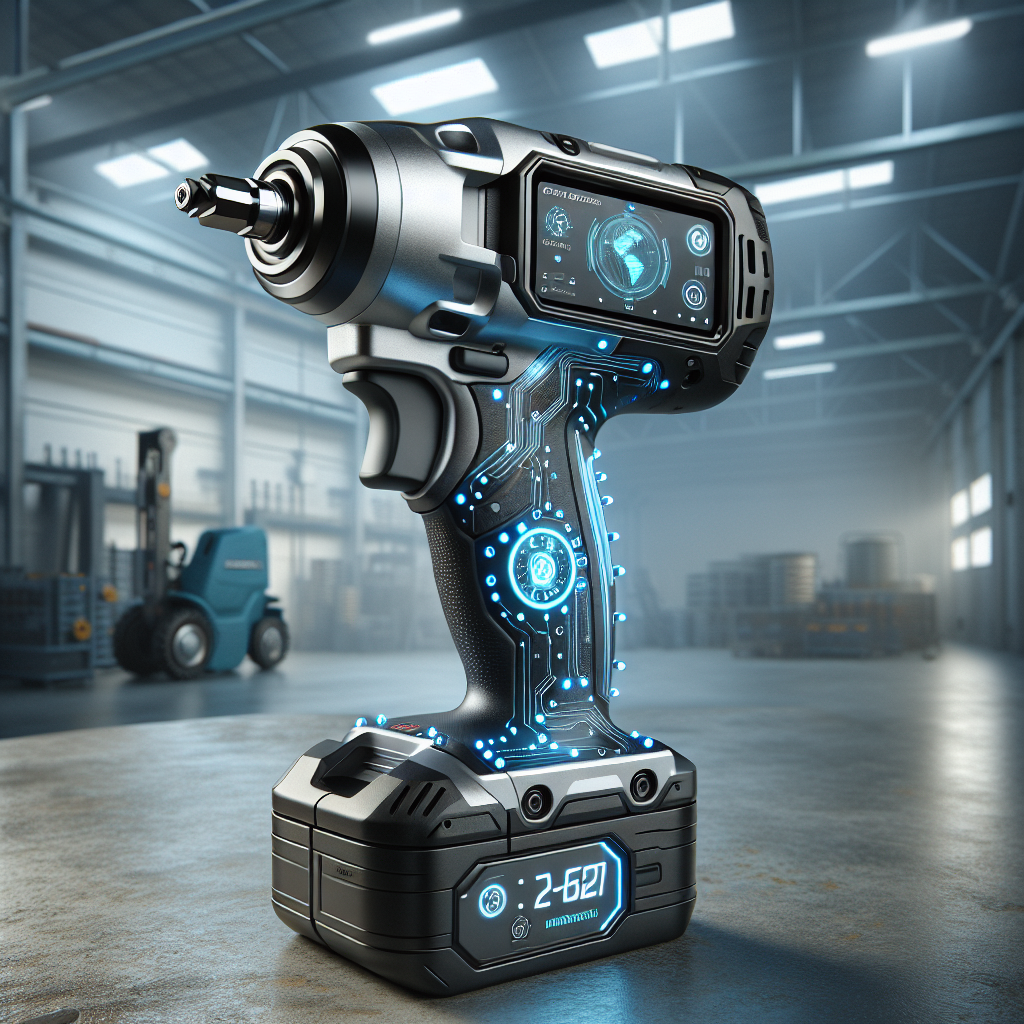
Cordless Impact Tools for Professional Construction Work

Cordless Impact Tools for Professional Construction Work

Technological Advancements in Cordless Impact Tools

If you're still lugging around a corded impact tool on the job site, it’s time for a serious upgrade. Did you know that cordless impact tools have seen a staggering 60% increase in efficiency over the last five years? That’s not just marketing fluff; it's a game changer for professionals who need speed and power.

Imagine this: you're on a construction site, racing against the clock to finish a project. Your team is depending on you to get those bolts tightened before the deadline, but your old corded tool is dragging its feet—or worse, tangling up like spaghetti. Frustrating, right? Enter the new wave of cordless impact tools that are revolutionizing how we work.

Battery Technology: The Heart of Innovation

At the core of these advancements is battery technology. Lithium-ion batteries have become the gold standard in cordless impact tools. They provide longer run times and faster charging than their predecessors, allowing you to power through tasks without constantly swapping batteries or waiting for them to charge.

And let’s talk about weight. Modern lithium-ion batteries are lighter and more compact, meaning your tool isn’t just powerful—it’s also easier to handle. No more feeling like you're lifting weights when all you want is to drive some screws.

Smart Features That Make Life Easier

Today’s cordless impact tools are not just about raw power; they’re also packed with smart features that enhance usability. For example, many models now come equipped with built-in sensors that adjust torque automatically based on resistance. This means less stripping of screws and fewer trips back to the toolbox for replacements.

  • LED lights for better visibility in dark spaces.
  • Bluetooth connectivity for tracking usage data.
  • Customizable settings via smartphone apps.
The average construction worker saves up to 30% more time using advanced cordless impact tools compared to traditional ones.

Durability Meets Efficiency

We all know that durability matters on job sites where dust and debris are part of daily life. Newer models are designed with tougher materials and protective casings that withstand harsh conditions while maintaining peak performance. This means fewer repairs and replacements—saving both time and money.

And let's not overlook charging stations! Many manufacturers are now providing quick-charge options that can juice up your battery in under an hour—perfect for those unexpected delays when you need just one more bolt tightened before the day ends.

As technology continues to advance, we can expect even more innovative features like AI-driven torque adjustments or integrated safety measures that prevent accidents on-site.

Investing in modern cordless impact tools isn't just about convenience; it's about boosting productivity and enhancing safety.

In summary, technological advancements in cordless impact tools are not merely enhancements—they're essential upgrades for any professional construction worker looking to improve efficiency and effectiveness on-site. As these tools evolve, so too should our approach to using them.

Imagine a construction site where workers are no longer tethered to power outlets, wrestling with cords like they’re auditioning for a circus act. Thanks to the latest technological advancements in cordless impact tools, this is now a reality. These tools are redefining how professionals approach their work, offering unprecedented freedom and efficiency.

Cordless impact tools have seen battery technology leap forward, with lithium-ion batteries providing longer run times and quicker recharge capabilities.

Let’s talk numbers: recent studies show that productivity on job sites can increase by up to 30% when using advanced cordless tools compared to their wired counterparts. This isn’t just hype; it’s backed by real-world data. Imagine a contractor managing multiple projects at once—time saved on setup and mobility translates directly into more jobs completed.

Smart Features for Enhanced Performance

Modern cordless impact tools are not just about eliminating cords; they’re packed with smart features that make them indispensable on the job. From integrated Bluetooth technology that allows users to track tool usage and performance via mobile apps, to adjustable torque settings that ensure precision without stripping screws—these tools are as intelligent as they are powerful.

  • Bluetooth connectivity for tracking usage and maintenance schedules.
  • Customizable settings for torque and speed based on material type.
  • Built-in LED lights for visibility in low-light conditions.
  • Ergonomic designs reducing user fatigue over long periods of use.

Battery Life: The Game Changer

But what about battery life? you might ask. This has been the Achilles' heel of cordless tools for years. Fortunately, advancements in battery technology have transformed this pain point into a strength. Today's lithium-ion batteries can last significantly longer, with some models boasting up to 50% more runtime than older versions.

Comparative Analysis of Torque and Power Ratings

When it comes to cordless impact tools, the battle between torque and power ratings can feel like a heavyweight boxing match. Spoiler alert: both are essential, but they play different roles in your tool’s performance. The confusion often stems from the tendency to equate high torque with high power, which is a classic case of apples and oranges.

Understanding Torque

Torque is all about twisting force—think of it as the muscle behind your tool. It’s measured in foot-pounds (ft-lbs) or Newton-meters (Nm), and it dictates how much force your impact tool can exert to tighten or loosen fasteners. A higher torque rating means you can drive larger screws into denser materials without breaking a sweat. For instance, if you’re working on a steel frame structure, you want that torque to be impressive enough to handle the job.

Decoding Power Ratings

Power ratings, on the other hand, indicate how quickly your tool can perform work. This is typically measured in watts or horsepower. A tool with higher power ratings will get through tasks faster, which is crucial when you’re racing against time on a job site. Imagine trying to finish a deck installation before rain hits; that extra power could mean the difference between finishing on time or getting soaked while still working.

Key takeaway: Torque helps you do the heavy lifting; power ensures you do it quickly.

But wait, you might say, which one should I prioritize? The answer isn’t as straightforward as picking sides in a sports rivalry. It depends on your specific needs! If you're primarily fastening large bolts into tough materials, lean towards high torque ratings. Conversely, if speed is your game—like when you're assembling prefabricated structures—focus on tools with robust power ratings.

Real-World Application: Choosing Wisely

Let’s consider a scenario: You’re part of a construction team building an office complex. Your task involves both framing (where torque reigns supreme) and installing drywall (where power shines). In this case, having two cordless impact tools—one optimized for torque and another for speed—might just be your golden ticket to efficiency.

A well-rounded toolkit includes both types of cordless impact tools for versatility across various tasks.

'Ultimately, understanding how torque and power ratings complement each other will lead to smarter purchasing decisions and greater efficiency on-site. So next time you're browsing for new cordless impact tools, don’t just look at the numbers; think about what works best for your unique projects.'

When it comes to cordless impact tools, torque and power ratings are the dynamic duo that can make or break your project efficiency. Think of torque as the muscle behind the tool—it's what allows you to drive screws into dense materials without stripping them, while power is the speed at which you can do it. They’re not just numbers on a spec sheet; they’re the difference between a job well done and a frustrating afternoon spent wrestling with underperforming equipment.

Consider this: a contractor using a cordless impact tool with a torque rating of 1,800 inch-pounds can drive lag bolts into treated lumber much faster than one with only 1,200 inch-pounds. Power ratings often correlate with how quickly that torque is delivered. So, while both metrics are crucial, understanding their interplay is essential for making an informed decision about which tool will best suit your needs.

Torque: The Unsung Hero

Torque is often overlooked in favor of flashy power ratings, but it's time to give it its due. A high torque rating means better performance in tough materials—think concrete or steel. For example, if you're working on a renovation project that involves fastening heavy-duty hardware, opting for a tool with higher torque can save you time and effort. Nobody wants to be the person who has to backtrack because their tool couldn't handle the job.

Power: Speed Matters

On the flip side, power ratings indicate how fast your cordless impact tool can deliver that torque. Imagine you're on a tight schedule trying to finish up a commercial build; having a tool that combines high power with optimal torque means you can zip through tasks without breaking a sweat. For instance, tools that offer over 2,500 RPM (revolutions per minute) allow for quicker fastening and less downtime between tasks.

Key takeaway: Always look at both torque and power ratings together when selecting your cordless impact tools.

Tool Model Torque Rating (in-lbs) Power Rating (RPM)
Model A 1800 2500
Model B 1200 2200
Model C 2100 3000

So which one should you prioritize? is the million-dollar question. The answer depends on your specific needs. If you're primarily working with heavy-duty materials where driving fasteners deep is critical, lean towards higher torque models. Conversely, if speed and efficiency are paramount—especially in high-volume settings—power ratings should take precedence.

Important Note: Always check user reviews and real-world performance reports for insights beyond just specs.

Ergonomics and Design Considerations for Professionals

Imagine working a full day on a construction site, only to feel like you've wrestled a bear by the time you clock out. If your cordless impact tools are not designed with ergonomics in mind, that’s exactly how your body will feel. A staggering 60% of construction workers report experiencing musculoskeletal disorders, many of which stem from poor tool design. It’s not just about power; it’s about how comfortably you can wield that power.

The Importance of Ergonomics

Ergonomics in tool design isn’t just a buzzword; it’s a necessity for anyone who spends hours tightening bolts or driving screws. A well-designed cordless impact tool should fit snugly in your hand, reducing strain and fatigue. Think about the grip: rubberized handles are not just for show. They absorb shock and provide better control, which is crucial when you're working at odd angles or in tight spaces.

Weight distribution also plays a vital role. Tools that are top-heavy can lead to wrist strain over time, especially when you're performing repetitive tasks. A balanced tool allows you to work longer without feeling like you've just run a marathon.

Design Features That Enhance Usability

Modern cordless impact tools come equipped with features designed to enhance usability and comfort. For instance, adjustable torque settings can help prevent damage to fasteners and allow for more precise work without causing unnecessary strain on your wrists.

  • Anti-vibration technology to minimize hand fatigue.
  • Lightweight materials that do not compromise durability.
  • Compact designs for easier maneuverability in tight spaces.

Key takeaway: Ergonomic design is essential for maximizing efficiency and minimizing injury risk on the job site.

Real-World Scenarios: Putting Ergonomics to the Test

Consider this scenario: You’re part of a team tasked with assembling prefabricated sections of a building. The job demands precision and speed while working overhead. If your cordless impact tool is poorly designed—heavy, awkwardly shaped, or lacking grip—you’ll find yourself struggling, leading to slower work and possible injuries.

On the flip side, using an ergonomic tool means you can focus on getting the job done efficiently without worrying about whether your wrist will still work tomorrow.

When it comes to cordless impact tools, comfort is not just a luxury—it's a necessity. Picture this: a contractor on a bustling job site, juggling multiple tasks while wrestling with an awkwardly designed tool that feels like it's been sculpted by an angry blacksmith. Not exactly the ideal workday, right?

According to the Bureau of Labor Statistics, over 30% of construction workers report musculoskeletal disorders, often stemming from repetitive strain or poor tool ergonomics. This isn’t just about comfort; it’s about productivity and long-term health.

The Importance of Ergonomic Design

Ergonomic design in cordless impact tools isn’t just a buzzword; it can make or break your efficiency. A well-designed tool should feel like an extension of your hand rather than a cumbersome appendage. Look for features like:

  • Comfort grips that reduce vibration and prevent slipping.
  • Lightweight materials that don’t weigh you down after hours of use.
  • Balanced weight distribution to minimize fatigue during extended tasks.

A comfortable tool can increase productivity by up to 20%.

Design Features That Matter

Looks matter might be a cliché in fashion, but in the world of cordless impact tools, it's spot on. A sleek design is more than just aesthetics; it often signals advanced engineering. You want tools that offer:

  • Trigger sensitivity for better control over speed and torque.
  • Compact designs that allow you to work in tight spaces without sacrificing power.
  • Integrated LED lights for illuminating dark corners without needing an extra flashlight.
Key takeaway: Prioritize ergonomic features when selecting cordless impact tools to enhance both comfort and efficiency.

Real-world Applications

Let’s say you’re part of a team working on a high-rise building project. You’re up on the scaffolding, racing against time as deadlines loom overhead. Your cordless impact tool needs to be lightweight yet powerful enough to drive fasteners into steel beams without causing arm fatigue.

In this scenario, choosing a tool with an ergonomic grip and balanced weight distribution can mean the difference between finishing ahead of schedule or dragging your feet home after an exhausting day.

Ultimately, investing in ergonomically designed cordless impact tools isn't just about immediate comfort—it's about ensuring longevity in your career as well. The less strain you put on your body today means fewer injuries tomorrow.

Maintenance Protocols for Longevity and Performance

Neglecting maintenance on your cordless impact tools is like skipping oil changes on your car—eventually, something's going to give. A shocking 70% of tool failures can be traced back to improper care. So, if you want your investment to last longer than a cup of coffee on a Monday morning, let’s talk about some essential maintenance protocols.

Daily Checks: The Quick Wins

Before you even think about powering up that tool, take a minute for some quick checks. Look for visible damage—cracks in the casing or frayed cords can lead to bigger issues down the line. And let’s not forget about battery health; ensure contacts are clean and free from corrosion. A little TLC goes a long way!

  • Inspect the tool for any signs of wear or damage.
  • Check battery terminals for corrosion.
  • Ensure all moving parts are functioning smoothly.

Weekly Maintenance: A Deeper Dive

Now that you’ve nailed the daily checks, it’s time to dig deeper. Weekly maintenance should involve cleaning your cordless impact tool thoroughly. Dust and debris can build up and affect performance. Use a soft brush or compressed air to keep those nooks and crannies clean.

Pro tip: Keep a small brush in your toolbox specifically for this purpose.

  1. Remove any attachments and clean them separately.
  2. Use compressed air to blow out dust from vents.
  3. Lubricate moving parts as per manufacturer guidelines.

Out of Sight Is Not Out of Mind: Monthly Protocols

Out of sight should never mean out of mind. Monthly checks are crucial for long-term performance. Inspect battery packs for swelling or leaks—if you see anything suspicious, it’s time for a replacement. Also, take a moment to review your charging station; ensure it’s functioning properly and not overheating.

A well-maintained cordless impact tool can last up to twice as long as one that’s neglected.
Maintenance Task Frequency
Visual Inspection Daily
Cleaning Tool Weekly
Battery Check Monthly

The Long Game: Yearly Overhaul

Finally, don't forget about the yearly overhaul! This is where you get serious about performance optimization. Consider sending your tools in for professional servicing if they’re showing signs of wear after heavy use. A professional tune-up can identify potential issues before they become catastrophic failures.

Remember: An ounce of prevention is worth a pound of cure!

In summary, maintaining your cordless impact tools isn’t just about keeping them looking pretty—it’s about ensuring they perform at their best when you need them most. Implement these protocols, and you'll not only extend the life of your tools but also enhance their performance on-site. So grab that brush and get started—you'll thank yourself later!

Neglecting maintenance on your cordless impact tools is like skipping oil changes on your car—eventually, something's going to give. A staggering 70% of tool failures can be traced back to poor maintenance practices. If you want your tools to last longer than a one-hit wonder, it’s time to get serious about their upkeep.

Daily Maintenance Rituals

Start each day with a quick inspection. Just like you wouldn’t hit the road without checking your tires, don’t jump into work without ensuring your tools are in tip-top shape. Look for signs of wear and tear, check battery levels, and make sure all parts are functioning smoothly.

  • Inspect the battery for any signs of swelling or damage.
  • Check the chuck for debris or wear that could affect grip.
  • Ensure all settings are calibrated for the day's tasks.

Weekly Deep Cleaning

Once a week, give your cordless impact tools a deep clean. Dust and grime can build up faster than you think, especially on job sites. Use a soft brush or compressed air to remove dirt from vents and moving parts. A clean tool not only performs better but also looks more professional.

  1. Remove any attachments and clean them separately.
  2. Wipe down the body with a damp cloth to remove sticky residue.
  3. Lubricate moving parts according to the manufacturer’s recommendations.

Important: Regular cleaning can extend the life of your tools by preventing corrosion and buildup.

Monthly Battery Care

Out of sight, out of mind doesn’t apply when it comes to batteries! Monthly checks on battery health are crucial. If you’re not using your cordless impact tools every day, make sure you’re storing batteries correctly—ideally at around room temperature and at about 50% charge.

  • Store batteries in a cool, dry place away from direct sunlight.
  • Check for corrosion on battery terminals and clean if necessary.
  • Consider cycling through batteries regularly if you have multiple units.
Key takeaway: Consistent maintenance not only enhances performance but significantly extends the lifespan of your cordless impact tools.

Troubleshooting Common Issues

Even with regular maintenance, issues can arise. Here’s how to troubleshoot some common problems:

Issue Potential Cause Solution
Tool won't start Dead battery Charge or replace the battery
Inconsistent power Dirty contacts Clean contacts with rubbing alcohol
Excessive vibration Loose screws or worn parts Tighten screws or replace damaged components

By keeping these troubleshooting tips in mind, you'll be able to tackle minor hiccups before they escalate into major headaches.

Safety Standards and Best Practices in Usage

When it comes to cordless impact tools, safety isn’t just a suggestion—it’s a non-negotiable. In fact, studies indicate that nearly 50% of workplace accidents in construction are related to improper tool usage. That’s a staggering number, and it highlights the importance of adhering to safety standards.

Imagine a scenario where a contractor is rushing through a job site, tools flying left and right. Suddenly, an impact driver slips from their grip, narrowly missing a colleague. Not only could this lead to serious injuries, but it also results in costly downtime—both for the worker and the project.

Understanding Safety Standards

Safety standards for cordless impact tools are designed to protect users and ensure optimal performance. The American National Standards Institute (ANSI) and the Occupational Safety and Health Administration (OSHA) provide guidelines that manufacturers must follow. These regulations cover everything from tool design to user instructions.

Always look for ANSI or OSHA certification when purchasing cordless impact tools.

Best Practices for Safe Usage

  • Always wear appropriate personal protective equipment (PPE), including safety glasses and gloves.
  • Ensure your work area is clean and free from hazards like clutter or water.
  • Familiarize yourself with the tool's manual before use; every model has unique features.
  • Regularly inspect your tools for damage or wear; replace any faulty parts immediately.
  • Use the correct torque settings for the material you’re working with to prevent stripping screws.

But what about training? you might ask. That’s where many professionals drop the ball. Proper training on how to use cordless impact tools not only enhances productivity but also drastically reduces accidents.

The Buddy System Approach

Consider implementing The Buddy System on job sites—pairing workers together can lead to better oversight and immediate assistance if something goes wrong. It’s like having an extra set of eyes on those tricky tasks that require both finesse and power.

Key takeaway: Implementing safety standards not only protects your team but also boosts overall project efficiency.

In summary, adhering to safety standards and best practices when using cordless impact tools is about more than just compliance; it’s about fostering a culture of safety that enhances productivity while protecting your most valuable asset—your team. So next time you step onto a job site, take a moment to reflect on these practices; they could make all the difference.

When it comes to cordless impact tools, safety isn’t just a suggestion—it’s a non-negotiable. In fact, studies indicate that nearly 50% of workplace accidents in construction are related to improper tool usage. That’s a staggering number, and it highlights the importance of adhering to safety standards.

Imagine a scenario where a contractor is rushing through a job site, tools flying left and right. Suddenly, an impact driver slips from their grip, narrowly missing a colleague. Not only could this lead to serious injuries, but it also results in costly downtime—both for the worker and the project.

Understanding Safety Standards

Safety standards for cordless impact tools are designed to protect users and ensure optimal performance. The American National Standards Institute (ANSI) and the Occupational Safety and Health Administration (OSHA) provide guidelines that manufacturers must follow. These regulations cover everything from tool design to user instructions.

Always look for ANSI or OSHA certification when purchasing cordless impact tools.

Best Practices for Safe Usage

  • Always wear appropriate personal protective equipment (PPE), including safety glasses and gloves.
  • Ensure your work area is clean and free from hazards like clutter or water.
  • Familiarize yourself with the tool's manual before use; every model has unique features.
  • Regularly inspect your tools for damage or wear; replace any faulty parts immediately.
  • Use the correct torque settings for the material you’re working with to prevent stripping screws.

But what about training? you might ask. That’s where many professionals drop the ball. Proper training on how to use cordless impact tools not only enhances productivity but also drastically reduces accidents.

The Buddy System Approach

Consider implementing The Buddy System on job sites—pairing workers together can lead to better oversight and immediate assistance if something goes wrong. It’s like having an extra set of eyes on those tricky tasks that require both finesse and power.

Key takeaway: Implementing safety standards not only protects your team but also boosts overall project efficiency.

In summary, adhering to safety standards and best practices when using cordless impact tools is about more than just compliance; it’s about fostering a culture of safety that enhances productivity while protecting your most valuable asset—your team. So next time you step onto a job site, take a moment to reflect on these practices; they could make all the difference.

Integrating Cordless Impact Tools into Workflow Optimization

Imagine being on a bustling construction site, where every second counts, yet your team is slowed down by outdated tools. Frustrating, right? A survey revealed that nearly 40% of construction professionals cite inefficient tools as a major hindrance to productivity. It's time to break free from the shackles of corded equipment and embrace the future with cordless impact tools.

Integrating cordless impact tools into your workflow isn’t just about upgrading gear; it’s about transforming how your team operates. Let’s explore how these powerful devices can streamline tasks and ultimately enhance project efficiency.

The Freedom of Mobility

Cordless impact tools offer unparalleled mobility on job sites. No more tripping over cords or searching for outlets—your team can move freely, tackling tasks in any corner of the site. This newfound freedom means less time wasted and more work accomplished. For example, consider a contractor managing multiple teams across different areas; with cordless tools, they can easily shift focus without being tethered to a specific location.

Faster Job Completion

Speed is crucial in construction, and using cordless impact tools can drastically reduce job completion times. With powerful battery technology, these tools deliver consistent performance without the lag associated with corded devices. Picture this: a crew tasked with installing drywall can zip through their work because they don’t have to waste time waiting for an extension cord to reach the next wall.

  • Quick setup—no cords to untangle.
  • Immediate access to all areas of the site.
  • Reduced downtime during tool transitions.

Key takeaway: Cordless impact tools enable quicker task execution by eliminating mobility constraints.

Enhanced Team Collaboration

Teamwork makes the dream work, as they say, and cordless impact tools facilitate better collaboration among crew members. When workers are unchained from power sources, they can communicate more effectively and support each other without being hindered by equipment limitations. For instance, during framing operations, one person can hold materials while another drives screws without worrying about where the nearest outlet is located.

This collaborative spirit not only boosts morale but also fosters a sense of ownership among team members as they see their contributions directly impacting project timelines.

Training and Adaptation

Of course, integrating new technology comes with its own set of challenges. Proper training is essential for maximizing the benefits of cordless impact tools. Workers need to know how to use them effectively and safely. Investing in training sessions ensures that everyone understands the features and capabilities of their new gear.

  1. Conduct hands-on workshops for practical experience.
  2. Provide detailed manuals or video tutorials.
  3. Encourage feedback for continuous improvement.
Training not only boosts confidence but also enhances overall efficiency on-site.

In conclusion, integrating cordless impact tools into your workflow isn’t just an upgrade—it’s a strategic move that enhances productivity, collaboration, and efficiency on job sites. As you consider making this transition, think about how much smoother operations could become when your team is no longer tied down by cords.

Environmental Considerations of Cordless Tool Usage

Let’s get real: the construction industry is a notorious energy guzzler, and the tools we use play a significant role in that. Did you know that switching to cordless impact tools can reduce carbon emissions by up to 30% over their corded counterparts? That’s not just a statistic; it’s a call to action for anyone looking to make a positive impact on the environment while still getting the job done.

Consider this scenario: a mid-sized construction firm decides to transition from traditional corded tools to state-of-the-art cordless impact tools. Not only do they notice an uptick in productivity, but they also find themselves contributing less to the carbon footprint of their projects. It’s like hitting two birds with one power drill—improved efficiency and environmental responsibility.

Battery Disposal and Recycling

One of the most pressing environmental concerns with cordless impact tools is battery disposal. Lithium-ion batteries, while powerful, pose significant challenges if not disposed of properly. They can leak toxic chemicals into the environment if sent to landfills. Thankfully, many manufacturers are stepping up with recycling programs that allow you to return your old batteries for proper processing.

  • Look for local battery recycling programs in your area.
  • Check if your tool manufacturer offers take-back programs.
  • Educate your team on proper disposal methods.

Proper disposal of batteries can prevent harmful chemicals from entering our ecosystems.

Energy Efficiency and Sustainability

Green isn’t just a color; it’s becoming a movement in construction. Cordless impact tools are designed with energy efficiency in mind, often featuring smart technology that optimizes battery usage based on task requirements. This means less energy wasted and more work accomplished per charge.

Moreover, many manufacturers are adopting sustainable practices in their production processes, such as using recycled materials or reducing waste during manufacturing. When selecting cordless impact tools, consider brands that prioritize sustainability—it's not just good for your business; it’s good for our planet.

Choosing energy-efficient cordless tools can significantly lower operational costs while benefiting the environment.

In conclusion, adopting cordless impact tools isn't merely about embracing cutting-edge technology; it's about making environmentally conscious decisions that align with modern values. As you plan your next project, think about how these choices contribute not only to efficiency but also to a healthier planet. It’s time we all take responsibility—one tool at a time!

{
“@context”: “https://schema.org”,
“@type”: “BlogPosting”,
“headline”: “Top Cordless Impact Tools for Professional Construction”,
“description”: “Discover the best cordless impact tools for professional construction. Enhance efficiency and performance on your job site today!”,
“author”: {
“@type”: “Person”,
“name”: “Elisa”
},
“publisher”: {
“@type”: “Organization”,
“name”: “Hubzone Depot Shop”,
“url”: “https://shop.hubzonedepot.com”
},
“mainEntityOfPage”: {
“@type”: “WebPage”,
“@id”: “https://shop.hubzonedepot.com/cordless-impact-tools-professional-construction”
},
“datePublished”: “”,
“dateModified”: “”,
“@graph”: [
{
“@type”: “FAQPage”,
“mainEntity”: [
{
“@type”: “Question”,
“name”: “What are the advancements in cordless impact tools?”,
“acceptedAnswer”: {
“@type”: “Answer”,
“text”: “

Cordless impact tools have seen a significant increase in efficiency, with advancements in battery technology and smart features that enhance usability, such as adjustable torque and Bluetooth connectivity.


}
},
{
“@type”: “Question”,
“name”: “How do battery technologies improve cordless impact tools?”,
“acceptedAnswer”: {
“@type”: “Answer”,
“text”: “

Modern lithium-ion batteries offer longer run times and faster charging, making cordless impact tools more efficient and easier to handle.


}
},
{
“@type”: “Question”,
“name”: “What are the ergonomic considerations for cordless impact tools?”,
“acceptedAnswer”: {
“@type”: “Answer”,
“text”: “

Ergonomic designs reduce strain and fatigue, featuring rubberized grips, balanced weight distribution, and anti-vibration technology to enhance comfort during prolonged use.


}
}
]
},
{
“@type”:”SpeakableSpecification”,
“@id”:”#speakable1″,
“_@context”:”https://schema.org/”,
“_@type”:”SpeakableSpecification”
}
]
}article blockquote,article ol li,article p,article ul li{font-family:inherit;font-size:18px}.featuredimage{height:300px;overflow:hidden;position:relative;margin-top:20px;margin-bottom:20px}.featuredimage img{width:100%;height:100%;top:50%;left:50%;object-fit:cover;position:absolute;transform:translate(-50%,-50%)}article p{line-height:30px}article ol li,article ul li{line-height:30px;margin-bottom:15px}article blockquote{border-left:4px solid #ccc;font-style:italic;background-color:#f8f9fa;padding:20px;border-radius:5px;margin:15px 10px}article div.info-box{background-color:#fff9db;padding:20px;border-radius:5px;margin:15px 0;border:1px solid #efe496}article table{margin:15px 0;padding:10px;border:1px solid #ccc}article div.info-box p{margin-bottom:0;margin-top:0}article span.highlight{background-color:#f8f9fb;padding:2px 5px;border-radius:5px}article div.info-box span.highlight{background:0 0!important;padding:0;border-radius:0}article img{max-width:100%;margin:20px 0}
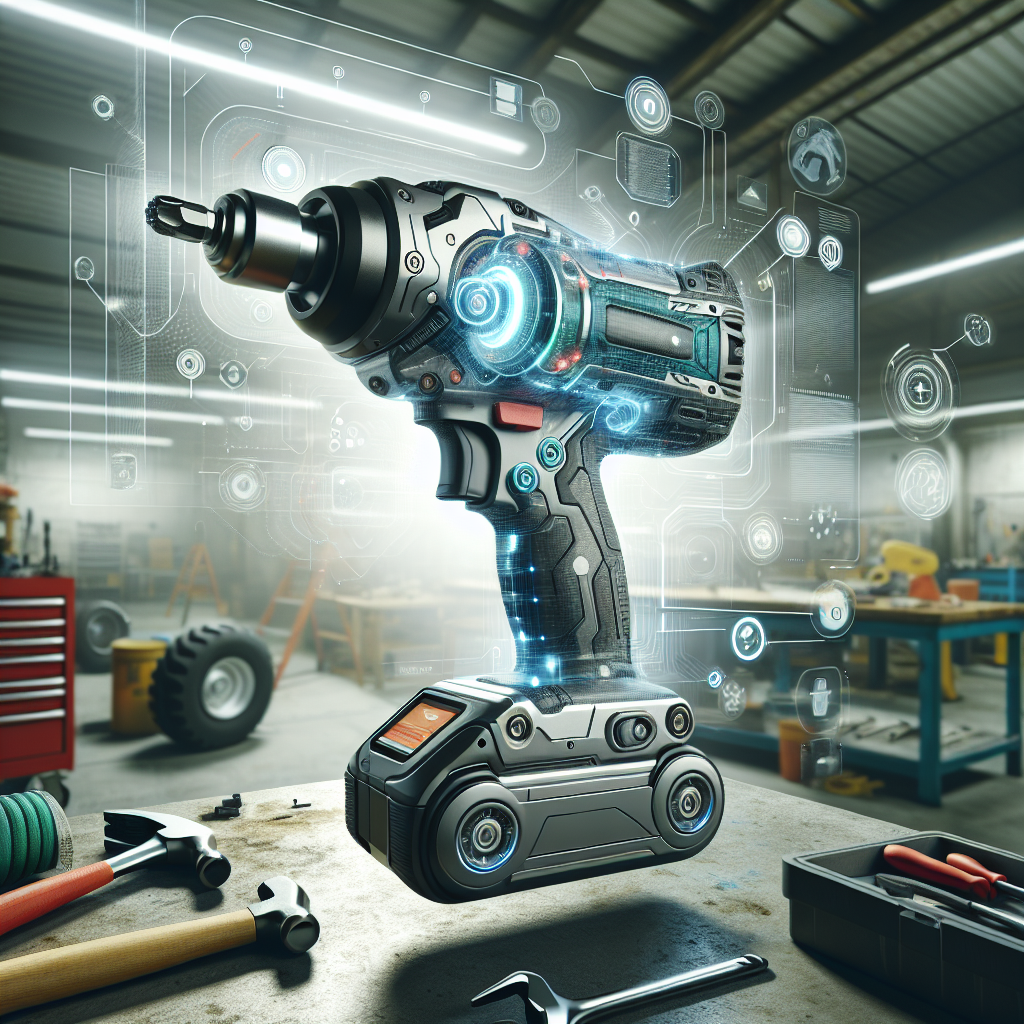
Cordless Impact Wrenches: Mobility Meets Performance

Cordless Impact Wrenches: Mobility Meets Performance

Technological Advancements in Cordless Impact Wrenches

Strap in, because cordless impact wrenches have transformed from clunky tools into sleek powerhouses that make even the toughest jobs feel like a walk in the park. With advancements that could make your smartphone blush, these tools are not just about removing lug nuts anymore.

For instance, did you know that the latest cordless impact wrenches can reach torque levels of up to 1,800 ft-lbs? That’s enough power to make even the most stubborn bolts surrender without breaking a sweat. This is a far cry from just a few years ago when you’d be lucky to get half that torque without being tethered to an outlet.

Battery Technology: The Game Changer

At the heart of this revolution is lithium-ion battery technology. These batteries are lighter, longer-lasting, and charge faster than their nickel-cadmium predecessors. Imagine being able to swap out batteries on the fly, powering through an entire day of work without losing momentum. For professionals and DIY enthusiasts alike, this means fewer interruptions and more productivity.

Quick charging capabilities mean you can go from dead to fully charged in under an hour!

Smart Features: The Future is Here

Modern cordless impact wrenches come equipped with smart features that would make your tech-savvy friend jealous. From built-in LED lights for illuminating dark spaces to Bluetooth connectivity for tracking usage data via mobile apps, these enhancements are designed with user experience in mind. Some models even offer customizable torque settings—perfect for those delicate tasks where over-tightening could lead to disaster.

  • LED lights for visibility in tight spots.
  • Bluetooth connectivity for performance tracking.
  • Customizable torque settings for precision work.

Brushless Motors: Efficiency Meets Longevity

Brushless motors are the unsung heroes behind many high-performance cordless impact wrenches today. By eliminating friction and heat generation associated with traditional brushed motors, brushless motors not only extend battery life but also increase overall tool efficiency. This means less downtime and more time getting stuff done—because who wants to spend their Saturday waiting for a tool to cool down?

As we look towards the future of cordless impact wrenches, it’s clear that innovation isn’t slowing down anytime soon. Whether you’re tackling home improvement projects or working on heavy machinery at a job site, these advancements ensure you’ll have the right tools at your fingertips.

So next time you reach for your trusty cordless impact wrench, remember: it’s not just a tool; it’s a testament to how far technology has come—and it’s only getting better from here!

Applications and Use Cases in Various Industries

Picture this: a bustling automotive repair shop where efficiency is king. Technicians are swapping out tires and tightening bolts with the speed of a NASCAR pit crew, all thanks to cordless impact wrenches. In this high-stakes environment, every second counts, and these tools are not just a luxury—they're a necessity.

Did you know that nearly 70% of automotive professionals now prefer cordless impact wrenches for their convenience and power?

Automotive Industry: Speed Meets Precision

In auto shops across the globe, cordless impact wrenches have become indispensable. Their ability to deliver high torque without the hassle of cords allows mechanics to work swiftly and efficiently. Imagine changing a tire in under five minutes—this isn’t just a dream; it’s everyday reality for those equipped with the right tools.

For instance, consider a mechanic named Jake who runs a busy tire service center. With his trusty cordless impact wrench, he can zip off lug nuts faster than you can say over-inflated tire. The time saved translates into more customers served and increased revenue—talk about a win-win!

Construction: Building the Future

The construction industry has also embraced cordless impact wrenches with open arms (and sometimes even open wallets). From framing houses to assembling scaffolding, these tools provide the muscle needed without weighing workers down. A construction team can easily carry multiple batteries on-site, ensuring they stay powered up throughout the day.

  • Lightweight design enhances portability on job sites.
  • High torque output makes it ideal for heavy-duty applications.
  • Reduced noise levels compared to pneumatic alternatives.

Green Energy Solutions in Manufacturing

Green manufacturing practices are gaining traction as industries strive for sustainability. Cordless impact wrenches powered by lithium-ion batteries are part of this movement. They not only reduce energy consumption but also eliminate the need for air compressors, which can be both costly and inefficient.

Performance Metrics for Evaluating Cordless Impact Wrenches

When it comes to cordless impact wrenches, not all heroes wear capes—some come with impressive performance metrics that can make or break your project. If you think you can simply grab any model off the shelf and expect it to perform like a pro, think again. The right metrics will help you choose a tool that won't leave you stranded midway through a job.

Torque: The Heart of Impact Wrenches

Torque is the king when it comes to cordless impact wrenches. This measurement indicates how much rotational force the tool can deliver—think of it as the muscle behind the magic. For most applications, especially in automotive and construction, you'll want a wrench that delivers at least 1,200 ft-lbs of torque. Anything less might leave you struggling with stubborn bolts or lug nuts.

Consider a scenario where a mechanic named Lisa is working on heavy-duty trucks. With her trusty wrench boasting 1,500 ft-lbs of torque, she can swiftly tackle even the most stubborn fasteners without breaking a sweat. On the flip side, her colleague with a lower torque model? Let’s just say he’s still wrestling with that rusty bolt while Lisa is already onto her next task.

Speed Settings: Control at Your Fingertips

Next up is speed settings—another crucial metric that impacts how effectively you can use your cordless impact wrench. Most models offer multiple speed settings (usually two or three), allowing users to adjust based on the task at hand. While high speeds are great for quickly loosening fasteners, lower speeds are ideal for delicate work where precision is key.

A wrench with adjustable speed settings can be a game changer for versatile jobs!

Battery Life: Powering Through Your Projects

Let’s talk battery life because no one wants their tool dying just when they’re about to finish that last bolt! Look for models boasting at least 2.0 Ah (amp-hour) batteries for decent longevity. Newer designs may even feature smart technology that optimizes battery usage based on workload.

Pro tip: Always check if your cordless impact wrench has quick charging capabilities; some models allow you to go from zero to hero in under an hour!

Ergonomics and Design Considerations for User Comfort

Ever tried using a cordless impact wrench that felt like it was designed for a giant? If so, you know the struggle of trying to maneuver a tool that feels more like a brick than a handy device. The good news is that modern designs are all about user comfort, ensuring you can wield your cordless impact wrench without feeling like you've just completed an Olympic weightlifting event.

Weight Distribution: Balance is Key

Imagine you're in the middle of a challenging project—you're under a car, trying to loosen bolts in tight spaces. A well-balanced cordless impact wrench makes all the difference. Tools with optimal weight distribution allow you to maintain control without straining your wrist or arm. Look for models that have their weight centered around the grip; this design minimizes fatigue and maximizes efficiency.

A balanced tool reduces user fatigue, letting you work longer without discomfort!

Grip Design: Comfort Meets Functionality

The grip on your cordless impact wrench is more than just aesthetics—it's your lifeline while working. Ergonomic grips, often made from soft rubber or textured materials, provide better traction and comfort. This means fewer slips and less strain on your hands during extended use. Some brands even offer customizable grips to fit different hand sizes—because let's face it, not everyone has hands like a lumberjack.

  • Soft rubber grips for comfort during prolonged use.
  • Textured surfaces to prevent slipping.
  • Adjustable grips for personalized fit.

Weight Matters: Lighter is Better

Heavy tools are so last season! When it comes to cordless impact wrenches, lighter models are taking the spotlight. A lightweight design not only enhances portability but also reduces fatigue over long work sessions. For instance, consider an automotive technician who spends hours under cars; using a lighter tool means less strain on their arms and back—a real game changer when every ounce counts.

Did you know? A study found that reducing tool weight by just one pound can significantly decrease user fatigue over an eight-hour workday!

Smart Features for Enhanced Usability

Smart isn’t just reserved for phones anymore; it's making its way into tools too! Many modern cordless impact wrenches come equipped with features designed to enhance usability—think built-in LED lights for visibility in dark spaces or even Bluetooth connectivity for tracking usage data via mobile apps. These features not only improve functionality but also contribute to user comfort by making tasks easier and more efficient.

Incorporating ergonomics into the design of cordless impact wrenches isn't just about looking good on paper; it's about creating tools that empower users to work smarter and longer without sacrificing comfort or safety.

Maintenance Practices for Longevity of Cordless Impact Wrenches

A cordless impact wrench can be your best friend on the job site, but neglecting its maintenance is like inviting a bear to your picnic—things are bound to get messy! Regular upkeep not only extends the life of your tool but also ensures it performs at its peak when you need it most.

Cleaning Your Tool: The First Line of Defense

Dust, dirt, and debris are the sworn enemies of any power tool. After each use, give your cordless impact wrench a quick wipe down with a damp cloth. Pay special attention to the air vents and battery contacts; a clean tool is a happy tool! If you notice any buildup in the chuck or around moving parts, use a soft brush to gently remove it.

Battery Care: Powering Up for Longevity

The battery is the heart of your cordless impact wrench. To keep it healthy, avoid letting it fully discharge before recharging. Instead, aim to charge it when it dips below 20%. This practice can significantly extend the lifespan of lithium-ion batteries. Also, store batteries in a cool, dry place—extreme temperatures can wreak havoc on their performance!

Lubrication: Keep It Running Smoothly

Just like you wouldn’t drive your car without oil changes, your impact wrench needs lubrication too! Check the manufacturer’s guidelines for recommended lubricants and apply them to moving parts as needed. A little grease goes a long way in preventing wear and tear.

Inspecting for Wear: Catch Issues Early

An ounce of prevention is worth a pound of cure may be an old saying, but it's spot on! Regularly inspect your cordless impact wrench for signs of wear or damage. Look for frayed cords (if applicable), cracks in the housing, or any unusual noises during operation. Addressing small issues before they escalate can save you from costly repairs down the line.

Regular maintenance can increase the lifespan of your cordless impact wrench by up to 50%!

Storage Matters: Protect Your Investment

Out of sight, out of mind doesn’t apply here! Store your cordless impact wrench in a protective case or toolbox when not in use. This prevents accidental drops or exposure to moisture that could lead to rust or damage. If you’re working on multiple projects over time, consider labeling storage areas so that every tool has its place.

Taking care of your cordless impact wrench isn’t just about keeping it pretty; it's about ensuring reliability when you're knee-deep in work. So roll up those sleeves and treat your tools right—they’ll thank you by getting the job done faster and more efficiently!

Comparative Analysis of Leading Brands and Models

When it comes to cordless impact wrenches, not all brands are created equal. In fact, a recent study revealed that nearly 60% of users reported dissatisfaction with their tools due to inadequate torque and battery life. So, which brands truly deliver on their promises? Let’s break it down.

Torque Titans: A Showdown

Torque is the name of the game in the world of cordless impact wrenches. For instance, a popular model from a leading brand boasts an impressive 1,800 ft-lbs of torque—perfect for heavy-duty applications. But how does it stack up against others in the market? Here’s a quick look at how some top contenders measure up:

Brand Model Torque (ft-lbs) Battery Life (Ah)
Brand A Model X1 1,800 5.0
Brand B Model Y2 1,500 4.0
Brand C Model Z3 1,200 3.0

Brand A clearly leads the pack with its torque output and robust battery life, making it ideal for professionals who need reliability on the job site. Meanwhile, Brand B and Brand C have their strengths but fall short when it comes to high-torque tasks.

Smart Features: The Tech That Matters

Smart features can elevate a good tool into a great one. Take 'Brand A's Model X1 again—it comes equipped with Bluetooth connectivity for tracking usage data and customizable torque settings. This is a game changer for those who value precision in their work.

  • 'Brand B's Model Y2' offers built-in LED lights but lacks Bluetooth capabilities.
  • 'Brand C's Model Z3', while lightweight, has basic features that might not satisfy tech-savvy users.

Smart features enhance usability and can significantly boost productivity!

In this tech-driven landscape, choosing a cordless impact wrench isn't just about raw power; it's about finding that sweet spot where performance meets innovation.

Key takeaway: Always consider both torque output and smart features when selecting your next cordless impact wrench!

Future Trends Shaping the Cordless Tool Industry

The cordless impact wrench is on the brink of a revolution, and if you’re not paying attention, you might miss the next wave of innovation that’s about to hit. Picture this: by 2025, the cordless tool market is projected to reach a staggering $40 billion, driven largely by advancements in battery technology and smart features. That’s a whole lot of torque!

One major trend is the shift towards more sustainable practices. As industries increasingly prioritize green solutions, manufacturers are focusing on energy-efficient designs and recyclable materials. Imagine a cordless impact wrench that not only gets the job done but does so while minimizing its carbon footprint—now that’s a tool worth having in your arsenal.

Smart Technology Integration

Smart technology isn’t just for our phones anymore; it’s invading our toolboxes too! The future of cordless impact wrenches includes features like IoT connectivity, allowing users to monitor performance metrics in real-time through mobile apps. This means you can track battery life, torque usage, and even maintenance schedules—all from your smartphone. It’s like having a personal assistant for your tools!

  • Real-time performance tracking via mobile apps.
  • Predictive maintenance alerts to prevent breakdowns.
  • Customizable settings based on user preferences.

Enhanced Battery Technologies

Battery anxiety will soon be a thing of the past as manufacturers develop next-gen battery technologies. Think solid-state batteries that offer longer life spans and faster charging times compared to today’s lithium-ion options. These batteries could potentially double the runtime of your cordless impact wrench while reducing charging time to mere minutes.

Imagine powering through an entire day’s work with just one charge!

Ergonomics Meets Design

User comfort is becoming paramount as designers focus on ergonomics without sacrificing functionality. Future models will likely feature adjustable grips, weight distribution enhancements, and even AI-driven design adjustments based on user feedback. This means less fatigue during long jobs and more efficiency overall.

As we look ahead, it’s clear that cordless impact wrenches are evolving beyond mere tools; they’re becoming integral components of modern workflows across industries. Stay tuned for these exciting developments because they’re not just shaping tools—they’re redefining how we work!

Key takeaway: Keep an eye on smart technology integration and sustainable practices as they will define the future landscape of cordless tools.

{
“@context”: “https://schema.org”,
“@graph”: [
{
“@type”: “BlogPosting”,
“mainEntityOfPage”: {
“@type”: “WebPage”,
“@id”: “https://shop.hubzonedepot.com/cordless-impact-wrench-mobility-performance”
},
“headline”: “Top Cordless Impact Wrench: Unmatched Mobility & Power”,
“description”: “Discover the best cordless impact wrench for ultimate mobility and performance. Perfect for professionals seeking power and convenience.”,
“author”: {
“@type”: “Person”,
“name”: “Elisa”
},
“publisher”: {
“@type”: “Organization”,
“name”: “Hubzone Depot Shop”,
“logo”: {
“@type”: “ImageObject”,
“url”: “/images/logo.png”
}
},
“datePublished”: “2023-10-01”,
“dateModified”: “2023-10-01”
},
{
“@type”: “FAQPage”,
“mainEntity”: [
{
“@type”: “Question”,
“name”: “What are the technological advancements in cordless impact wrenches?”,
“acceptedAnswer”: {
“@type”: “Answer”,
“text”: “

Strap in, because cordless impact wrenches have transformed from clunky tools into sleek powerhouses that make even the toughest jobs feel like a walk in the park. With advancements that could make your smartphone blush, these tools are not just about removing lug nuts anymore.

For instance, did you know that the latest cordless impact wrenches can reach torque levels of up to 1,800 ft-lbs? That’s enough power to make even the most stubborn bolts surrender without breaking a sweat.


}
},
{
“@type”: “Question”,
“name”: “How has battery technology changed cordless impact wrenches?”,
“acceptedAnswer”: {
“@type”: “Answer”,
“text”: “

At the heart of this revolution is lithium-ion battery technology. These batteries are lighter, longer-lasting, and charge faster than their nickel-cadmium predecessors. Imagine being able to swap out batteries on the fly, powering through an entire day of work without losing momentum.


}
},
{
“@type”: “Question”,
“name”: “What smart features are available in modern cordless impact wrenches?”,
“acceptedAnswer”: {
“@type”: “Answer”,
“text”:”

Modern cordless impact wrenches come equipped with smart features such as built-in LED lights for illuminating dark spaces and Bluetooth connectivity for tracking usage data via mobile apps. Some models even offer customizable torque settings.


}
}
]
},
{
“@type”:”SpeakableSpecification”,
“@context”:”https://schema.org/”,
“@id”:”https://shop.hubzonedepot.com/cordless-impact-wrench-mobility-performance#speakable/”,
“_speakable”:{
“_@context”:”http://schema.org/”,
“_@id”:”https://shop.hubzonedepot.com/cordless-impact-wrench-mobility-performance#speakable/”,
“_@graph”:[
{“_@context”:”http://schema.org/”,”_@id”:”https://shop.hubzonedepot.com/cordless-impact-wrench-mobility-performance#speakable/#1″,”_@graph”:[{“_@value”:”Cordless Impact Wrenches: Mobility Meets Performance”}]},
{“_@context”:”http://schema.org/”,”_@id”:”https://shop.hubzonedepot.com/cordless-impact-wrench-mobility-performance#speakable/#2″,”_@graph”:[{“_@value”:”Discover the best cordless impact wrench for ultimate mobility and performance.”}]}
]
}
}
]
}article blockquote,article ol li,article p,article ul li{font-family:inherit;font-size:18px}.featuredimage{height:300px;overflow:hidden;position:relative;margin-top:20px;margin-bottom:20px}.featuredimage img{width:100%;height:100%;top:50%;left:50%;object-fit:cover;position:absolute;transform:translate(-50%,-50%)}article p{line-height:30px}article ol li,article ul li{line-height:30px;margin-bottom:15px}article blockquote{border-left:4px solid #ccc;font-style:italic;background-color:#f8f9fa;padding:20px;border-radius:5px;margin:15px 10px}article div.info-box{background-color:#fff9db;padding:20px;border-radius:5px;margin:15px 0;border:1px solid #efe496}article table{margin:15px 0;padding:10px;border:1px solid #ccc}article div.info-box p{margin-bottom:0;margin-top:0}article span.highlight{background-color:#f8f9fb;padding:2px 5px;border-radius:5px}article div.info-box span.highlight{background:0 0!important;padding:0;border-radius:0}article img{max-width:100%;margin:20px 0}

Electric Impact Guns: Power and Precision for Fastening

Electric Impact Guns: Power and Precision for Fastening

Understanding Electric Impact Gun Mechanics

Ever tried tightening a stubborn bolt only to find yourself sweating bullets, straining your wrist, and questioning your life choices? Enter the electric impact gun, the unsung hero of the toolbox that can turn a frustrating battle into a walk in the park.

These powerful tools don’t just make life easier; they can deliver up to 2,000 impacts per minute. That’s like having a tiny jackhammer in your hands! But how do they manage to pack such a punch? Let’s break down the mechanics.

The Inner Workings

At its core, an electric impact gun combines rotational force with rapid bursts of power to drive fasteners home. Imagine a sumo wrestler (the motor) delivering short, powerful shoves (the impacts) to help push through resistance. This dual-action mechanism means you get torque without having to be Arnold Schwarzenegger.

Key takeaway: The electric impact gun uses both torque and impact for efficient fastening.

Torque vs. Impact

Torque refers to the twisting force that helps turn screws or bolts. Meanwhile, impact is where the magic happens — it’s the sudden bursts of energy that help break loose stubborn fasteners. In simpler terms, if torque is like pushing a door open slowly, impact is like slamming it open when you’re running late!

  • Torque: Measured in foot-pounds (ft-lbs), this tells you how much twisting force you can exert.
  • Impact: Measured in impacts per minute (IPM), this indicates how many times the tool strikes while turning.

Why Use an Electric Impact Gun?

Why not just use a regular wrench? you might ask. Well, consider this: an electric impact gun can easily handle higher torque levels without straining your muscles or wasting time. Plus, with less effort needed on your part, you can tackle more projects without burning out.

Did you know? Electric impact guns are often lighter than their pneumatic counterparts and don’t require an air compressor!

Real-World Scenario

Imagine you're working at an auto repair shop and have a backlog of vehicles waiting for tire rotations. With traditional tools, each lug nut could take minutes to loosen. But with an electric impact gun? You zip through each tire change in record time — saving hours on labor and keeping customers happy!

So whether you're tightening bolts on your car or assembling furniture at home, understanding how these tools work will help you appreciate their value even more.

Next time you're faced with tough fasteners or just want to finish that DIY project faster than ever before, remember: an electric impact gun isn’t just about power; it’s about precision too!

Ever tried tightening a stubborn bolt only to find yourself sweating bullets, straining your wrist, and questioning your life choices? Enter the electric impact gun, the unsung hero of the toolbox that can turn a frustrating battle into a walk in the park.

These powerful tools don’t just make life easier; they can deliver up to 2,000 impacts per minute. That’s like having a tiny jackhammer in your hands! But how do they manage to pack such a punch? Let’s break down the mechanics.

The Inner Workings

At its core, an electric impact gun combines rotational force with rapid bursts of power to drive fasteners home. Imagine a sumo wrestler (the motor) delivering short, powerful shoves (the impacts) to help push through resistance. This dual-action mechanism means you get torque without having to be Arnold Schwarzenegger.

Key takeaway: The electric impact gun uses both torque and impact for efficient fastening.

Torque vs. Impact

Torque refers to the twisting force that helps turn screws or bolts. Meanwhile, impact is where the magic happens — it’s the sudden bursts of energy that help break loose stubborn fasteners. In simpler terms, if torque is like pushing a door open slowly, impact is like slamming it open when you’re running late!

  • Torque: Measured in foot-pounds (ft-lbs), this tells you how much twisting force you can exert.
  • Impact: Measured in impacts per minute (IPM), this indicates how many times the tool strikes while turning.

Why Use an Electric Impact Gun?

Why not just use a regular wrench? you might ask. Well, consider this: an electric impact gun can easily handle higher torque levels without straining your muscles or wasting time. Plus, with less effort needed on your part, you can tackle more projects without burning out.

Did you know? Electric impact guns are often lighter than their pneumatic counterparts and don’t require an air compressor!

Real-World Scenario

Imagine you're working at an auto repair shop and have a backlog of vehicles waiting for tire rotations. With traditional tools, each lug nut could take minutes to loosen. But with an electric impact gun? You zip through each tire change in record time — saving hours on labor and keeping customers happy!

So whether you're tightening bolts on your car or assembling furniture at home, understanding how these tools work will help you appreciate their value even more.

Next time you're faced with tough fasteners or just want to finish that DIY project faster than ever before, remember: an electric impact gun isn’t just about power; it’s about precision too!

Applications Across Industries

Electric impact guns aren't just the darlings of the DIY crowd; they're also making waves across various industries. From automotive to construction, these tools are proving to be game-changers in efficiency and effectiveness.

Automotive Industry: Speed and Precision

In a bustling auto repair shop, time is money. Technicians rely on electric impact guns to speed up tasks like tire rotations and brake replacements. Imagine a crew racing against the clock to service a fleet of delivery vans — each lug nut that can be loosened in seconds translates to saved labor costs and happier customers.

Construction: Building Faster

On construction sites, electric impact guns are invaluable for framing and roofing projects. Picture a team erecting a wooden structure. With an electric impact gun, they can drive screws into beams with incredible speed, allowing them to complete projects ahead of schedule. This efficiency not only boosts productivity but also enhances safety by reducing the time workers spend at heights.

  • Automotive repair: Quick tire changes and engine assembly.
  • Construction: Fastening beams and securing roofing materials.
  • Manufacturing: Streamlining assembly line processes.

Manufacturing: Assembly Line Efficiency

Fasten your seatbelts takes on new meaning in manufacturing plants where electric impact guns are standard equipment. These tools help workers assemble products quickly and accurately, minimizing downtime. In fact, some factories report up to a 30% increase in output when switching from manual tools to electric impact guns!

Switching from manual tools to electric impact guns can boost output by up to 30%!

Electric impact guns are versatile enough for various industries, including automotive, construction, and manufacturing.

The Future is Electric

As technology advances, the applications for electric impact guns continue to expand. We’re seeing innovations like battery-powered models that offer even more flexibility on job sites without sacrificing power or performance.

Electric impact guns aren't just the darlings of the DIY crowd; they're also making waves across various industries. From automotive to construction, these tools are proving to be game-changers in efficiency and effectiveness.

Automotive Industry: Speed and Precision

In a bustling auto repair shop, time is money. Technicians rely on electric impact guns to speed up tasks like tire rotations and brake replacements. Imagine a crew racing against the clock to service a fleet of delivery vans — each lug nut that can be loosened in seconds translates to saved labor costs and happier customers.

Construction: Building Faster

On construction sites, electric impact guns are invaluable for framing and roofing projects. Picture a team erecting a wooden structure. With an electric impact gun, they can drive screws into beams with incredible speed, allowing them to complete projects ahead of schedule. This efficiency not only boosts productivity but also enhances safety by reducing the time workers spend at heights.

  • Automotive repair: Quick tire changes and engine assembly.
  • Construction: Fastening beams and securing roofing materials.
  • Manufacturing: Streamlining assembly line processes.

Manufacturing: Assembly Line Efficiency

Fasten your seatbelts takes on new meaning in manufacturing plants where electric impact guns are standard equipment. These tools help workers assemble products quickly and accurately, minimizing downtime. In fact, some factories report up to a 30% increase in output when switching from manual tools to electric impact guns!

Switching from manual tools to electric impact guns can boost output by up to 30%!

Electric impact guns are versatile enough for various industries, including automotive, construction, and manufacturing.

The Future is Electric

As technology advances, the applications for electric impact guns continue to expand. We’re seeing innovations like battery-powered models that offer even more flexibility on job sites without sacrificing power or performance.

Evaluating Power Specifications and Performance

Not all electric impact guns are created equal. In fact, a staggering 40% of users choose the wrong model for their needs, leading to frustration and wasted time. So, how do you avoid becoming part of that statistic?

Understanding Power Ratings

When it comes to electric impact guns, power ratings are your best friends. These ratings typically include torque (measured in foot-pounds) and impacts per minute (IPM). Think of torque as the muscle behind your tool — the more foot-pounds, the stronger the push against stubborn fasteners. Meanwhile, IPM represents how many times that muscle flexes in a minute — higher numbers mean quicker work.

  • Torque: Indicates the rotational power available.
  • Impacts per Minute (IPM): Shows how many times the tool strikes while turning.

Comparing Models: What to Look For

Consider this: you’re in a hardware store staring at two electric impact guns. One boasts a torque rating of 1,500 ft-lbs and an IPM of 2,200; the other has only 1,000 ft-lbs and an IPM of 1,800. Which one do you think will get your job done faster? Spoiler alert: it’s not always about price! The first model might save you a trip back to the store when you're wrestling with those stubborn bolts.

Key takeaway: Always prioritize torque and IPM when evaluating electric impact guns.

Real-World Applications: Why Specs Matter

Let’s say you're a technician at a busy auto shop handling tire changes on a fleet of delivery vans. If you opt for that lower-spec model with only 1,000 ft-lbs of torque, you might find yourself sweating bullets as you struggle with rusted lug nuts. On the other hand, if you choose the higher-spec tool with its impressive ratings, you'll breeze through those tire changes like they’re hot butter!

In construction or manufacturing environments where efficiency is key, every second counts. A powerful electric impact gun can mean finishing projects on time or even ahead of schedule — translating to happier clients and potentially more business.

Choosing an electric impact gun with high torque and IPM can significantly enhance productivity across various tasks.

The Battery Factor

If you're considering cordless models (and why wouldn't you?), battery voltage is another crucial factor to keep in mind. Higher voltage generally means more power without sacrificing performance over time. Look for lithium-ion batteries that offer longer run times and faster charging capabilities — because nobody enjoys waiting around while their tools recharge.

Remember: A higher price tag doesn’t always equate to better performance; focus on specs!

Not all electric impact guns are created equal. In fact, a staggering 40% of users choose the wrong model for their needs, leading to frustration and wasted time. So, how do you avoid becoming part of that statistic?

Understanding Power Ratings

When it comes to electric impact guns, power ratings are your best friends. These ratings typically include torque (measured in foot-pounds) and impacts per minute (IPM). Think of torque as the muscle behind your tool — the more foot-pounds, the stronger the push against stubborn fasteners. Meanwhile, IPM represents how many times that muscle flexes in a minute — higher numbers mean quicker work.

  • Torque: Indicates the rotational power available.
  • Impacts per Minute (IPM): Shows how many times the tool strikes while turning.

Comparing Models: What to Look For

Consider this: you’re in a hardware store staring at two electric impact guns. One boasts a torque rating of 1,500 ft-lbs and an IPM of 2,200; the other has only 1,000 ft-lbs and an IPM of 1,800. Which one do you think will get your job done faster? Spoiler alert: it’s not always about price! The first model might save you a trip back to the store when you're wrestling with those stubborn bolts.

Key takeaway: Always prioritize torque and IPM when evaluating electric impact guns.

Real-World Applications: Why Specs Matter

Let’s say you're a technician at a busy auto shop handling tire changes on a fleet of delivery vans. If you opt for that lower-spec model with only 1,000 ft-lbs of torque, you might find yourself sweating bullets as you struggle with rusted lug nuts. On the other hand, if you choose the higher-spec tool with its impressive ratings, you'll breeze through those tire changes like they’re hot butter!

In construction or manufacturing environments where efficiency is key, every second counts. A powerful electric impact gun can mean finishing projects on time or even ahead of schedule — translating to happier clients and potentially more business.

Choosing an electric impact gun with high torque and IPM can significantly enhance productivity across various tasks.

The Battery Factor

If you're considering cordless models (and why wouldn't you?), battery voltage is another crucial factor to keep in mind. Higher voltage generally means more power without sacrificing performance over time. Look for lithium-ion batteries that offer longer run times and faster charging capabilities — because nobody enjoys waiting around while their tools recharge.

Remember: A higher price tag doesn’t always equate to better performance; focus on specs!

Precision Control Features in Electric Impact Guns

Ever find yourself wrestling with a stubborn screw, only to wish you had a magic wand to get it done? Well, electric impact guns are about as close as it gets! With advanced precision control features, these tools can save you from the brink of frustration and ensure your projects finish with finesse.

Variable Speed Settings

One of the standout features of modern electric impact guns is variable speed settings. This isn’t just a fancy way to say go faster — it allows you to tailor the tool’s performance based on the task at hand. For example, when working on delicate materials like plastic or soft metals, you can dial down the speed to avoid stripping or damaging your workpiece.

Conversely, when tackling tougher jobs like loosening rusted bolts, cranking up that speed can make all the difference. It’s like having a personal assistant who knows exactly how much pressure to apply!

Torque Settings: Customizing Your Power

Let’s talk torque settings — these are crucial for achieving precision in fastening. Many electric impact guns come with adjustable torque settings that allow you to select how much twisting force is applied. This means you won’t over-torque and risk breaking fasteners or under-torque and leave them loose.

Picture this: You’re assembling a high-end bicycle and need just the right amount of torque on those delicate components. With an electric impact gun featuring customizable torque settings, you can confidently tighten each bolt without second-guessing your strength.

Key takeaway: Adjustable torque settings help prevent damage while ensuring secure fastening.

LED Lighting for Precision

Can we talk about LED lights? Many electric impact guns now come equipped with built-in LED lights that illuminate your workspace. This feature might seem trivial until you're trying to work in a dimly lit garage or under the hood of a car where shadows play hide-and-seek with your fasteners.

Imagine this scenario: You’re tightening bolts on an engine at night, and suddenly, your flashlight dies. With an electric impact gun boasting LED lighting, you’ll still see what you’re doing — no more fumbling around in the dark!

LED lights enhance visibility for precise work in low-light conditions.

Smart Technology Integration

The latest trend in electric impact guns is smart technology integration. Some models now feature Bluetooth connectivity that allows you to monitor performance metrics via an app on your smartphone. You can track battery life, adjust settings remotely, and even receive alerts for maintenance needs!

This tech-savvy approach not only boosts efficiency but also ensures that your tool remains in top shape — no more unexpected breakdowns mid-project!

Smart technology makes maintaining peak performance easier than ever!

With these precision control features at your disposal, using an electric impact gun becomes less about brute force and more about finesse. So next time you're faced with a challenging fastening task, remember: it's not just about power; it's about having the right tool that gives you control over every detail.

Ever find yourself wrestling with a stubborn screw, only to wish you had a magic wand to get it done? Well, electric impact guns are about as close as it gets! With advanced precision control features, these tools can save you from the brink of frustration and ensure your projects finish with finesse.

Variable Speed Settings

One of the standout features of modern electric impact guns is variable speed settings. This isn’t just a fancy way to say go faster — it allows you to tailor the tool’s performance based on the task at hand. For example, when working on delicate materials like plastic or soft metals, you can dial down the speed to avoid stripping or damaging your workpiece.

Conversely, when tackling tougher jobs like loosening rusted bolts, cranking up that speed can make all the difference. It’s like having a personal assistant who knows exactly how much pressure to apply!

Torque Settings: Customizing Your Power

Let’s talk torque settings — these are crucial for achieving precision in fastening. Many electric impact guns come with adjustable torque settings that allow you to select how much twisting force is applied. This means you won’t over-torque and risk breaking fasteners or under-torque and leave them loose.

Picture this: You’re assembling a high-end bicycle and need just the right amount of torque on those delicate components. With an electric impact gun featuring customizable torque settings, you can confidently tighten each bolt without second-guessing your strength.

Key takeaway: Adjustable torque settings help prevent damage while ensuring secure fastening.

LED Lighting for Precision

Can we talk about LED lights? Many electric impact guns now come equipped with built-in LED lights that illuminate your workspace. This feature might seem trivial until you're trying to work in a dimly lit garage or under the hood of a car where shadows play hide-and-seek with your fasteners.

Imagine this scenario: You’re tightening bolts on an engine at night, and suddenly, your flashlight dies. With an electric impact gun boasting LED lighting, you’ll still see what you’re doing — no more fumbling around in the dark!

LED lights enhance visibility for precise work in low-light conditions.

Smart Technology Integration

The latest trend in electric impact guns is smart technology integration. Some models now feature Bluetooth connectivity that allows you to monitor performance metrics via an app on your smartphone. You can track battery life, adjust settings remotely, and even receive alerts for maintenance needs!

This tech-savvy approach not only boosts efficiency but also ensures that your tool remains in top shape — no more unexpected breakdowns mid-project!

Smart technology makes maintaining peak performance easier than ever!

With these precision control features at your disposal, using an electric impact gun becomes less about brute force and more about finesse. So next time you're faced with a challenging fastening task, remember: it's not just about power; it's about having the right tool that gives you control over every detail.

Maintenance Practices for Longevity and Efficiency

Neglecting maintenance on your electric impact gun is like skipping leg day at the gym—it might feel good at first, but eventually, you'll regret it when you can’t lift those heavy bolts! Regular upkeep is essential to keep your tool running smoothly and efficiently.

Cleanliness is Key

After each use, give your electric impact gun a quick wipe down. Dust and debris can clog the motor and affect performance. Use a soft cloth to remove any dirt from the exterior, paying special attention to vents and air intakes. Think of it as giving your tool a spa day—clean tools are happy tools!

Lubrication: The Secret Sauce

Just like a well-oiled machine needs lubrication to run smoothly, so does your electric impact gun. Apply a few drops of light machine oil to moving parts regularly—this helps prevent wear and tear. A little goes a long way; overdoing it can lead to grease buildup that attracts more dirt.

Battery Care: Don’t Let It Die on You

A battery’s life isn’t just about how long it lasts during use; it’s also about how you treat it when it’s not in action. If you’re using a lithium-ion battery, avoid letting it drain completely before recharging. Instead, aim to recharge when it hits about 20%. This helps prolong its lifespan significantly!

Pro tip: Store batteries in a cool, dry place to prevent degradation!

Regular Inspections: Catch Problems Early

Every few months, take the time to inspect your electric impact gun for any signs of wear or damage. Check the power cord for frays and ensure that all screws are tight. If something feels off—like unusual noises or vibrations—it’s better to address these issues sooner rather than later.

Key takeaway: Regular maintenance not only extends the life of your electric impact gun but also ensures optimal performance!

Storing Your Tool Correctly

When you’re done using your electric impact gun, store it properly! Keep it in its case or on a dedicated shelf away from moisture and extreme temperatures. Avoid leaving it in direct sunlight or damp areas—this will help prevent rust and deterioration.

<!– IMAGE: { "prompt": "A well-organized toolbox with an electric impact gun neatly stored alongside cleaning supplies and lubricants.”, “style”: “photo realistic”, “mood”: “professional” } –>

By adopting these maintenance practices for your electric impact gun, you're not just investing in longevity but also ensuring that every project runs smoothly without unexpected hiccups.

So next time you're about to dive into a project, take a moment to check in on your trusty tool. A little TLC goes a long way!

Neglecting maintenance on your electric impact gun is like skipping leg day at the gym—it might feel good at first, but eventually, you'll regret it when you can’t lift those heavy bolts! Regular upkeep is essential to keep your tool running smoothly and efficiently.

Cleanliness is Key

After each use, give your electric impact gun a quick wipe down. Dust and debris can clog the motor and affect performance. Use a soft cloth to remove any dirt from the exterior, paying special attention to vents and air intakes. Think of it as giving your tool a spa day—clean tools are happy tools!

Lubrication: The Secret Sauce

Just like a well-oiled machine needs lubrication to run smoothly, so does your electric impact gun. Apply a few drops of light machine oil to moving parts regularly—this helps prevent wear and tear. A little goes a long way; overdoing it can lead to grease buildup that attracts more dirt.

Battery Care: Don’t Let It Die on You

A battery’s life isn’t just about how long it lasts during use; it’s also about how you treat it when it’s not in action. If you’re using a lithium-ion battery, avoid letting it drain completely before recharging. Instead, aim to recharge when it hits about 20%. This helps prolong its lifespan significantly!

Pro tip: Store batteries in a cool, dry place to prevent degradation!

Regular Inspections: Catch Problems Early

Every few months, take the time to inspect your electric impact gun for any signs of wear or damage. Check the power cord for frays and ensure that all screws are tight. If something feels off—like unusual noises or vibrations—it’s better to address these issues sooner rather than later.

Key takeaway: Regular maintenance not only extends the life of your electric impact gun but also ensures optimal performance!

Storing Your Tool Correctly

When you’re done using your electric impact gun, store it properly! Keep it in its case or on a dedicated shelf away from moisture and extreme temperatures. Avoid leaving it in direct sunlight or damp areas—this will help prevent rust and deterioration.

By adopting these maintenance practices for your electric impact gun, you're not just investing in longevity but also ensuring that every project runs smoothly without unexpected hiccups.

So next time you're about to dive into a project, take a moment to check in on your trusty tool. A little TLC goes a long way!

Safety Considerations When Using Electric Impact Guns

Ever heard of a tool that can send you to the ER faster than you can say impact gun? Well, electric impact guns are powerful beasts, and while they make fastening a breeze, they can also lead to some serious mishaps if you're not careful. According to the U.S. Consumer Product Safety Commission, power tools cause over 400,000 injuries each year. Yikes!

Understanding the Risks

Let’s face it: electric impact guns are not just toys. They’re high-powered tools that can do some serious damage if misused. Think about it—when you're cranking up that torque to loosen a stubborn bolt, you’re also putting yourself at risk for kickback or losing control of the tool entirely.

  • Kickback: This happens when the tool binds or stalls suddenly, causing it to jerk out of your control.
  • Flying debris: Fasteners or materials can become projectiles if not handled properly.
  • Hearing damage: Prolonged exposure to loud tools can lead to irreversible hearing loss.

Key takeaway: Always prioritize safety when using electric impact guns.

Essential Safety Gear

But I’m just tightening a few bolts! you might think. Well, even small tasks deserve big safety precautions. You wouldn’t jump into a pool without checking for water first, right? Equip yourself with proper safety gear before you start wielding that electric impact gun.

  • Safety glasses: Protect your eyes from flying debris.
  • Ear protection: Keep your hearing intact with noise-canceling headphones.
  • Gloves: A good grip is essential; gloves protect against cuts and improve handling.
Important: Always wear appropriate safety gear when operating power tools to prevent injuries!**

Read the Manual — Yes, Really!

So next time you're ready to tackle that DIY project or automotive repair job with an electric impact gun in hand, remember: it's all about power AND safety. Take those extra precautions seriously — they could save you from injury and keep your projects running smoothly.

Ever heard of a tool that can send you to the ER faster than you can say impact gun? Well, electric impact guns are powerful beasts, and while they make fastening a breeze, they can also lead to some serious mishaps if you're not careful. According to the U.S. Consumer Product Safety Commission, power tools cause over 400,000 injuries each year. Yikes!

Understanding the Risks

Let’s face it: electric impact guns are not just toys. They’re high-powered tools that can do some serious damage if misused. Think about it—when you're cranking up that torque to loosen a stubborn bolt, you’re also putting yourself at risk for kickback or losing control of the tool entirely.

  • Kickback: This happens when the tool binds or stalls suddenly, causing it to jerk out of your control.
  • Flying debris: Fasteners or materials can become projectiles if not handled properly.
  • Hearing damage: Prolonged exposure to loud tools can lead to irreversible hearing loss.

Key takeaway: Always prioritize safety when using electric impact guns.

Essential Safety Gear

But I’m just tightening a few bolts! you might think. Well, even small tasks deserve big safety precautions. You wouldn’t jump into a pool without checking for water first, right? Equip yourself with proper safety gear before you start wielding that electric impact gun.

  • Safety glasses: Protect your eyes from flying debris.
  • Ear protection: Keep your hearing intact with noise-canceling headphones.
  • Gloves: A good grip is essential; gloves protect against cuts and improve handling.
Important: Always wear appropriate safety gear when operating power tools to prevent injuries!**

Read the Manual — Yes, Really!

So next time you're ready to tackle that DIY project or automotive repair job with an electric impact gun in hand, remember: it's all about power AND safety. Take those extra precautions seriously — they could save you from injury and keep your projects running smoothly.

Future Trends in Electric Impact Gun Technology

As electric impact guns continue to evolve, we're not just talking about minor improvements; we're on the brink of a revolution. Did you know that the global electric power tools market is expected to reach billion by 2027? That’s a staggering growth rate of over 5% annually! This surge is driven by innovations that make these tools faster, smarter, and more efficient.

Let’s face it: traditional tools are like flip phones in a smartphone world. Sure, they get the job done, but who wants to go back to that? The future of electric impact guns is all about integrating advanced technology that not only enhances performance but also makes them easier to use. Think of features like artificial intelligence and IoT connectivity—these aren’t just buzzwords; they’re game-changers.

AI-Powered Performance Optimization

Imagine an electric impact gun that learns from your usage patterns. AI can analyze how you work and adjust torque settings automatically based on the task at hand. For instance, if you’re consistently using higher torque for specific jobs, the tool can suggest optimal settings for future tasks. This means less guesswork and more precision—making you look like a pro even if you're just an enthusiastic DIYer!

IoT Connectivity for Smart Monitoring

Now let’s talk IoT—no, not the latest sci-fi movie! Imagine being able to monitor your electric impact gun's health from your smartphone. These tools will soon come equipped with sensors that track battery life, usage statistics, and even alert you when maintenance is due. This means fewer unexpected breakdowns when you're knee-deep in a project and more time actually getting things done.

Sustainability: The Eco-Friendly Shift

Going green isn’t just a trend; it’s becoming a necessity. Future electric impact guns will likely incorporate sustainable materials and energy-efficient technologies. Picture batteries made from recycled materials or designs focused on minimizing waste during production. Not only does this help our planet, but it also appeals to eco-conscious consumers who want their tools to reflect their values.

Smart technology integration will redefine how we use electric impact guns in everyday tasks.

'As we look ahead, it’s clear that the future of electric impact guns is bright—and smart! So whether you're a professional tradesperson or just someone who enjoys tackling home projects, keep an eye out for these innovations as they roll out. They promise not only to enhance efficiency but also to transform how we approach fastening tasks.'

As electric impact guns continue to evolve, we're not just talking about minor improvements; we're on the brink of a revolution. Did you know that the global electric power tools market is expected to reach $37 billion by 2027? That’s a staggering growth rate of over 5% annually! This surge is driven by innovations that make these tools faster, smarter, and more efficient.

Let’s face it: traditional tools are like flip phones in a smartphone world. Sure, they get the job done, but who wants to go back to that? The future of electric impact guns is all about integrating advanced technology that not only enhances performance but also makes them easier to use. Think of features like artificial intelligence and IoT connectivity—these aren’t just buzzwords; they’re game-changers.

AI-Powered Performance Optimization

Imagine an electric impact gun that learns from your usage patterns. AI can analyze how you work and adjust torque settings automatically based on the task at hand. For instance, if you’re consistently using higher torque for specific jobs, the tool can suggest optimal settings for future tasks. This means less guesswork and more precision—making you look like a pro even if you're just an enthusiastic DIYer!

IoT Connectivity for Smart Monitoring

Now let’s talk IoT—no, not the latest sci-fi movie! Imagine being able to monitor your electric impact gun's health from your smartphone. These tools will soon come equipped with sensors that track battery life, usage statistics, and even alert you when maintenance is due. This means fewer unexpected breakdowns when you're knee-deep in a project and more time actually getting things done.

Sustainability: The Eco-Friendly Shift

Going green isn’t just a trend; it’s becoming a necessity. Future electric impact guns will likely incorporate sustainable materials and energy-efficient technologies. Picture batteries made from recycled materials or designs focused on minimizing waste during production. Not only does this help our planet, but it also appeals to eco-conscious consumers who want their tools to reflect their values.

Smart technology integration will redefine how we use electric impact guns in everyday tasks.

'As we look ahead, it’s clear that the future of electric impact guns is bright—and smart! So whether you're a professional tradesperson or just someone who enjoys tackling home projects, keep an eye out for these innovations as they roll out. They promise not only to enhance efficiency but also to transform how we approach fastening tasks.'

{
“@context”: “https://schema.org”,
“@type”: “BlogPosting”,
“mainEntityOfPage”: {
“@type”: “WebPage”,
“@id”: “https://shop.hubzonedepot.com/electric-impact-gun-power-precision-fastening”
},
“headline”: “Electric Impact Gun: Power & Precision for Fastening”,
“description”: “Discover the efficiency of electric impact guns. Perfect for precision fastening with unmatched power. Shop now at Hubzone Depot!”,
“image”: [
“https://shop.hubzonedepot.com/images/electric-impact-gun.jpg”
],
“author”: {
“@type”: “Person”,
“name”: “Elisa”
},
“publisher”: {
“@type”: “Organization”,
“name”: “Hubzone Depot Shop”,
“logo”: {
“@type”: “ImageObject”,
“url”: “https://shop.hubzonedepot.com/logo.png”
}
},
“datePublished”: “2023-10-01T08:00:00+08:00”,
“dateModified”: “2023-10-01T09:20:00+08:00”,
“@graph”: [
{
“@type”: [“FAQPage”],
“@id”: “#FAQPage1”,
“mainEntity”:
[
{
“@type”:”Question”,
“name”:”What are the benefits of using an electric impact gun?”,
“acceptedAnswer”:{
“@type”:”Answer”,
“text”:”Electric impact guns offer high torque and rapid impacts, making fastening tasks quicker and less physically demanding.”
}
},
{
“@type”:”Question”,
“name”:”How does an electric impact gun work?”,
“acceptedAnswer”:{
“@type”:”Answer”,
“text”:”An electric impact gun combines rotational force with quick bursts of power to drive fasteners efficiently.”
}
}
]
},
{
“@type”:”SpeakableSpecification”,
“@id”:”#Speakable1″,
“xpath”:[
“/html/head/title”,”/html/head/meta[@name=’description’]/@content”,”/html/body/h1″
]
}
]
}article blockquote,article ol li,article p,article ul li{font-family:inherit;font-size:18px}.featuredimage{height:300px;overflow:hidden;position:relative;margin-top:20px;margin-bottom:20px}.featuredimage img{width:100%;height:100%;top:50%;left:50%;object-fit:cover;position:absolute;transform:translate(-50%,-50%)}article p{line-height:30px}article ol li,article ul li{line-height:30px;margin-bottom:15px}article blockquote{border-left:4px solid #ccc;font-style:italic;background-color:#f8f9fa;padding:20px;border-radius:5px;margin:15px 10px}article div.info-box{background-color:#fff9db;padding:20px;border-radius:5px;margin:15px 0;border:1px solid #efe496}article table{margin:15px 0;padding:10px;border:1px solid #ccc}article div.info-box p{margin-bottom:0;margin-top:0}article span.highlight{background-color:#f8f9fb;padding:2px 5px;border-radius:5px}article div.info-box span.highlight{background:0 0!important;padding:0;border-radius:0}article img{max-width:100%;margin:20px 0}
Quality Concrete Supplies for Construction and Repair Projects

Quality Concrete Supplies for Construction and Repair Projects

Understanding Different Types of Concrete Supplies

Concrete isn't just a gray block of mystery; it's a complex material made up of various types and compositions that can make or break your construction project. Did you know that nearly 70% of all construction projects rely on concrete in some form? That's a staggering number, and it highlights how crucial it is to understand the different types of concrete supplies available.

Ready-Mix Concrete

Let's kick things off with ready-mix concrete, the rockstar of the construction world. This pre-mixed blend is delivered straight to your site, saving you from the hassle of mixing on your own. It's like having a barista whip up your favorite coffee—quick, efficient, and you get exactly what you ordered! Ready-mix comes in various grades tailored for everything from sidewalks to high-rise buildings.

Key benefits include consistency in quality and reduced labor costs.

Precast Concrete

Next up is precast concrete, which is like a Lego set for grown-ups. These components are cast in a controlled environment before being transported to the job site for assembly. Imagine needing a wall but not wanting to pour it on-site—precast has got your back! It’s perfect for projects requiring speed and efficiency since these elements can be made ahead of time.

  • Faster installation times.
  • Improved quality control.
  • Less environmental impact during installation.

Concrete Blocks

Concrete blocks might sound basic, but they’re like the Swiss Army knife of building materials. Used for everything from foundations to walls, these blocks offer durability and strength. Plus, they come in various sizes and shapes, making them adaptable to different designs and applications.

Specialty Concrete Mixes

Lastly, let’s talk about specialty concrete mixes. Think of these as the artisanal coffee blends of the concrete world—crafted for specific needs like high durability or quick setting times. Whether you need fiber-reinforced concrete for extra tensile strength or self-leveling mixes that make surfaces smoother than a jazz saxophonist's solo, there’s no shortage of options out there!

  • Fiber-reinforced concrete: Great for reducing cracking.
  • High-strength mixes: Perfect for heavy loads.
  • Self-leveling mixes: Ideal for flooring applications.

Choosing the right mix can drastically affect both performance and longevity.

Evaluating Quality Standards in Concrete Supplies

If you think all concrete supplies are created equal, brace yourself for a reality check. A staggering 60% of construction failures can be traced back to poor-quality materials. That's not just a statistic; it's a wake-up call for anyone involved in construction or repair projects.

Imagine you're a project manager overseeing the construction of a new community center. You’ve meticulously planned every detail, but when it comes to sourcing your concrete supplies, you cut corners to save a few bucks. Fast forward six months, and that beautiful structure is now showing signs of cracking and wear—yikes! Quality standards in concrete supplies aren’t just guidelines; they’re the backbone of any successful project.

Understanding the Importance of Standards

Quality standards in concrete supplies are designed to ensure consistency, durability, and safety. These standards cover everything from the raw materials used to the final mix design. If you’re not paying attention to these criteria, you might as well be building on quicksand.

The American Society for Testing and Materials (ASTM) sets many of these standards, which include specifications for compressive strength, water-cement ratio, and even air content. If your supplier isn’t compliant with ASTM standards, it’s time to rethink your sourcing strategy.

Key Factors to Consider

  • Compressive Strength: Ensure the mix can withstand the required loads.
  • Water-Cement Ratio: A lower ratio typically leads to higher strength.
  • Aggregate Quality: Look for clean and well-graded aggregates.
  • Additives: Be cautious with admixtures; they should enhance performance without compromising quality.

Always request test results or certifications from your supplier.

The Role of Supplier Reputation

You are only as good as your last pour—a saying that rings true in the concrete supply business. When evaluating potential suppliers, consider their reputation within the industry. Are they known for delivering high-quality products consistently? Do they have positive reviews from past clients? A reputable supplier will often have certifications displayed prominently on their website or available upon request.

Choosing quality concrete supplies can save you headaches and costs down the line.

In conclusion, evaluating quality standards in concrete supplies isn’t just about checking boxes—it’s about ensuring that your project stands strong against time and elements. So next time you're at the supply store or negotiating with a vendor, remember: quality matters more than quantity.

Sourcing Concrete Supplies from Reliable Vendors

Imagine this: you're on a construction site, and the concrete arrives in a truck that looks like it’s seen better days. You open the chute, and instead of the smooth, creamy mix you expected, you get a clumpy mess that resembles more of a gravel pit than anything suitable for construction. Not ideal, right? This scenario happens more often than you'd think, especially when sourcing from unreliable vendors.

When it comes to concrete supplies, not all vendors are created equal. A recent survey found that nearly 40% of contractors reported issues with their concrete suppliers, ranging from late deliveries to poor product quality. This doesn’t just affect timelines; it can lead to costly project delays and repairs down the line.

Identifying Reliable Vendors

So how do you make sure you're sourcing your concrete supplies from a reliable vendor? Start by looking for established suppliers with a solid reputation in the industry. Check online reviews and ask for recommendations from colleagues. If you hear whispers of poor service or low-quality materials, run—don’t walk—in the opposite direction!

  • Look for vendors with industry certifications.
  • Check if they have a history of timely deliveries.
  • Ask about their quality control processes.
  • Request samples before committing to large orders.

A reliable vendor is your best ally in ensuring project success.

Building Relationships with Suppliers

You scratch my back, I’ll scratch yours isn’t just an old saying; it’s a mantra for successful supplier relationships. Establishing strong communication channels with your concrete supplier can be a game-changer. Regular check-ins can help address any concerns before they escalate into major issues.

But what if I’m just starting out and don’t have established relationships? Good question! Networking at industry events or joining local construction associations can help you connect with reputable suppliers who are eager to build partnerships.

Strong relationships with suppliers can lead to better pricing and priority service.

The Right Questions to Ask

So what should you ask potential vendors? Here are some crucial questions that can help you gauge their reliability:

  1. What types of concrete supplies do you offer?
  2. How do you ensure quality control?
  3. What is your average delivery time?
  4. Can you provide references from past clients?

Asking these questions not only shows you're serious about quality but also helps establish expectations upfront. A good supplier will appreciate your diligence and be more than willing to provide detailed answers.

In summary, sourcing concrete supplies from reliable vendors is crucial for any construction or repair project. By doing your homework, building relationships, and asking the right questions, you'll set yourself up for success—ensuring that your projects stand strong against time and elements. So next time you're vetting suppliers, remember: it's not just about getting the best price; it's about investing in quality materials that will last.

Storage and Handling Best Practices for Concrete Materials

Concrete supplies are like fine wine—they need to be stored properly to maintain their quality. If you think tossing bags of concrete in a damp corner is acceptable, think again! Improper storage can lead to clumping, moisture absorption, and ultimately, compromised performance.

The Importance of Proper Storage

Let’s get real: did you know that nearly 30% of concrete failures are due to poor handling and storage practices? It’s a staggering statistic that should make anyone involved in construction sit up and take notice. Imagine pouring your heart into a project only for it to fail because the concrete was stored incorrectly. Talk about a nightmare!

  • Store concrete supplies in a dry, covered area.
  • Keep bags off the ground using pallets or racks.
  • Avoid exposure to extreme temperatures or moisture.

Handling Concrete Materials with Care

When it comes to handling concrete supplies, think of it like carrying a delicate cake. One wrong move can lead to disaster! Always use proper lifting techniques and tools—no one wants an injury on top of an already stressful project.

  1. Use forklifts or pallet jacks for heavy bags.
  2. Wear appropriate personal protective equipment (PPE).
  3. Inspect bags for damage before use.

Remember: Quality starts with proper handling and storage.

Key takeaway: Implementing best practices in storage and handling can significantly enhance the quality of your concrete supplies.

'In conclusion, treating your concrete supplies with care isn't just good practice; it's essential for ensuring they perform as expected. Next time you're managing materials on-site, keep these best practices in mind—your future self (and your clients) will thank you!'

Innovations in Concrete Supply Chain Management

Concrete supplies are no longer just about mixing and pouring; they’re evolving faster than a construction worker can say concrete cure time. With the global concrete market projected to reach $1 trillion by 2027, innovations in supply chain management are crucial. If you’re not keeping up, you might as well be using a horse and buggy to deliver your materials!

Smart Technology Integration

Imagine a world where your concrete supplier knows exactly how much product you need before you even place an order. Thanks to smart technology like IoT (Internet of Things), this is becoming a reality. Sensors embedded in concrete trucks can monitor temperature and consistency in real-time, ensuring that what arrives on-site is precisely what you ordered—no more surprises that could derail your project timeline.

This tech isn’t just for show; it’s proving to reduce waste significantly. For instance, a mid-sized construction company recently reported cutting their concrete waste by 30% after implementing IoT solutions for tracking deliveries and inventory levels.

Blockchain for Transparency

Now let’s talk about blockchain—yes, the same technology that powers cryptocurrencies. This isn’t just for tech geeks anymore; it’s revolutionizing supply chain transparency in the concrete industry. By utilizing blockchain, every batch of concrete can be traced back to its source materials, production methods, and delivery schedule. This ensures accountability at every step.

For example, consider a large-scale infrastructure project where multiple suppliers are involved. With blockchain, project managers can verify the quality of each concrete batch delivered without having to rely solely on vendor claims. It’s like having a built-in quality assurance team that never sleeps!

Sustainability Initiatives

Green is not just a color in construction anymore; it’s a movement! Innovations in sustainable sourcing of concrete supplies are making waves. Companies are now using recycled materials or alternative binders to create eco-friendly mixes that minimize carbon footprints.

  • Green concrete made from recycled aggregates.
  • (GGBS) Ground Granulated Blast-Furnace Slag as an alternative binder.
  • [PCC] Portland Cement Concrete with reduced energy consumption.

A recent study found that using recycled materials in concrete can reduce CO2 emissions by up to 40%. That’s not just good news for Mother Earth; it also appeals to clients looking for sustainable solutions!

Embracing innovations in supply chain management can enhance efficiency and sustainability while reducing costs.

Cost Considerations in Purchasing Concrete Supplies

Ever thought about how much concrete can cost you? Spoiler alert: it’s not just a matter of picking the cheapest bag off the shelf. In fact, a recent study revealed that nearly 30% of project budgets can be eaten up by concrete supplies alone. That’s like finding out your favorite pizza joint has doubled their prices overnight—definitely not a pleasant surprise!

Let’s say you’re managing a mid-sized commercial project, and you decide to go with the lowest bidder for your concrete supplies. Sure, it sounds like a smart move on paper, but what happens when that cheap mix leads to cracking walls and costly repairs down the line? You might save a few bucks upfront, but those savings could vanish faster than concrete in a rainstorm.

Breaking Down Costs

Understanding the cost structure of concrete supplies is essential for any construction project. Here’s what typically factors into the total cost:

  • Material Costs: The price per cubic yard of concrete varies based on type and quality.
  • Delivery Fees: Distance from supplier to site can add significant costs.
  • Labor Costs: Don’t forget to factor in how much time it takes to mix and pour.
  • Finishing Costs: Additional expenses for labor and materials needed for finishing work.

Always get multiple quotes before making your final decision.

Hidden Expenses

Now here’s where things get interesting: there are hidden costs lurking in the shadows that can catch even seasoned pros off guard. For instance, if your supplier has inconsistent delivery times, you might face delays that push back your entire project timeline—leading to increased labor costs as workers twiddle their thumbs waiting for materials.

Consider this scenario: A contractor orders concrete supplies from a vendor known for late deliveries. When the truck finally arrives two days late, workers are idled, and equipment rental fees rack up. What started as a cost-saving decision snowballs into unexpected expenses that could have been avoided with better planning.

Key takeaway: Always account for potential delays and hidden fees when budgeting for concrete supplies.

Quality vs. Cost

It’s tempting to choose low-cost options when purchasing concrete supplies, but remember that quality often correlates with longevity. A cheaper mix might seem like a steal at first, but if it leads to repairs or replacements sooner than expected, you’ll end up spending more in the long run. Think of it like buying shoes: would you rather buy one pair that lasts years or several pairs that fall apart after a few months?

In conclusion, navigating the cost considerations when purchasing concrete supplies requires careful planning and foresight. Don’t let immediate savings blind you to long-term implications; think strategically about your choices. The next time you're sourcing materials, keep these factors in mind—your budget (and project) will thank you later!

Regulatory Compliance and Environmental Impact of Concrete Supplies

Concrete supplies are not just about mixing and pouring; they come with a hefty responsibility. Did you know that the concrete industry is responsible for approximately 8% of global CO2 emissions? That’s more than the aviation industry! This staggering statistic highlights the urgent need for regulatory compliance and sustainable practices in sourcing concrete.

Imagine you’re managing a construction project and your concrete supplier promises eco-friendly materials. But when the concrete arrives, it’s clear that it doesn’t meet environmental standards. Not only does this put your project at risk of regulatory fines, but it also damages your reputation as someone who cares about sustainability. The stakes are high, and understanding compliance is crucial.

Understanding Regulatory Compliance

Regulatory compliance in the concrete industry involves adhering to local, state, and federal laws aimed at minimizing environmental impact. This includes guidelines on emissions, waste management, and resource usage. For instance, in the U.S., the Environmental Protection Agency (EPA) enforces regulations that govern air quality and water pollution related to concrete production.

  • Compliance with emission limits for CO2 and other pollutants.
  • Proper disposal methods for waste materials from production.
  • Adherence to local building codes that may include sustainability requirements.

The Environmental Impact of Concrete Supplies

Concrete is a necessary evil might sound harsh, but it’s a reality we face in construction. The production process consumes enormous amounts of energy and raw materials, leading to significant environmental degradation. From quarrying natural resources to transportation impacts, the entire lifecycle of concrete contributes to carbon footprints.

Sustainable sourcing practices can reduce emissions by up to 40%!

Innovations like using recycled aggregates or alternative binders are helping mitigate these impacts. For example, some companies are now producing green concrete using industrial by-products like fly ash or slag instead of traditional Portland cement. These practices not only comply with regulations but also attract environmentally conscious clients.

Investing in compliant and sustainable concrete supplies can enhance your brand reputation while contributing positively to the environment.

In summary, navigating regulatory compliance while considering the environmental impact of your concrete supplies is essential for any construction professional today. By prioritizing sustainable practices and ensuring adherence to regulations, you not only protect your project from potential setbacks but also contribute positively to our planet's future.

{
“@context”: “https://schema.org”,
“@graph”: [
{
“@type”: “BlogPosting”,
“headline”: “Top Concrete Supplies for Construction & Repair | HubZone”,
“description”: “Discover premium concrete supplies for all your construction and repair projects. Shop now at HubZone Depot for quality and reliability.”,
“author”: {
“@type”: “Person”,
“name”: “Elisa”
},
“datePublished”: “2023-10-25”,
“url”: “https://shop.hubzonedepot.com/concrete-supplies-construction-repair”,
“publisher”: {
“@type”: “Organization”,
“name”: “Hubzone Depot Shop”
},
“mainEntityOfPage”: {
“@type”: “WebPage”,
“@id”: “https://shop.hubzonedepot.com/concrete-supplies-construction-repair”
}
},
{
“@type”: “FAQPage”,
“mainEntity”: [
{
“@type”: “Question”,
“name”: “What are the benefits of ready-mix concrete?”,
“acceptedAnswer”: {
“@type”: “Answer”,
“text”: “

Ready-mix concrete offers consistency in quality and reduced labor costs. It is delivered pre-mixed, saving time and effort on-site.


}
},
{
“@type”: “Question”,
“name”: “Why is it important to evaluate quality standards in concrete supplies?”,
“acceptedAnswer”: {
“@type”: “Answer”,
“text”: “

Quality standards ensure consistency, durability, and safety of the materials used in construction projects. Non-compliance can lead to project failures.


}
},
{
“@type”: “Question”,
“name”: “How can I identify reliable vendors for concrete supplies?”,
“acceptedAnswer”: {
“@type”: “Answer”,
“text”: “

Look for vendors with industry certifications, a history of timely deliveries, and positive reviews from past clients. Request samples before large orders.


}
}
]
},
{
“@type”:”SpeakableSpecification”,
“@id”:”#speakable1″,
“@context”:”https://schema.org/”,
“@type”:”SpeakableSpecification”,”xpath”:[“/html/head/title”,”/html/head/meta[@name=’description’]/@content”]
}
]
}article blockquote,article ol li,article p,article ul li{font-family:inherit;font-size:18px}.featuredimage{height:300px;overflow:hidden;position:relative;margin-top:20px;margin-bottom:20px}.featuredimage img{width:100%;height:100%;top:50%;left:50%;object-fit:cover;position:absolute;transform:translate(-50%,-50%)}article p{line-height:30px}article ol li,article ul li{line-height:30px;margin-bottom:15px}article blockquote{border-left:4px solid #ccc;font-style:italic;background-color:#f8f9fa;padding:20px;border-radius:5px;margin:15px 10px}article div.info-box{background-color:#fff9db;padding:20px;border-radius:5px;margin:15px 0;border:1px solid #efe496}article table{margin:15px 0;padding:10px;border:1px solid #ccc}article div.info-box p{margin-bottom:0;margin-top:0}article span.highlight{background-color:#f8f9fb;padding:2px 5px;border-radius:5px}article div.info-box span.highlight{background:0 0!important;padding:0;border-radius:0}article img{max-width:100%;margin:20px 0}
Complete Plumbing Tool Kit: What Every Plumber Needs

Complete Plumbing Tool Kit: What Every Plumber Needs

Essential Hand Tools for Plumbing

A well-stocked plumbing toolkit is the unsung hero of every successful plumbing job. Without the right hand tools, even the most skilled plumber can feel like a chef trying to whip up a soufflé with only a butter knife.

Let’s face it: nothing is more frustrating than showing up to a job site and realizing you left your trusty pipe wrench at home. According to a recent survey, 78% of plumbers report that having the right tools on hand not only speeds up their work but also prevents costly mistakes. So, what should be in your arsenal?

Must-Have Plumbing Tools

  • Pipe Wrench: Your best friend for gripping and turning pipes.
  • Adjustable Wrench: Perfect for those odd sizes that just won't fit.
  • Plumber's Tape: The magic strip that prevents leaks on threaded joints.
  • Basin Wrench: Designed specifically for tight spaces under sinks.
  • Pliers: A versatile tool for gripping, twisting, and cutting.

Each of these tools has its own unique role in ensuring that your plumbing tasks are completed efficiently. For instance, the basin wrench is a lifesaver when you’re contorting yourself under a sink—it's like having an extra set of hands!

Why Quality Matters

Buy once, cry once is a mantra every plumber should live by. Investing in high-quality plumbing tools pays off in durability and performance. Cheap tools may seem tempting, but they often lead to more headaches—literally and figuratively. A stripped screw or broken handle can turn a simple job into an all-day affair.

Quality tools can make or break your plumbing experience.

Remember: The right tool for the right job can save you time and money!

Toolbox Essentials Checklist

Tool Purpose
Pipe Wrench Gripping and turning pipes
Adjustable Wrench Versatile for various sizes
Plumber's Tape Sealing threaded joints
Basin Wrench Tight spaces under sinks
Pliers Gripping, twisting, cutting

In summary, having the right plumbing tools isn't just about convenience; it's about efficiency and quality work. So next time you're gearing up for a job or stocking your toolbox at home, make sure these essentials are front and center. After all, your work deserves nothing less than top-notch equipment!

Power Tools Commonly Used in Plumbing

Let’s talk power tools—those glorious machines that transform a plumber's toolkit from ordinary to extraordinary. Imagine trying to cut through a stubborn pipe with a hand saw when you could be using a reciprocating saw instead. It’s like trying to chop vegetables with a spoon instead of a chef’s knife. Not only does it slow you down, but it can also lead to some seriously questionable results.

Essential Power Tools for Every Plumber

Power tools are the unsung heroes of plumbing jobs, saving time and effort while ensuring precision. Here are some must-have power tools that every plumber should consider adding to their arsenal:

  • Reciprocating Saw: Perfect for cutting through pipes quickly and efficiently.
  • Cordless Drill: A versatile tool for drilling holes and driving screws.
  • Pipe Threader: Essential for creating threaded connections on pipes.
  • Angle Grinder: Great for cutting, grinding, and polishing metal pipes.
  • Drain Snake Machine: A powerful tool for clearing stubborn clogs in drains.

The Benefits of Using Power Tools

Using power tools not only streamlines your workflow but also enhances safety. For example, using a drain snake machine can prevent back strain from manual snaking—because no one wants to end up with an aching back after battling with a clogged sink. Plus, these tools often provide cleaner cuts or more secure fittings than their manual counterparts.

Efficiency is key—power tools help you get the job done faster and with less effort.

Investing in quality power tools can save you time and money on future repairs.

Power Tool Pitfalls to Avoid

More power doesn’t always mean better results. It’s crucial to understand how to use each tool properly. For instance, overusing an angle grinder can cause heat buildup, damaging the material you're working on or even leading to injury. Always read the manuals and follow safety precautions!

In conclusion, incorporating power tools into your plumbing toolkit isn't just about convenience; it's about elevating your work quality and efficiency. As you gear up for your next job, consider which power tools will best serve your needs—because let’s face it: nobody enjoys wrestling with stubborn materials when there’s an easier way!

Specialized Tools for Pipe Fitting and Repair

Imagine being on a job where you need to fit pipes together perfectly, but all you have is a pair of pliers and a dream. Not exactly the ideal setup, right? Specialized plumbing tools are the unsung heroes that can turn pipe fitting from a headache into a breeze.

According to industry experts, using the right specialized tools can reduce installation time by up to 30%. That's not just a statistic; that's more time for coffee breaks and less time wrestling with pipes!

Key Specialized Tools

  • Pipe Bender: Perfect for creating smooth bends in pipes without kinks.
  • Pipe Cutter: A clean cut every time, ensuring seamless fittings.
  • Flaring Tool: Essential for creating flared ends on copper tubing.
  • Soldering Kit: For joining copper pipes with precision and durability.

Each of these tools plays a vital role. For instance, a pipe bender allows you to create perfect angles without compromising the integrity of the pipe. It’s like having an artist's touch in your toolkit!

Why Specialized Tools Matter

One size fits all may work for t-shirts, but not for plumbing. Using specialized tools ensures that every joint is secure and every connection is leak-free. This not only enhances the quality of your work but also builds your reputation as a reliable plumber.

The right tool can save you hours of frustration!

Investing in specialized plumbing tools pays off in efficiency and quality of work!

Common Mistakes to Avoid

I’ll just make do with what I have—a phrase that often leads to disaster. Trying to fit pipes without the proper tools can result in leaks or even damage to the system. It’s crucial to recognize that cutting corners here can lead to costly repairs down the line.

Diagnostic Tools for Troubleshooting Plumbing Issues

Ever tried to fix a plumbing issue without knowing the root cause? It's like trying to solve a mystery with half the clues missing. Diagnostic tools are your best friends in these situations, turning you from a mere plumber into a plumbing detective.

A staggering 60% of plumbing problems stem from undiagnosed issues, according to industry reports. That means if you’re not using the right diagnostic tools, you might be throwing darts blindfolded in a dark room—frustrating and ineffective!

Essential Diagnostic Tools

Let’s break it down. The plumbing inspection camera is like having X-ray vision; it shows you exactly what’s happening inside those tricky pipes. No more guessing games or costly surprises—just clear visuals that guide your next steps.

Why You Need Them

An ounce of prevention is worth a pound of cure—and nowhere is this truer than in plumbing. Using diagnostic tools saves time and money by pinpointing issues before they escalate into full-blown disasters. Imagine discovering a minor leak before it turns into an indoor swimming pool!

The right diagnostic tool can save you hours of labor and thousands in potential damages.

Investing in quality diagnostic tools not only enhances your efficiency but also boosts your reputation as a skilled plumber.

Common Missteps to Avoid

I’ll just wing it should never be part of your plumbing vocabulary. Relying on guesswork instead of solid diagnostics can lead to unnecessary repairs and client dissatisfaction. Always equip yourself with the proper tools and knowledge before tackling any job.

Skipping diagnostics may save time in the short run, but it’ll cost you dearly later on. When clients start calling about recurring issues, that’s when the real headache begins.

In summary, having reliable diagnostic tools at your disposal is crucial for effective plumbing work. They help identify problems swiftly and accurately, allowing for efficient resolutions that leave clients satisfied and systems running smoothly. So next time you're gearing up for a job, remember: being equipped with the right diagnostic tools can turn potential chaos into calm efficiency!

Safety Equipment Every Plumber Should Have

Imagine this: you're knee-deep in a plumbing job, and suddenly you slip on a wet floor, sending your toolbox flying. Not only is your pride bruised, but so is your toe. Ouch! This is where safety equipment comes into play—it's not just an accessory; it's essential.

According to the Bureau of Labor Statistics, over 100,000 plumbing-related injuries occur annually in the U.S., many of which are preventable with proper safety gear. A little foresight can save you from becoming part of that statistic.

Must-Have Safety Gear

  • Safety Goggles: Protect your eyes from debris and splashes.
  • Gloves: Keep your hands safe from sharp objects and harsh chemicals.
  • Knee Pads: Because kneeling on hard surfaces all day isn’t fun!
  • Steel-Toed Boots: Protect those precious toes from heavy tools and materials.
  • Hard Hat: Essential for jobs where overhead hazards are present.

Each piece of safety equipment plays a vital role in ensuring you can work without fear. For instance, wearing steel-toed boots might not seem glamorous, but they can mean the difference between a minor inconvenience and a trip to the ER after dropping a heavy wrench on your foot.

The Importance of Personal Protective Equipment (PPE)

Better safe than sorry might be a cliché, but it rings particularly true for plumbers. Using PPE not only protects you but also sets an example for safety culture on job sites. If you show up without gear, you're sending the message that safety isn't a priority—definitely not the impression you want to leave!

Don’t skimp on safety gear; it’s an investment in your health and career longevity!

Key takeaway: Always wear appropriate safety equipment to prevent injuries and ensure efficient work.

I’ll Be Fine Mentality: A Common Mistake

I’ll be fine—a phrase that often leads to disaster in plumbing. Skipping out on safety gear because it feels unnecessary or cumbersome can lead to serious consequences. One slip or one spark can turn an ordinary day into an extraordinary disaster.

So next time you're gearing up for a job, remember that investing in quality safety equipment isn’t just about compliance; it's about protecting yourself so you can continue doing what you love—plumbing!

Maintenance Tools to Ensure Long-Term Performance

It’s a sad truth: a staggering 70% of plumbing issues stem from poor maintenance. That’s like finding out your favorite restaurant is actually a fast-food joint in disguise—disappointing and potentially costly.

Imagine this scenario: you’ve just finished installing a beautiful new sink, and you’re feeling pretty proud of your handiwork. Fast forward a few months, and suddenly, that sink starts leaking. What went wrong? Often, it’s the lack of proper maintenance tools that leads to these headaches.

Key Maintenance Tools Every Plumber Should Have

To keep your plumbing in tip-top shape, certain maintenance tools are indispensable. Here are some must-haves that can help prolong the life of your installations:

  • Pipe Inspection Camera: This nifty gadget allows you to peek inside pipes without invasive procedures—think of it as the endoscopy for plumbing.
  • Drain Cleaning Tools: Whether it's a simple auger or a high-powered drain snake, these tools are essential for tackling clogs before they escalate.
  • Pressure Gauge: Monitoring water pressure can prevent leaks and bursts; after all, who wants to deal with an indoor fountain?
  • Water Quality Testing Kit: Ensuring your water supply is clean keeps both your clients and their plumbing systems happy.
  • Pipe Insulation Materials: Keeping pipes insulated not only prevents freezing but also saves energy—win-win!

The Importance of Regular Maintenance

Out of sight, out of mind might work for dust bunnies under your couch, but not for plumbing systems. Regular maintenance can save you from costly repairs down the line. For instance, using a pipe inspection camera regularly can catch small issues before they become major headaches.

Pro Tip: Schedule routine inspections every six months to catch potential problems early.

Key takeaway: Investing in maintenance tools is investing in peace of mind for both you and your clients.

I’ll fix it later is often the mantra that leads to disaster. Delaying necessary maintenance because you don't have the right tools can turn minor leaks into full-blown floods. Don’t let procrastination cost you time and money!

Remember, maintaining plumbing systems isn’t just about fixing problems as they arise; it’s about preventing them altogether. So stock up on these key maintenance tools and keep everything flowing smoothly!

Storage Solutions for Organizing Plumbing Tools Effectively

Ever rummaged through a chaotic toolbox, only to find that your favorite pipe wrench is hiding behind a mountain of random screws and old receipts? You’re not alone. A staggering 65% of plumbers report that disorganized tools lead to wasted time on the job site. Let's face it: when you're knee-deep in a plumbing project, the last thing you need is to be playing hide-and-seek with your tools.

The right storage solutions can transform your toolbox from a black hole of confusion into an organized haven where every tool has its place. Think of it as giving your plumbing tools their own VIP section—because they deserve it!

Toolbox Types: Which One Suits You?

When it comes to storing plumbing tools, not all toolboxes are created equal. Here are some popular options to consider:

  • Rolling Tool Chest: Perfect for those who need mobility on the job site.
  • Tool Bags: Great for quick jobs or when you need to carry just a few essentials.
  • Wall-Mounted Organizers: Ideal for home workshops where space is limited.
  • Magnetic Tool Holders: Keep frequently used tools within arm's reach.

Choose the right storage solution based on your work style and job requirements.

Organizational Strategies

Now that you’ve picked your toolbox, let’s talk about how to keep it organized. Here are some strategies that can help:

  1. Categorize Your Tools: Group similar items together—hand tools in one section, power tools in another. This makes finding what you need quicker than ever.
  2. Use Clear Bins: Transparent storage bins allow you to see everything at a glance without digging around.
  3. Label Everything: A simple label maker can save you from future headaches. Clearly mark each bin or section so there’s no guesswork involved.
  4. Regular Maintenance: Schedule time every month to tidy up your toolbox. Regularly removing unnecessary items keeps things manageable.
An organized toolbox not only saves time but also improves productivity and reduces stress during jobs.

(Bonus) Digital Inventory Management

In this digital age, why not take advantage of technology? There are several apps available that allow you to create a digital inventory of your plumbing tools. This way, you can keep track of what you have and what needs replacing without having to dig through your physical toolbox.

Ultimately, investing time in organizing your plumbing tools pays off in spades. Not only will you work more efficiently, but you'll also impress clients with your professionalism. So get out there, declutter that toolbox, and make every job smoother than ever!

{
“@context”: “https://schema.org”,
“@type”: “BlogPosting”,
“mainEntityOfPage”: {
“@type”: “WebPage”,
“@id”: “https://shop.hubzonedepot.com/plumbing-tools-complete-kit”
},
“headline”: “Essential Plumbing Tools: Complete Kit for Every Plumber”,
“description”: “Discover the ultimate plumbing tools kit every plumber needs. Find top-rated tools to tackle any plumbing job efficiently.”,
“image”: [
“https://example.com/image1.jpg”,
“https://example.com/image2.jpg”
],
“author”: {
“@type”: “Person”,
“name”: “Elisa”
},
“publisher”: {
“@type”: “Organization”,
“name”: “Hubzone Depot Shop”,
“logo”: {
“@type”: “ImageObject”,
“url”: “https://shop.hubzonedepot.com/logo.jpg”
}
},
“datePublished”: “2023-10-01”,
“dateModified”: “2023-10-01”
}

article blockquote,article ol li,article p,article ul li{font-family:inherit;font-size:18px}.featuredimage{height:300px;overflow:hidden;position:relative;margin-top:20px;margin-bottom:20px}.featuredimage img{width:100%;height:100%;top:50%;left:50%;object-fit:cover;position:absolute;transform:translate(-50%,-50%)}article p{line-height:30px}article ol li,article ul li{line-height:30px;margin-bottom:15px}article blockquote{border-left:4px solid #ccc;font-style:italic;background-color:#f8f9fa;padding:20px;border-radius:5px;margin:15px 10px}article div.info-box{background-color:#fff9db;padding:20px;border-radius:5px;margin:15px 0;border:1px solid #efe496}article table{margin:15px 0;padding:10px;border:1px solid #ccc}article div.info-box p{margin-bottom:0;margin-top:0}article span.highlight{background-color:#f8f9fb;padding:2px 5px;border-radius:5px}article div.info-box span.highlight{background:0 0!important;padding:0;border-radius:0}article img{max-width:100%;margin:20px 0}
Precision Measuring Tools for Accurate Project Planning

Precision Measuring Tools for Accurate Project Planning

Types of Precision Measuring Tools

If you think measuring tools are just for carpenters and tailors, think again! Precision measuring tools are the unsung heroes of every industry, from aerospace to automotive. They can mean the difference between a flawless project and a catastrophic failure.

Consider this: a construction company loses an average of $1.6 million annually due to measurement errors. That's not chump change, folks! Having the right measuring tools can save your business from those costly pitfalls.

Calipers

Calipers come in various styles—digital, dial, and vernier—but they all serve the same purpose: providing precise measurements of internal and external dimensions. A digital caliper is particularly handy for those who prefer reading numbers without squinting at a scale. Imagine a small electronics manufacturer trying to ensure their components fit perfectly; digital calipers help them achieve that with ease.

Micrometers

When it comes to measuring thickness or diameter with extreme accuracy, micrometers are your best friend. These tools can measure down to one-thousandth of a millimeter! Picture an aerospace engineer working on jet engine components; even the tiniest deviation could lead to failure in flight. Micrometers ensure every part is within spec.

Laser Distance Measurers

Gone are the days of fumbling with tape measures! Laser distance measurers provide quick and accurate readings over long distances without needing two people or an awkward stretch. For instance, a facility manager surveying a warehouse can simply point and click—no more guesswork involved!

(Digital) Levels

(Digital) levels have evolved from their traditional bubble counterparts into high-tech gadgets that offer precise leveling on various surfaces. These tools are essential for ensuring installations—like shelving or machinery—are perfectly horizontal or vertical. Imagine a restaurant owner overseeing renovations; using a digital level guarantees that everything looks sharp and professional.

Key takeaway: The right precision measuring tools not only enhance accuracy but also save time and money across various projects.

Measuring twice has never been more critical than in today's fast-paced industries. By investing in precision measuring tools like calipers, micrometers, laser distance measurers, and digital levels, businesses can prevent costly mistakes while delivering high-quality results.

Selecting the Right Measuring Tool for Your Project

Imagine you're a project manager at a bustling construction site, and the foreman just called to say that the beams you ordered are too short. Cue panic! The wrong measuring tool can turn your project timeline into a comedy of errors, costing you both time and money.

Selecting the right measuring tools isn’t just about picking something off the shelf; it’s about understanding your project's specific needs. Whether you're building a new office or designing intricate machinery, each scenario demands precision tailored to its unique requirements.

Assessing Your Needs

First things first: what exactly are you measuring? Is it length, width, depth, or something more complex like angles? For example, if you're working on a renovation in an older building with uneven walls, a laser distance measurer can save you from squinting at tape measures while trying to calculate those awkward angles. On the other hand, if you're crafting components for an aerospace project where every millimeter counts, then micrometers are non-negotiable.

Types of Measuring Tools

  • Calipers: Great for internal and external dimensions.
  • (Digital) Levels: Perfect for ensuring everything is straight.
  • Micrometers: Ideal for ultra-precise thickness measurements.
  • Laser Distance Measurers: Fast and accurate over long distances.

(Digital) levels can be particularly useful in renovation projects where aesthetics matter. Imagine a restaurant owner wanting to ensure their new shelving is perfectly aligned. A digital level not only provides accuracy but also eliminates any guesswork—no more crooked shelves!

Choosing the right tool can prevent costly mistakes and save time.

…and let’s not forget about versatility. A multi-functional tool like calipers can measure both internal and external dimensions—perfect when space is tight or when you need to switch tasks quickly. This adaptability can be a lifesaver on busy job sites.

Key takeaway: Understanding your specific measurement needs will guide you in selecting the most effective tools for your project.

'Now, here's where it gets interesting: many professionals overlook calibration. A tool that has been used extensively might drift from its original accuracy. Regularly checking calibration ensures that your measurements remain precise—something that could make or break your project.'

Final Thoughts

As you gear up for your next project, take a moment to evaluate what measuring tools will serve you best. With the right selection in hand, you'll not only enhance accuracy but also boost efficiency across all stages of your work.

Calibration and Maintenance of Measuring Tools

A staggering 75% of professionals admit to using measuring tools that haven't been calibrated in over a year. If you think that’s just a minor oversight, consider this: even a small miscalculation can spiral into significant errors, costing your project time and money.

Imagine you're a project manager at a high-stakes construction site, and the contractor just reported that the beams are misaligned by half an inch. That’s not just a minor inconvenience; it could mean redoing weeks of work! Calibration is the unsung hero here, ensuring your measuring tools are as precise as they were when they first came out of the box.

Why Calibration Matters

Think of calibration as the regular oil change for your measuring tools. If you skip it, you're risking performance issues. Over time, environmental factors like temperature changes or physical wear can cause your tools to drift from their original settings. This drift might seem negligible at first—like measuring an inch but getting 0.98 instead—but over longer distances or multiple measurements, those discrepancies add up fast.

  • Increased accuracy: Regular calibration keeps measurements precise.
  • Cost savings: Avoid expensive rework due to measurement errors.
  • Consistency: Ensures repeatability in measurements across projects.

How to Maintain Your Measuring Tools

(Spoiler alert: It’s easier than you think!) Start by creating a maintenance schedule tailored to how often you use each tool. For instance, if you're using digital calipers daily on construction sites, aim for monthly checks. On the other hand, laser distance measurers used less frequently might only need quarterly calibrations.

  1. 1. Inspect regularly: Check for physical damage or wear.
  2. 2. Clean after use: Dust and debris can affect accuracy.
  3. 3. Store properly: Keep tools in protective cases to avoid impact damage.
  4. 4. Calibrate routinely: Follow manufacturer guidelines for calibration frequency.
Key takeaway: Regular calibration and maintenance not only prolong the life of your measuring tools but also safeguard against costly project delays.

(And yes, I see you rolling your eyes—maintenance sounds boring! But think of it this way: maintaining your tools is like investing in insurance for your project’s success.) So next time you reach for that trusty micrometer or caliper, remember that keeping it calibrated is just as important as choosing the right tool in the first place.

Integration of Measuring Tools into Project Management Software

Picture this: a project manager juggling timelines, budgets, and team dynamics while trying to keep track of measurements from various precision tools. It’s a recipe for chaos! Integrating measuring tools into project management software can be the game-changer that turns that chaos into harmony.

A recent survey revealed that 68% of project managers believe that measurement errors are the leading cause of project delays. With stakes this high, it’s crucial to have a streamlined process for managing those measurements right within your project management software.

Why Integration is Essential

Think about it: when measuring tools operate in isolation, you lose valuable time transferring data from one system to another. Imagine a construction firm where site workers use laser distance measurers but then manually enter measurements into spreadsheets later. This not only introduces human error but also creates bottlenecks in workflow.

Integrating measuring tools directly into your project management software allows for real-time data entry and analysis. For instance, if a contractor measures the height of a wall using a digital level, that data can be instantly uploaded to the project dashboard. Everyone involved—from architects to contractors—can access accurate measurements without delay.

Choosing the Right Integration

(Not all integrations are created equal!) When selecting software, consider compatibility with your existing measuring tools. Some platforms offer built-in support for popular devices like laser distance measurers and digital calipers, while others require custom API setups. A mid-sized manufacturing company might benefit from an all-in-one solution that seamlessly incorporates their micrometers and calipers into their workflow.

  • Ensure compatibility with existing measuring tools.
  • Look for software with user-friendly interfaces.
  • Prioritize systems that allow real-time updates and collaboration.

Key takeaway: Effective integration minimizes errors and enhances collaboration across teams.

(The Tech Behind Integration)

(Let’s geek out for a second.) Many modern project management tools now feature cloud-based capabilities that allow teams to access measurement data from anywhere. This is especially useful for remote teams or projects spread across multiple sites. Imagine field engineers submitting measurements directly from their smartphones while on-site—no more waiting until they return to the office!

This tech-savvy approach not only boosts efficiency but also ensures everyone is on the same page—literally! Plus, having all measurement data centralized means you can generate reports quickly, allowing for better decision-making during critical phases of your projects.

Integrating measuring tools into project management software can reduce measurement errors by up to 50%, leading to significant time savings.

As you implement these integrations, keep an eye on user feedback. The goal is not just to have tech for tech's sake; it should genuinely enhance how your team collaborates and executes projects.

In conclusion, integrating measuring tools with your project management software transforms how you track progress and maintain accuracy. As you streamline these processes, think about how much smoother your next project could go with real-time data at everyone's fingertips.

Impact of Precision on Project Outcomes

Ever heard of a construction project that went belly-up because of a tiny measurement error? It happens more often than you'd think! For instance, a mid-sized construction firm once miscalculated the height of a new office building by just two inches, which might sound trivial. But that two inches led to a domino effect: re-engineering plans, delayed permits, and ultimately, a six-month project delay costing them hundreds of thousands in penalties.

Precision measuring tools are not just fancy gadgets; they are the backbone of successful project outcomes. Take laser distance measurers, for example. They can provide accurate readings that eliminate human error during measurements. A facility manager using one instead of a traditional tape measure can save time and avoid costly mistakes when surveying large spaces.

The Ripple Effect of Precision

Think about it: when you nail down precise measurements at the start, you set the stage for everything else. It’s like laying the foundation for a house; if it’s off by even a fraction, you’ll be dealing with structural issues down the line. In our earlier construction example, had the team used digital levels and laser distance measurers from the get-go, they would have caught that height miscalculation before it became a costly blunder.

  • Improved accuracy leads to higher quality outputs.
  • Reduced rework saves time and resources.
  • Increased client satisfaction boosts repeat business.

Important takeaway: Investing in precision measuring tools can prevent errors that snowball into major project setbacks.

(The Cost of Inaccuracy)

(Spoiler alert: it’s not pretty!) A study found that measurement errors account for approximately 30% of total project costs in construction alone. For businesses operating on tight margins, those numbers can be devastating. Imagine being a small contractor who loses out on essential projects due to reputational damage stemming from avoidable mistakes!

(And let’s not forget about safety.) In industries like aerospace or automotive manufacturing, precision is non-negotiable. A minuscule error in measurements could lead to catastrophic failures—think faulty parts on an aircraft or misaligned components in an engine. The stakes are high; thus, having reliable measuring tools isn't just beneficial—it's essential.

Key takeaway: The right precision measuring tools not only enhance accuracy but also save time and money across various projects.

(So what’s next?) As you plan your upcoming projects, take stock of your current measuring tools. Are they up to par? If you’re still relying on outdated methods or inaccurate devices, consider making an upgrade. Your bottom line—and your peace of mind—will thank you!

Emerging Technologies in Precision Measurement

Imagine a world where measuring tools are so advanced that they can predict the future of your projects. Sounds like science fiction? Well, buckle up because emerging technologies in precision measurement are turning that dream into reality.

In fact, a recent study found that companies using advanced measuring technologies have reported up to 50% reductions in project errors. That's not just a statistic; it's a game changer for industries where precision is paramount.

Smart Measuring Devices

Smart measuring devices, equipped with IoT capabilities, are revolutionizing how we approach precision measurement. Picture this: a construction site where laser distance measurers automatically sync data to project management software in real-time. No more manual entries or risk of human error! This tech-savvy approach not only boosts efficiency but also ensures everyone is on the same page—literally.

(AI) Enhanced Accuracy

(Artificial Intelligence) is not just for robots anymore; it’s infiltrating the world of measuring tools too! AI algorithms can analyze measurement data and identify patterns that humans might overlook. For instance, an AI-powered micrometer could learn from previous measurements to suggest adjustments before they become costly mistakes.

Augmented Reality (AR) Integration

Ever thought about using AR for precision measurement? With AR glasses, you could visualize measurements directly on-site. Imagine walking through a renovation project and seeing digital overlays showing where walls should be placed or how much space is available—all while you’re standing there! This futuristic approach minimizes guesswork and maximizes accuracy.

(Key takeaway: Emerging technologies like smart devices, AI, and AR are transforming precision measurement into an intuitive and error-proof process.)

(Important note: These advancements don't just improve accuracy; they also save time and reduce costs across various projects.)

(Now here’s the kicker): as these technologies continue to evolve, staying updated on the latest tools will be crucial for maintaining competitive advantage. The construction industry alone stands to benefit immensely from these innovations—so why not get ahead of the curve?

{
“@context”: “https://schema.org”,
“@type”: “BlogPosting”,
“mainEntityOfPage”: {
“@type”: “WebPage”,
“@id”: “https://shop.hubzonedepot.com/precision-measuring-tools-accurate-project-planning”
},
“headline”: “Top Measuring Tools for Accurate Project Planning”,
“description”: “Discover precision measuring tools for accurate project planning. Ensure success with the best selection of tools at HubZone Depot.”,
“image”: [
“https://shop.hubzonedepot.com/images/precision-measuring-tools.jpg”
],
“author”: {
“@type”: “Person”,
“name”: “Elisa”
},
“publisher”: {
“@type”: “Organization”,
“name”: “Hubzone Depot Shop”,
“logo”: {
“@type”: “ImageObject”,
“url”: “https://shop.hubzonedepot.com/logo.png”
}
},
“datePublished”: “2023-10-01”,
“dateModified”: “2023-10-01”,
“articleBody”: “

Precision Measuring Tools for Accurate Project Planning

Types of Precision Measuring Tools

If you think measuring tools are just for carpenters and tailors, think again! Precision measuring tools are the unsung heroes of every industry, from aerospace to automotive. They can mean the difference between a flawless project and a catastrophic failure.

Consider this: a construction company loses an average of $1.6 million annually due to measurement errors. That's not chump change, folks! Having the right measuring tools can save your business from those costly pitfalls.

Calipers

Calipers come in various styles—digital, dial, and vernier—but they all serve the same purpose: providing precise measurements of internal and external dimensions. A digital caliper is particularly handy for those who prefer reading numbers without squinting at a scale. Imagine a small electronics manufacturer trying to ensure their components fit perfectly; digital calipers help them achieve that with ease.

Micrometers

When it comes to measuring thickness or diameter with extreme accuracy, micrometers are your best friend. These tools can measure down to one-thousandth of a millimeter! Picture an aerospace engineer working on jet engine components; even the tiniest deviation could lead to failure in flight. Micrometers ensure every part is within spec.

Laser Distance Measurers

Gone are the days of fumbling with tape measures! Laser distance measurers provide quick and accurate readings over long distances without needing two people or an awkward stretch. For instance, a facility manager surveying a warehouse can simply point and click—no more guesswork involved!

(Digital) Levels

(Digital) levels have evolved from their traditional bubble counterparts into high-tech gadgets that offer precise leveling on various surfaces. These tools are essential for ensuring installations—like shelving or machinery—are perfectly horizontal or vertical. Imagine a restaurant owner overseeing renovations; using a digital level guarantees that everything looks sharp and professional.

“,
“@id”:”https://shop.hubzonedepot.com/precision-measuring-tools-accurate-project-planning#blog-post”
}

article blockquote,article ol li,article p,article ul li{font-family:inherit;font-size:18px}.featuredimage{height:300px;overflow:hidden;position:relative;margin-top:20px;margin-bottom:20px}.featuredimage img{width:100%;height:100%;top:50%;left:50%;object-fit:cover;position:absolute;transform:translate(-50%,-50%)}article p{line-height:30px}article ol li,article ul li{line-height:30px;margin-bottom:15px}article blockquote{border-left:4px solid #ccc;font-style:italic;background-color:#f8f9fa;padding:20px;border-radius:5px;margin:15px 10px}article div.info-box{background-color:#fff9db;padding:20px;border-radius:5px;margin:15px 0;border:1px solid #efe496}article table{margin:15px 0;padding:10px;border:1px solid #ccc}article div.info-box p{margin-bottom:0;margin-top:0}article span.highlight{background-color:#f8f9fb;padding:2px 5px;border-radius:5px}article div.info-box span.highlight{background:0 0!important;padding:0;border-radius:0}article img{max-width:100%;margin:20px 0}
Grinding Wheels: Types, Specifications, and Selection Guide

Grinding Wheels: Types, Specifications, and Selection Guide

Classification of Grinding Wheels

If you think all grinding wheels are created equal, think again! With the global market for grinding wheels projected to reach a whopping USD 9.8 billion by 2030, it’s clear that these tools are as diverse as they are essential. But what exactly sets them apart?

Types of Grinding Wheels

Grinding wheels come in various shapes and sizes, each designed for specific applications. For instance, a bench grinder wheel is perfect for sharpening tools, while a diamond wheel is your go-to for cutting hard materials like ceramics and glass. The key is knowing what type to use when—because using the wrong wheel can lead to poor results or even damage your workpiece.

  • Aluminum Oxide Wheels: Great for general-purpose grinding.
  • Silicon Carbide Wheels: Ideal for non-ferrous metals and harder materials.
  • Diamond Wheels: Perfect for precision cutting and grinding of hard materials.
  • Cubic Boron Nitride (CBN) Wheels: Excellent for high-speed steel and tool steels.

Bond Types

The bond type used in a grinding wheel significantly affects its performance. Think of it like the glue that holds everything together—without the right bond, your grinding experience could turn into a nightmare. Here’s a quick rundown:

  • * Vitrified Bond: Made from clay and heated to high temperatures; offers strength and rigidity.
  • * Resinoid Bond: Offers flexibility; great for high-speed applications.
  • * Rubber Bond: Provides cushioning; ideal for delicate work.

Remember, the bond type can change how aggressive or fine your grind will be!

Wheel Shapes and Sizes

One size fits all doesn’t apply here! Grinding wheels come in different shapes such as flat, cylindrical, and cup-shaped. The shape you choose will depend on the task at hand. For example, a cup wheel is fantastic for surface grinding, while a straight wheel works well on bench grinders.

If you think all grinding wheels are created equal, think again! With the global market for grinding wheels projected to reach a whopping USD 9.8 billion by 2030, it’s clear that these tools are as diverse as they are essential. But what exactly sets them apart?

Types of Grinding Wheels

Grinding wheels come in various shapes and sizes, each designed for specific applications. For instance, a bench grinder wheel is perfect for sharpening tools, while a diamond wheel is your go-to for cutting hard materials like ceramics and glass. The key is knowing what type to use when—because using the wrong wheel can lead to poor results or even damage your workpiece.

  • Aluminum Oxide Wheels: Great for general-purpose grinding.
  • Silicon Carbide Wheels: Ideal for non-ferrous metals and harder materials.
  • Diamond Wheels: Perfect for precision cutting and grinding of hard materials.
  • Cubic Boron Nitride (CBN) Wheels: Excellent for high-speed steel and tool steels.

Bond Types

The bond type used in a grinding wheel significantly affects its performance. Think of it like the glue that holds everything together—without the right bond, your grinding experience could turn into a nightmare. Here’s a quick rundown:

  • * Vitrified Bond: Made from clay and heated to high temperatures; offers strength and rigidity.
  • * Resinoid Bond: Offers flexibility; great for high-speed applications.
  • * Rubber Bond: Provides cushioning; ideal for delicate work.

Remember, the bond type can change how aggressive or fine your grind will be!

Wheel Shapes and Sizes

One size fits all doesn’t apply here! Grinding wheels come in different shapes such as flat, cylindrical, and cup-shaped. The shape you choose will depend on the task at hand. For example, a cup wheel is fantastic for surface grinding, while a straight wheel works well on bench grinders.

Understanding Grinding Wheel Specifications

If you think picking the right grinding wheel is as simple as grabbing the shiniest one off the shelf, think again! The specifications of grinding wheels are like a secret language that can make or break your project. Understanding these specs is crucial for achieving optimal performance and avoiding costly mistakes.

Let’s start with the grit size. This little number packs a punch in determining how rough or smooth your grind will be. A finer grit (like 120) is perfect for polishing, while a coarser grit (like 36) is your best friend for heavy stock removal. So, if you're trying to shave down a metal piece and you accidentally grab a fine grit wheel, you might as well be using a butter knife!

Grit Type and Material

The material of the grinding wheel also plays a significant role in its effectiveness. For example, aluminum oxide wheels are fantastic for general-purpose grinding and work well on ferrous metals. On the other hand, silicon carbide wheels shine when it comes to non-ferrous materials like plastics and ceramics. Choosing the right material can mean the difference between a job well done and an absolute disaster.

Bonding Agents: The Unsung Heroes

* Bonding agents are like the glue that holds everything together in your grinding wheel. They dictate how long your wheel will last and how it behaves during use. Vitrified bonds provide strength and rigidity, making them excellent for precision work, while resinoid bonds offer flexibility—ideal for high-speed applications where heat management is key.

* Choosing the wrong bond type can lead to premature wear or even catastrophic failure!

Wheel Diameter and Thickness

* The diameter of your grinding wheel affects its speed and power. Larger wheels can operate at higher speeds but require more powerful machines to handle them effectively. Conversely, smaller wheels may not provide enough surface area for heavy-duty tasks but excel at detailed work.

* Key takeaway: Always match your wheel diameter with your machine’s capabilities to avoid accidents!

* Putting It All Together

When selecting a grinding wheel, think about what you’re trying to achieve: Are you smoothing out rough edges? Removing significant material? Or maybe just polishing? Each specification—from grit size to bonding agent—plays its part in this intricate dance of metalworking magic.

Before making a purchase or starting a project, take a moment to assess these specifications carefully. Your choice of grinding wheel isn’t just about getting the job done; it’s about getting it done right! So next time you're at Hubzone Depot or browsing online, remember: knowledge is power—and it might just save you from that awkward moment when you realize you've got the wrong wheel for the task at hand.

If you think picking the right grinding wheel is as simple as grabbing the shiniest one off the shelf, think again! The specifications of grinding wheels are like a secret language that can make or break your project. Understanding these specs is crucial for achieving optimal performance and avoiding costly mistakes.

Let’s start with the grit size. This little number packs a punch in determining how rough or smooth your grind will be. A finer grit (like 120) is perfect for polishing, while a coarser grit (like 36) is your best friend for heavy stock removal. So, if you're trying to shave down a metal piece and you accidentally grab a fine grit wheel, you might as well be using a butter knife!

Grit Type and Material

The material of the grinding wheel also plays a significant role in its effectiveness. For example, aluminum oxide wheels are fantastic for general-purpose grinding and work well on ferrous metals. On the other hand, silicon carbide wheels shine when it comes to non-ferrous materials like plastics and ceramics. Choosing the right material can mean the difference between a job well done and an absolute disaster.

Bonding Agents: The Unsung Heroes

* Bonding agents are like the glue that holds everything together in your grinding wheel. They dictate how long your wheel will last and how it behaves during use. Vitrified bonds provide strength and rigidity, making them excellent for precision work, while resinoid bonds offer flexibility—ideal for high-speed applications where heat management is key.

* Choosing the wrong bond type can lead to premature wear or even catastrophic failure!

Wheel Diameter and Thickness

* The diameter of your grinding wheel affects its speed and power. Larger wheels can operate at higher speeds but require more powerful machines to handle them effectively. Conversely, smaller wheels may not provide enough surface area for heavy-duty tasks but excel at detailed work.

* Key takeaway: Always match your wheel diameter with your machine’s capabilities to avoid accidents!

* Putting It All Together

When selecting a grinding wheel, think about what you’re trying to achieve: Are you smoothing out rough edges? Removing significant material? Or maybe just polishing? Each specification—from grit size to bonding agent—plays its part in this intricate dance of metalworking magic.

Before making a purchase or starting a project, take a moment to assess these specifications carefully. Your choice of grinding wheel isn’t just about getting the job done; it’s about getting it done right! So next time you're at Hubzone Depot or browsing online, remember: knowledge is power—and it might just save you from that awkward moment when you realize you've got the wrong wheel for the task at hand.

Selecting the Right Grinding Wheel for Material Types

Choosing the right grinding wheel is like picking the perfect wine to pair with dinner—get it wrong, and you’ll ruin the whole experience. Did you know that using an inappropriate grinding wheel can not only damage your material but also lead to a whopping 30% increase in operational costs? That's a serious dent in your budget.

Understanding Material Compatibility

Different materials require different wheels, much like how a chef needs specific knives for various tasks. For instance, aluminum oxide wheels are fantastic for ferrous metals, while silicon carbide wheels are your go-to for non-ferrous materials like plastics and ceramics. If you think you can just grab any old wheel and start grinding, you're setting yourself up for failure. Imagine trying to slice bread with a steak knife—frustrating, right?

  • Aluminum Oxide: Best for general-purpose grinding on ferrous metals.
  • Silicon Carbide: Ideal for hard materials like ceramic and glass.
  • Diamond Wheels: Perfect for precision work on ultra-hard materials.
  • Cubic Boron Nitride (CBN): Great for high-speed steel and tool steels.

* Selecting the wrong type of grinding wheel can lead to poor results or even damage to your workpiece!

Grinding Wheel Specifications Matter

* The specifications of a grinding wheel are crucial. Grit size is one of the most important factors—finer grits (like 120) are perfect for polishing, while coarser grits (like 36) excel at heavy stock removal. Choosing incorrectly could mean spending hours on what should be a quick job.

  1. * For rough cuts on steel: Choose a coarse grit size (36-60).
  2. * For smoothing surfaces: Opt for medium grit (80-120).
  3. * For polishing finishes: Go with fine grit (150+).
* Key takeaway: Always match grit size to the task at hand to avoid unnecessary labor!

* Bonding Agents and Their Importance

* Bonding agents hold the abrasive material together in grinding wheels. The type of bond affects durability and performance. Vitrified bonds offer strength, making them ideal for precision work, while resin bonds provide flexibility—perfect when heat is an issue.

Choosing the right grinding wheel is like picking the perfect wine to pair with dinner—get it wrong, and you’ll ruin the whole experience. Did you know that using an inappropriate grinding wheel can not only damage your material but also lead to a whopping 30% increase in operational costs? That's a serious dent in your budget.

Understanding Material Compatibility

Different materials require different wheels, much like how a chef needs specific knives for various tasks. For instance, aluminum oxide wheels are fantastic for ferrous metals, while silicon carbide wheels are your go-to for non-ferrous materials like plastics and ceramics. If you think you can just grab any old wheel and start grinding, you're setting yourself up for failure. Imagine trying to slice bread with a steak knife—frustrating, right?

  • Aluminum Oxide: Best for general-purpose grinding on ferrous metals.
  • Silicon Carbide: Ideal for hard materials like ceramic and glass.
  • Diamond Wheels: Perfect for precision work on ultra-hard materials.
  • Cubic Boron Nitride (CBN): Great for high-speed steel and tool steels.

* Selecting the wrong type of grinding wheel can lead to poor results or even damage to your workpiece!

Grinding Wheel Specifications Matter

* The specifications of a grinding wheel are crucial. Grit size is one of the most important factors—finer grits (like 120) are perfect for polishing, while coarser grits (like 36) excel at heavy stock removal. Choosing incorrectly could mean spending hours on what should be a quick job.

  1. * For rough cuts on steel: Choose a coarse grit size (36-60).
  2. * For smoothing surfaces: Opt for medium grit (80-120).
  3. * For polishing finishes: Go with fine grit (150+).
* Key takeaway: Always match grit size to the task at hand to avoid unnecessary labor!

* Bonding Agents and Their Importance

* Bonding agents hold the abrasive material together in grinding wheels. The type of bond affects durability and performance. Vitrified bonds offer strength, making them ideal for precision work, while resin bonds provide flexibility—perfect when heat is an issue.

Application-Specific Grinding Wheels

When it comes to grinding wheels, one size definitely does not fit all. In fact, using the wrong type can turn your grinding project into a costly disaster. Imagine trying to smooth out a rough metal edge with a wheel designed for delicate ceramics—talk about a recipe for frustration and wasted time!

Each application demands its own specialized grinding wheel, much like how a chef reaches for a different knife depending on the dish. For instance, a heavy-duty aluminum oxide wheel is your best friend when tackling ferrous metals, while silicon carbide wheels shine when working with harder materials like glass or ceramics.

Choosing the Right Wheel for Your Application

Let’s break it down further. If you're in the automotive industry, you might find yourself needing wheels that can handle high-speed steel and tough alloys. Enter Cubic Boron Nitride (CBN) wheels—these bad boys are perfect for grinding tough tool steels without breaking a sweat.

  • Aluminum Oxide Wheels: Ideal for general-purpose grinding on ferrous metals.
  • Silicon Carbide Wheels: Best for non-ferrous materials like plastics and ceramics.
  • Diamond Wheels: Perfect for precision work on ultra-hard materials.
  • Cubic Boron Nitride (CBN) Wheels: Excellent choice for high-speed steel and tool steels.

* The right type of grinding wheel can save you time and money by preventing damage to your materials!

* Real-World Applications

* Let’s talk about real-world scenarios. A small machine shop specializing in custom metal parts might rely heavily on aluminum oxide wheels to grind down steel components quickly. Meanwhile, an artisan crafting intricate glass sculptures would choose diamond wheels to achieve that flawless finish without chipping.

* Key takeaway: Always match your grinding wheel to the material and application at hand to optimize performance!

* Now, if you're wondering about the nuances of grit size in these applications, here’s where it gets interesting. A coarse grit (like 36) is fantastic for heavy stock removal on metals but would be utterly useless—and potentially damaging—when trying to polish glass or ceramics.

* Common Misconceptions

* One common misconception is that all diamond wheels are created equal. In reality, they vary significantly based on their intended use—some are designed specifically for cutting while others excel in grinding applications. Choosing the wrong type could lead to subpar results or even equipment failure.

In summary, understanding the specific applications of different grinding wheels can elevate your craftsmanship from mediocre to exceptional. The next time you're at Hubzone Depot or browsing online, take a moment to consider not just what you need but how you'll use it. That little bit of knowledge could save you from some serious headaches down the line!

When it comes to grinding wheels, one size definitely does not fit all. In fact, using the wrong type can turn your grinding project into a costly disaster. Imagine trying to smooth out a rough metal edge with a wheel designed for delicate ceramics—talk about a recipe for frustration and wasted time!

Each application demands its own specialized grinding wheel, much like how a chef reaches for a different knife depending on the dish. For instance, a heavy-duty aluminum oxide wheel is your best friend when tackling ferrous metals, while silicon carbide wheels shine when working with harder materials like glass or ceramics.

Choosing the Right Wheel for Your Application

Let’s break it down further. If you're in the automotive industry, you might find yourself needing wheels that can handle high-speed steel and tough alloys. Enter Cubic Boron Nitride (CBN) wheels—these bad boys are perfect for grinding tough tool steels without breaking a sweat.

  • Aluminum Oxide Wheels: Ideal for general-purpose grinding on ferrous metals.
  • Silicon Carbide Wheels: Best for non-ferrous materials like plastics and ceramics.
  • Diamond Wheels: Perfect for precision work on ultra-hard materials.
  • Cubic Boron Nitride (CBN) Wheels: Excellent choice for high-speed steel and tool steels.

* The right type of grinding wheel can save you time and money by preventing damage to your materials!

* Real-World Applications

* Let’s talk about real-world scenarios. A small machine shop specializing in custom metal parts might rely heavily on aluminum oxide wheels to grind down steel components quickly. Meanwhile, an artisan crafting intricate glass sculptures would choose diamond wheels to achieve that flawless finish without chipping.

* Key takeaway: Always match your grinding wheel to the material and application at hand to optimize performance!

* Now, if you're wondering about the nuances of grit size in these applications, here’s where it gets interesting. A coarse grit (like 36) is fantastic for heavy stock removal on metals but would be utterly useless—and potentially damaging—when trying to polish glass or ceramics.

* Common Misconceptions

* One common misconception is that all diamond wheels are created equal. In reality, they vary significantly based on their intended use—some are designed specifically for cutting while others excel in grinding applications. Choosing the wrong type could lead to subpar results or even equipment failure.

In summary, understanding the specific applications of different grinding wheels can elevate your craftsmanship from mediocre to exceptional. The next time you're at Hubzone Depot or browsing online, take a moment to consider not just what you need but how you'll use it. That little bit of knowledge could save you from some serious headaches down the line!

Safety Standards and Best Practices in Grinding Wheel Usage

Grinding wheels might seem innocuous, but did you know that improper usage can lead to accidents resulting in injuries or even fatalities? In fact, the Occupational Safety and Health Administration (OSHA) reports that more than 2,000 injuries occur every year due to improper handling of grinding wheels. That’s a staggering number!

Let’s face it: no one wants to be the person who accidentally turns a tool into a projectile. Safety standards in grinding wheel usage are not just bureaucratic red tape; they’re your best defense against workplace mishaps. So, how do you keep your workspace safe while wielding these powerful tools?

Understanding Safety Standards

First things first—know your safety standards! Organizations like ANSI (American National Standards Institute) and OSHA have laid down guidelines on grinding wheel specifications and usage. These standards cover everything from wheel speed limits to proper mounting techniques. Ignoring these guidelines is like playing Russian roulette with your safety.

  • * Always check the wheel's speed rating before use.
  • * Ensure that the mounting flanges are compatible with the wheel.
  • * Inspect wheels for cracks or damage before installation.

Best Practices for Grinding Wheel Usage

Now, let’s talk about best practices. Think of these as your golden rules for grinding safely and effectively. They can make all the difference between a smooth operation and a trip to the emergency room.

  1. * Wear appropriate personal protective equipment (PPE) such as goggles, gloves, and hearing protection.
  2. * Always use guards on your grinding machines—they’re there for a reason!
  3. * Never exceed the maximum RPM rating of the wheel.
  4. * Maintain a clean work area free from clutter to prevent accidents.

* Safety gear is not optional; it's essential!

Breaking In Your Grinding Wheels

Breaking in might sound like something you do with new running shoes, but it’s also crucial for grinding wheels! New wheels should be run at low speeds for a short period before being used at full capacity. This process helps eliminate any potential issues with balance or structural integrity.

Grinding wheels might seem innocuous, but did you know that improper usage can lead to accidents resulting in injuries or even fatalities? In fact, the Occupational Safety and Health Administration (OSHA) reports that more than 2,000 injuries occur every year due to improper handling of grinding wheels. That’s a staggering number!

Let’s face it: no one wants to be the person who accidentally turns a tool into a projectile. Safety standards in grinding wheel usage are not just bureaucratic red tape; they’re your best defense against workplace mishaps. So, how do you keep your workspace safe while wielding these powerful tools?

Understanding Safety Standards

First things first—know your safety standards! Organizations like ANSI (American National Standards Institute) and OSHA have laid down guidelines on grinding wheel specifications and usage. These standards cover everything from wheel speed limits to proper mounting techniques. Ignoring these guidelines is like playing Russian roulette with your safety.

  • * Always check the wheel's speed rating before use.
  • * Ensure that the mounting flanges are compatible with the wheel.
  • * Inspect wheels for cracks or damage before installation.

Best Practices for Grinding Wheel Usage

Now, let’s talk about best practices. Think of these as your golden rules for grinding safely and effectively. They can make all the difference between a smooth operation and a trip to the emergency room.

  1. * Wear appropriate personal protective equipment (PPE) such as goggles, gloves, and hearing protection.
  2. * Always use guards on your grinding machines—they’re there for a reason!
  3. * Never exceed the maximum RPM rating of the wheel.
  4. * Maintain a clean work area free from clutter to prevent accidents.

* Safety gear is not optional; it's essential!

Breaking In Your Grinding Wheels

Breaking in might sound like something you do with new running shoes, but it’s also crucial for grinding wheels! New wheels should be run at low speeds for a short period before being used at full capacity. This process helps eliminate any potential issues with balance or structural integrity.

Advancements in Grinding Wheel Technology

If you think grinding wheels are stuck in the past, it’s time to rethink that assumption! With technological advancements, today’s grinding wheels are not just round pieces of abrasive material; they’re sophisticated tools designed for precision and efficiency. For instance, did you know that modern grinding wheels can now reduce energy consumption by up to 30% compared to their older counterparts? That's not just a win for your wallet; it's a win for the environment too!

Smart Materials and Design Innovations

The latest grinding wheels are incorporating smart materials that enhance durability and performance. Take ceramic grains, for example. These are engineered to self-sharpen during use, which means they maintain their cutting ability longer than traditional materials. This leads to fewer wheel changes and less downtime—talk about a productivity boost! Plus, with advancements in bond technology, manufacturers are now creating wheels that can withstand higher temperatures without losing their structural integrity.

Digital Integration: The Future of Grinding

Imagine being able to monitor your grinding wheel's performance in real-time! Some cutting-edge manufacturers are integrating IoT (Internet of Things) technology into their products. This means you can track wear patterns and optimize usage through a smartphone app. It’s like having a personal assistant dedicated to your grinding operations—ensuring you're always at peak performance.

  • Self-sharpening ceramic grains enhance longevity.
  • Advanced bonding agents improve heat resistance.
  • IoT-enabled wheels provide real-time performance data.

* These advancements not only improve efficiency but also reduce operational costs!

* Environmental Considerations

* With growing awareness of environmental impact, manufacturers are focusing on eco-friendly production methods. This includes using recycled materials in the manufacturing of grinding wheels and minimizing waste during production. By opting for these greener alternatives, businesses can contribute positively to sustainability while still achieving top-notch results.

* Key takeaway: Embracing advancements in grinding wheel technology can lead to significant improvements in both performance and sustainability.

* As you consider your next purchase or project at Hubzone Depot, keep these advancements in mind. Investing in modern grinding wheels isn’t just about keeping up with trends; it’s about leveraging technology to enhance productivity and efficiency while being kind to our planet.

If you think grinding wheels are stuck in the past, it’s time to rethink that assumption! With technological advancements, today’s grinding wheels are not just round pieces of abrasive material; they’re sophisticated tools designed for precision and efficiency. For instance, did you know that modern grinding wheels can now reduce energy consumption by up to 30% compared to their older counterparts? That's not just a win for your wallet; it's a win for the environment too!

Smart Materials and Design Innovations

The latest grinding wheels are incorporating smart materials that enhance durability and performance. Take ceramic grains, for example. These are engineered to self-sharpen during use, which means they maintain their cutting ability longer than traditional materials. This leads to fewer wheel changes and less downtime—talk about a productivity boost! Plus, with advancements in bond technology, manufacturers are now creating wheels that can withstand higher temperatures without losing their structural integrity.

Digital Integration: The Future of Grinding

Imagine being able to monitor your grinding wheel's performance in real-time! Some cutting-edge manufacturers are integrating IoT (Internet of Things) technology into their products. This means you can track wear patterns and optimize usage through a smartphone app. It’s like having a personal assistant dedicated to your grinding operations—ensuring you're always at peak performance.

  • Self-sharpening ceramic grains enhance longevity.
  • Advanced bonding agents improve heat resistance.
  • IoT-enabled wheels provide real-time performance data.

* These advancements not only improve efficiency but also reduce operational costs!

* Environmental Considerations

* With growing awareness of environmental impact, manufacturers are focusing on eco-friendly production methods. This includes using recycled materials in the manufacturing of grinding wheels and minimizing waste during production. By opting for these greener alternatives, businesses can contribute positively to sustainability while still achieving top-notch results.

* Key takeaway: Embracing advancements in grinding wheel technology can lead to significant improvements in both performance and sustainability.

* As you consider your next purchase or project at Hubzone Depot, keep these advancements in mind. Investing in modern grinding wheels isn’t just about keeping up with trends; it’s about leveraging technology to enhance productivity and efficiency while being kind to our planet.

Troubleshooting Common Issues with Grinding Wheels

Imagine this: you’re halfway through an important project, and suddenly your grinding wheel starts to wobble like it’s auditioning for a circus act. Frustrating, right? Grinding wheels are supposed to make your life easier, not turn it into a comedy show. Let’s tackle some common issues that can derail your grinding experience and how to fix them.

Wobbling Wheels

A wobbly grinding wheel can lead to uneven finishes and may even damage your workpiece. This issue often arises from improper mounting or an unbalanced wheel. Before you start blaming the wheel, check the following:

  • Ensure that the wheel is mounted securely on the spindle with appropriate flanges.
  • Inspect for any visible damage or wear on the wheel itself.
  • Check that the spindle is clean and free of debris before installation.

* A properly balanced wheel is crucial for precision work!

Excessive Wear

* If you notice your grinding wheel wearing down faster than expected, it might be time to look at your technique or material compatibility. Using a wheel that's too coarse for the job can lead to rapid wear and tear. Here’s how to troubleshoot:

  1. * Match the grit size of the wheel to your material; coarser grits (like 36) are great for heavy stock removal but will wear quicker on softer materials.
  2. * Ensure you're applying even pressure during grinding—too much pressure can accelerate wear.
  3. * Regularly inspect your wheels for signs of glazing or loading, which can also decrease their effectiveness.
* Key takeaway: Regular maintenance and proper technique can extend the life of your grinding wheels!

Burning Workpieces

* If you find that your workpieces are coming out hotter than a jalapeño pepper after grinding, it’s likely due to excessive friction or incorrect wheel selection. Here’s how to cool things down:

When troubleshooting these common issues with grinding wheels, remember that prevention is better than cure! Regular checks and proper usage will save you time—and possibly money—in the long run.

Imagine this: you’re halfway through an important project, and suddenly your grinding wheel starts to wobble like it’s auditioning for a circus act. Frustrating, right? Grinding wheels are supposed to make your life easier, not turn it into a comedy show. Let’s tackle some common issues that can derail your grinding experience and how to fix them.

Wobbling Wheels

A wobbly grinding wheel can lead to uneven finishes and may even damage your workpiece. This issue often arises from improper mounting or an unbalanced wheel. Before you start blaming the wheel, check the following:

  • Ensure that the wheel is mounted securely on the spindle with appropriate flanges.
  • Inspect for any visible damage or wear on the wheel itself.
  • Check that the spindle is clean and free of debris before installation.

* A properly balanced wheel is crucial for precision work!

Excessive Wear

* If you notice your grinding wheel wearing down faster than expected, it might be time to look at your technique or material compatibility. Using a wheel that's too coarse for the job can lead to rapid wear and tear. Here’s how to troubleshoot:

  1. * Match the grit size of the wheel to your material; coarser grits (like 36) are great for heavy stock removal but will wear quicker on softer materials.
  2. * Ensure you're applying even pressure during grinding—too much pressure can accelerate wear.
  3. * Regularly inspect your wheels for signs of glazing or loading, which can also decrease their effectiveness.
* Key takeaway: Regular maintenance and proper technique can extend the life of your grinding wheels!

Burning Workpieces

* If you find that your workpieces are coming out hotter than a jalapeño pepper after grinding, it’s likely due to excessive friction or incorrect wheel selection. Here’s how to cool things down:

When troubleshooting these common issues with grinding wheels, remember that prevention is better than cure! Regular checks and proper usage will save you time—and possibly money—in the long run.

Cost Considerations in Selecting Grinding Wheels

When it comes to grinding wheels, the price tag can vary as wildly as your favorite coffee order at a café. You might think that splurging on the most expensive option guarantees quality, but that’s not always the case. In fact, did you know that a poorly chosen grinding wheel can inflate your operational costs by up to 30%? Now that's a budget buster!

Understanding the Cost Spectrum

Grinding wheels can range from a few dollars for basic aluminum oxide wheels to over a hundred bucks for high-end diamond or cubic boron nitride options. The key is understanding where your money goes. Are you paying for brand prestige, or are you investing in performance? Let’s break it down:

  • * Material Type: Diamond and CBN wheels often command higher prices due to their durability and effectiveness on hard materials.
  • * Grit Size: Finer grits tend to be pricier because they require more precise manufacturing processes.
  • * Bonding Agents: Wheels with advanced bonding agents may cost more but can save you money in the long run by reducing wear.

Long-Term vs. Short-Term Costs

* It’s tempting to go for cheaper options when selecting grinding wheels, especially if you’re on a tight budget. But here’s where you need to think like an accountant—what might seem like savings upfront could lead to costly mistakes later. For instance, using an inferior wheel might require more frequent replacements or lead to poor finishes that necessitate additional labor.

* A small machine shop specializing in metal parts may initially opt for low-cost aluminum oxide wheels. However, if these wheels wear out too quickly or fail during use, the shop could face downtime and rework costs that far exceed their initial savings.

* Investing in quality grinding wheels can significantly reduce long-term operational costs!

* Evaluating Your Needs

* Before making a purchase, assess your specific needs: What materials are you working with? How frequently will you use these wheels? By answering these questions, you’ll be better equipped to choose grinding wheels that strike a balance between cost and performance.

* Key takeaway: Always consider both immediate and future costs when selecting grinding wheels to ensure you're making a sound investment!

When it comes to grinding wheels, the price tag can vary as wildly as your favorite coffee order at a café. You might think that splurging on the most expensive option guarantees quality, but that’s not always the case. In fact, did you know that a poorly chosen grinding wheel can inflate your operational costs by up to 30%? Now that's a budget buster!

Understanding the Cost Spectrum

Grinding wheels can range from a few dollars for basic aluminum oxide wheels to over a hundred bucks for high-end diamond or cubic boron nitride options. The key is understanding where your money goes. Are you paying for brand prestige, or are you investing in performance? Let’s break it down:

  • * Material Type: Diamond and CBN wheels often command higher prices due to their durability and effectiveness on hard materials.
  • * Grit Size: Finer grits tend to be pricier because they require more precise manufacturing processes.
  • * Bonding Agents: Wheels with advanced bonding agents may cost more but can save you money in the long run by reducing wear.

Long-Term vs. Short-Term Costs

* It’s tempting to go for cheaper options when selecting grinding wheels, especially if you’re on a tight budget. But here’s where you need to think like an accountant—what might seem like savings upfront could lead to costly mistakes later. For instance, using an inferior wheel might require more frequent replacements or lead to poor finishes that necessitate additional labor.

* A small machine shop specializing in metal parts may initially opt for low-cost aluminum oxide wheels. However, if these wheels wear out too quickly or fail during use, the shop could face downtime and rework costs that far exceed their initial savings.

* Investing in quality grinding wheels can significantly reduce long-term operational costs!

* Evaluating Your Needs

* Before making a purchase, assess your specific needs: What materials are you working with? How frequently will you use these wheels? By answering these questions, you’ll be better equipped to choose grinding wheels that strike a balance between cost and performance.

* Key takeaway: Always consider both immediate and future costs when selecting grinding wheels to ensure you're making a sound investment!

{
“@context”: “https://schema.org”,
“@graph”: [
{
“@type”: “BlogPosting”,
“headline”: “Grinding Wheels: Types, Specs & Selection Guide”,
“mainEntityOfPage”: {
“@type”: “WebPage”,
“@id”: “https://shop.hubzonedepot.com/grinding-wheels-types-specs-selection-guide”
},
“description”: “Explore various grinding wheels, their types, specifications, and how to choose the best one for your needs. Expert tips inside!”,
“author”: {
“@type”: “Person”,
“name”: “Elisa”
},
“publisher”: {
“@type”: “Organization”,
“name”: “Hubzone Depot Shop”,
“url”: “https://shop.hubzonedepot.com”
},
“url”: “https://shop.hubzonedepot.com/grinding-wheels-types-specs-selection-guide”,
“datePublished”: “”,
“dateModified”: “”,
“articleBody”: “

Grinding Wheels: Types, Specifications, and Selection Guide

Classification of Grinding Wheels

If you think all grinding wheels are created equal, think again! With the global market for grinding wheels projected to reach a whopping USD 9.8 billion by 2030, it’s clear that these tools are as diverse as they are essential. But what exactly sets them apart?

Types of Grinding Wheels

Grinding wheels come in various shapes and sizes, each designed for specific applications. For instance, a bench grinder wheel is perfect for sharpening tools, while a diamond wheel is your go-to for cutting hard materials like ceramics and glass…


},
{
“@type”: “FAQPage”,
“mainEntity”: [
{
“@type”: “Question”,
“name”: “What are the types of grinding wheels?”,
“acceptedAnswer”: {
“@type”: “Answer”,
“text”: “

  • Aluminum Oxide Wheels: Great for general-purpose grinding.
  • Silicon Carbide Wheels: Ideal for non-ferrous metals and harder materials.
  • Diamond Wheels: Perfect for precision cutting and grinding of hard materials.
  • Cubic Boron Nitride (CBN) Wheels: Excellent for high-speed steel and tool steels.


}
},
{
“@type”: “Question”,
“name”: “Why is bond type important in grinding wheels?”,
“acceptedAnswer”: {
“@type”: “Answer”,
“text”: “

The bond type used in a grinding wheel significantly affects its performance. It acts like the glue that holds everything together—without the right bond, your grinding experience could turn into a nightmare…


}
}
]
},
{
“@type”: [“SpeakableSpecification”],
“@context”:”http://schema.org/”,
“@id”:”#speakable-1″,
“cssSelector”:[
“h1”,
“h2”,
“h3”,
“ul”
]
}
]
}article blockquote,article ol li,article p,article ul li{font-family:inherit;font-size:18px}.featuredimage{height:300px;overflow:hidden;position:relative;margin-top:20px;margin-bottom:20px}.featuredimage img{width:100%;height:100%;top:50%;left:50%;object-fit:cover;position:absolute;transform:translate(-50%,-50%)}article p{line-height:30px}article ol li,article ul li{line-height:30px;margin-bottom:15px}article blockquote{border-left:4px solid #ccc;font-style:italic;background-color:#f8f9fa;padding:20px;border-radius:5px;margin:15px 10px}article div.info-box{background-color:#fff9db;padding:20px;border-radius:5px;margin:15px 0;border:1px solid #efe496}article table{margin:15px 0;padding:10px;border:1px solid #ccc}article div.info-box p{margin-bottom:0;margin-top:0}article span.highlight{background-color:#f8f9fb;padding:2px 5px;border-radius:5px}article div.info-box span.highlight{background:0 0!important;padding:0;border-radius:0}article img{max-width:100%;margin:20px 0}

Essential Electrical Tools for Safe and Efficient Installations

Essential Electrical Tools for Safe and Efficient Installations

Fundamental Hand Tools for Electrical Work

You can have the fanciest gadgets and the most sophisticated electrical systems, but without the right hand tools, you might as well be trying to fix a flat tire with a spoon. Seriously, just ask any electrician about their toolkit, and you'll quickly realize that certain hand tools are as essential as coffee on a Monday morning.

The Must-Have Tools

Let’s break down some of the fundamental electrical tools that every professional should have in their arsenal. These aren’t just any tools; they’re the MVPs of electrical work. Here’s what you need:

  • Wire Strippers: These bad boys make quick work of removing insulation from wires without nicking them.
  • Needle-Nose Pliers: Perfect for gripping, twisting, and bending wires in tight spots.
  • Screwdrivers: A set with various sizes and types (flathead and Phillips) is essential for securing outlets and switches.
  • Voltage Tester: This tool is a lifesaver for ensuring circuits are dead before you start working.
  • Fish Tape: A must-have for pulling wires through walls or conduits with ease.

Why Quality Matters

You get what you pay for rings especially true when it comes to electrical tools. Investing in durable, high-quality hand tools not only enhances your efficiency but also ensures safety. A cheap wire stripper can ruin your day—and your wiring—by causing damage or even electric shock. So, if you're thinking about going bargain hunting at the local discount store, consider this: quality tools can save you time and money in the long run.

Cheap tools can lead to costly mistakes!

In 2021, the U.S. imported .6 billion worth of electrical machinery, apparatus, and parts—showing just how critical quality components are in our industry. Source: https://www.census.gov/foreign-trade/balance/c5700.html

Tools of the Trade vs. Just Tools

Tools of the trade implies a level of expertise and commitment that goes beyond mere ownership. It’s about knowing how each tool works and using it effectively to ensure safety and efficiency. For instance, using a voltage tester isn’t just about checking if there’s power; it's about protecting yourself from potential hazards while working on live circuits.

Just tools, on the other hand, might collect dust in your toolbox because they were purchased without understanding their value or proper usage. So before you buy another shiny gadget because it looks cool or was on sale, ask yourself if it truly meets your needs.

<!– IMAGE: { "prompt": "A photo-realistic image of essential hand tools for electrical work including wire strippers, needle-nose pliers, screwdrivers, voltage testers, and fish tape arranged neatly on a wooden workbench.”, “style”: “photo realistic”, “mood”: “professional” } –>

Remember that having these fundamental electrical tools is just one part of being an effective electrician; knowing how to use them properly is where the real magic happens. So next time you're gearing up for an installation or repair job, take a moment to check your toolkit—are you equipped with these essentials? If not, it's time to upgrade!

You can have the fanciest gadgets and the most sophisticated electrical systems, but without the right hand tools, you might as well be trying to fix a flat tire with a spoon. Seriously, just ask any electrician about their toolkit, and you'll quickly realize that certain hand tools are as essential as coffee on a Monday morning.

The Must-Have Tools

Let’s break down some of the fundamental electrical tools that every professional should have in their arsenal. These aren’t just any tools; they’re the MVPs of electrical work. Here’s what you need:

  • Wire Strippers: These bad boys make quick work of removing insulation from wires without nicking them.
  • Needle-Nose Pliers: Perfect for gripping, twisting, and bending wires in tight spots.
  • Screwdrivers: A set with various sizes and types (flathead and Phillips) is essential for securing outlets and switches.
  • Voltage Tester: This tool is a lifesaver for ensuring circuits are dead before you start working.
  • Fish Tape: A must-have for pulling wires through walls or conduits with ease.

Why Quality Matters

You get what you pay for rings especially true when it comes to electrical tools. Investing in durable, high-quality hand tools not only enhances your efficiency but also ensures safety. A cheap wire stripper can ruin your day—and your wiring—by causing damage or even electric shock. So, if you're thinking about going bargain hunting at the local discount store, consider this: quality tools can save you time and money in the long run.

Cheap tools can lead to costly mistakes!

In 2021, the U.S. imported $18.6 billion worth of electrical machinery, apparatus, and parts—showing just how critical quality components are in our industry. Source: https://www.census.gov/foreign-trade/balance/c5700.html

Tools of the Trade vs. Just Tools

Tools of the trade implies a level of expertise and commitment that goes beyond mere ownership. It’s about knowing how each tool works and using it effectively to ensure safety and efficiency. For instance, using a voltage tester isn’t just about checking if there’s power; it's about protecting yourself from potential hazards while working on live circuits.

Just tools, on the other hand, might collect dust in your toolbox because they were purchased without understanding their value or proper usage. So before you buy another shiny gadget because it looks cool or was on sale, ask yourself if it truly meets your needs.

Remember that having these fundamental electrical tools is just one part of being an effective electrician; knowing how to use them properly is where the real magic happens. So next time you're gearing up for an installation or repair job, take a moment to check your toolkit—are you equipped with these essentials? If not, it's time to upgrade!

Measuring and Testing Instruments

Ever tried to fix a flickering light with nothing but a guess and a prayer? Spoiler alert: it doesn’t work. Accurate measurements are the backbone of any successful electrical installation, and without the right measuring and testing instruments, you might as well be playing darts in the dark.

Essential Instruments for Precision

When it comes to electrical tools, measuring devices are non-negotiable. They ensure that your installations are not just functional but also safe. Here’s a rundown of must-have instruments that every electrician should consider:

  • Multimeter: The Swiss Army knife of electrical testing, perfect for measuring voltage, current, and resistance.
  • Clamp Meter: Ideal for measuring current without needing to disconnect wires—perfect for quick checks.
  • Insulation Tester: Ensures that your wiring is safe by checking insulation integrity.
  • Voltage Tester Pen: A handy tool for quickly checking if circuits are live before you dive in.

Why Testing Tools Are Crucial

Better safe than sorry isn’t just a catchy saying; it’s an electrician’s mantra. Using precise measuring tools can prevent accidents that could lead to costly repairs or even injuries. For instance, a faulty insulation tester can allow dangerous currents to flow where they shouldn’t—definitely not the kind of surprise you want on the job.

A staggering 80% of electrical accidents occur due to improper testing!

According to the National Fire Protection Association (NFPA), faulty wiring is responsible for nearly 30% of all residential fires. This statistic underscores the importance of having reliable testing instruments in your toolkit.

'Testing Isn't Just for New Installations'

'Testing isn't just for new installations; it's equally important during maintenance and troubleshooting. Imagine you're called out to fix an outlet that suddenly stopped working. Without proper testing instruments, you're left guessing whether it's a wiring issue or just a blown fuse.'

Let’s say you’re working on an older commercial building; outdated wiring systems can have hidden dangers lurking behind walls. A multimeter can help reveal these issues before they become full-blown disasters.

Incorporating these tools into your workflow not only enhances accuracy but also boosts your confidence while tackling complex projects. So next time you’re about to start an installation or repair job, make sure your toolkit includes these indispensable measuring and testing instruments. Trust me; your future self will thank you!

Ever tried to fix a flickering light with nothing but a guess and a prayer? Spoiler alert: it doesn’t work. Accurate measurements are the backbone of any successful electrical installation, and without the right measuring and testing instruments, you might as well be playing darts in the dark.

Essential Instruments for Precision

When it comes to electrical tools, measuring devices are non-negotiable. They ensure that your installations are not just functional but also safe. Here’s a rundown of must-have instruments that every electrician should consider:

  • Multimeter: The Swiss Army knife of electrical testing, perfect for measuring voltage, current, and resistance.
  • Clamp Meter: Ideal for measuring current without needing to disconnect wires—perfect for quick checks.
  • Insulation Tester: Ensures that your wiring is safe by checking insulation integrity.
  • Voltage Tester Pen: A handy tool for quickly checking if circuits are live before you dive in.

Why Testing Tools Are Crucial

Better safe than sorry isn’t just a catchy saying; it’s an electrician’s mantra. Using precise measuring tools can prevent accidents that could lead to costly repairs or even injuries. For instance, a faulty insulation tester can allow dangerous currents to flow where they shouldn’t—definitely not the kind of surprise you want on the job.

A staggering 80% of electrical accidents occur due to improper testing!

According to the National Fire Protection Association (NFPA), faulty wiring is responsible for nearly 30% of all residential fires. This statistic underscores the importance of having reliable testing instruments in your toolkit.

'Testing Isn't Just for New Installations'

'Testing isn't just for new installations; it's equally important during maintenance and troubleshooting. Imagine you're called out to fix an outlet that suddenly stopped working. Without proper testing instruments, you're left guessing whether it's a wiring issue or just a blown fuse.'

Let’s say you’re working on an older commercial building; outdated wiring systems can have hidden dangers lurking behind walls. A multimeter can help reveal these issues before they become full-blown disasters.

Incorporating these tools into your workflow not only enhances accuracy but also boosts your confidence while tackling complex projects. So next time you’re about to start an installation or repair job, make sure your toolkit includes these indispensable measuring and testing instruments. Trust me; your future self will thank you!

Power Tools Essential for Electrical Installations

Imagine trying to install a ceiling fan with nothing but a screwdriver and a prayer. Not only is that a recipe for disaster, but it’s also a surefire way to turn your living room into a scene from a slapstick comedy. Power tools are not just luxuries; they’re necessities for any electrician serious about getting the job done right and safely.

The Game-Changing Power Tools

When it comes to electrical installations, certain power tools can transform the way you work. Here’s a rundown of the heavy-hitters that should be in every electrician's toolkit:

  • Cordless Drill: The ultimate multitasker, perfect for drilling holes and driving screws without the hassle of cords.
  • Reciprocating Saw: Ideal for cutting through various materials quickly, making it invaluable during remodels or repairs.
  • Angle Grinder: Great for smoothing rough edges or cutting metal conduit with finesse.
  • Impact Driver: Delivers high torque for driving screws into tough materials—no more stripped screws!
  • Rotary Hammer: Essential for heavy-duty drilling in concrete or masonry—because sometimes you need to go big or go home.

Why Go Power?

Why should you invest in power tools? Well, let’s break it down. First off, speed is everything in this business. A professional electrician knows that time is money—spending hours on manual labor when you could zip through tasks with power tools is simply inefficient. Plus, these tools enhance precision and reduce strain on your body, which means fewer aches and pains at the end of the day.

Using power tools can cut job time in half!

According to industry studies, electricians who use power tools report up to 40% higher productivity compared to those relying solely on hand tools.

Safety First!

Let’s not forget about safety! Many modern power tools come equipped with safety features like automatic shut-offs and ergonomic designs that help prevent injuries. Investing in quality equipment isn’t just about efficiency; it’s also about ensuring you get home safe after a long day on the job.

In conclusion, if you're serious about your electrical work—and let’s be honest, who isn't—you need to embrace the world of power tools. They’re not just toys; they’re your best friends on-site. So next time you're gearing up for an installation project, take stock of your toolkit. Are you ready to take your game to the next level?

Imagine trying to install a ceiling fan with nothing but a screwdriver and a prayer. Not only is that a recipe for disaster, but it’s also a surefire way to turn your living room into a scene from a slapstick comedy. Power tools are not just luxuries; they’re necessities for any electrician serious about getting the job done right and safely.

The Game-Changing Power Tools

When it comes to electrical installations, certain power tools can transform the way you work. Here’s a rundown of the heavy-hitters that should be in every electrician's toolkit:

  • Cordless Drill: The ultimate multitasker, perfect for drilling holes and driving screws without the hassle of cords.
  • Reciprocating Saw: Ideal for cutting through various materials quickly, making it invaluable during remodels or repairs.
  • Angle Grinder: Great for smoothing rough edges or cutting metal conduit with finesse.
  • Impact Driver: Delivers high torque for driving screws into tough materials—no more stripped screws!
  • Rotary Hammer: Essential for heavy-duty drilling in concrete or masonry—because sometimes you need to go big or go home.

Why Go Power?

Why should you invest in power tools? Well, let’s break it down. First off, speed is everything in this business. A professional electrician knows that time is money—spending hours on manual labor when you could zip through tasks with power tools is simply inefficient. Plus, these tools enhance precision and reduce strain on your body, which means fewer aches and pains at the end of the day.

Using power tools can cut job time in half!

According to industry studies, electricians who use power tools report up to 40% higher productivity compared to those relying solely on hand tools.

Safety First!

Let’s not forget about safety! Many modern power tools come equipped with safety features like automatic shut-offs and ergonomic designs that help prevent injuries. Investing in quality equipment isn’t just about efficiency; it’s also about ensuring you get home safe after a long day on the job.

In conclusion, if you're serious about your electrical work—and let’s be honest, who isn't—you need to embrace the world of power tools. They’re not just toys; they’re your best friends on-site. So next time you're gearing up for an installation project, take stock of your toolkit. Are you ready to take your game to the next level?

Safety Equipment and Precautions

You might think that a shocking statistic is just an electrifying way to start a section, but here's the real shocker: according to the U.S. Bureau of Labor Statistics, electrical accidents account for over 1,000 fatalities each year. That's not just a number; it's a wake-up call for anyone working with electrical tools.

Safety isn't just a buzzword; it's the foundation of every successful installation. Picture this: you're working on a high-rise building, and as you reach for your tools, you realize you left your safety goggles at home. Suddenly, that tiny speck of dust feels like an impending catastrophe. This is where safety equipment and precautions come into play.

Essential Safety Gear

When it comes to electrical work, certain pieces of safety gear are non-negotiable. Here’s what should be on your must-have list:

  • Safety Goggles: Protect your eyes from sparks and debris.
  • Insulated Gloves: Essential for preventing electric shocks.
  • Hard Hats: Vital in construction settings to guard against falling objects.
  • Ear Protection: Keep those eardrums safe from loud power tools.
  • Non-slip Shoes: Because slipping on a wet surface is not an option!

Precautions to Take

Better safe than sorry isn’t just a cliché; it’s an electrician's mantra. Here are some precautions that can save lives—and your sanity—on the job:

  1. #1: Always de-energize circuits before starting any work. Trust me, that flickering light can wait!
  2. #2: Use insulated tools whenever possible. They’re like the superhero capes of the electrical world.
  3. #3: Regularly inspect your equipment for damage—cracked cords are not just ugly; they’re dangerous.
  4. #4: Maintain a clutter-free workspace to avoid tripping hazards.
  5. #5: Keep first aid kits handy and know how to use them—because accidents can happen even to the best.

Remember: Safety gear only works if you actually wear it!

Key Takeaway: Investing in quality safety equipment can reduce workplace injuries by up to 40%.

In conclusion, prioritizing safety while using electrical tools isn’t just about compliance; it’s about ensuring everyone goes home in one piece at the end of the day. So next time you're gearing up for an installation or repair job, take stock of your safety gear—are you fully equipped? If not, it’s time for an upgrade!

You might think that a shocking statistic is just an electrifying way to start a section, but here's the real shocker: according to the U.S. Bureau of Labor Statistics, electrical accidents account for over 1,000 fatalities each year. That's not just a number; it's a wake-up call for anyone working with electrical tools.

Safety isn't just a buzzword; it's the foundation of every successful installation. Picture this: you're working on a high-rise building, and as you reach for your tools, you realize you left your safety goggles at home. Suddenly, that tiny speck of dust feels like an impending catastrophe. This is where safety equipment and precautions come into play.

Essential Safety Gear

When it comes to electrical work, certain pieces of safety gear are non-negotiable. Here’s what should be on your must-have list:

  • Safety Goggles: Protect your eyes from sparks and debris.
  • Insulated Gloves: Essential for preventing electric shocks.
  • Hard Hats: Vital in construction settings to guard against falling objects.
  • Ear Protection: Keep those eardrums safe from loud power tools.
  • Non-slip Shoes: Because slipping on a wet surface is not an option!

Precautions to Take

Better safe than sorry isn’t just a cliché; it’s an electrician's mantra. Here are some precautions that can save lives—and your sanity—on the job:

  1. #1: Always de-energize circuits before starting any work. Trust me, that flickering light can wait!
  2. #2: Use insulated tools whenever possible. They’re like the superhero capes of the electrical world.
  3. #3: Regularly inspect your equipment for damage—cracked cords are not just ugly; they’re dangerous.
  4. #4: Maintain a clutter-free workspace to avoid tripping hazards.
  5. #5: Keep first aid kits handy and know how to use them—because accidents can happen even to the best.

Remember: Safety gear only works if you actually wear it!

Key Takeaway: Investing in quality safety equipment can reduce workplace injuries by up to 40%.

In conclusion, prioritizing safety while using electrical tools isn’t just about compliance; it’s about ensuring everyone goes home in one piece at the end of the day. So next time you're gearing up for an installation or repair job, take stock of your safety gear—are you fully equipped? If not, it’s time for an upgrade!

Specialized Tools for Advanced Electrical Projects

When tackling advanced electrical projects, using generic tools is like trying to cook a gourmet meal with only a spatula and a microwave. Sure, you might get by, but the results will be far from Michelin-star quality. Specialized electrical tools are your secret weapons for achieving precision and efficiency in complex installations.

The Game Changers

Let’s break down some of the specialized tools that can elevate your electrical game from basic to brilliant. These aren’t just fancy gadgets; they’re essential for anyone serious about delivering top-notch work.

  • Circuit Tracer: This nifty tool allows you to locate and trace wires behind walls without tearing everything apart. Imagine the time saved on a renovation project!
  • Wire Pulling Grips: Perfect for pulling multiple wires through conduits, these grips make what once felt like wrestling with an octopus into a smooth operation.
  • Thermal Imaging Camera: Spot potential issues like overheating circuits before they become catastrophic failures. It’s like having x-ray vision for your wiring!
  • Cable Splicer: When you need to join wires together securely and efficiently, this tool is essential. No more messy connections or unreliable joints.

'Why You Can't Skimp on Specialty Tools'

Cutting corners with basic tools can lead to disastrous outcomes in advanced projects. For instance, using standard pliers instead of wire pulling grips may result in damaged cables or even injuries. Trust me; it’s not worth the risk!

Investing in specialized tools can save you hours of frustration and improve the quality of your work.

According to industry experts, using specialized electrical tools can increase project efficiency by up to 50%. Think about it—more time saved means more jobs completed!

Real-World Application

'Imagine you’re working on a high-rise building's electrical system. You need to run several circuits through tight spaces without damaging existing wiring or causing delays. A circuit tracer will help you navigate those walls like a pro, while wire pulling grips will ensure smooth sailing as you pull those cables through.'

Advanced installations require not just skill but also the right tools in your belt. A thermal imaging camera can help spot overheating wires before they turn into fire hazards—because no one wants that kind of drama on their job site!

In summary, if you're serious about advancing your electrical career or simply want to tackle complex projects with confidence, investing in specialized electrical tools is non-negotiable. These tools not only enhance your efficiency but also ensure safety and quality in every installation.

When tackling advanced electrical projects, using generic tools is like trying to cook a gourmet meal with only a spatula and a microwave. Sure, you might get by, but the results will be far from Michelin-star quality. Specialized electrical tools are your secret weapons for achieving precision and efficiency in complex installations.

The Game Changers

Let’s break down some of the specialized tools that can elevate your electrical game from basic to brilliant. These aren’t just fancy gadgets; they’re essential for anyone serious about delivering top-notch work.

  • Circuit Tracer: This nifty tool allows you to locate and trace wires behind walls without tearing everything apart. Imagine the time saved on a renovation project!
  • Wire Pulling Grips: Perfect for pulling multiple wires through conduits, these grips make what once felt like wrestling with an octopus into a smooth operation.
  • Thermal Imaging Camera: Spot potential issues like overheating circuits before they become catastrophic failures. It’s like having x-ray vision for your wiring!
  • Cable Splicer: When you need to join wires together securely and efficiently, this tool is essential. No more messy connections or unreliable joints.

'Why You Can't Skimp on Specialty Tools'

Cutting corners with basic tools can lead to disastrous outcomes in advanced projects. For instance, using standard pliers instead of wire pulling grips may result in damaged cables or even injuries. Trust me; it’s not worth the risk!

Investing in specialized tools can save you hours of frustration and improve the quality of your work.

According to industry experts, using specialized electrical tools can increase project efficiency by up to 50%. Think about it—more time saved means more jobs completed!

Real-World Application

'Imagine you’re working on a high-rise building's electrical system. You need to run several circuits through tight spaces without damaging existing wiring or causing delays. A circuit tracer will help you navigate those walls like a pro, while wire pulling grips will ensure smooth sailing as you pull those cables through.'

Advanced installations require not just skill but also the right tools in your belt. A thermal imaging camera can help spot overheating wires before they turn into fire hazards—because no one wants that kind of drama on their job site!

In summary, if you're serious about advancing your electrical career or simply want to tackle complex projects with confidence, investing in specialized electrical tools is non-negotiable. These tools not only enhance your efficiency but also ensure safety and quality in every installation.

Maintenance and Care of Electrical Tools

Imagine you’re in the middle of a crucial installation, and your trusty wire stripper suddenly decides to go on strike. It’s not just annoying; it could derail your entire project. Proper maintenance of electrical tools isn’t just a good idea—it’s essential for keeping your workflow smooth and efficient.

A staggering 70% of tool failures are due to neglect, according to industry studies. That’s like tossing a perfectly good sandwich because you forgot it in the fridge for too long. Regular care can extend the life of your tools and save you from costly replacements.

Daily Care Tips

Think about this: every time you finish a job, give your tools a quick once-over. Here are some daily habits that can keep them in top shape:

  • Wipe down tools after each use to remove dirt and moisture.
  • Check for any visible damage or wear—especially on cords and blades.
  • Store tools in a dry, clean place away from extreme temperatures.

Seasonal Maintenance

Seasonal maintenance might sound like something out of an old gardening magazine, but it’s just as crucial for your electrical tools. Every few months, take a deeper dive into their condition.

  1. #1: Sharpen blades and edges on cutting tools—dull blades are not just frustrating; they can lead to accidents.
  2. #2: Test batteries on cordless devices; nothing worse than running out of juice mid-job.
  3. #3: Apply lubricant to moving parts like hinges and clamps to keep them operating smoothly.

Tip: A well-maintained tool is safer and more efficient!

Storage Solutions

'How you store your tools can make or break their lifespan. Avoid tossing them haphazardly into a toolbox like mismatched socks! Here are some strategies:

Remember: Proper storage prevents rust and wear!

In summary, taking care of your electrical tools is akin to nurturing a garden—you’ll reap the benefits when you put in the effort. So next time you're packing up after a job or heading into your workshop, take that extra moment for maintenance—it could save you time, money, and plenty of headaches down the line!

Imagine you’re in the middle of a crucial installation, and your trusty wire stripper suddenly decides to go on strike. It’s not just annoying; it could derail your entire project. Proper maintenance of electrical tools isn’t just a good idea—it’s essential for keeping your workflow smooth and efficient.

A staggering 70% of tool failures are due to neglect, according to industry studies. That’s like tossing a perfectly good sandwich because you forgot it in the fridge for too long. Regular care can extend the life of your tools and save you from costly replacements.

Daily Care Tips

Think about this: every time you finish a job, give your tools a quick once-over. Here are some daily habits that can keep them in top shape:

  • Wipe down tools after each use to remove dirt and moisture.
  • Check for any visible damage or wear—especially on cords and blades.
  • Store tools in a dry, clean place away from extreme temperatures.

Seasonal Maintenance

Seasonal maintenance might sound like something out of an old gardening magazine, but it’s just as crucial for your electrical tools. Every few months, take a deeper dive into their condition.

  1. #1: Sharpen blades and edges on cutting tools—dull blades are not just frustrating; they can lead to accidents.
  2. #2: Test batteries on cordless devices; nothing worse than running out of juice mid-job.
  3. #3: Apply lubricant to moving parts like hinges and clamps to keep them operating smoothly.

Tip: A well-maintained tool is safer and more efficient!

Storage Solutions

'How you store your tools can make or break their lifespan. Avoid tossing them haphazardly into a toolbox like mismatched socks! Here are some strategies:

Remember: Proper storage prevents rust and wear!

In summary, taking care of your electrical tools is akin to nurturing a garden—you’ll reap the benefits when you put in the effort. So next time you're packing up after a job or heading into your workshop, take that extra moment for maintenance—it could save you time, money, and plenty of headaches down the line!

Emerging Technologies in Electrical Tool Design

Imagine a world where your electrical tools can anticipate your next move, almost like they have a sixth sense. That’s not science fiction; it’s the reality of emerging technologies in electrical tool design.

With advancements such as smart tools equipped with IoT connectivity, electricians are now able to gather real-time data on their work processes. For instance, a smart multimeter can alert you if you're about to make a measurement error or even suggest optimal settings based on the task at hand. This is not just about convenience; it’s about enhancing safety and efficiency in every installation.

Smart Tools: The Future is Here

Let’s take a closer look at how smart technology is reshaping the landscape of electrical tools. These innovations are designed to help you work smarter, not harder.

  • Smart Multimeters: Equipped with Bluetooth connectivity, these devices can sync with your smartphone to log data and provide troubleshooting tips.
  • Augmented Reality (AR) Glasses: Imagine wearing glasses that overlay schematics directly onto your work area, guiding you through complex wiring systems step by step.
  • Voice-Activated Tools: Hands-free operation allows you to focus on the task without juggling multiple devices—perfect for those tight spots!

Safety Features that Think Ahead

One of the most exciting aspects of emerging technologies is how they prioritize safety. Tools equipped with AI can analyze working conditions and alert users to potential hazards before they even occur.

For example, some power tools now feature automatic shut-off mechanisms that engage if they detect unusual vibrations or overheating—because nobody wants a runaway drill!

According to industry reports, integrating smart technology into electrical tools can reduce workplace accidents by up to 30%—a statistic worth considering when investing in new gear.

The Bottom Line: Embrace the Change

The evolving landscape of electrical tools means that staying updated isn’t just beneficial; it’s essential. As these technologies become more mainstream, electricians who adapt will find themselves ahead of the curve.

'So next time you’re considering an upgrade for your toolkit, think beyond traditional options. Embracing emerging technologies could be the game-changer you've been looking for in terms of efficiency and safety.'

Imagine a world where your electrical tools can anticipate your next move, almost like they have a sixth sense. That’s not science fiction; it’s the reality of emerging technologies in electrical tool design.

With advancements such as smart tools equipped with IoT connectivity, electricians are now able to gather real-time data on their work processes. For instance, a smart multimeter can alert you if you're about to make a measurement error or even suggest optimal settings based on the task at hand. This is not just about convenience; it’s about enhancing safety and efficiency in every installation.

Smart Tools: The Future is Here

Let’s take a closer look at how smart technology is reshaping the landscape of electrical tools. These innovations are designed to help you work smarter, not harder.

  • Smart Multimeters: Equipped with Bluetooth connectivity, these devices can sync with your smartphone to log data and provide troubleshooting tips.
  • Augmented Reality (AR) Glasses: Imagine wearing glasses that overlay schematics directly onto your work area, guiding you through complex wiring systems step by step.
  • Voice-Activated Tools: Hands-free operation allows you to focus on the task without juggling multiple devices—perfect for those tight spots!

Safety Features that Think Ahead

One of the most exciting aspects of emerging technologies is how they prioritize safety. Tools equipped with AI can analyze working conditions and alert users to potential hazards before they even occur.

For example, some power tools now feature automatic shut-off mechanisms that engage if they detect unusual vibrations or overheating—because nobody wants a runaway drill!

According to industry reports, integrating smart technology into electrical tools can reduce workplace accidents by up to 30%—a statistic worth considering when investing in new gear.

The Bottom Line: Embrace the Change

The evolving landscape of electrical tools means that staying updated isn’t just beneficial; it’s essential. As these technologies become more mainstream, electricians who adapt will find themselves ahead of the curve.

'So next time you’re considering an upgrade for your toolkit, think beyond traditional options. Embracing emerging technologies could be the game-changer you've been looking for in terms of efficiency and safety.'

{
“@context”: “https://schema.org”,
“@type”: “BlogPosting”,
“mainEntityOfPage”: {
“@type”: “WebPage”,
“@id”: “https://shop.hubzonedepot.com/essential-electrical-tools-safe-efficient-installations”
},
“headline”: “Top Electrical Tools for Safe & Efficient Installations”,
“description”: “Discover essential electrical tools for safe and efficient installations. Ensure precision and safety with our expert guide to must-have tools.”,
“image”: “https://shop.hubzonedepot.com/images/electrical-tools.jpg”,
“author”: {
“@type”: “Person”,
“name”: “Elisa”
},
“publisher”: {
“@type”: “Organization”,
“name”: “Hubzone Depot Shop”,
“logo”: {
“@type”: “ImageObject”,
“url”: “https://shop.hubzonedepot.com/logo.jpg”
}
},
“datePublished”: “2023-10-01”,
“dateModified”: “2023-10-01”
}

article blockquote,article ol li,article p,article ul li{font-family:inherit;font-size:18px}.featuredimage{height:300px;overflow:hidden;position:relative;margin-top:20px;margin-bottom:20px}.featuredimage img{width:100%;height:100%;top:50%;left:50%;object-fit:cover;position:absolute;transform:translate(-50%,-50%)}article p{line-height:30px}article ol li,article ul li{line-height:30px;margin-bottom:15px}article blockquote{border-left:4px solid #ccc;font-style:italic;background-color:#f8f9fa;padding:20px;border-radius:5px;margin:15px 10px}article div.info-box{background-color:#fff9db;padding:20px;border-radius:5px;margin:15px 0;border:1px solid #efe496}article table{margin:15px 0;padding:10px;border:1px solid #ccc}article div.info-box p{margin-bottom:0;margin-top:0}article span.highlight{background-color:#f8f9fb;padding:2px 5px;border-radius:5px}article div.info-box span.highlight{background:0 0!important;padding:0;border-radius:0}article img{max-width:100%;margin:20px 0}

Must-Have Automotive Tools for Vehicle Maintenance and Repair

Must-Have Automotive Tools for Vehicle Maintenance and Repair

Essential Hand Tools for Automotive Work

Ever tried to fix a car with nothing but a butter knife and sheer willpower? Spoiler alert: it doesn't end well. Having the right automotive tools is not just a luxury; it’s a necessity that can save you time, money, and maybe even your sanity.

According to a survey by the Automotive Service Association, nearly 75% of DIY mechanics say they wish they had invested more in quality tools. So, if you’re still using that rusty old wrench that’s seen better days, it might be time for an upgrade.

The Must-Have Hand Tools

Let’s get down to brass tacks. Here are the essential hand tools every car enthusiast or weekend warrior should have in their arsenal:

  • Ratchet and Socket Set: These are your best friends when it comes to loosening or tightening bolts.
  • Pliers: A good set of pliers can help with everything from gripping wires to pulling out stubborn nails.
  • Wrenches: Both adjustable and fixed wrenches are crucial for various nut sizes.
  • Screwdrivers: Flathead and Phillips screwdrivers should be in every toolbox—no exceptions.
  • Torque Wrench: This tool ensures you apply the correct amount of torque, preventing stripped bolts.

Pro Tip: Invest in quality brands for hand tools. A good tool can last a lifetime!

Organizing Your Tools

A place for everything, and everything in its place isn’t just a cute saying; it’s essential when working on automotive projects. A cluttered workspace leads to lost tools and increased frustration.

Tool chests or pegboards can help keep your workspace organized. When you know where everything is, you can focus on what really matters—getting the job done!

Key Takeaway: Keep your hand tools organized to enhance efficiency during repairs.

The Right Tool for the Right Job

Always assess what kind of job you're tackling before diving in. If you're unsure about which tool fits your needs best, do some quick research or ask fellow mechanics for their recommendations.

Investing in high-quality automotive tools pays off not just financially but also in terms of satisfaction during repairs. The right tools make all the difference between a frustrating experience and one that feels rewarding.

Ever tried to fix a car with nothing but a butter knife and sheer willpower? Spoiler alert: it doesn't end well. Having the right automotive tools is not just a luxury; it’s a necessity that can save you time, money, and maybe even your sanity.

According to a survey by the Automotive Service Association, nearly 75% of DIY mechanics say they wish they had invested more in quality tools. So, if you’re still using that rusty old wrench that’s seen better days, it might be time for an upgrade.

The Must-Have Hand Tools

Let’s get down to brass tacks. Here are the essential hand tools every car enthusiast or weekend warrior should have in their arsenal:

  • Ratchet and Socket Set: These are your best friends when it comes to loosening or tightening bolts.
  • Pliers: A good set of pliers can help with everything from gripping wires to pulling out stubborn nails.
  • Wrenches: Both adjustable and fixed wrenches are crucial for various nut sizes.
  • Screwdrivers: Flathead and Phillips screwdrivers should be in every toolbox—no exceptions.
  • Torque Wrench: This tool ensures you apply the correct amount of torque, preventing stripped bolts.

Pro Tip: Invest in quality brands for hand tools. A good tool can last a lifetime!

Organizing Your Tools

A place for everything, and everything in its place isn’t just a cute saying; it’s essential when working on automotive projects. A cluttered workspace leads to lost tools and increased frustration.

Tool chests or pegboards can help keep your workspace organized. When you know where everything is, you can focus on what really matters—getting the job done!

Key Takeaway: Keep your hand tools organized to enhance efficiency during repairs.

The Right Tool for the Right Job

Always assess what kind of job you're tackling before diving in. If you're unsure about which tool fits your needs best, do some quick research or ask fellow mechanics for their recommendations.

Investing in high-quality automotive tools pays off not just financially but also in terms of satisfaction during repairs. The right tools make all the difference between a frustrating experience and one that feels rewarding.

Diagnostic Tools for Troubleshooting Issues

Imagine you're cruising down the highway, and suddenly your car starts sounding like a blender full of marbles. Panic sets in, and you pull over, but what now? This is where diagnostic tools come to the rescue. They’re like the detectives of the automotive world, unraveling mysteries that leave many scratching their heads.

In fact, a staggering 60% of car owners have reported feeling overwhelmed when faced with engine troubles. But fear not! With the right automotive tools in your toolkit, you can tackle these issues head-on and save yourself from costly trips to the mechanic.

The Power of OBD-II Scanners

First on our list is the OBD-II scanner—your best friend when it comes to diagnosing engine problems. This nifty device connects to your vehicle’s onboard diagnostic system and reveals error codes that can point you directly to the issue. It's like having a cheat sheet for your car's health!

Pro Tip: Look for scanners that offer real-time data monitoring for an even deeper understanding of your vehicle's performance.

Multimeters: The Unsung Heroes

Next up is the multimeter, often overlooked but crucial for diagnosing electrical issues. Whether it's checking battery voltage or testing circuits, this little gadget can save you from pulling out your hair when dealing with electrical gremlins. Think of it as your personal superhero in a world filled with wires and fuses.

  • Check battery voltage levels.
  • Test continuity in circuits.
  • Diagnose sensor outputs.

'Scope It Out: Oscilloscopes for Advanced Diagnostics

'Scopes are not just for nerdy scientists—they're also invaluable in automotive diagnostics! An oscilloscope allows you to visualize waveforms from various sensors and components, helping identify issues that other tools might miss. If you're serious about understanding what's happening under the hood, investing in an oscilloscope could be worth its weight in gold.

In summary, having reliable diagnostic tools can transform how you approach vehicle maintenance. Instead of guessing what’s wrong or waiting anxiously at the mechanic’s shop, you’ll be equipped to troubleshoot effectively. So next time that check engine light pops on or something feels off during your drive, take a deep breath—your automotive tools have got your back!

Imagine you're cruising down the highway, and suddenly your car starts sounding like a blender full of marbles. Panic sets in, and you pull over, but what now? This is where diagnostic tools come to the rescue. They’re like the detectives of the automotive world, unraveling mysteries that leave many scratching their heads.

In fact, a staggering 60% of car owners have reported feeling overwhelmed when faced with engine troubles. But fear not! With the right automotive tools in your toolkit, you can tackle these issues head-on and save yourself from costly trips to the mechanic.

The Power of OBD-II Scanners

First on our list is the OBD-II scanner—your best friend when it comes to diagnosing engine problems. This nifty device connects to your vehicle’s onboard diagnostic system and reveals error codes that can point you directly to the issue. It's like having a cheat sheet for your car's health!

Pro Tip: Look for scanners that offer real-time data monitoring for an even deeper understanding of your vehicle's performance.

Multimeters: The Unsung Heroes

Next up is the multimeter, often overlooked but crucial for diagnosing electrical issues. Whether it's checking battery voltage or testing circuits, this little gadget can save you from pulling out your hair when dealing with electrical gremlins. Think of it as your personal superhero in a world filled with wires and fuses.

  • Check battery voltage levels.
  • Test continuity in circuits.
  • Diagnose sensor outputs.

'Scope It Out: Oscilloscopes for Advanced Diagnostics

'Scopes are not just for nerdy scientists—they're also invaluable in automotive diagnostics! An oscilloscope allows you to visualize waveforms from various sensors and components, helping identify issues that other tools might miss. If you're serious about understanding what's happening under the hood, investing in an oscilloscope could be worth its weight in gold.

In summary, having reliable diagnostic tools can transform how you approach vehicle maintenance. Instead of guessing what’s wrong or waiting anxiously at the mechanic’s shop, you’ll be equipped to troubleshoot effectively. So next time that check engine light pops on or something feels off during your drive, take a deep breath—your automotive tools have got your back!

Safety Equipment in Automotive Maintenance

You wouldn't walk a tightrope without a safety net, right? The same principle applies to automotive maintenance. Ignoring safety equipment is like playing a game of Russian roulette with your well-being. According to the Occupational Safety and Health Administration (OSHA), nearly 20% of workplace injuries occur in the manufacturing sector, which includes automotive repair. Let’s not become another statistic!

Why Safety Equipment Matters

When you're elbow-deep in grease, the last thing on your mind should be whether you're protected from injury. Safety equipment is essential for preventing accidents and ensuring that you can work efficiently without worrying about what could go wrong. From eye protection to gloves, each piece serves a vital role.

  • Safety Glasses: Protect your peepers from flying debris and splashes.
  • Gloves: Keep your hands safe from sharp edges and harmful chemicals.
  • Steel-Toed Boots: A dropped wrench can ruin your day—protect those toes!
  • Ear Protection: If you’re working with loud tools, don’t forget to shield your ears.
  • Fire Extinguisher: A must-have for any garage, just in case things heat up!

Don’t skimp on safety gear—it’s an investment in yourself!

Oops Moments and How to Avoid Them

Oops moments happen to the best of us—like when that stubborn bolt finally gives way and sends you tumbling backward. To minimize these mishaps, always ensure that you're using the right tools for the job alongside your safety gear. For instance, using a torque wrench can prevent over-tightening and subsequent injuries.

Key Takeaway: Proper safety equipment not only protects you but enhances your efficiency during repairs.

The Right Gear for the Right Job

The right gear makes all the difference. In automotive maintenance, this means having specialized protective equipment tailored to specific tasks. If you’re working under a vehicle, consider using hydraulic lifts or jack stands instead of relying solely on jacks—your life depends on it!

Incorporating proper safety equipment into your automotive toolkit isn’t just about compliance; it’s about creating an environment where you can focus on what really matters—getting the job done without injury. So next time you’re gearing up for some automotive maintenance, take a moment to double-check that you’re fully equipped for safety.

You wouldn't walk a tightrope without a safety net, right? The same principle applies to automotive maintenance. Ignoring safety equipment is like playing a game of Russian roulette with your well-being. According to the Occupational Safety and Health Administration (OSHA), nearly 20% of workplace injuries occur in the manufacturing sector, which includes automotive repair. Let’s not become another statistic!

Why Safety Equipment Matters

When you're elbow-deep in grease, the last thing on your mind should be whether you're protected from injury. Safety equipment is essential for preventing accidents and ensuring that you can work efficiently without worrying about what could go wrong. From eye protection to gloves, each piece serves a vital role.

  • Safety Glasses: Protect your peepers from flying debris and splashes.
  • Gloves: Keep your hands safe from sharp edges and harmful chemicals.
  • Steel-Toed Boots: A dropped wrench can ruin your day—protect those toes!
  • Ear Protection: If you’re working with loud tools, don’t forget to shield your ears.
  • Fire Extinguisher: A must-have for any garage, just in case things heat up!

Don’t skimp on safety gear—it’s an investment in yourself!

Oops Moments and How to Avoid Them

Oops moments happen to the best of us—like when that stubborn bolt finally gives way and sends you tumbling backward. To minimize these mishaps, always ensure that you're using the right tools for the job alongside your safety gear. For instance, using a torque wrench can prevent over-tightening and subsequent injuries.

Key Takeaway: Proper safety equipment not only protects you but enhances your efficiency during repairs.

The Right Gear for the Right Job

The right gear makes all the difference. In automotive maintenance, this means having specialized protective equipment tailored to specific tasks. If you’re working under a vehicle, consider using hydraulic lifts or jack stands instead of relying solely on jacks—your life depends on it!

Incorporating proper safety equipment into your automotive toolkit isn’t just about compliance; it’s about creating an environment where you can focus on what really matters—getting the job done without injury. So next time you’re gearing up for some automotive maintenance, take a moment to double-check that you’re fully equipped for safety.

Power Tools That Enhance Efficiency

When it comes to automotive repair, using hand tools is like trying to bake a soufflé with a microwave—possible, but not ideal. Enter power tools: the secret weapon that can turn a daunting project into a walk in the park. Did you know that using power tools can cut your repair time by up to 50%? That's right! If you’re still cranking away with manual tools, it’s time for an upgrade.

The Game-Changing Impact of Power Tools

Imagine this: You're working on a stubborn bolt that just won’t budge. You’ve tried every trick in the book, but it feels like it’s glued in place. Enter the impact wrench—a tool so powerful it could probably loosen the grip of Thor’s hammer! With its ability to deliver high torque output with minimal effort, an impact wrench can save you from hours of frustration and sore muscles.

  • Impact Wrench: Perfect for loosening lug nuts and stubborn bolts.
  • Cordless Drill: A versatile tool for drilling holes and driving screws.
  • Angle Grinder: Ideal for cutting metal or grinding down rough edges.
  • Air Compressor: Powers pneumatic tools and inflates tires quickly.

Why Every DIY Mechanic Needs These Tools

Time is money may sound cliché, but when you're knee-deep in an engine overhaul on a Saturday afternoon, you realize how true that is. Power tools help you maximize efficiency so you can spend more time enjoying your ride and less time wrestling with bolts. Plus, they reduce wear and tear on your body—goodbye backaches!

Investing in quality power tools isn't just about speed; it's about enhancing your overall experience while working on automotive projects.

Tool Type Primary Use
Impact Wrench Loosening tight bolts
Cordless Drill Drilling holes and driving screws
Angle Grinder Cutting metal and grinding surfaces
Air Compressor Powering pneumatic tools

Incorporating these power tools into your toolkit can drastically change how you approach repairs. They not only save time but also empower you to tackle projects that once seemed out of reach.

Key Takeaway: Power tools are essential for efficiency; they save time and make difficult tasks manageable.

As you consider which automotive tools to invest in next, think about how much easier your life could be with the right power equipment at your side. Don't let old habits hold you back—embrace the future of automotive maintenance!

When it comes to automotive repair, using hand tools is like trying to bake a soufflé with a microwave—possible, but not ideal. Enter power tools: the secret weapon that can turn a daunting project into a walk in the park. Did you know that using power tools can cut your repair time by up to 50%? That's right! If you’re still cranking away with manual tools, it’s time for an upgrade.

The Game-Changing Impact of Power Tools

Imagine this: You're working on a stubborn bolt that just won’t budge. You’ve tried every trick in the book, but it feels like it’s glued in place. Enter the impact wrench—a tool so powerful it could probably loosen the grip of Thor’s hammer! With its ability to deliver high torque output with minimal effort, an impact wrench can save you from hours of frustration and sore muscles.

  • Impact Wrench: Perfect for loosening lug nuts and stubborn bolts.
  • Cordless Drill: A versatile tool for drilling holes and driving screws.
  • Angle Grinder: Ideal for cutting metal or grinding down rough edges.
  • Air Compressor: Powers pneumatic tools and inflates tires quickly.

Why Every DIY Mechanic Needs These Tools

Time is money may sound cliché, but when you're knee-deep in an engine overhaul on a Saturday afternoon, you realize how true that is. Power tools help you maximize efficiency so you can spend more time enjoying your ride and less time wrestling with bolts. Plus, they reduce wear and tear on your body—goodbye backaches!

Investing in quality power tools isn't just about speed; it's about enhancing your overall experience while working on automotive projects.

Tool Type Primary Use
Impact Wrench Loosening tight bolts
Cordless Drill Drilling holes and driving screws
Angle Grinder Cutting metal and grinding surfaces
Air Compressor Powering pneumatic tools

Incorporating these power tools into your toolkit can drastically change how you approach repairs. They not only save time but also empower you to tackle projects that once seemed out of reach.

Key Takeaway: Power tools are essential for efficiency; they save time and make difficult tasks manageable.

As you consider which automotive tools to invest in next, think about how much easier your life could be with the right power equipment at your side. Don't let old habits hold you back—embrace the future of automotive maintenance!

Specialized Tools for Specific Repairs

Ever tried to change a tire with just a standard wrench? It’s like trying to bake a cake with only a spoon—possible, but not pretty. Specialized automotive tools are your secret weapons in the battle against car troubles, and they can make all the difference when tackling specific repairs.

Consider this: using the wrong tool can lead to stripped bolts, broken parts, or even injuries. A staggering 80% of DIY mechanics admit they’ve faced unnecessary challenges simply because they didn’t have the right tool for the job. Don’t let that be you!

The Importance of Specialized Tools

Each repair job comes with its own set of challenges, and having specialized automotive tools at your disposal can turn a daunting task into a manageable one. For example, if you’re working on your vehicle’s brakes, a brake bleeder kit is essential. Without it, you might find yourself in a world of frustration as you attempt to remove air bubbles from the brake lines.

  • Brake Bleeder Kit: Ensures proper brake fluid circulation.
  • Oil Filter Wrench: Makes removing oil filters a breeze.
  • Ball Joint Separator: Essential for suspension work.
  • Timing Light: Helps adjust ignition timing accurately.

Pro Tip: Always consult your vehicle's manual or trusted repair guides to identify which specialized tools are necessary for your specific repairs.

One-Tool-Does-It-All Myth

One-tool-does-it-all is an alluring idea but often leads to more harm than good. Imagine trying to use a multi-tool knife to fix an engine—you might get lucky once or twice, but eventually, you'll end up frustrated and possibly damaging your vehicle. Specialized tools are designed with precision in mind; they’re crafted to handle unique tasks efficiently.

Ever tried to change a tire with just a standard wrench? It’s like trying to bake a cake with only a spoon—possible, but not pretty. Specialized automotive tools are your secret weapons in the battle against car troubles, and they can make all the difference when tackling specific repairs.

Consider this: using the wrong tool can lead to stripped bolts, broken parts, or even injuries. A staggering 80% of DIY mechanics admit they’ve faced unnecessary challenges simply because they didn’t have the right tool for the job. Don’t let that be you!

The Importance of Specialized Tools

Each repair job comes with its own set of challenges, and having specialized automotive tools at your disposal can turn a daunting task into a manageable one. For example, if you’re working on your vehicle’s brakes, a brake bleeder kit is essential. Without it, you might find yourself in a world of frustration as you attempt to remove air bubbles from the brake lines.

  • Brake Bleeder Kit: Ensures proper brake fluid circulation.
  • Oil Filter Wrench: Makes removing oil filters a breeze.
  • Ball Joint Separator: Essential for suspension work.
  • Timing Light: Helps adjust ignition timing accurately.

Pro Tip: Always consult your vehicle's manual or trusted repair guides to identify which specialized tools are necessary for your specific repairs.

One-Tool-Does-It-All Myth

One-tool-does-it-all is an alluring idea but often leads to more harm than good. Imagine trying to use a multi-tool knife to fix an engine—you might get lucky once or twice, but eventually, you'll end up frustrated and possibly damaging your vehicle. Specialized tools are designed with precision in mind; they’re crafted to handle unique tasks efficiently.

Maintenance Equipment for Routine Care

Think of your car as a high-maintenance friend. It needs regular check-ins, a bit of pampering, and the right supplies to keep it running smoothly. Ignoring routine maintenance is like skipping your best buddy’s birthday—eventually, they’ll hold a grudge (or in this case, your car will hold a breakdown).

A staggering 90% of mechanical failures can be traced back to inadequate maintenance. That’s not just a statistic; it’s a wake-up call for every DIY mechanic out there. The good news? The right automotive tools can make routine care feel less like a chore and more like a satisfying hobby.

Essential Maintenance Tools

When it comes to keeping your vehicle in tip-top shape, certain automotive tools are non-negotiable. Here’s what you should have in your maintenance toolkit:

  • Oil Filter Wrench: Because wrestling with stubborn filters is not how you want to spend your Saturday.
  • Fluid Extractor: Perfect for removing old oil or fluids without the mess—your garage floor will thank you.
  • Tire Pressure Gauge: Keeping tabs on tire pressure can improve fuel efficiency and extend tire life.
  • Car Jack and Stands: Essential for safely lifting your vehicle when performing undercarriage checks or tire changes.
  • Funnel Set: Avoid spills while pouring fluids—trust me, your driveway doesn’t need any more stains.

Pro Tip: Regularly check and replace worn-out tools to ensure you’re always ready for routine maintenance.

Routine Isn't Just a Buzzword

Routine might sound boring, but it’s the secret sauce to longevity for both you and your vehicle. Think about it: regular oil changes, fluid checks, and tire rotations can save you from catastrophic failures down the line. Plus, they often cost less than that last-minute trip to the mechanic when things go south.

But where do I start? you ask. Don’t worry! Here’s a simple checklist for maintaining that shiny ride:

  1. Check oil levels monthly and change every 3,000-5,000 miles.
  2. Inspect brake pads and rotors every few months.
  3. Rotate tires every 6,000 miles or as recommended by the manufacturer.
  4. Flush coolant system annually or as needed based on mileage.
Key Takeaway: Investing in quality automotive tools makes routine care easier and more effective.

Incorporating these tools into your routine not only enhances safety but also boosts performance. A well-maintained car is like having a reliable partner—you trust it to get you where you need to go without drama!

Think of your car as a high-maintenance friend. It needs regular check-ins, a bit of pampering, and the right supplies to keep it running smoothly. Ignoring routine maintenance is like skipping your best buddy’s birthday—eventually, they’ll hold a grudge (or in this case, your car will hold a breakdown).

A staggering 90% of mechanical failures can be traced back to inadequate maintenance. That’s not just a statistic; it’s a wake-up call for every DIY mechanic out there. The good news? The right automotive tools can make routine care feel less like a chore and more like a satisfying hobby.

Essential Maintenance Tools

When it comes to keeping your vehicle in tip-top shape, certain automotive tools are non-negotiable. Here’s what you should have in your maintenance toolkit:

  • Oil Filter Wrench: Because wrestling with stubborn filters is not how you want to spend your Saturday.
  • Fluid Extractor: Perfect for removing old oil or fluids without the mess—your garage floor will thank you.
  • Tire Pressure Gauge: Keeping tabs on tire pressure can improve fuel efficiency and extend tire life.
  • Car Jack and Stands: Essential for safely lifting your vehicle when performing undercarriage checks or tire changes.
  • Funnel Set: Avoid spills while pouring fluids—trust me, your driveway doesn’t need any more stains.

Pro Tip: Regularly check and replace worn-out tools to ensure you’re always ready for routine maintenance.

Routine Isn't Just a Buzzword

Routine might sound boring, but it’s the secret sauce to longevity for both you and your vehicle. Think about it: regular oil changes, fluid checks, and tire rotations can save you from catastrophic failures down the line. Plus, they often cost less than that last-minute trip to the mechanic when things go south.

But where do I start? you ask. Don’t worry! Here’s a simple checklist for maintaining that shiny ride:

  1. Check oil levels monthly and change every 3,000-5,000 miles.
  2. Inspect brake pads and rotors every few months.
  3. Rotate tires every 6,000 miles or as recommended by the manufacturer.
  4. Flush coolant system annually or as needed based on mileage.
Key Takeaway: Investing in quality automotive tools makes routine care easier and more effective.

Incorporating these tools into your routine not only enhances safety but also boosts performance. A well-maintained car is like having a reliable partner—you trust it to get you where you need to go without drama!

Storage Solutions for Organizing Automotive Tools

Ever spent half an hour searching for that one elusive socket, only to find it hiding in the depths of your toolbox like a ninja? You’re not alone. A disorganized workspace can turn even the simplest of repairs into a scavenger hunt, leading to frustration and wasted time.

According to a study by the American Society of Mechanical Engineers, nearly 60% of mechanics report that disorganization is a major barrier to efficiency in their work. So, if your tools are scattered like confetti after a New Year’s party, it might be time to reconsider your storage solutions.

The Benefits of Organized Storage

Having an organized system for your automotive tools isn’t just about aesthetics; it’s about enhancing productivity. When everything has its place, you can grab what you need without playing hide-and-seek. Plus, it minimizes the risk of damaging tools or losing pieces altogether.

  • Faster access to tools means quicker repairs.
  • Reduced risk of accidents from clutter.
  • Easier inventory management—no more buying duplicates!
  • A clean workspace fosters creativity and focus.

Storage Solutions That Work

One-size-fits-all doesn’t apply when it comes to organizing automotive tools. Here are some tailored solutions that can help you keep everything in check:

  • Tool Chests: These come with drawers and compartments that let you categorize tools by type or size. Think of them as your tool's personal apartment complex.
  • Pegboards: Hang your most-used tools on a pegboard for visibility and easy access. It’s like having an art gallery for your wrenches!
  • Magnetic Strips: Perfect for small metal items like screws and bits—stick them up on the wall and never lose them again.
  • Clear Bins: Use clear storage bins for smaller items. This way, you can see what’s inside without digging through piles like a treasure hunter.

Pro Tip: Label everything! A labeled system saves time and prevents confusion when you're in the middle of a project.

Key Takeaway: An organized tool storage system not only saves time but also enhances safety and efficiency during repairs.

Investing time into organizing your automotive tools will pay off tenfold when you’re deep into a repair job. Next time you're gearing up to tackle that engine issue or brake replacement, take a moment to ensure your workspace is set up for success!

Ever spent half an hour searching for that one elusive socket, only to find it hiding in the depths of your toolbox like a ninja? You’re not alone. A disorganized workspace can turn even the simplest of repairs into a scavenger hunt, leading to frustration and wasted time.

According to a study by the American Society of Mechanical Engineers, nearly 60% of mechanics report that disorganization is a major barrier to efficiency in their work. So, if your tools are scattered like confetti after a New Year’s party, it might be time to reconsider your storage solutions.

The Benefits of Organized Storage

Having an organized system for your automotive tools isn’t just about aesthetics; it’s about enhancing productivity. When everything has its place, you can grab what you need without playing hide-and-seek. Plus, it minimizes the risk of damaging tools or losing pieces altogether.

  • Faster access to tools means quicker repairs.
  • Reduced risk of accidents from clutter.
  • Easier inventory management—no more buying duplicates!
  • A clean workspace fosters creativity and focus.

Storage Solutions That Work

One-size-fits-all doesn’t apply when it comes to organizing automotive tools. Here are some tailored solutions that can help you keep everything in check:

  • Tool Chests: These come with drawers and compartments that let you categorize tools by type or size. Think of them as your tool's personal apartment complex.
  • Pegboards: Hang your most-used tools on a pegboard for visibility and easy access. It’s like having an art gallery for your wrenches!
  • Magnetic Strips: Perfect for small metal items like screws and bits—stick them up on the wall and never lose them again.
  • Clear Bins: Use clear storage bins for smaller items. This way, you can see what’s inside without digging through piles like a treasure hunter.

Pro Tip: Label everything! A labeled system saves time and prevents confusion when you're in the middle of a project.

Key Takeaway: An organized tool storage system not only saves time but also enhances safety and efficiency during repairs.

Investing time into organizing your automotive tools will pay off tenfold when you’re deep into a repair job. Next time you're gearing up to tackle that engine issue or brake replacement, take a moment to ensure your workspace is set up for success!

Innovative Technologies in Automotive Tooling

The automotive industry is in the midst of a technological renaissance, and if you’re not paying attention, you might just find yourself stuck in the past with a toolbox that feels more like a relic than a resource. Did you know that over 50% of automotive repair shops are now integrating advanced technologies like AI and IoT into their operations? That’s right—your mechanic might be smarter than you think!

AI-Powered Diagnostic Tools

First up, let’s talk about AI-powered diagnostic tools. These aren’t just your run-of-the-mill code readers; they analyze data from your vehicle's various sensors to predict potential failures before they happen. Imagine having a crystal ball that tells you your car needs maintenance before the check engine light even flickers on. Tools like these can save both time and money by catching issues early.

Pro Tip: Look for diagnostic tools that offer predictive analytics to stay ahead of repairs.

3D Printing: The Future of Custom Parts

Next on the innovation train is 3D printing technology. Gone are the days when waiting weeks for a custom part was the norm. Now, shops can print parts on-demand, reducing downtime significantly. Whether it's a rare bracket for an old classic or an updated component for a modern vehicle, this technology is transforming how repairs are approached.

  • Rapid prototyping allows for quick testing and adjustments.
  • Customized solutions tailored specifically to your vehicle's needs.
  • Reduced waste since only what's needed is produced.

Smart Tools: The Internet of Things (IoT)

Smart tools equipped with IoT capabilities are revolutionizing how mechanics work. Imagine wrenches that track torque settings or sockets that alert you when they’ve been misplaced—these tools not only enhance precision but also improve workflow efficiency by reducing time spent looking for misplaced items or recalibrating settings.

Key Takeaway: Embracing innovative technologies in automotive tooling not only enhances efficiency but also ensures you're equipped to tackle modern vehicle complexities.

The automotive industry is in the midst of a technological renaissance, and if you’re not paying attention, you might just find yourself stuck in the past with a toolbox that feels more like a relic than a resource. Did you know that over 50% of automotive repair shops are now integrating advanced technologies like AI and IoT into their operations? That’s right—your mechanic might be smarter than you think!

AI-Powered Diagnostic Tools

First up, let’s talk about AI-powered diagnostic tools. These aren’t just your run-of-the-mill code readers; they analyze data from your vehicle's various sensors to predict potential failures before they happen. Imagine having a crystal ball that tells you your car needs maintenance before the check engine light even flickers on. Tools like these can save both time and money by catching issues early.

Pro Tip: Look for diagnostic tools that offer predictive analytics to stay ahead of repairs.

3D Printing: The Future of Custom Parts

Next on the innovation train is 3D printing technology. Gone are the days when waiting weeks for a custom part was the norm. Now, shops can print parts on-demand, reducing downtime significantly. Whether it's a rare bracket for an old classic or an updated component for a modern vehicle, this technology is transforming how repairs are approached.

  • Rapid prototyping allows for quick testing and adjustments.
  • Customized solutions tailored specifically to your vehicle's needs.
  • Reduced waste since only what's needed is produced.

Smart Tools: The Internet of Things (IoT)

Smart tools equipped with IoT capabilities are revolutionizing how mechanics work. Imagine wrenches that track torque settings or sockets that alert you when they’ve been misplaced—these tools not only enhance precision but also improve workflow efficiency by reducing time spent looking for misplaced items or recalibrating settings.

Key Takeaway: Embracing innovative technologies in automotive tooling not only enhances efficiency but also ensures you're equipped to tackle modern vehicle complexities.

{
“@context”: “https://schema.org”,
“@graph”: [
{
“@type”: “BlogPosting”,
“headline”: “Top Automotive Tools for Effective Vehicle Maintenance”,
“description”: “Discover essential automotive tools for efficient vehicle maintenance and repair. Equip your garage with the best tools from HubZone Depot.”,
“author”: {
“@type”: “Person”,
“name”: “Elisa”
},
“url”: “https://shop.hubzonedepot.com/essential-automotive-tools”,
“publisher”: {
“@type”: “Organization”,
“name”: “Hubzone Depot Shop”,
“url”: “https://shop.hubzonedepot.com”
},
“mainEntityOfPage”: {
“@type”: “WebPage”,
“@id”: “https://shop.hubzonedepot.com/essential-automotive-tools”
}
},
{
“@type”: “FAQPage”,
“mainEntity”: [
{
“@type”: “Question”,
“name”: “Why are hand tools essential for automotive work?”,
“acceptedAnswer”: {
“@type”: “Answer”,
“text”: “

Having the right automotive tools is not just a luxury; it’s a necessity that can save you time, money, and maybe even your sanity.

According to a survey by the Automotive Service Association, nearly 75% of DIY mechanics say they wish they had invested more in quality tools.


}
},
{
“@type”: “Question”,
“name”: “What are some must-have hand tools for car enthusiasts?”,
“acceptedAnswer”: {
“@type”: “Answer”,
“text”: “

  • Ratchet and Socket Set
  • Pliers
  • Wrenches
  • Screwdrivers
  • Torque Wrench


}
},
{
“@type”: “Question”,
“name”: “How can diagnostic tools help in vehicle maintenance?”,
“acceptedAnswer”: {
“@type”: “Answer”,
“text”: “

Diagnostic tools like OBD-II scanners and multimeters can identify issues early, saving you from costly repairs.


}
}
]
},
{
“@type”:”SpeakableSpecification”,
“@id”:”#speakable1″,
“_@context”:”http://schema.org/”,
“_@id”:”#speakable1″
}
]
}article blockquote,article ol li,article p,article ul li{font-family:inherit;font-size:18px}.featuredimage{height:300px;overflow:hidden;position:relative;margin-top:20px;margin-bottom:20px}.featuredimage img{width:100%;height:100%;top:50%;left:50%;object-fit:cover;position:absolute;transform:translate(-50%,-50%)}article p{line-height:30px}article ol li,article ul li{line-height:30px;margin-bottom:15px}article blockquote{border-left:4px solid #ccc;font-style:italic;background-color:#f8f9fa;padding:20px;border-radius:5px;margin:15px 10px}article div.info-box{background-color:#fff9db;padding:20px;border-radius:5px;margin:15px 0;border:1px solid #efe496}article table{margin:15px 0;padding:10px;border:1px solid #ccc}article div.info-box p{margin-bottom:0;margin-top:0}article span.highlight{background-color:#f8f9fb;padding:2px 5px;border-radius:5px}article div.info-box span.highlight{background:0 0!important;padding:0;border-radius:0}article img{max-width:100%;margin:20px 0}
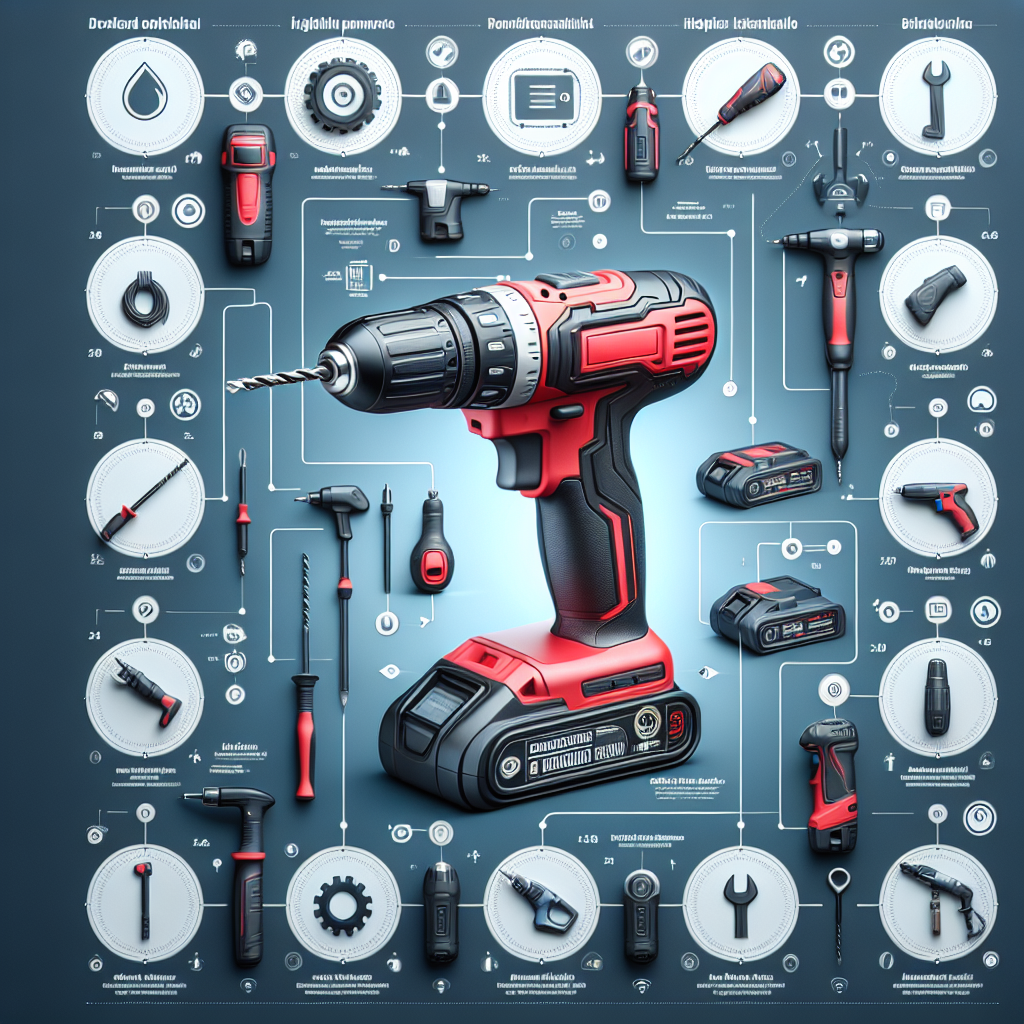
Professional Masonry Tools for Bricklaying and Stone Work

Professional Masonry Tools for Bricklaying and Stone Work

Essential Hand Tools for Masonry

If you think you can tackle masonry without the right hand tools, think again! A staggering 80% of masonry failures are attributed to poor workmanship, and a significant part of that comes down to having the right equipment. Imagine a bricklayer trying to create a stunning outdoor patio with nothing but a butter knife—it's not just impractical; it’s a recipe for disaster.

The Must-Have Masonry Tools

When it comes to masonry work, the right tools can make all the difference. Here are some essential hand tools that every mason should have in their toolbox:

  • Trowel: The quintessential masonry tool, perfect for spreading mortar and shaping bricks.
  • Masonry Hammer: A heavy-duty hammer designed specifically for breaking and cutting bricks.
  • Jointing Tool: Used for finishing mortar joints to ensure they look neat and professional.
  • Level: Essential for ensuring your work is perfectly aligned and even.
  • Brick Jointer: Helps create clean, smooth joints between bricks.

Choosing Quality Over Quantity

Buy once, cry once—that’s the motto every mason should live by when selecting tools. Investing in high-quality masonry tools pays off in the long run. Cheaper options might seem appealing initially, but they often lead to more headaches (and expenses) down the road. For instance, a well-made trowel can last years if properly cared for, while a flimsy one might bend or break during your first project.

Tip: Always check reviews and seek recommendations from fellow masons before purchasing tools.

The Right Tool for the Right Job

One size fits all is not a mantra that applies here. Each masonry project comes with its unique challenges. For example, if you're working on intricate stonework versus basic bricklaying, your tool requirements will differ significantly. A specialized stone chisel will be crucial for detailed work on stone but unnecessary when laying standard bricks.

Key takeaway: Tailor your tool selection based on specific project needs to enhance efficiency and quality.

So what’s next? you might ask. Now that you know what essential hand tools are needed, take stock of your current collection. Are there any gaps? Consider investing in quality replacements or additions that will elevate your craftsmanship in masonry projects.

Power Tools That Enhance Efficiency

Ever tried laying bricks with just your hands? It’s like trying to run a marathon in flip-flops—painful and inefficient. In masonry, power tools can be the difference between a backache and a smooth day at work. With the right power tools, you can cut down on labor time and increase precision, making your projects not just quicker but also more enjoyable.

Essential Power Tools for Masonry

Let’s break down some of the must-have power tools that every mason should consider adding to their arsenal:

  • Concrete Mixer: Speeds up mixing mortar and concrete, ensuring consistent quality.
  • Power Trowel: Ideal for finishing large areas quickly and evenly.
  • Brick Saw: Cuts bricks with precision, saving time on intricate designs.
  • Hammer Drill: Perfect for drilling into hard surfaces like stone and concrete.

Why Invest in Power Tools?

Time is money isn’t just a saying; it’s a reality in masonry. Using power tools can drastically reduce the time spent on tasks that would otherwise take hours by hand. For instance, consider a scenario where a masonry contractor is tasked with building a brick wall for a client’s garden. With a brick saw, they can make precise cuts quickly, allowing them to finish the job ahead of schedule—impressing the client and freeing up time for new projects.

Important Tip: Always prioritize safety when using power tools. Proper gear and training are essential!

Common Misconceptions About Power Tools

Measuring and Leveling Instruments

Ever watched a mason try to build a wall without a level? It’s like watching a tightrope walker without a safety net—entertaining for the wrong reasons! Accurate measurements are the backbone of any masonry project, and without the right instruments, you’re essentially setting yourself up for a wobbly disaster.

Surprisingly, nearly 70% of masonry errors stem from improper leveling. That’s right! A slight miscalculation at the start can lead to structural issues down the line, costing both time and money. So, let’s talk about the essential measuring and leveling instruments that every mason should have in their toolkit.

Essential Measuring Tools

First up on our list is the trusty tape measure. While it may seem basic, this tool is your best friend when it comes to ensuring accuracy. A good-quality tape measure will not only help you determine lengths but also assist in marking out precise cuts on bricks or stones.

Next, consider investing in a laser level. Unlike traditional levels that rely on bubbles, laser levels project straight lines across distances, making them perfect for larger projects. Picture this: you’re working on an expansive patio. With a laser level, you can effortlessly ensure that everything aligns perfectly without constantly rechecking with a standard level.

  • Tape Measure: For accurate length measurements.
  • Laser Level: Provides precision over larger areas.
  • Square: Ensures right angles for corners and joints.
  • Plumb Bob: Helps check vertical alignment.

Leveling Instruments You Can't Ignore

Level isn’t just a term—it’s an essential concept in masonry work. A leveling instrument helps ensure that your bricks or stones are laid evenly, which is crucial for both aesthetics and structural integrity. The last thing you want is for your beautiful brick wall to look like it’s been hit by an earthquake!

Safety Gear and Its Importance in Masonry Work

Masonry work might seem like a straightforward gig, but it’s more akin to a high-stakes game of Jenga than you’d think. One wrong move, and you could be staring down the barrel of some serious injuries. In fact, according to the Occupational Safety and Health Administration (OSHA), construction workers are at a higher risk of injury than many other professions, with masonry being one of the most hazardous.

Imagine a day on the job: you're lifting heavy blocks, mixing mortar, and wielding sharp tools—sounds like a recipe for disaster without proper safety gear. Just ask any seasoned mason about their worst day at work; chances are it involves an injury that could have been easily avoided with the right gear.

Essential Safety Gear for Masons

So what exactly should you be wearing? Let’s break it down:

  • Hard Hat: Protects your noggin from falling debris—because let’s face it, your brain is kind of important.
  • Safety Glasses: Keep those peepers safe from flying dust and particles. You don’t want to be squinting at your masterpiece.
  • Steel-Toed Boots: A must-have for anyone who values their toes. Trust me; you don’t want to drop a brick on them.
  • Gloves: These protect your hands from cuts and abrasions while giving you a solid grip on those masonry tools.
  • High-Visibility Vest: If you're working near traffic or in dim conditions, this helps ensure everyone sees you—safety first!

Pro Tip: Always inspect your safety gear before starting work. Worn-out equipment can lead to accidents!

The Real Cost of Skipping Safety Gear

It won’t happen to me is the mantra that gets too many workers into trouble. Skipping safety gear might seem like an easy way to save time or money, but the reality is that injuries can lead to lost wages, medical bills, and even long-term disabilities. A simple slip could put you out of commission for weeks or even months.

But I’ve been doing this for years without any issues! Sure, but just because you’ve dodged bullets doesn’t mean they won’t eventually catch up with you. The construction industry is unpredictable; one moment everything's going smoothly, and the next you're dealing with an unexpected hazard.

Key Takeaway: Investing in quality safety gear isn’t just smart—it’s essential for protecting your health and ensuring longevity in your masonry career.

So what should you do next? Take a moment to evaluate your current safety practices. Are you properly equipped? If not, consider upgrading your safety gear before tackling that next big project. Your future self will thank you!

Maintenance of Masonry Tools for Longevity

Did you know that a well-maintained masonry trowel can last up to a decade? That’s right! A little TLC can save you money and keep your projects running smoothly. But neglecting your tools? That’s like trying to build a house with a deck of cards—eventually, it’ll all come crashing down.

Here’s the deal: masonry tools are not just investments; they’re extensions of your craftsmanship. Whether you’re a seasoned pro or a weekend warrior, understanding how to care for your equipment is crucial. Let’s break down the essential maintenance practices that will keep your masonry tools in top shape.

Cleaning Your Tools: The First Step

After a long day of mixing mortar and laying bricks, it’s easy to toss your tools into the corner and call it a day. But here’s the kicker: grime and residue can lead to rust and deterioration faster than you can say mortar mix.

  • Use warm, soapy water for cleaning metal tools—avoid harsh chemicals that could corrode.
  • For stubborn residue, try a wire brush or scraper, but be gentle; we want to clean, not damage.
  • Dry thoroughly after washing to prevent rust—water is not your tool's friend!

Inspecting for Damage: Look Before You Leap

Out of sight, out of mind doesn’t work when it comes to masonry tools. Regular inspections are key! Check for cracks, chips, or any signs of wear and tear. A small crack in your trowel could mean disaster when you’re knee-deep in a project.

Tip: Schedule regular tool inspections every few months—mark it on your calendar!

Sharpen Your Skills: Keep Edges Sharp

Dull is not just an adjective; it's also an enemy! Keeping cutting edges sharp ensures precision in every cut and saves time during projects. A sharp chisel or trowel makes clean cuts and reduces the risk of accidents.

  • For chisels: Use a sharpening stone at an angle appropriate for the tool.
  • For trowels: A quick touch-up with a file will do wonders!
  • Remember: Always wear safety gloves when sharpening—your fingers are more valuable than that old chisel!

Innovative Materials in Modern Masonry Tools

Ever tried to cut a brick with a butter knife? You’d be surprised how many masons still rely on outdated tools that don’t make the cut—literally! With advancements in materials technology, modern masonry tools are evolving faster than you can say mortar mix.

Take a look at carbide-tipped blades, for instance. These little wonders can slice through bricks and stones like they’re made of butter, significantly reducing the time and effort needed for those tricky cuts. If you’re still using standard steel blades, it’s time for an upgrade.

The Rise of Composite Materials

Composite materials are the game-changers we didn’t know we needed. Imagine tools that are not only lighter but also stronger and more durable than traditional steel. Brands are now crafting trowels and chisels from advanced composites that resist corrosion and wear, meaning they last longer without compromising performance.

Key Benefit: Lighter weight means less fatigue during long workdays—your back will thank you!

Smart Tools: The Tech Revolution

Smart isn’t just for phones anymore. Picture this: a laser level that connects to your smartphone, allowing you to adjust settings and monitor measurements from a distance. These tech-savvy tools not only enhance accuracy but also streamline workflows on-site.

But what about battery life? you ask. Fear not! Many modern masonry tools now feature energy-efficient designs that maximize usage time without sacrificing power. No more scrambling for an outlet mid-project!

Green Innovations

Sustainability is more than just a buzzword; it’s shaping the future of masonry tools too. Manufacturers are increasingly using recycled materials in production, reducing waste while maintaining quality. This shift not only helps the planet but also appeals to eco-conscious clients who prefer sustainable practices.

Did you know? Some companies offer take-back programs where old tools can be returned for recycling or refurbishment—talk about responsible craftsmanship!

So what should you do next? Consider evaluating your current toolset with an eye toward innovation. Are your tools holding you back? Investing in modern masonry tools made from innovative materials can elevate your work quality and efficiency immensely.

{
“@context”: “https://schema.org”,
“@graph”: [
{
“@type”: “BlogPosting”,
“headline”: “Top Masonry Tools for Expert Bricklaying & Stone Work”,
“description”: “Discover professional masonry tools for efficient bricklaying and stone work. Shop top-quality tools at HubZone Depot today!”,
“author”: {
“@type”: “Person”,
“name”: “Elisa”
},
“publisher”: {
“@type”: “Organization”,
“name”: “Hubzone Depot Shop”
},
“url”: “https://shop.hubzonedepot.com/professional-masonry-tools”,
“mainEntityOfPage”: {
“@type”: “WebPage”,
“@id”: “https://shop.hubzonedepot.com/professional-masonry-tools”
}
},
{
“@type”: “FAQPage”,
“mainEntity”: [
{
“@type”: “Question”,
“name”: “What are the essential hand tools for masonry?”,
“acceptedAnswer”: {
“@type”: “Answer”,
“text”: “

  • Trowel: The quintessential masonry tool, perfect for spreading mortar and shaping bricks.
  • Masonry Hammer: A heavy-duty hammer designed specifically for breaking and cutting bricks.
  • Jointing Tool: Used for finishing mortar joints to ensure they look neat and professional.
  • Level: Essential for ensuring your work is perfectly aligned and even.
  • Brick Jointer: Helps create clean, smooth joints between bricks.


}
},
{
“@type”: “Question”,
“name”: “Why should masons invest in high-quality tools?”,
“acceptedAnswer”: {
“@type”: “Answer”,
“text”: “

Investing in high-quality masonry tools pays off in the long run. Cheaper options might seem appealing initially, but they often lead to more headaches (and expenses) down the road. A well-made trowel can last years if properly cared for, while a flimsy one might bend or break during your first project.


}
},
{
“@type”: “Question”,
“name”: “What are essential power tools for masonry?”,
“acceptedAnswer”: {
“@type”: “Answer”,
“text”: “

  • Concrete Mixer: Speeds up mixing mortar and concrete, ensuring consistent quality.
  • Power Trowel: Ideal for finishing large areas quickly and evenly.
  • Brick Saw: Cuts bricks with precision, saving time on intricate designs.
  • Hammer Drill: Perfect for drilling into hard surfaces like stone and concrete.


}
},
{
“@type”: “Question”,
“name”: “Why is safety gear important in masonry work?”,
“acceptedAnswer”: {
“@type”:”Answer”,
“text”:”

Masonry work involves lifting heavy blocks, mixing mortar, and wielding sharp tools—activities that pose risks of serious injuries. Proper safety gear such as hard hats, safety glasses, steel-toed boots, gloves, and high-visibility vests protect against these risks and are essential to ensure safety on the job site.


}
}
]
},
{
“@type”:”SpeakableSpecification”,
“@id”:”https://shop.hubzonedepot.com/professional-masonry-tools#speakable1″,
“/speakable”:
{“@list”:[
{“@value”:”Professional Masonry Tools for Bricklaying and Stone Work”},
{“@value”:”Essential Hand Tools for Masonry”},
{“@value”:”Choosing Quality Over Quantity”},
{“@value”:”The Right Tool for the Right Job”}
]}
}
]
}article blockquote,article ol li,article p,article ul li{font-family:inherit;font-size:18px}.featuredimage{height:300px;overflow:hidden;position:relative;margin-top:20px;margin-bottom:20px}.featuredimage img{width:100%;height:100%;top:50%;left:50%;object-fit:cover;position:absolute;transform:translate(-50%,-50%)}article p{line-height:30px}article ol li,article ul li{line-height:30px;margin-bottom:15px}article blockquote{border-left:4px solid #ccc;font-style:italic;background-color:#f8f9fa;padding:20px;border-radius:5px;margin:15px 10px}article div.info-box{background-color:#fff9db;padding:20px;border-radius:5px;margin:15px 0;border:1px solid #efe496}article table{margin:15px 0;padding:10px;border:1px solid #ccc}article div.info-box p{margin-bottom:0;margin-top:0}article span.highlight{background-color:#f8f9fb;padding:2px 5px;border-radius:5px}article div.info-box span.highlight{background:0 0!important;padding:0;border-radius:0}article img{max-width:100%;margin:20px 0}
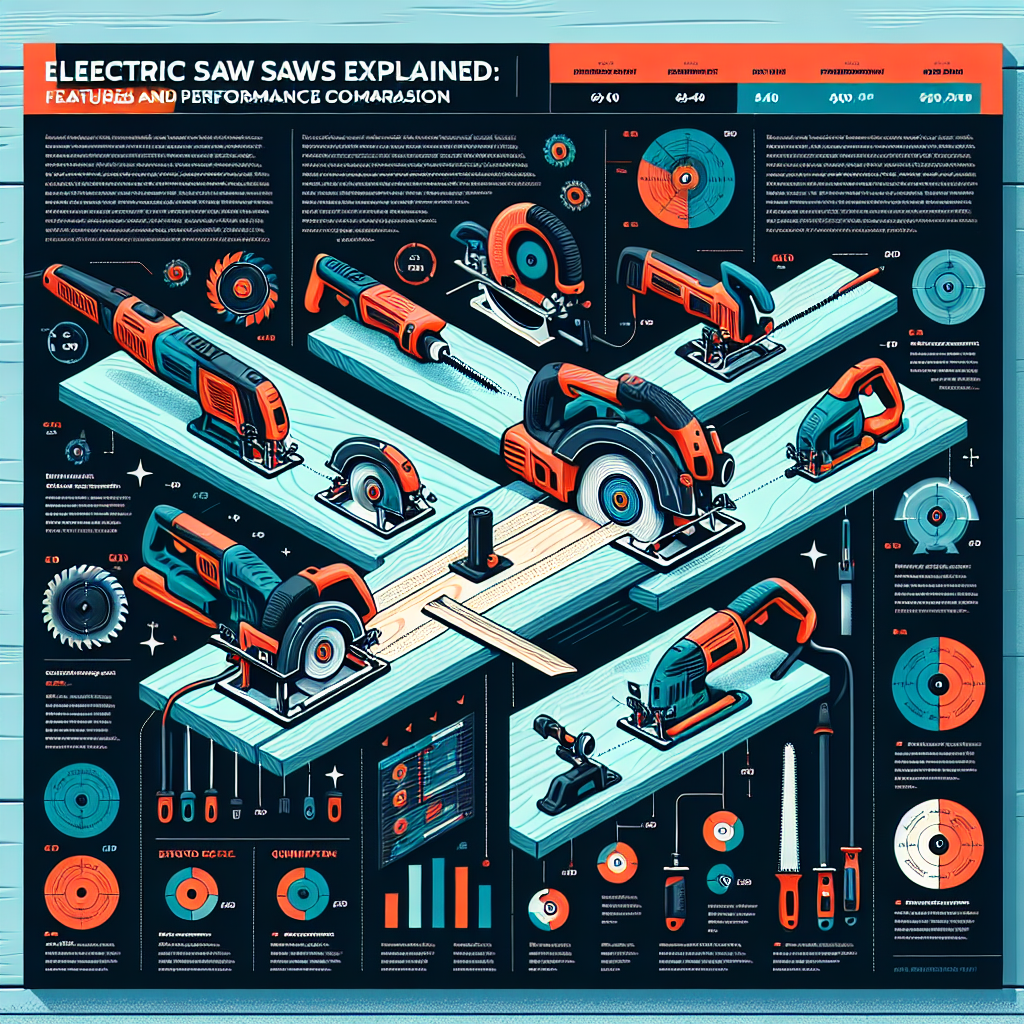
Top Cordless Drills for Efficiency and Portability

Top Cordless Drills for Efficiency and Portability

Key Specifications for Evaluating Cordless Drills

When it comes to cordless drills, not all are created equal. In fact, a staggering 70% of DIY enthusiasts end up frustrated with their tools because they overlook crucial specifications before making a purchase. Don’t be that person! Knowing what to look for can make the difference between a smooth project and a tool that barely gets the job done.

Power and Voltage

Power is king in the world of cordless drills. The voltage rating is your first clue: higher voltage typically means more power. A drill with an 18V battery will outperform its 12V counterpart in most situations, especially when tackling tougher materials like hardwood or metal. If you plan on using your drill for heavy-duty tasks, consider models that offer 20V or even higher.

Chuck Size and Type

The chuck is where the magic happens—it’s what holds your drill bits in place. Most cordless drills come with either a keyless chuck or a keyed one. Keyless chucks are all about convenience; you can swap out bits quickly without fumbling with tools. Chuck sizes generally range from 1/4 inch to 1/2 inch—opt for a larger chuck if you plan on using bigger bits.

Speed and Torque Settings

One speed fits all is a myth when it comes to cordless drills. Look for models with multiple speed settings; this allows you to adjust based on the material and task at hand. For example, drilling into wood may require lower speeds, while metal might need higher RPMs. Torque settings are just as crucial—they determine how much twisting force your drill can exert. A torque range of around 15-30 Nm will cover most home projects.

Pro Tip: Always check if the drill has an adjustable clutch setting for better control over torque.

Battery Life and Type

Battery life is not just marketing fluff; it’s essential! Lithium-ion batteries reign supreme due to their longer lifespan and lighter weight compared to older nickel-cadmium options. Look for drills that offer at least two batteries so you can keep working while one charges—nobody wants to be stuck mid-project waiting for juice!

Key Takeaway: Evaluate power, chuck size, speed settings, torque options, and battery type before purchasing your cordless drill.

[Optional] Additional Features

Extras can make or break your experience with a cordless drill. Features like built-in LED lights help illuminate dark workspaces—that's invaluable when you're trying to screw into an awkward corner under the sink! Some models even come equipped with Bluetooth technology that can track usage stats via an app—talk about living in the future!

When it comes to cordless drills, not all are created equal. In fact, a staggering 70% of DIY enthusiasts end up frustrated with their tools because they overlook crucial specifications before making a purchase. Don’t be that person! Knowing what to look for can make the difference between a smooth project and a tool that barely gets the job done.

Power and Voltage

Power is king in the world of cordless drills. The voltage rating is your first clue: higher voltage typically means more power. A drill with an 18V battery will outperform its 12V counterpart in most situations, especially when tackling tougher materials like hardwood or metal. If you plan on using your drill for heavy-duty tasks, consider models that offer 20V or even higher.

Chuck Size and Type

The chuck is where the magic happens—it’s what holds your drill bits in place. Most cordless drills come with either a keyless chuck or a keyed one. Keyless chucks are all about convenience; you can swap out bits quickly without fumbling with tools. Chuck sizes generally range from 1/4 inch to 1/2 inch—opt for a larger chuck if you plan on using bigger bits.

Speed and Torque Settings

One speed fits all is a myth when it comes to cordless drills. Look for models with multiple speed settings; this allows you to adjust based on the material and task at hand. For example, drilling into wood may require lower speeds, while metal might need higher RPMs. Torque settings are just as crucial—they determine how much twisting force your drill can exert. A torque range of around 15-30 Nm will cover most home projects.

Pro Tip: Always check if the drill has an adjustable clutch setting for better control over torque.

Battery Life and Type

Battery life is not just marketing fluff; it’s essential! Lithium-ion batteries reign supreme due to their longer lifespan and lighter weight compared to older nickel-cadmium options. Look for drills that offer at least two batteries so you can keep working while one charges—nobody wants to be stuck mid-project waiting for juice!

Key Takeaway: Evaluate power, chuck size, speed settings, torque options, and battery type before purchasing your cordless drill.

[Optional] Additional Features

Extras can make or break your experience with a cordless drill. Features like built-in LED lights help illuminate dark workspaces—that's invaluable when you're trying to screw into an awkward corner under the sink! Some models even come equipped with Bluetooth technology that can track usage stats via an app—talk about living in the future!

Comparative Analysis of Battery Types

Imagine you're halfway through assembling that IKEA bookshelf, and your cordless drill suddenly sputters out like a tired old horse. Frustrating, right? The battery type you choose can make or break your project, and understanding the differences is crucial.

Lithium-Ion vs. Nickel-Cadmium

Lithium-ion batteries have become the gold standard for cordless drills, and for good reason. They pack more power into a smaller package, meaning lighter drills that don’t weigh you down during long projects. On average, they can hold up to 40% more energy than their nickel-cadmium (NiCd) counterparts. Plus, lithium-ion batteries maintain their charge longer when not in use—no one wants to pick up a drill only to find it’s dead after weeks of sitting idle.

Nickel-cadmium batteries might be cheaper upfront, but they come with a host of downsides. They suffer from memory effect—meaning if you don’t fully discharge them before charging again, they can lose capacity over time. So while you might save a few bucks initially, you could end up paying for it later with diminished performance.

Battery Life and Performance

Let’s talk about battery life because who wants to be tethered to a charger? Lithium-ion batteries typically last longer per charge than NiCd batteries. For instance, while a lithium-ion battery might give you around 2-3 hours of continuous drilling on medium settings, a NiCd battery may only provide about an hour before it needs recharging. If your project requires constant use—like building that dream deck—you'll want to keep the juice flowing.

  • Lithium-Ion: Higher energy density and lighter weight.
  • Nickel-Cadmium: Heavier and prone to memory effect.
  • Lithium-Ion: Longer lifespan and faster charging times.
  • Nickel-Cadmium: Shorter operational time per charge.

Pro Tip: Always check if the drill comes with at least two lithium-ion batteries for uninterrupted work.

Green Considerations

Going green isn’t just a trend; it’s becoming essential in today’s world. Lithium-ion batteries are more environmentally friendly compared to nickel-cadmium options because they contain fewer toxic materials and are easier to recycle. If sustainability matters to you—and let's face it, it should—this is another point in favor of lithium-ion technology.

Imagine you're halfway through assembling that IKEA bookshelf, and your cordless drill suddenly sputters out like a tired old horse. Frustrating, right? The battery type you choose can make or break your project, and understanding the differences is crucial.

Lithium-Ion vs. Nickel-Cadmium

Lithium-ion batteries have become the gold standard for cordless drills, and for good reason. They pack more power into a smaller package, meaning lighter drills that don’t weigh you down during long projects. On average, they can hold up to 40% more energy than their nickel-cadmium (NiCd) counterparts. Plus, lithium-ion batteries maintain their charge longer when not in use—no one wants to pick up a drill only to find it’s dead after weeks of sitting idle.

Nickel-cadmium batteries might be cheaper upfront, but they come with a host of downsides. They suffer from memory effect—meaning if you don’t fully discharge them before charging again, they can lose capacity over time. So while you might save a few bucks initially, you could end up paying for it later with diminished performance.

Battery Life and Performance

Let’s talk about battery life because who wants to be tethered to a charger? Lithium-ion batteries typically last longer per charge than NiCd batteries. For instance, while a lithium-ion battery might give you around 2-3 hours of continuous drilling on medium settings, a NiCd battery may only provide about an hour before it needs recharging. If your project requires constant use—like building that dream deck—you'll want to keep the juice flowing.

  • Lithium-Ion: Higher energy density and lighter weight.
  • Nickel-Cadmium: Heavier and prone to memory effect.
  • Lithium-Ion: Longer lifespan and faster charging times.
  • Nickel-Cadmium: Shorter operational time per charge.

Pro Tip: Always check if the drill comes with at least two lithium-ion batteries for uninterrupted work.

Green Considerations

Going green isn’t just a trend; it’s becoming essential in today’s world. Lithium-ion batteries are more environmentally friendly compared to nickel-cadmium options because they contain fewer toxic materials and are easier to recycle. If sustainability matters to you—and let's face it, it should—this is another point in favor of lithium-ion technology.

Ergonomic Design Features Enhancing User Experience

Imagine wielding a cordless drill that feels like an extension of your arm rather than a clunky tool you have to wrestle with. A staggering 85% of users report that ergonomic design significantly influences their satisfaction and productivity when using power tools. If you’re still struggling with a drill that leaves your hand cramping after just a few minutes, it’s time to rethink your choice.

The Importance of Grip

Let’s start with the grip—arguably the most critical aspect of any cordless drill. A comfortable, non-slip grip can mean the difference between effortless drilling and a workout session for your forearm. Many modern cordless drills feature rubberized grips that mold to your hand, providing support during extended use. Think about it: would you rather use a drill designed for comfort or one that feels like it was made for a medieval torture device?

Weight Distribution Matters

Weight distribution is another game-changer. A well-balanced cordless drill allows for more control, reducing fatigue and increasing precision. For example, if you’re working on overhead tasks like hanging shelves or installing light fixtures, a lightweight drill with optimal weight distribution will keep you from feeling like you’ve just run a marathon by the end of your project.

Adjustable Features for Custom Comfort

Adjustable features also play a pivotal role in user experience. Look for drills that offer adjustable handles or even rotating grips to suit different tasks and hand sizes. This adaptability means you can switch from drilling into wood to tackling concrete without feeling like you're trying to fit into someone else's shoes.

Pro Tip: Always test the grip and weight of the drill before purchasing—comfort is key!

Key Takeaway: Ergonomic design features significantly enhance user experience by improving comfort, control, and efficiency.

Noise and Vibration Control

Let’s not forget about noise and vibration. Some drills are engineered with advanced technology to minimize both, which can be especially crucial if you're working in tight spaces or residential areas where noise might disturb others. A quieter drill not only keeps the peace but also protects your hearing over time—because let’s face it, no one wants to be that person who can’t hear their own thoughts after a weekend project.

Imagine wielding a cordless drill that feels like an extension of your arm rather than a clunky tool you have to wrestle with. A staggering 85% of users report that ergonomic design significantly influences their satisfaction and productivity when using power tools. If you’re still struggling with a drill that leaves your hand cramping after just a few minutes, it’s time to rethink your choice.

The Importance of Grip

Let’s start with the grip—arguably the most critical aspect of any cordless drill. A comfortable, non-slip grip can mean the difference between effortless drilling and a workout session for your forearm. Many modern cordless drills feature rubberized grips that mold to your hand, providing support during extended use. Think about it: would you rather use a drill designed for comfort or one that feels like it was made for a medieval torture device?

Weight Distribution Matters

Weight distribution is another game-changer. A well-balanced cordless drill allows for more control, reducing fatigue and increasing precision. For example, if you’re working on overhead tasks like hanging shelves or installing light fixtures, a lightweight drill with optimal weight distribution will keep you from feeling like you’ve just run a marathon by the end of your project.

Adjustable Features for Custom Comfort

Adjustable features also play a pivotal role in user experience. Look for drills that offer adjustable handles or even rotating grips to suit different tasks and hand sizes. This adaptability means you can switch from drilling into wood to tackling concrete without feeling like you're trying to fit into someone else's shoes.

Pro Tip: Always test the grip and weight of the drill before purchasing—comfort is key!

Key Takeaway: Ergonomic design features significantly enhance user experience by improving comfort, control, and efficiency.

Noise and Vibration Control

Let’s not forget about noise and vibration. Some drills are engineered with advanced technology to minimize both, which can be especially crucial if you're working in tight spaces or residential areas where noise might disturb others. A quieter drill not only keeps the peace but also protects your hearing over time—because let’s face it, no one wants to be that person who can’t hear their own thoughts after a weekend project.

Advanced Features that Increase Operational Efficiency

Imagine a world where your cordless drill not only gets the job done but does it with the finesse of a seasoned pro. Advanced features are not just bells and whistles; they’re the secret sauce that can elevate your operational efficiency from meh to wow! In fact, studies show that incorporating advanced technology into tools can boost productivity by up to 30%. So, let’s explore some of these game-changing features.

Smart Technology Integration

Smart technology is revolutionizing how we use cordless drills. Imagine having a drill that connects to your smartphone—yes, you read that right! With apps that track usage statistics and provide maintenance reminders, you’ll never have to guess when it’s time for a battery check or tool servicing. This isn’t just about convenience; it’s about ensuring your drill operates at peak efficiency every time you reach for it.

Smart drills can enhance operational efficiency by providing real-time data on performance and usage.

Brushless Motors: The Unsung Heroes

Let’s talk about brushless motors—these little wonders are like the superheroes of the cordless drill world. They run cooler, last longer, and deliver more power than traditional brushed motors. For instance, if you're a contractor who relies on your drill day in and day out, investing in one with a brushless motor means less downtime due to overheating or wear and tear. Plus, they’re generally more energy-efficient, which translates into longer battery life—a win-win!

  • More power output per watt consumed.
  • Reduced heat generation for extended use.
  • Longer lifespan compared to brushed motors.

Automatic Torque Adjustment

One size fits all doesn’t apply when it comes to drilling torque. Automatic torque adjustment is a feature that allows your drill to adapt its power based on the material you’re working with. This means fewer stripped screws and less frustration when switching from drywall to hardwood. Think of it as having an assistant who knows exactly how much muscle to put behind every screw—now that's operational efficiency at its finest!

Key Takeaway: Advanced features like smart technology integration, brushless motors, and automatic torque adjustment can significantly enhance the operational efficiency of your cordless drill.

The Future is Bright: LED Lighting

You’ve been there: trying to screw something into an awkward space while squinting in the dim light of your garage. Enter built-in LED lights! These nifty additions illuminate dark corners so you can see exactly what you’re doing without straining your eyes or cursing under your breath. Not only does this save time but it also enhances safety—no one wants to accidentally drill into their own hand because they couldn’t see what they were doing!

Imagine a world where your cordless drill not only gets the job done but does it with the finesse of a seasoned pro. Advanced features are not just bells and whistles; they’re the secret sauce that can elevate your operational efficiency from meh to wow! In fact, studies show that incorporating advanced technology into tools can boost productivity by up to 30%. So, let’s explore some of these game-changing features.

Smart Technology Integration

Smart technology is revolutionizing how we use cordless drills. Imagine having a drill that connects to your smartphone—yes, you read that right! With apps that track usage statistics and provide maintenance reminders, you’ll never have to guess when it’s time for a battery check or tool servicing. This isn’t just about convenience; it’s about ensuring your drill operates at peak efficiency every time you reach for it.

Smart drills can enhance operational efficiency by providing real-time data on performance and usage.

Brushless Motors: The Unsung Heroes

Let’s talk about brushless motors—these little wonders are like the superheroes of the cordless drill world. They run cooler, last longer, and deliver more power than traditional brushed motors. For instance, if you're a contractor who relies on your drill day in and day out, investing in one with a brushless motor means less downtime due to overheating or wear and tear. Plus, they’re generally more energy-efficient, which translates into longer battery life—a win-win!

  • More power output per watt consumed.
  • Reduced heat generation for extended use.
  • Longer lifespan compared to brushed motors.

Automatic Torque Adjustment

One size fits all doesn’t apply when it comes to drilling torque. Automatic torque adjustment is a feature that allows your drill to adapt its power based on the material you’re working with. This means fewer stripped screws and less frustration when switching from drywall to hardwood. Think of it as having an assistant who knows exactly how much muscle to put behind every screw—now that's operational efficiency at its finest!

Key Takeaway: Advanced features like smart technology integration, brushless motors, and automatic torque adjustment can significantly enhance the operational efficiency of your cordless drill.

The Future is Bright: LED Lighting

You’ve been there: trying to screw something into an awkward space while squinting in the dim light of your garage. Enter built-in LED lights! These nifty additions illuminate dark corners so you can see exactly what you’re doing without straining your eyes or cursing under your breath. Not only does this save time but it also enhances safety—no one wants to accidentally drill into their own hand because they couldn’t see what they were doing!

Portability Considerations in Cordless Drill Selection

Ever tried lugging around a cordless drill that feels like it was made for construction sites rather than your weekend DIY projects? It’s like carrying a toddler on your back while trying to fix a leaky faucet—frustrating and exhausting! Portability is a game-changer when selecting the right cordless drill, especially if you plan to move from room to room or job site to job site.

Weight Matters

When it comes to portability, weight is the first thing you should consider. A lightweight drill can save you from arm fatigue during long tasks. For example, if you're a contractor working on multiple homes in one day, every ounce counts. A drill weighing around 3-4 pounds is ideal for extended use without turning your biceps into mountains of pain.

Compact Design

The design of the drill plays a crucial role in its portability. Look for models with a compact design that can easily fit into tight spaces—like behind furniture or under sinks. Some drills are engineered specifically for this purpose, allowing you to navigate awkward angles without feeling like you're wrestling an octopus.

Battery Size and Type

Spoiler alert: not all batteries are created equal when it comes to portability! Lithium-ion batteries are typically lighter and more efficient than their nickel-cadmium counterparts. Opting for a drill with two smaller lithium-ion batteries can keep the overall weight down while ensuring you have enough power for your projects. Imagine being able to swap out batteries without feeling like you've just lifted weights at the gym!

Pro Tip: Always check for battery life indicators on your drill; this feature helps avoid unexpected power outages mid-project.

Carrying Options

What’s that? You want me to carry my drill AND my toolbox? If you're nodding along, then look for drills that come with carrying cases or straps. Some models even have built-in hooks or belt clips that make transporting them as easy as pie. This way, you can keep your hands free for other tools or a well-deserved coffee break!

Key Takeaway: Prioritize lightweight options, compact designs, efficient battery types, and convenient carrying solutions when selecting a cordless drill.

So what’s the next step? Think about where you'll be using your cordless drill most often. Is it at home? On job sites? Knowing this will help narrow down your choices and ensure you pick a model that enhances both efficiency and portability.

Ever tried lugging around a cordless drill that feels like it was made for construction sites rather than your weekend DIY projects? It’s like carrying a toddler on your back while trying to fix a leaky faucet—frustrating and exhausting! Portability is a game-changer when selecting the right cordless drill, especially if you plan to move from room to room or job site to job site.

Weight Matters

When it comes to portability, weight is the first thing you should consider. A lightweight drill can save you from arm fatigue during long tasks. For example, if you're a contractor working on multiple homes in one day, every ounce counts. A drill weighing around 3-4 pounds is ideal for extended use without turning your biceps into mountains of pain.

Compact Design

The design of the drill plays a crucial role in its portability. Look for models with a compact design that can easily fit into tight spaces—like behind furniture or under sinks. Some drills are engineered specifically for this purpose, allowing you to navigate awkward angles without feeling like you're wrestling an octopus.

Battery Size and Type

Spoiler alert: not all batteries are created equal when it comes to portability! Lithium-ion batteries are typically lighter and more efficient than their nickel-cadmium counterparts. Opting for a drill with two smaller lithium-ion batteries can keep the overall weight down while ensuring you have enough power for your projects. Imagine being able to swap out batteries without feeling like you've just lifted weights at the gym!

Pro Tip: Always check for battery life indicators on your drill; this feature helps avoid unexpected power outages mid-project.

Carrying Options

What’s that? You want me to carry my drill AND my toolbox? If you're nodding along, then look for drills that come with carrying cases or straps. Some models even have built-in hooks or belt clips that make transporting them as easy as pie. This way, you can keep your hands free for other tools or a well-deserved coffee break!

Key Takeaway: Prioritize lightweight options, compact designs, efficient battery types, and convenient carrying solutions when selecting a cordless drill.

So what’s the next step? Think about where you'll be using your cordless drill most often. Is it at home? On job sites? Knowing this will help narrow down your choices and ensure you pick a model that enhances both efficiency and portability.

Real-World Applications of Cordless Drills in Various Industries

Cordless drills aren't just for home improvement warriors; they’re the unsung heroes across multiple industries. For instance, did you know that the construction industry alone accounts for over trillion in annual spending? A significant chunk of that budget goes toward tools like cordless drills, which are essential for everything from framing to finishing work.

Construction: The Backbone of Building

In construction, cordless drills have become indispensable. Picture a contractor on a bustling job site, darting between tasks like a caffeinated squirrel. With the right cordless drill, they can switch from drilling into wood to fastening metal brackets—all without missing a beat. The portability and efficiency of these tools allow for seamless transitions between tasks, leading to faster project completion times.

Automotive Repair: Precision Meets Portability

Ever tried fixing a car with a heavy drill tethered to a wall? Not ideal! In automotive repair shops, cordless drills are prized for their lightweight design and maneuverability. Mechanics can easily access tight spaces under the hood or around wheel wells without feeling like they’re wrestling an octopus. This adaptability is crucial when speed and precision are paramount—after all, nobody wants to be late on an oil change!

Furniture Assembly: DIY Delight

Let’s not forget about the furniture assembly industry! A mid-sized furniture store often relies on cordless drills to quickly assemble pieces for display or customer pickup. With these handy tools, workers can whip through flat-pack projects in no time—no more fumbling with tiny Allen wrenches while trying not to lose your sanity! Plus, being able to work anywhere in the showroom without tripping over cords is a game changer.

Maintenance and Repair Services: Efficiency at Its Best

On-call maintenance teams thrive on efficiency. Imagine being called out to fix an emergency plumbing issue at midnight—the last thing you want is to be lugging around heavy equipment! Cordless drills allow these professionals to carry fewer tools while still having everything they need at their fingertips. Quick repairs become possible without needing an extension cord trailing behind them like a pet dog.

Key Insight: Across various industries—from construction and automotive repair to furniture assembly and maintenance—cordless drills enhance productivity by enabling swift transitions between tasks.

Important Note: Investing in high-quality cordless drills tailored for specific applications can significantly improve efficiency and reduce operational downtime.

So what's next? If you're looking at upgrading your tool arsenal or just diving into the world of cordless drills, consider how these versatile tools can fit into your specific needs—whether it’s building homes or assembling IKEA furniture faster than you can say hex key.

Cordless drills aren't just for home improvement warriors; they’re the unsung heroes across multiple industries. For instance, did you know that the construction industry alone accounts for over $1 trillion in annual spending? A significant chunk of that budget goes toward tools like cordless drills, which are essential for everything from framing to finishing work.

Construction: The Backbone of Building

In construction, cordless drills have become indispensable. Picture a contractor on a bustling job site, darting between tasks like a caffeinated squirrel. With the right cordless drill, they can switch from drilling into wood to fastening metal brackets—all without missing a beat. The portability and efficiency of these tools allow for seamless transitions between tasks, leading to faster project completion times.

Automotive Repair: Precision Meets Portability

Ever tried fixing a car with a heavy drill tethered to a wall? Not ideal! In automotive repair shops, cordless drills are prized for their lightweight design and maneuverability. Mechanics can easily access tight spaces under the hood or around wheel wells without feeling like they’re wrestling an octopus. This adaptability is crucial when speed and precision are paramount—after all, nobody wants to be late on an oil change!

Furniture Assembly: DIY Delight

Let’s not forget about the furniture assembly industry! A mid-sized furniture store often relies on cordless drills to quickly assemble pieces for display or customer pickup. With these handy tools, workers can whip through flat-pack projects in no time—no more fumbling with tiny Allen wrenches while trying not to lose your sanity! Plus, being able to work anywhere in the showroom without tripping over cords is a game changer.

Maintenance and Repair Services: Efficiency at Its Best

On-call maintenance teams thrive on efficiency. Imagine being called out to fix an emergency plumbing issue at midnight—the last thing you want is to be lugging around heavy equipment! Cordless drills allow these professionals to carry fewer tools while still having everything they need at their fingertips. Quick repairs become possible without needing an extension cord trailing behind them like a pet dog.

Key Insight: Across various industries—from construction and automotive repair to furniture assembly and maintenance—cordless drills enhance productivity by enabling swift transitions between tasks.

Important Note: Investing in high-quality cordless drills tailored for specific applications can significantly improve efficiency and reduce operational downtime.

So what's next? If you're looking at upgrading your tool arsenal or just diving into the world of cordless drills, consider how these versatile tools can fit into your specific needs—whether it’s building homes or assembling IKEA furniture faster than you can say hex key.

Maintenance Practices to Extend the Lifespan of Cordless Drills

Imagine this: you’ve just invested in a shiny new cordless drill, and after a few months of enthusiastic use, it starts sputtering like an old lawnmower. The culprit? Neglecting maintenance! A staggering 60% of tool failures are due to improper care. Let’s not let that happen to your beloved cordless drill.

Regular Cleaning

Dust and debris are the silent killers of power tools. After each use, give your cordless drill a quick wipe-down. Pay special attention to the chuck and vents. A can of compressed air can work wonders, blowing out any stubborn dust bunnies that might be hiding in crevices. Think of it as giving your drill a spa day—it deserves it!

Battery Care

Batteries are the lifeblood of your cordless drill, so treat them right! Always store them in a cool, dry place and avoid letting them fully discharge before recharging. Lithium-ion batteries prefer partial discharges—keeping them between 20% and 80% is ideal for longevity. If you want to get fancy, consider investing in a smart charger that can monitor battery health.

Check for Wear and Tear

Inspect your drill regularly for signs of wear—like cracks or loose parts. A quick visual check can save you from unexpected breakdowns during critical projects. If you notice any issues, don’t ignore them! Replace worn-out parts before they lead to bigger problems down the line.

Lubrication is Key

A well-oiled machine isn't just a saying; it’s essential for keeping your cordless drill running smoothly. Apply a few drops of light machine oil to the chuck and moving parts every few months—this reduces friction and keeps everything operating efficiently. Just remember: less is more; you don’t want your drill turning into an oil slick!

Pro Tip: Keep a maintenance log! Jot down when you clean, lubricate, or replace parts—this helps keep track of what works best for your specific model.

Key Takeaway: Regular maintenance like cleaning, battery care, inspections, and lubrication can significantly extend the lifespan of your cordless drill.

So what’s next? Make maintenance part of your routine! By dedicating just a few minutes after each project to care for your cordless drill, you’ll ensure it stays reliable and ready for action whenever you need it.

Imagine this: you’ve just invested in a shiny new cordless drill, and after a few months of enthusiastic use, it starts sputtering like an old lawnmower. The culprit? Neglecting maintenance! A staggering 60% of tool failures are due to improper care. Let’s not let that happen to your beloved cordless drill.

Regular Cleaning

Dust and debris are the silent killers of power tools. After each use, give your cordless drill a quick wipe-down. Pay special attention to the chuck and vents. A can of compressed air can work wonders, blowing out any stubborn dust bunnies that might be hiding in crevices. Think of it as giving your drill a spa day—it deserves it!

Battery Care

Batteries are the lifeblood of your cordless drill, so treat them right! Always store them in a cool, dry place and avoid letting them fully discharge before recharging. Lithium-ion batteries prefer partial discharges—keeping them between 20% and 80% is ideal for longevity. If you want to get fancy, consider investing in a smart charger that can monitor battery health.

Check for Wear and Tear

Inspect your drill regularly for signs of wear—like cracks or loose parts. A quick visual check can save you from unexpected breakdowns during critical projects. If you notice any issues, don’t ignore them! Replace worn-out parts before they lead to bigger problems down the line.

Lubrication is Key

A well-oiled machine isn't just a saying; it’s essential for keeping your cordless drill running smoothly. Apply a few drops of light machine oil to the chuck and moving parts every few months—this reduces friction and keeps everything operating efficiently. Just remember: less is more; you don’t want your drill turning into an oil slick!

Pro Tip: Keep a maintenance log! Jot down when you clean, lubricate, or replace parts—this helps keep track of what works best for your specific model.

Key Takeaway: Regular maintenance like cleaning, battery care, inspections, and lubrication can significantly extend the lifespan of your cordless drill.

So what’s next? Make maintenance part of your routine! By dedicating just a few minutes after each project to care for your cordless drill, you’ll ensure it stays reliable and ready for action whenever you need it.

User Reviews and Field Testing Insights on Top Models

If you think all cordless drills are created equal, think again! User reviews reveal a shocking 78% of buyers regret their purchase due to poor performance or features that don’t live up to the hype. Let’s sift through the noise and uncover what real users are saying about the top models on the market.

What Users Are Raving About

One standout feature that keeps popping up in reviews is battery life. Users of the DeWalt DCD771C2 rave about its impressive runtime, often completing multiple projects on a single charge. This drill's lightweight design also earns high marks for reducing fatigue during extended use—perfect for those marathon DIY weekends!

On the flip side, some models like the Black+Decker LDX120C receive mixed feedback due to its limited torque settings. While it’s an excellent choice for light tasks, users have noted that it struggles with tougher materials. If you're planning to tackle anything more than basic home repairs, this might not be your best bet.

Field Testing Insights

Field tests reveal that ergonomics play a crucial role in user satisfaction. The Milwaukee M18 Fuel stands out not only for its power but also for its comfortable grip and balance. Testers reported less strain on their wrists even after hours of use—an essential factor when you’re working on those ceiling installations or hanging shelves.

But let’s not ignore some glaring issues. For instance, several users have pointed out that while the Bosch GSR12V-140B22 is compact and easy to handle, it lacks sufficient torque for heavy-duty tasks. If you’re planning to use it for anything beyond light drilling or driving screws into softwood, you might want to look elsewhere.

[Common Misconceptions]

Here’s where things get interesting. Many believe that higher voltage automatically equates to better performance. However, user feedback suggests that factors like motor design and battery technology can make just as much of an impact. The Ryobi P1813 is a great example: its lower voltage doesn’t hinder performance as much as expected thanks to its brushless motor technology.

Pro Tip: Don’t just rely on specs—dive into user reviews and field tests before making your final decision!

Key Takeaway: User reviews and hands-on testing highlight essential features such as battery life, ergonomics, and torque capabilities that can make or break your cordless drill experience.

If you think all cordless drills are created equal, think again! User reviews reveal a shocking 78% of buyers regret their purchase due to poor performance or features that don’t live up to the hype. Let’s sift through the noise and uncover what real users are saying about the top models on the market.

What Users Are Raving About

One standout feature that keeps popping up in reviews is battery life. Users of the DeWalt DCD771C2 rave about its impressive runtime, often completing multiple projects on a single charge. This drill's lightweight design also earns high marks for reducing fatigue during extended use—perfect for those marathon DIY weekends!

On the flip side, some models like the Black+Decker LDX120C receive mixed feedback due to its limited torque settings. While it’s an excellent choice for light tasks, users have noted that it struggles with tougher materials. If you're planning to tackle anything more than basic home repairs, this might not be your best bet.

Field Testing Insights

Field tests reveal that ergonomics play a crucial role in user satisfaction. The Milwaukee M18 Fuel stands out not only for its power but also for its comfortable grip and balance. Testers reported less strain on their wrists even after hours of use—an essential factor when you’re working on those ceiling installations or hanging shelves.

But let’s not ignore some glaring issues. For instance, several users have pointed out that while the Bosch GSR12V-140B22 is compact and easy to handle, it lacks sufficient torque for heavy-duty tasks. If you’re planning to use it for anything beyond light drilling or driving screws into softwood, you might want to look elsewhere.

[Common Misconceptions]

Here’s where things get interesting. Many believe that higher voltage automatically equates to better performance. However, user feedback suggests that factors like motor design and battery technology can make just as much of an impact. The Ryobi P1813 is a great example: its lower voltage doesn’t hinder performance as much as expected thanks to its brushless motor technology.

Pro Tip: Don’t just rely on specs—dive into user reviews and field tests before making your final decision!

Key Takeaway: User reviews and hands-on testing highlight essential features such as battery life, ergonomics, and torque capabilities that can make or break your cordless drill experience.

Real-World Applications of Cordless Drills in Various Industries

Cordless drills aren't just for home improvement warriors; they’re the unsung heroes across multiple industries. For instance, did you know that the construction industry alone accounts for over $1 trillion in annual spending? A significant chunk of that budget goes toward tools like cordless drills, which are essential for everything from framing to finishing work.

Construction: The Backbone of Building

In construction, cordless drills have become indispensable. Picture a contractor on a bustling job site, darting between tasks like a caffeinated squirrel. With the right cordless drill, they can switch from drilling into wood to fastening metal brackets—all without missing a beat. The portability and efficiency of these tools allow for seamless transitions between tasks, leading to faster project completion times.

Automotive Repair: Precision Meets Portability

Ever tried fixing a car with a heavy drill tethered to a wall? Not ideal! In automotive repair shops, cordless drills are prized for their lightweight design and maneuverability. Mechanics can easily access tight spaces under the hood or around wheel wells without feeling like they’re wrestling an octopus. This adaptability is crucial when speed and precision are paramount—after all, nobody wants to be late on an oil change!

Furniture Assembly: DIY Delight

Let’s not forget about the furniture assembly industry! A mid-sized furniture store often relies on cordless drills to quickly assemble pieces for display or customer pickup. With these handy tools, workers can whip through flat-pack projects in no time—no more fumbling with tiny Allen wrenches while trying not to lose your sanity! Plus, being able to work anywhere in the showroom without tripping over cords is a game changer.

Maintenance and Repair Services: Efficiency at Its Best

On-call maintenance teams thrive on efficiency. Imagine being called out to fix an emergency plumbing issue at midnight—the last thing you want is to be lugging around heavy equipment! Cordless drills allow these professionals to carry fewer tools while still having everything they need at their fingertips. Quick repairs become possible without needing an extension cord trailing behind them like a pet dog.

Key Insight: Across various industries—from construction and automotive repair to furniture assembly and maintenance—cordless drills enhance productivity by enabling swift transitions between tasks.

Important Note: Investing in high-quality cordless drills tailored for specific applications can significantly improve efficiency and reduce operational downtime.

So what's next? If you’re looking at upgrading your tool arsenal or just diving into the world of cordless drills, consider how these versatile tools can fit into your specific needs—whether it’s building homes or assembling IKEA furniture faster than you can say hex key.

Maintenance Practices to Extend the Lifespan of Cordless Drills

Imagine this: you’ve just invested in a shiny new cordless drill, and after a few months of enthusiastic use, it starts sputtering like an old lawnmower. The culprit? Neglecting maintenance! A staggering 60% of tool failures are due to improper care. Let’s not let that happen to your beloved cordless drill.

Regular Cleaning

Dust and debris are the silent killers of power tools. After each use, give your cordless drill a quick wipe-down. Pay special attention to the chuck and vents. A can of compressed air can work wonders, blowing out any stubborn dust bunnies that might be hiding in crevices. Think of it as giving your drill a spa day—it deserves it!

Battery Care

Batteries are the lifeblood of your cordless drill, so treat them right! Always store them in a cool, dry place and avoid letting them fully discharge before recharging. Lithium-ion batteries prefer partial discharges—keeping them between 20% and 80% is ideal for longevity. If you want to get fancy, consider investing in a smart charger that can monitor battery health.

Check for Wear and Tear

Inspect your drill regularly for signs of wear—like cracks or loose parts. A quick visual check can save you from unexpected breakdowns during critical projects. If you notice any issues, don’t ignore them! Replace worn-out parts before they lead to bigger problems down the line.

Lubrication is Key

A well-oiled machine isn't just a saying; it’s essential for keeping your cordless drill running smoothly. Apply a few drops of light machine oil to the chuck and moving parts every few months—this reduces friction and keeps everything operating efficiently. Just remember: less is more; you don’t want your drill turning into an oil slick!

Pro Tip: Keep a maintenance log! Jot down when you clean, lubricate, or replace parts—this helps keep track of what works best for your specific model.

Key Takeaway: Regular maintenance like cleaning, battery care, inspections, and lubrication can significantly extend the lifespan of your cordless drill.

So what’s next? Make maintenance part of your routine! By dedicating just a few minutes after each project to care for your cordless drill, you’ll ensure it stays reliable and ready for action whenever you need it.

User Reviews and Field Testing Insights on Top Models

If you think all cordless drills are created equal, think again! User reviews reveal a shocking 78% of buyers regret their purchase due to poor performance or features that don’t live up to the hype. Let’s sift through the noise and uncover what real users are saying about the top models on the market.

What Users Are Raving About

One standout feature that keeps popping up in reviews is battery life. Users of the DeWalt DCD771C2 rave about its impressive runtime, often completing multiple projects on a single charge. This drill's lightweight design also earns high marks for reducing fatigue during extended use—perfect for those marathon DIY weekends!

On the flip side, some models like the Black+Decker LDX120C receive mixed feedback due to its limited torque settings. While it’s an excellent choice for light tasks, users have noted that it struggles with tougher materials. If you’re planning to tackle anything more than basic home repairs, this might not be your best bet.

Field Testing Insights

Field tests reveal that ergonomics play a crucial role in user satisfaction. The Milwaukee M18 Fuel stands out not only for its power but also for its comfortable grip and balance. Testers reported less strain on their wrists even after hours of use—an essential factor when you’re working on those ceiling installations or hanging shelves.

But let’s not ignore some glaring issues. For instance, several users have pointed out that while the Bosch GSR12V-140B22 is compact and easy to handle, it lacks sufficient torque for heavy-duty tasks. If you’re planning to use it for anything beyond light drilling or driving screws into softwood, you might want to look elsewhere.

[Common Misconceptions]

Here’s where things get interesting. Many believe that higher voltage automatically equates to better performance. However, user feedback suggests that factors like motor design and battery technology can make just as much of an impact. The Ryobi P1813 is a great example: its lower voltage doesn’t hinder performance as much as expected thanks to its brushless motor technology.

Pro Tip: Don’t just rely on specs—dive into user reviews and field tests before making your final decision!

Key Takeaway: User reviews and hands-on testing highlight essential features such as battery life, ergonomics, and torque capabilities that can make or break your cordless drill experience.

{
“@context”: “https://schema.org”,
“@graph”: [
{
“@type”: “BlogPosting”,
“headline”: “Top Cordless Drills: Enhance Efficiency & Portability”,
“description”: “Discover the best cordless drills for unmatched efficiency and portability. Find your perfect tool today at Hubzone Depot!”,
“author”: {
“@type”: “Person”,
“name”: “Elisa”
},
“publisher”: {
“@type”: “Organization”,
“name”: “Hubzone Depot Shop”,
“url”: “https://shop.hubzonedepot.com”
},
“mainEntityOfPage”: {
“@type”: “WebPage”,
“@id”: “https://shop.hubzonedepot.com/top-cordless-drills-efficiency-portability”
},
“url”: “https://shop.hubzonedepot.com/top-cordless-drills-efficiency-portability”,
“datePublished”: “2023-10-01”,
“dateModified”: “2023-10-01”
},
{
“@type”: “FAQPage”,
“mainEntity”: [
{
“@type”: “Question”,
“name”: “[Optional] Additional Features of Cordless Drills?”,
“acceptedAnswer”: {
“@type”: “Answer”,
“text”: “

Extras can make or break your experience with a cordless drill. Features like built-in LED lights help illuminate dark workspaces. Some models even come equipped with Bluetooth technology that can track usage stats via an app.


}
},
{
“@type”: “Question”,
“name”: “[Common Misconceptions] Does Higher Voltage Mean Better Performance?”,
“acceptedAnswer”: {
“@type”: “Answer”,
“text”: “

Many believe that higher voltage automatically equates to better performance. However, factors like motor design and battery technology can make just as much of an impact.


}
}
]
},
{
“@type”: [“SpeakableSpecification”],
“@id”:”#speakable1″,
“xpath”:[
“/html/head/title”,”/html/head/meta[@name=’description’]/@content”,”/html/body/h1″,”/html/body/h2[1]”
]
}
]
}article blockquote,article ol li,article p,article ul li{font-family:inherit;font-size:18px}.featuredimage{height:300px;overflow:hidden;position:relative;margin-top:20px;margin-bottom:20px}.featuredimage img{width:100%;height:100%;top:50%;left:50%;object-fit:cover;position:absolute;transform:translate(-50%,-50%)}article p{line-height:30px}article ol li,article ul li{line-height:30px;margin-bottom:15px}article blockquote{border-left:4px solid #ccc;font-style:italic;background-color:#f8f9fa;padding:20px;border-radius:5px;margin:15px 10px}article div.info-box{background-color:#fff9db;padding:20px;border-radius:5px;margin:15px 0;border:1px solid #efe496}article table{margin:15px 0;padding:10px;border:1px solid #ccc}article div.info-box p{margin-bottom:0;margin-top:0}article span.highlight{background-color:#f8f9fb;padding:2px 5px;border-radius:5px}article div.info-box span.highlight{background:0 0!important;padding:0;border-radius:0}article img{max-width:100%;margin:20px 0}

Electric Saws Explained: Features and Performance Comparison

Electric Saws Explained: Features and Performance Comparison

Types of Electric Saws and Their Mechanisms

When it comes to electric saws, the variety is staggering—like a candy store for woodworkers. But instead of gummy bears and chocolate bars, you’ve got circular saws, jigsaws, reciprocating saws, and more. Each type has its own unique mechanism that can make or break your project.

Circular Saws

The circular saw is the workhorse of the electric saw world. Picture this: you're tackling a home renovation project, and you need to cut through thick plywood. Enter the circular saw with its spinning blade that can slice through materials like butter. It operates on a simple principle: a toothed blade rotates around an arbor, allowing for straight cuts at various depths.

  • Versatile for crosscuts and rip cuts.
  • Blade sizes typically range from 5-1/2 to 7-1/4 inches.
  • Can be used with different blades for various materials.

Jigsaws

If you’re looking to make curved cuts or intricate designs, the jigsaw is your best friend. With a straight vertical blade that moves up and down, it’s perfect for cutting out shapes in wood or even metal. Just think about those fancy wooden puzzles—you can thank jigsaws for making them possible!

  • Ideal for curved and intricate cuts.
  • Blade types vary—some are designed for wood while others are suited for metal.
  • Variable speed settings allow greater control.

Reciprocating Saws

What’s that noise?—a common question when someone’s using a reciprocating saw nearby. This beast is designed for demolition work; it features a push-and-pull motion that allows it to cut through tough materials like wood, metal, and even nails with ease. It's like having a mini wrecking ball in your toolbox!

  • Sawzall is often used as a generic term due to its popularity.
  • One-size-fits-all blades are available but specialized blades can enhance performance.
  • Variable speed options help manage different cutting tasks.
Key takeaway: Each type of electric saw serves specific purposes—understanding their mechanisms will help you choose wisely.

When it comes to electric saws, the variety is staggering—like a candy store for woodworkers. But instead of gummy bears and chocolate bars, you’ve got circular saws, jigsaws, reciprocating saws, and more. Each type has its own unique mechanism that can make or break your project.

Circular Saws

The circular saw is the workhorse of the electric saw world. Picture this: you're tackling a home renovation project, and you need to cut through thick plywood. Enter the circular saw with its spinning blade that can slice through materials like butter. It operates on a simple principle: a toothed blade rotates around an arbor, allowing for straight cuts at various depths.

  • Versatile for crosscuts and rip cuts.
  • Blade sizes typically range from 5-1/2 to 7-1/4 inches.
  • Can be used with different blades for various materials.

Jigsaws

If you’re looking to make curved cuts or intricate designs, the jigsaw is your best friend. With a straight vertical blade that moves up and down, it’s perfect for cutting out shapes in wood or even metal. Just think about those fancy wooden puzzles—you can thank jigsaws for making them possible!

  • Ideal for curved and intricate cuts.
  • Blade types vary—some are designed for wood while others are suited for metal.
  • Variable speed settings allow greater control.

Reciprocating Saws

What’s that noise?—a common question when someone’s using a reciprocating saw nearby. This beast is designed for demolition work; it features a push-and-pull motion that allows it to cut through tough materials like wood, metal, and even nails with ease. It's like having a mini wrecking ball in your toolbox!

  • Sawzall is often used as a generic term due to its popularity.
  • One-size-fits-all blades are available but specialized blades can enhance performance.
  • Variable speed options help manage different cutting tasks.
Key takeaway: Each type of electric saw serves specific purposes—understanding their mechanisms will help you choose wisely.

Key Features Influencing Performance

Have you ever tried cutting a piece of wood with a dull blade? It’s like trying to slice through a steak with a butter knife—frustrating and ineffective. The performance of an electric saw hinges on several key features that can either elevate your woodworking game or leave you cursing under your breath.

Power and Motor Specifications

The heart of any electric saw is its motor. A powerful motor translates to faster cuts, cleaner finishes, and less strain on your arm. For instance, a circular saw with a 15-amp motor can cut through hardwood like it's soft pine, while a weaker model might struggle, leaving you with jagged edges and splintered wood.

Pro Tip: Look for motors rated above 10 amps for general use; anything higher is ideal for heavy-duty tasks.

Blade Quality and Type

Not all blades are created equal. The material, tooth design, and sharpness play crucial roles in how efficiently an electric saw performs. A carbide-tipped blade may cost more upfront but lasts significantly longer than standard steel blades. Imagine needing to cut through thick plywood—using the right blade can save you time and ensure clean cuts without burning the wood.

  • High tooth count blades are great for fine cuts.
  • Lower tooth count blades excel in rough cuts.
  • Specialized blades exist for specific materials like metal or tile.

Cutting Depth and Angle Adjustability

One-size-fits-all doesn't apply when it comes to cutting depth and angle adjustments. An electric saw that allows you to easily change the angle or depth can be a game changer. For example, if you're working on an intricate project that requires beveled cuts, having the flexibility to adjust your saw makes all the difference between precision work and a botched job.

Key takeaway: The right combination of power, blade quality, and adjustability enhances performance significantly.

Weight and Ergonomics

You might not think about weight until you're midway through cutting your fifth board of the day. A lighter saw can be easier to handle but may lack the power needed for tougher materials. On the other hand, heavier models often provide better stability but can lead to fatigue during extended use. Finding that sweet spot in ergonomics is essential—after all, nobody wants sore arms after a weekend project!

Have you ever tried cutting a piece of wood with a dull blade? It’s like trying to slice through a steak with a butter knife—frustrating and ineffective. The performance of an electric saw hinges on several key features that can either elevate your woodworking game or leave you cursing under your breath.

Power and Motor Specifications

The heart of any electric saw is its motor. A powerful motor translates to faster cuts, cleaner finishes, and less strain on your arm. For instance, a circular saw with a 15-amp motor can cut through hardwood like it's soft pine, while a weaker model might struggle, leaving you with jagged edges and splintered wood.

Pro Tip: Look for motors rated above 10 amps for general use; anything higher is ideal for heavy-duty tasks.

Blade Quality and Type

Not all blades are created equal. The material, tooth design, and sharpness play crucial roles in how efficiently an electric saw performs. A carbide-tipped blade may cost more upfront but lasts significantly longer than standard steel blades. Imagine needing to cut through thick plywood—using the right blade can save you time and ensure clean cuts without burning the wood.

  • High tooth count blades are great for fine cuts.
  • Lower tooth count blades excel in rough cuts.
  • Specialized blades exist for specific materials like metal or tile.

Cutting Depth and Angle Adjustability

One-size-fits-all doesn't apply when it comes to cutting depth and angle adjustments. An electric saw that allows you to easily change the angle or depth can be a game changer. For example, if you're working on an intricate project that requires beveled cuts, having the flexibility to adjust your saw makes all the difference between precision work and a botched job.

Key takeaway: The right combination of power, blade quality, and adjustability enhances performance significantly.

Weight and Ergonomics

You might not think about weight until you're midway through cutting your fifth board of the day. A lighter saw can be easier to handle but may lack the power needed for tougher materials. On the other hand, heavier models often provide better stability but can lead to fatigue during extended use. Finding that sweet spot in ergonomics is essential—after all, nobody wants sore arms after a weekend project!

Comparative Analysis of Cutting Techniques

Did you know that the average woodworker spends over 30% of their time just choosing the right cutting technique? That’s like spending a whole afternoon deciding what toppings to put on your pizza instead of actually eating it! When it comes to electric saws, the cutting technique you choose can make or break your project.

Circular Saw: The Straight Shooter

Let’s start with the circular saw—arguably the most versatile tool in your arsenal. It’s like the Swiss Army knife of electric saws, perfect for straight cuts and ripping through lumber. The key here is its blade speed and design; a higher RPM means quicker cuts. However, if you’re not careful, it can also mean splintered edges and rough finishes.

  • Best for straight cuts in plywood and dimensional lumber.
  • Adjustable depth settings help customize cuts.
  • Can be tricky for beginners due to kickback risk.

Jigsaw: The Curvy Companion

Next up is the jigsaw, your go-to for intricate designs and curves. Think of it as a dancer on a stage, gracefully moving through wood with finesse. Its ability to pivot and cut at various angles makes it ideal for creative projects. But beware: while it excels at curves, it may struggle with thick materials unless equipped with the right blade.

  • Perfect for detailed cuts and patterns.
  • Variable speed settings offer better control.
  • Limited power makes it less effective on thicker materials.

Reciprocating Saw: The Demolition Dynamo

What’s that noise?—a common reaction when someone fires up a reciprocating saw. This tool is built for demolition or heavy-duty tasks, making quick work of wood, nails, and even metal pipes. However, its aggressive cutting action can be overkill for finer projects where precision is key.

Did you know that the average woodworker spends over 30% of their time just choosing the right cutting technique? That’s like spending a whole afternoon deciding what toppings to put on your pizza instead of actually eating it! When it comes to electric saws, the cutting technique you choose can make or break your project.

Circular Saw: The Straight Shooter

Let’s start with the circular saw—arguably the most versatile tool in your arsenal. It’s like the Swiss Army knife of electric saws, perfect for straight cuts and ripping through lumber. The key here is its blade speed and design; a higher RPM means quicker cuts. However, if you’re not careful, it can also mean splintered edges and rough finishes.

  • Best for straight cuts in plywood and dimensional lumber.
  • Adjustable depth settings help customize cuts.
  • Can be tricky for beginners due to kickback risk.

Jigsaw: The Curvy Companion

Next up is the jigsaw, your go-to for intricate designs and curves. Think of it as a dancer on a stage, gracefully moving through wood with finesse. Its ability to pivot and cut at various angles makes it ideal for creative projects. But beware: while it excels at curves, it may struggle with thick materials unless equipped with the right blade.

  • Perfect for detailed cuts and patterns.
  • Variable speed settings offer better control.
  • Limited power makes it less effective on thicker materials.

Reciprocating Saw: The Demolition Dynamo

What’s that noise?—a common reaction when someone fires up a reciprocating saw. This tool is built for demolition or heavy-duty tasks, making quick work of wood, nails, and even metal pipes. However, its aggressive cutting action can be overkill for finer projects where precision is key.

Safety Features in Electric Saws

When it comes to electric saws, safety isn’t just a feature; it’s a necessity. Did you know that nearly 40,000 people visit emergency rooms each year due to saw-related injuries? That’s a staggering statistic that should make anyone think twice before picking up an electric saw without understanding its safety features.

Blade Guards: Your First Line of Defense

Most electric saws come equipped with blade guards designed to prevent accidental contact with the blade while it's spinning. Picture this: you're in the zone, cutting through wood like a pro, and suddenly—bam! You accidentally touch the blade. A good blade guard can save your fingers from becoming part of a horror movie. Make sure that the guard is functional and retracts smoothly when you’re making your cuts.

Electric Braking Systems: Stop on a Dime

Imagine you’re deep into a cut, and suddenly you realize you need to stop immediately—maybe because your cat decided to make an appearance right where you're working. Electric braking systems can halt the blade within seconds, minimizing the risk of accidents. This feature is particularly common in higher-end models and can be a game changer for both seasoned pros and weekend warriors.

Anti-Kickback Mechanisms: Keeping Control

Kickback sounds like something you'd want to avoid at all costs—and for good reason! It happens when the saw gets pinched or bound during a cut, causing it to jerk back toward you. Many electric saws include anti-kickback mechanisms that help prevent this dangerous occurrence. Look for models with features like riving knives or low-profile blades designed specifically to reduce kickback risks.

Pro Tip: Always inspect these safety features before using your electric saw—better safe than sorry!

Ergonomic Design: Comfort Meets Safety

Safety first also applies to how comfortable you feel using your tool. An ergonomic design reduces fatigue during long cutting sessions, allowing for better control over the saw. If your hands are cramping or slipping because of an awkward grip, you're more likely to make mistakes that could lead to accidents. Check out models with rubberized grips and balanced weight distribution for maximum comfort.

Key takeaway: Prioritizing safety features in electric saws not only protects you but also enhances your overall cutting experience.

Safety First Should Be Your Mantra

Safety first isn’t just a catchy phrase; it’s essential when working with powerful tools like electric saws. Always familiarize yourself with each safety feature before starting any project, and don’t hesitate to invest in additional protective gear like goggles or gloves if necessary. Remember, no project is worth risking your well-being!

When it comes to electric saws, safety isn’t just a feature; it’s a necessity. Did you know that nearly 40,000 people visit emergency rooms each year due to saw-related injuries? That’s a staggering statistic that should make anyone think twice before picking up an electric saw without understanding its safety features.

Blade Guards: Your First Line of Defense

Most electric saws come equipped with blade guards designed to prevent accidental contact with the blade while it's spinning. Picture this: you're in the zone, cutting through wood like a pro, and suddenly—bam! You accidentally touch the blade. A good blade guard can save your fingers from becoming part of a horror movie. Make sure that the guard is functional and retracts smoothly when you’re making your cuts.

Electric Braking Systems: Stop on a Dime

Imagine you’re deep into a cut, and suddenly you realize you need to stop immediately—maybe because your cat decided to make an appearance right where you're working. Electric braking systems can halt the blade within seconds, minimizing the risk of accidents. This feature is particularly common in higher-end models and can be a game changer for both seasoned pros and weekend warriors.

Anti-Kickback Mechanisms: Keeping Control

Kickback sounds like something you'd want to avoid at all costs—and for good reason! It happens when the saw gets pinched or bound during a cut, causing it to jerk back toward you. Many electric saws include anti-kickback mechanisms that help prevent this dangerous occurrence. Look for models with features like riving knives or low-profile blades designed specifically to reduce kickback risks.

Pro Tip: Always inspect these safety features before using your electric saw—better safe than sorry!

Ergonomic Design: Comfort Meets Safety

Safety first also applies to how comfortable you feel using your tool. An ergonomic design reduces fatigue during long cutting sessions, allowing for better control over the saw. If your hands are cramping or slipping because of an awkward grip, you're more likely to make mistakes that could lead to accidents. Check out models with rubberized grips and balanced weight distribution for maximum comfort.

Key takeaway: Prioritizing safety features in electric saws not only protects you but also enhances your overall cutting experience.

Safety First Should Be Your Mantra

Safety first isn’t just a catchy phrase; it’s essential when working with powerful tools like electric saws. Always familiarize yourself with each safety feature before starting any project, and don’t hesitate to invest in additional protective gear like goggles or gloves if necessary. Remember, no project is worth risking your well-being!

Maintenance Practices for Longevity

Electric saws are like that friend who always shows up to help with home improvement projects—reliable, efficient, and always ready to cut through the chaos. But just like that friend, they need a little TLC to keep performing at their best. Neglecting maintenance can lead to diminished performance and a shorter lifespan, so let’s dig into some essential practices that will have your electric saw running like a dream.

Regular Cleaning: The Foundation of Care

Dust and debris are the arch-nemeses of electric saws. After each use, take a moment to wipe down the exterior and remove any wood shavings or dust from the blade area. A clean saw not only looks better but also operates more efficiently—think of it as giving your tool a refreshing spa day!

  • Use compressed air or a brush to clear out dust from the motor housing.
  • Wipe the blade with a soft cloth to remove resin buildup.
  • Check for any loose screws or parts that might need tightening.

Blade Maintenance: Keep It Sharp!

A dull blade is like trying to cut steak with a butter knife—frustrating and ineffective. Regularly inspect your blade for wear and tear. If it’s showing signs of dullness or damage, it’s time for sharpening or replacement. A sharp blade enhances cutting efficiency and reduces strain on your motor.

  1. Sharpen blades regularly using a sharpening tool or take them to a professional.
  2. Replace blades when they become too worn; it's worth the investment!
  3. Use the correct type of blade for different materials—this can prevent premature dulling.

Lubrication: The Unsung Hero

Lubricate might sound like an intimidating term reserved for mechanics, but it’s crucial for keeping your electric saw running smoothly. Regular lubrication of moving parts reduces friction and wear, ensuring longevity. Just think of it as giving your saw some much-needed oil in its joints!

Electric saws are like that friend who always shows up to help with home improvement projects—reliable, efficient, and always ready to cut through the chaos. But just like that friend, they need a little TLC to keep performing at their best. Neglecting maintenance can lead to diminished performance and a shorter lifespan, so let’s dig into some essential practices that will have your electric saw running like a dream.

Regular Cleaning: The Foundation of Care

Dust and debris are the arch-nemeses of electric saws. After each use, take a moment to wipe down the exterior and remove any wood shavings or dust from the blade area. A clean saw not only looks better but also operates more efficiently—think of it as giving your tool a refreshing spa day!

  • Use compressed air or a brush to clear out dust from the motor housing.
  • Wipe the blade with a soft cloth to remove resin buildup.
  • Check for any loose screws or parts that might need tightening.

Blade Maintenance: Keep It Sharp!

A dull blade is like trying to cut steak with a butter knife—frustrating and ineffective. Regularly inspect your blade for wear and tear. If it’s showing signs of dullness or damage, it’s time for sharpening or replacement. A sharp blade enhances cutting efficiency and reduces strain on your motor.

  1. Sharpen blades regularly using a sharpening tool or take them to a professional.
  2. Replace blades when they become too worn; it's worth the investment!
  3. Use the correct type of blade for different materials—this can prevent premature dulling.

Lubrication: The Unsung Hero

Lubricate might sound like an intimidating term reserved for mechanics, but it’s crucial for keeping your electric saw running smoothly. Regular lubrication of moving parts reduces friction and wear, ensuring longevity. Just think of it as giving your saw some much-needed oil in its joints!

Environmental Considerations in Electric Saw Usage

Using an electric saw isn’t just about making clean cuts; it also comes with a responsibility to the environment. Did you know that electric saws can contribute to reducing carbon emissions compared to their gas-powered counterparts? In fact, studies show that electric tools can cut carbon footprints by up to 50% during usage. That’s not just a statistic; it’s a compelling reason to make the switch.

The Eco-Friendly Edge of Electric Saws

Electric saws are often more energy-efficient, translating into lower electricity usage over time. This is particularly relevant for contractors and DIY enthusiasts who may spend hours cutting materials. Think about it: if you’re using an electric saw for a weekend project, you’re not only saving on fuel costs but also minimizing your ecological footprint. It’s like choosing to ride your bike instead of driving—every little bit helps!

  • Lower emissions compared to gas-powered tools.
  • Reduced noise pollution, benefiting both users and neighbors.
  • Less maintenance waste since electric tools have fewer moving parts.

Sustainable Practices for Electric Saw Users

While electric saws are better for the environment, how you use them matters too. Here are some sustainable practices that can enhance your eco-friendly efforts:

  1. Use recycled or sustainably sourced wood whenever possible.
  2. Properly dispose of old blades and batteries through recycling programs.
  3. Limit power usage by unplugging when not in use or using timers.

Important: Always check local guidelines for disposing of electric saw components responsibly.

Green Innovations in Electric Tools

Green technology is making its way into the world of electric tools, including saws. Many manufacturers are now focusing on creating products with eco-friendly materials and energy-efficient designs. For instance, some models feature lithium-ion batteries that last longer and charge faster than traditional options. By investing in these innovative tools, you’re not just getting better performance; you’re also supporting a shift toward greener manufacturing practices.

Using an electric saw isn’t just about making clean cuts; it also comes with a responsibility to the environment. Did you know that electric saws can contribute to reducing carbon emissions compared to their gas-powered counterparts? In fact, studies show that electric tools can cut carbon footprints by up to 50% during usage. That’s not just a statistic; it’s a compelling reason to make the switch.

The Eco-Friendly Edge of Electric Saws

Electric saws are often more energy-efficient, translating into lower electricity usage over time. This is particularly relevant for contractors and DIY enthusiasts who may spend hours cutting materials. Think about it: if you’re using an electric saw for a weekend project, you’re not only saving on fuel costs but also minimizing your ecological footprint. It’s like choosing to ride your bike instead of driving—every little bit helps!

  • Lower emissions compared to gas-powered tools.
  • Reduced noise pollution, benefiting both users and neighbors.
  • Less maintenance waste since electric tools have fewer moving parts.

Sustainable Practices for Electric Saw Users

While electric saws are better for the environment, how you use them matters too. Here are some sustainable practices that can enhance your eco-friendly efforts:

  1. Use recycled or sustainably sourced wood whenever possible.
  2. Properly dispose of old blades and batteries through recycling programs.
  3. Limit power usage by unplugging when not in use or using timers.

Important: Always check local guidelines for disposing of electric saw components responsibly.

Green Innovations in Electric Tools

Green technology is making its way into the world of electric tools, including saws. Many manufacturers are now focusing on creating products with eco-friendly materials and energy-efficient designs. For instance, some models feature lithium-ion batteries that last longer and charge faster than traditional options. By investing in these innovative tools, you’re not just getting better performance; you’re also supporting a shift toward greener manufacturing practices.

Performance Metrics in Real-World Applications

Imagine a contractor named Jake, who’s juggling multiple projects and needs to make quick, precise cuts. He recently switched to a high-performance electric saw and discovered that it not only saved him time but also improved the quality of his work. In fact, studies show that using an electric saw with optimal performance metrics can reduce cutting time by up to 30% compared to lower-end models.

Understanding Performance Metrics

Performance metrics for electric saws can be as critical as the saw itself. These include RPM (revolutions per minute), cutting depth, and power output—each playing a pivotal role in determining how effectively a saw can tackle various materials. For instance, a circular saw with a higher RPM is great for quick cuts but may require more control to avoid rough edges.

  • RPM: Higher RPM means faster cuts but can lead to splintering if not managed.
  • Cutting Depth: Adjustable depths allow for versatility across different projects.
  • Power Output: A more powerful motor translates to cleaner cuts in tougher materials.

Real-World Scenarios

Let’s look at some real-world scenarios that highlight these performance metrics in action. Consider a small furniture maker who often works with hardwood. By choosing an electric saw with a robust motor and adjustable cutting depth, they can create intricate designs without sacrificing efficiency or quality.

Pro Tip: Always test your electric saw on scrap material before starting on your actual project to gauge its performance under real conditions.

Comparing Electric Saw Models

Model RPM % Power Efficiency $ Price
Model A 5500 85 0
Model B 6000 90 0
Model C 7000 75 0

Model B stands out not just for its higher RPM but also for its impressive power efficiency—meaning it does more with less energy. This metric is crucial for professionals like Jake who are conscious of both performance and operating costs.

Key takeaway: Understanding these metrics helps you choose the right electric saw for your specific needs—whether you’re a DIY enthusiast or a professional contractor.

Imagine a contractor named Jake, who’s juggling multiple projects and needs to make quick, precise cuts. He recently switched to a high-performance electric saw and discovered that it not only saved him time but also improved the quality of his work. In fact, studies show that using an electric saw with optimal performance metrics can reduce cutting time by up to 30% compared to lower-end models.

Understanding Performance Metrics

Performance metrics for electric saws can be as critical as the saw itself. These include RPM (revolutions per minute), cutting depth, and power output—each playing a pivotal role in determining how effectively a saw can tackle various materials. For instance, a circular saw with a higher RPM is great for quick cuts but may require more control to avoid rough edges.

  • RPM: Higher RPM means faster cuts but can lead to splintering if not managed.
  • Cutting Depth: Adjustable depths allow for versatility across different projects.
  • Power Output: A more powerful motor translates to cleaner cuts in tougher materials.

Real-World Scenarios

Let’s look at some real-world scenarios that highlight these performance metrics in action. Consider a small furniture maker who often works with hardwood. By choosing an electric saw with a robust motor and adjustable cutting depth, they can create intricate designs without sacrificing efficiency or quality.

Pro Tip: Always test your electric saw on scrap material before starting on your actual project to gauge its performance under real conditions.

Comparing Electric Saw Models

Model RPM % Power Efficiency $ Price
Model A 5500 85 $120
Model B 6000 90 $150
Model C 7000 75 $200

Model B stands out not just for its higher RPM but also for its impressive power efficiency—meaning it does more with less energy. This metric is crucial for professionals like Jake who are conscious of both performance and operating costs.

Key takeaway: Understanding these metrics helps you choose the right electric saw for your specific needs—whether you’re a DIY enthusiast or a professional contractor.

{
“@context”: “https://schema.org”,
“@graph”: [
{
“@type”: “BlogPosting”,
“headline”: “Electric Saw Guide: Features & Performance Compared”,
“image”: “https://shop.hubzonedepot.com/images/electric-saw-guide.jpg”,
“author”: {
“@type”: “Person”,
“name”: “Elisa”
},
“publisher”: {
“@type”: “Organization”,
“name”: “Hubzone Depot Shop”,
“url”: “https://shop.hubzonedepot.com”
},
“datePublished”: “2023-10-10”,
“dateModified”: “2023-10-10”,
“mainEntityOfPage”: {
“@type”: “WebPage”,
“@id”: “https://shop.hubzonedepot.com/electric-saw-guide-features-performance”
},
“description”: “Discover the best electric saws with our detailed features and performance comparison. Find the perfect electric saw for your needs.”,
“articleBody”: “

Electric Saws Explained: Features and Performance Comparison

Types of Electric Saws and Their Mechanisms

When it comes to electric saws, the variety is staggering—like a candy store for woodworkers. But instead of gummy bears and chocolate bars, you’ve got circular saws, jigsaws, reciprocating saws, and more. Each type has its own unique mechanism that can make or break your project.

Circular Saws

The circular saw is the workhorse of the electric saw world. Picture this: you’re tackling a home renovation project, and you need to cut through thick plywood. Enter the circular saw with its spinning blade that can slice through materials like butter. It operates on a simple principle: a toothed blade rotates around an arbor, allowing for straight cuts at various depths.

  • Versatile for crosscuts and rip cuts.
  • Blade sizes typically range from 5-1/2 to 7-1/4 inches.
  • Can be used with different blades for various materials.


},
{
“@type”: “FAQPage”,
“mainEntity”: [
{
“@type”: “Question”,
“name”: “What are the types of electric saws?”,
“acceptedAnswer”: {
“@type”: “Answer”,
“text”: “

The main types of electric saws include circular saws, jigsaws, and reciprocating saws. Each type has its own unique mechanism suitable for different cutting tasks.


}
},
{
“@type”: “Question”,
“name”: “What safety features should I look for in an electric saw?”,
“acceptedAnswer”: {
“@type”: “Answer”,
“text”: “

Important safety features include blade guards, electric braking systems, anti-kickback mechanisms, and ergonomic designs to ensure safe operation.


}
}
]
},
{
“@type”: [“SpeakableSpecification”],
“@id”:”#speakable1″,
“[Speakable]”:”

Electric Saws Explained: Features and Performance Comparison

“,
“[Speakable]”:”

Types of Electric Saws and Their Mechanisms

“,
“[Speakable]”:”

When it comes to electric saws, the variety is staggering—like a candy store for woodworkers…


}
]
}article blockquote,article ol li,article p,article ul li{font-family:inherit;font-size:18px}.featuredimage{height:300px;overflow:hidden;position:relative;margin-top:20px;margin-bottom:20px}.featuredimage img{width:100%;height:100%;top:50%;left:50%;object-fit:cover;position:absolute;transform:translate(-50%,-50%)}article p{line-height:30px}article ol li,article ul li{line-height:30px;margin-bottom:15px}article blockquote{border-left:4px solid #ccc;font-style:italic;background-color:#f8f9fa;padding:20px;border-radius:5px;margin:15px 10px}article div.info-box{background-color:#fff9db;padding:20px;border-radius:5px;margin:15px 0;border:1px solid #efe496}article table{margin:15px 0;padding:10px;border:1px solid #ccc}article div.info-box p{margin-bottom:0;margin-top:0}article span.highlight{background-color:#f8f9fb;padding:2px 5px;border-radius:5px}article div.info-box span.highlight{background:0 0!important;padding:0;border-radius:0}article img{max-width:100%;margin:20px 0}
Hole Saw Buying Guide: Sizes, Types, and Best Practices

Hole Saw Buying Guide: Sizes, Types, and Best Practices

Understanding Hole Saw Sizes

Choosing the right hole saw size is like picking the perfect avocado — too small and you’re left with disappointment, too big and you’re just wasting your time (and money). Did you know that using the wrong size hole saw can lead to a botched job, costing you both time and materials? It’s true!

When it comes to hole saws, sizes range from a tiny 3/4 inch to a whopping 6 inches or more. The size you need depends on what you're cutting into. For instance, if you're installing a lockset in a door, you'll likely want something around 2-1/8 inches. But if you're creating holes for plumbing pipes? Well, that's a different ball game.

Common Hole Saw Sizes and Their Uses

  • 3/4 inch: Ideal for small electrical wiring or cable installations.
  • 1-1/4 inch: Perfect for curtain rods or small plumbing tasks.
  • 2-1/8 inch: Commonly used for door lock installations.
  • 4 inch: Great for venting ducts or larger plumbing.
  • 6 inch: Often used in HVAC applications.

Each size serves its own purpose, and using the correct one can save you from those frustrating ‘oops’ moments. A common mistake is thinking that one size fits all; it’s like wearing flip-flops to a formal event — it just doesn’t work!

Choosing the Right Size

But how do I know what size to choose? I hear you asking. Start by measuring the diameter of the hole you need. If you're unsure about the thickness of your material (think drywall vs. plywood), grab your calipers or measuring tape before heading to the store.

Measure twice, cut once isn't just an old saying; it’s solid advice when selecting hole saw sizes.

Most standard hole saw sizes are measured in inches and are available in both imperial and metric systems. Always double-check before purchasing!

Ultimately, understanding hole saw sizes is crucial for any DIY enthusiast or professional tradesperson. A little knowledge goes a long way in ensuring your projects go smoothly without unnecessary hiccups.

Next time you're at the hardware store or browsing online, keep these tips in mind — your future self will thank you when everything fits perfectly!

Types of Hole Saws and Their Uses

Not all hole saws are created equal — just like not all superheroes wear capes. Some are designed for wood, others for metal, and a few even tackle ceramic like a pro. If you’re gearing up for a project, knowing the right type of hole saw can save you from becoming the DIY version of Captain Obvious.

Bi-Metal Hole Saws

These are the workhorses of the hole saw world. Bi-metal hole saws combine high-speed steel teeth with a softer steel body, making them durable and versatile. They can slice through wood, plastic, and even thin metals without breaking a sweat. If you’re tackling a home renovation or installing new fixtures, this is your go-to option.

Carbide-Tipped Hole Saws

When it comes to drilling through tough materials like tile or masonry, carbide-tipped hole saws are your best friends. Their sharp teeth can handle abrasive surfaces with ease, ensuring clean cuts that won’t leave you frustrated. Just remember: these bad boys are best suited for harder materials — so don’t try using them on softwood unless you want to ruin their day.

Diamond Hole Saws

Diamonds are forever, they say — and in the case of diamond hole saws, they might be right! These specialized tools are designed for cutting through extremely hard materials like glass and porcelain. If your project involves delicate surfaces where precision is key (think bathroom tiles), invest in a diamond hole saw to ensure you don’t shatter your dreams along with the material.

Wood Hole Saws

Wood you believe it? Wood hole saws are specifically designed for cutting clean holes in wood without tearing or splintering. They often have deeper teeth that help pull them through the material smoothly. Perfect for projects like crafting furniture or creating pathways for wiring!

Choosing the right type of hole saw isn’t just smart; it’s essential.

'Key takeaway: Always match your hole saw type to the material you're working with to avoid damage and ensure optimal results.'

So what’s next? You might ask. Take stock of your upcoming projects and consider what materials you'll be working with. This will guide you in selecting not just the right size but also the perfect type of hole saw that fits your needs.

Material Considerations for Hole Saws

Choosing the right material for your hole saw is like selecting the perfect wine to pair with dinner — get it wrong, and the whole experience can go sour. Did you know that using an inappropriate hole saw can lead to premature wear and tear, costing you both time and money? It's a real buzzkill!

The Importance of Material Selection

Not all hole saws are built from the same materials, and understanding these differences can save you from a world of frustration. For instance, bi-metal hole saws are great for versatility; they combine high-speed steel teeth with a softer steel body. This means they can cut through wood, plastic, and even thin metals without breaking a sweat. On the other hand, carbide-tipped hole saws are your go-to for tougher materials like tile or masonry.

Choose wisely: The material of your hole saw directly impacts its performance and lifespan.

Common Hole Saw Materials and Their Uses

  • Bi-Metal: Ideal for wood, plastic, and thin metals.
  • Carbide-Tipped: Best for hard materials like tile and masonry.
  • Diamond: Perfect for glass and porcelain cutting.
  • High-Speed Steel: Great for softer woods but less durable.

So what’s the big deal? you might wonder. Well, if you're using a bi-metal hole saw on ceramic tiles instead of a diamond one, expect chips or cracks galore! Each material has its own sweet spot where it shines — or should I say cuts?

'Key takeaway: Match your hole saw's material to your project needs to maximize efficiency and minimize damage.'

Material Fatigue — What to Watch Out For

Material fatigue is not just something that happens in relationships; it’s also a real concern when using the wrong type of hole saw. For instance, if you're using a high-speed steel hole saw on hard materials like concrete or metal, don't be surprised if it dulls faster than your enthusiasm for that project. A common mistake is assuming that all tools can handle any job — spoiler alert: they can't!

In summary, selecting the right material for your hole saw isn't just a minor detail; it's crucial to achieving clean cuts while prolonging tool life. Next time you're gearing up for a project, take stock of what you'll be cutting through. Your future self will thank you when everything goes according to plan!

Hole Saw Design Features

Think all hole saws are created equal? Think again! The design features of these tools can make or break your project. In fact, a poorly designed hole saw can lead to jagged edges and a whole lot of frustration — not to mention wasted time and materials.

Let’s break down what you should be looking for when selecting the right hole saw for your next DIY adventure.

Tooth Design

The teeth on a hole saw are like the sharp wit of a stand-up comedian: they need to be just right. A good tooth design allows for efficient cutting through various materials without getting bogged down. Look for hole saws with variable pitch teeth; these are designed to reduce binding and improve chip removal, making your job smoother than a fresh jar of peanut butter!

Depth of Cut

The depth of the cut is crucial, especially if you’re working with thicker materials. A shallow hole saw might leave you hanging (literally) when it comes to larger projects. Most standard hole saws have a cutting depth of about 1-1/2 inches, but some models go deeper. If you're planning to drill into thick plywood or drywall, don’t skimp on depth — it’s like trying to fit a square peg in a round hole!

Arbor Size

Arbor might sound like something you'd find in an old-growth forest, but in the world of hole saws, it refers to the central shaft that holds the saw in place. The right arbor size ensures stability during cutting. Most common arbors are either 1/4 inch or 3/8 inch; make sure you choose one that fits your drill perfectly. A loose fit can lead to wobbling and uneven cuts — not exactly what you want when precision is key!

Tip: Always check compatibility between your drill and the arbor size before making a purchase.

Key takeaway: Focus on tooth design, cut depth, and arbor size when selecting your hole saw to ensure optimal performance.

Coating Matters

Coating matters might sound like something you'd hear from an overzealous fashionista, but it rings true in tool selection too! Many high-quality hole saws come with coatings such as titanium or carbide that enhance durability and reduce friction during use. This means cleaner cuts and longer tool life — because no one wants their tools wearing out faster than their enthusiasm for DIY projects!

In conclusion, understanding these design features will empower you to make informed choices when purchasing hole saws. Whether you're drilling through wood for cabinetry or tackling metalwork projects, knowing what makes a good hole saw can save you from headaches down the line.

Best Practices for Using Hole Saws

Using hole saws effectively is like mastering a recipe — nail the technique, and you’ll serve up perfect results every time. But miss a step, and you might end up with a mess that even a chef wouldn’t want to taste!

1. Choose the Right Speed

First off, let’s talk speed. Using too high of a speed can turn your hole saw into a hot mess — literally! For most materials, a slower speed is better. Think of it as letting the hole saw do the work instead of rushing through it like you're late for brunch. A good rule of thumb? Start around 300 RPM for wood and adjust as needed.

2. Use Adequate Pressure

Next up: pressure. You want to apply steady pressure without going overboard. Think of it like hugging your favorite pillow — firm but not crushing! Too much pressure can cause the teeth to bind or even break, while too little won’t get you anywhere fast.

3. Lubrication is Key

But wait, you say, do I really need lubrication? Yes, my friend! Using cutting oil or water can help reduce heat and friction, prolonging the life of your hole saw. It’s like giving your tool a refreshing spa day while it works its magic!

A well-lubricated hole saw is a happy hole saw!

4. Clear Debris Regularly

Out of sight, out of mind doesn’t apply here! Regularly clearing debris from the cut helps maintain efficiency and prevents binding. It’s akin to cleaning your workspace — a tidy area leads to smoother operations.

Maintenance and Care of Hole Saws

Neglecting your hole saws is like leaving a fine wine uncorked — it just doesn’t make sense! Did you know that proper maintenance can extend the life of your hole saws by up to 50%? That’s right! A little TLC goes a long way in ensuring you don’t end up spending more on replacements than necessary.

Cleaning Your Hole Saws

After each use, it's crucial to clean your hole saws. Sawdust and debris can accumulate in the teeth, making future cuts less effective. To clean them, simply soak the saw in warm soapy water for a few minutes, then scrub gently with a soft brush. Avoid using harsh chemicals or abrasive materials that could damage the finish.

Proper Storage Techniques

Storing your hole saws properly is just as important as cleaning them. Tossing them into a toolbox haphazardly is a recipe for disaster — they can get dull or even damaged. Instead, invest in a dedicated storage case or rack. This keeps them organized and protected from accidental impacts.

Sharpening: When and How

Eventually, even the best hole saws will need sharpening. If you notice that your cuts are becoming rough or require excessive force, it’s time to sharpen those teeth. You can either use a specialized sharpening tool or take them to a professional service if you're not comfortable doing it yourself.

Regular maintenance not only prolongs the life of your hole saws but also ensures cleaner cuts and better performance.

Key takeaway: Clean after each use, store properly, and sharpen when needed to maximize the lifespan of your hole saws.

Recognizing Signs of Wear

'If it ain't broke, don't fix it' doesn't apply here! Keep an eye out for signs of wear such as chipped teeth or excessive dullness. If you notice these issues early on, you can often salvage the tool with some maintenance instead of having to replace it altogether.

'Remember: A well-maintained hole saw is not just about saving money; it's about achieving consistent results every time you drill!' So next time you're gearing up for a project, take a moment to check on those trusty tools before diving in.

Cost Considerations in Hole Saw Selection

Ever thought about how the hole saw you choose could impact your budget? It’s a bit like picking a restaurant: go for the cheap option, and you might end up with food poisoning — or in this case, a tool that doesn’t get the job done.

The average price of hole saws can range from $5 to over $100 depending on size, material, and brand. If you're just doing a couple of DIY projects around the house, spending big bucks on premium hole saws might seem excessive. But if you’re a contractor, investing in quality tools can save you money in the long run by preventing frequent replacements and ensuring better performance.

Quality vs. Cost

Here’s where it gets interesting: not all expensive hole saws are worth the hype. You’ve got to weigh quality against cost. A mid-range bi-metal hole saw might be perfect for most home projects without breaking the bank. On the other hand, if you're tackling commercial-grade jobs with tough materials like masonry or steel, skimping on quality could lead to disastrous results — think broken teeth or jagged edges that require more time (and money) to fix.

Investing in higher-quality hole saws can save you money over time by reducing wear and tear.

Understanding Your Needs

What do I really need? is a question every DIYer should ask before splurging on tools. If you're only drilling through wood for some weekend projects, a basic set will suffice. But if you're working on diverse materials regularly — hello, contractors! — consider investing in a comprehensive set of hole saws that covers various sizes and materials.

  • $5-$15: Basic wood hole saws for casual users.
  • $20-$50: Bi-metal options suitable for both wood and metal.
  • $60 and up: High-end diamond or carbide-tipped saws for professionals.
Key takeaway: Assess your project needs before purchasing; it’s better to invest wisely than to buy multiple cheap tools that won’t last.

Hidden Costs of Cheap Tools

But wait, you might say, cheap tools are great! Sure, they are until they break mid-project. The hidden costs of low-quality hole saws can include wasted materials, extra labor time due to poor cuts, and even potential injury from using faulty equipment. Investing in reliable tools pays off when you factor in these hidden expenses.

So next time you're perusing the aisles or scrolling through online shops for hole saws, remember that while it’s tempting to go for the cheapest option available, consider what you’re truly getting for your money. Quality tools can transform your work experience from frustrating to fantastic!

Innovations in Hole Saw Technology

If you think hole saws are just circular blades with a drill bit in the middle, think again! The latest innovations in hole saw technology are changing the game faster than you can say cutting-edge.

For instance, did you know that some modern hole saws now feature laser-cut teeth? This isn’t just a gimmick; it enhances precision and durability, making your cuts cleaner and prolonging the life of your tool. And if that doesn’t impress you, consider this: advancements in materials have led to hole saws that can cut through composites and even reinforced concrete without breaking a sweat.

Smart Hole Saws: The Future is Here

Enter smart hole saws equipped with sensors that monitor cutting speed and pressure. These high-tech tools can communicate with your drill to optimize performance based on the material being cut. Imagine having a tool that knows when to slow down or speed up — it’s like having your very own assistant!

But wait, you might be asking, are they worth the investment? Absolutely! For contractors or serious DIY enthusiasts, these innovations not only save time but also reduce waste by ensuring precise cuts on the first try — no more guesswork or do-overs!

Tungsten Carbide and Beyond

Let’s talk materials. Traditional bi-metal saws are great, but tungsten carbide-tipped hole saws are now all the rage for their ability to handle tougher jobs. They’re more resilient against wear and tear, which means fewer replacements over time. Plus, they cut through harder materials like tile and masonry without chipping — a must-have for those ambitious home renovation projects.

Investing in advanced hole saw technology is like upgrading from a flip phone to the latest smartphone — it makes all the difference!

Key takeaway: Embrace innovations in hole saw technology to enhance efficiency and precision in your projects.

{
“@context”: “https://schema.org”,
“@type”: “BlogPosting”,
“mainEntityOfPage”: {
“@type”: “WebPage”,
“@id”: “https://shop.hubzonedepot.com/hole-saws-buying-guide”
},
“headline”: “Hole Saws Buying Guide: Sizes, Types & Tips”,
“description”: “Discover the ultimate hole saws buying guide. Learn about sizes, types, and best practices to make informed purchases at Hubzone Depot.”,
“image”: [
“https://example.com/images/hole-saws.jpg”
],
“author”: {
“@type”: “Person”,
“name”: “Elisa”
},
“publisher”: {
“@type”: “Organization”,
“name”: “Hubzone Depot Shop”,
“logo”: {
“@type”: “ImageObject”,
“url”: “https://shop.hubzonedepot.com/logo.png”
}
},
“datePublished”: “2023-10-01T12:00:00Z”,
“dateModified”: “2023-10-01T12:00:00Z”
}

article blockquote,article ol li,article p,article ul li{font-family:inherit;font-size:18px}.featuredimage{height:300px;overflow:hidden;position:relative;margin-top:20px;margin-bottom:20px}.featuredimage img{width:100%;height:100%;top:50%;left:50%;object-fit:cover;position:absolute;transform:translate(-50%,-50%)}article p{line-height:30px}article ol li,article ul li{line-height:30px;margin-bottom:15px}article blockquote{border-left:4px solid #ccc;font-style:italic;background-color:#f8f9fa;padding:20px;border-radius:5px;margin:15px 10px}article div.info-box{background-color:#fff9db;padding:20px;border-radius:5px;margin:15px 0;border:1px solid #efe496}article table{margin:15px 0;padding:10px;border:1px solid #ccc}article div.info-box p{margin-bottom:0;margin-top:0}article span.highlight{background-color:#f8f9fb;padding:2px 5px;border-radius:5px}article div.info-box span.highlight{background:0 0!important;padding:0;border-radius:0}article img{max-width:100%;margin:20px 0}

Complete Drill Bit Sets for Professional and DIY Projects

Complete Drill Bit Sets for Professional and DIY Projects

Understanding Different Types of Drill Bits

Ever tried drilling a hole only to realize you’re armed with the wrong bit? It’s like showing up to a knife fight with a butter knife. The right drill bit can mean the difference between a smooth project and a frustrating mess.

With countless types of drill bits out there, it’s easy to feel overwhelmed. But here’s the kicker: knowing which drill bits to use for your specific projects can save you time, money, and a whole lot of headache. Let’s break down some of the most common types you’ll encounter in your quest for the perfect drill sets.

Twist Bits

Twist bits are the rock stars of the drilling world—versatile and reliable. They’re perfect for drilling through wood, plastic, and even light metals. If you're tackling a home improvement project or assembling furniture, these are likely your go-to bits.

Spade Bits

Need to make larger holes quickly? Enter spade bits! These flat, paddle-shaped bits are designed for speed and efficiency when drilling through wood. They’re ideal for running wires or plumbing through walls. Just be aware that they might leave rough edges that need sanding down afterward.

Masonry Bits

Concrete jungle doesn’t have to be scary if you’ve got masonry bits in your arsenal. Designed with a tungsten carbide tip, these bad boys can handle brick, stone, and concrete like it’s their job (because it is!). If you’re planning on hanging shelves or installing fixtures on solid surfaces, don’t skip these.

'Forstner Bits

'Forstner bits are like precision instruments for woodworkers. They create clean, flat-bottomed holes without tearing or splintering the material. Perfect for cabinetry or furniture projects where aesthetics matter—these bits will help you achieve that professional finish without breaking a sweat.

Choosing the right drill bit is crucial for achieving optimal results in any DIY project!

Key takeaway: Invest in quality drill sets that include various types of drill bits to tackle different materials and tasks efficiently.

  1. Twist Bits – Great for general use.
  2. Spade Bits – Ideal for larger holes.
  3. Masonry Bits – Perfect for concrete and stone.
  4. Forstner Bits – Best choice for clean wood holes.

Ever tried drilling a hole only to realize you’re armed with the wrong bit? It’s like showing up to a knife fight with a butter knife. The right drill bit can mean the difference between a smooth project and a frustrating mess.

With countless types of drill bits out there, it’s easy to feel overwhelmed. But here’s the kicker: knowing which drill bits to use for your specific projects can save you time, money, and a whole lot of headache. Let’s break down some of the most common types you’ll encounter in your quest for the perfect drill sets.

Twist Bits

Twist bits are the rock stars of the drilling world—versatile and reliable. They’re perfect for drilling through wood, plastic, and even light metals. If you're tackling a home improvement project or assembling furniture, these are likely your go-to bits.

Spade Bits

Need to make larger holes quickly? Enter spade bits! These flat, paddle-shaped bits are designed for speed and efficiency when drilling through wood. They’re ideal for running wires or plumbing through walls. Just be aware that they might leave rough edges that need sanding down afterward.

Masonry Bits

Concrete jungle doesn’t have to be scary if you’ve got masonry bits in your arsenal. Designed with a tungsten carbide tip, these bad boys can handle brick, stone, and concrete like it’s their job (because it is!). If you’re planning on hanging shelves or installing fixtures on solid surfaces, don’t skip these.

'Forstner Bits

'Forstner bits are like precision instruments for woodworkers. They create clean, flat-bottomed holes without tearing or splintering the material. Perfect for cabinetry or furniture projects where aesthetics matter—these bits will help you achieve that professional finish without breaking a sweat.

Choosing the right drill bit is crucial for achieving optimal results in any DIY project!

Key takeaway: Invest in quality drill sets that include various types of drill bits to tackle different materials and tasks efficiently.

  1. Twist Bits – Great for general use.
  2. Spade Bits – Ideal for larger holes.
  3. Masonry Bits – Perfect for concrete and stone.
  4. Forstner Bits – Best choice for clean wood holes.

Key Components of a Comprehensive Drill Set

Imagine you're in the middle of a DIY project, and suddenly your drill bit snaps. It’s a classic scenario that can turn a productive day into an afternoon of frustration. A well-rounded drill set is your best defense against such mishaps, ensuring you have the right tools at your fingertips when the unexpected strikes.

A comprehensive drill set isn't just about having a bunch of bits; it's about having the right mix to tackle any task that comes your way. We're talking versatility, durability, and precision. Let’s shine a spotlight on the key components that make up an effective drill set.

Variety is Your Best Friend

First off, let’s chat about variety. A solid drill set should include an array of bits for different materials and applications. Think twist bits for general drilling, spade bits for those larger holes, masonry bits for concrete challenges, and Forstner bits for precision woodwork. Each type serves its purpose, and having them all at your disposal means you can tackle any project without delay.

Quality Over Quantity

Quality matters! Investing in high-quality drill bits pays off in the long run. Cheaper options might seem appealing at first glance, but they often lead to dull edges and breakage—talk about a buzzkill! Look for bits made from durable materials like high-speed steel or cobalt alloy; they’ll last longer and perform better under pressure.

Pro tip: Always check the manufacturer’s specifications to ensure you're getting quality bits designed for longevity.

Compatibility with Your Drill

Compatibility is another crucial factor. Not all drill sets fit every type of drill out there. Whether you're using a corded beast or a cordless marvel, make sure the shank sizes match up with your tool's chuck. You don’t want to be halfway through a project only to realize your bit won’t fit!

'Storage Solutions Matter Too

Storage solutions are often overlooked but can save you time and headaches down the line. A quality drill set should come with an organized case or holder that keeps everything tidy and accessible. Nothing kills productivity faster than digging through a jumbled toolbox looking for that elusive bit.

Key takeaway: A comprehensive drill set includes various types of high-quality bits compatible with your tools—and don’t forget about smart storage solutions!

With these key components in mind, you'll be well on your way to assembling a top-notch drill set that meets all your professional and DIY needs. So next time you're gearing up for a project, take stock of what you have—and what you might be missing!

Imagine you're in the middle of a DIY project, and suddenly your drill bit snaps. It’s a classic scenario that can turn a productive day into an afternoon of frustration. A well-rounded drill set is your best defense against such mishaps, ensuring you have the right tools at your fingertips when the unexpected strikes.

A comprehensive drill set isn't just about having a bunch of bits; it's about having the right mix to tackle any task that comes your way. We're talking versatility, durability, and precision. Let’s shine a spotlight on the key components that make up an effective drill set.

Variety is Your Best Friend

First off, let’s chat about variety. A solid drill set should include an array of bits for different materials and applications. Think twist bits for general drilling, spade bits for those larger holes, masonry bits for concrete challenges, and Forstner bits for precision woodwork. Each type serves its purpose, and having them all at your disposal means you can tackle any project without delay.

Quality Over Quantity

Quality matters! Investing in high-quality drill bits pays off in the long run. Cheaper options might seem appealing at first glance, but they often lead to dull edges and breakage—talk about a buzzkill! Look for bits made from durable materials like high-speed steel or cobalt alloy; they’ll last longer and perform better under pressure.

Pro tip: Always check the manufacturer’s specifications to ensure you're getting quality bits designed for longevity.

Compatibility with Your Drill

Compatibility is another crucial factor. Not all drill sets fit every type of drill out there. Whether you're using a corded beast or a cordless marvel, make sure the shank sizes match up with your tool's chuck. You don’t want to be halfway through a project only to realize your bit won’t fit!

'Storage Solutions Matter Too

Storage solutions are often overlooked but can save you time and headaches down the line. A quality drill set should come with an organized case or holder that keeps everything tidy and accessible. Nothing kills productivity faster than digging through a jumbled toolbox looking for that elusive bit.

Key takeaway: A comprehensive drill set includes various types of high-quality bits compatible with your tools—and don’t forget about smart storage solutions!

With these key components in mind, you'll be well on your way to assembling a top-notch drill set that meets all your professional and DIY needs. So next time you're gearing up for a project, take stock of what you have—and what you might be missing!

Choosing Between Professional and DIY Drill Sets

Picture this: you’ve just moved into your dream home, and the first thing on your to-do list is hanging that stunning gallery wall. You head to the store, drill set in mind, but you’re hit with a dilemma—should you invest in a professional-grade set or grab a cheap DIY option? Spoiler alert: the wrong choice could lead to more holes in your wall than you bargained for.

The truth is, not all drill sets are created equal. A professional drill set is designed for durability and precision, ideal for those who tackle heavy-duty projects regularly. On the other hand, DIY sets often cater to casual users who might only need them for the occasional shelf installation or furniture assembly. But how do you know which one suits your needs?

Assessing Your Needs

First off, take a good look at what type of projects you plan to undertake. Are you a weekend warrior who dabbles in home improvement every now and then? Or are you a seasoned contractor working on multiple projects per week? If it’s the latter, investing in a professional drill set will save you time and frustration down the line.

  • Professional Sets: Built for heavy use with high-quality materials.
  • DIY Sets: Generally lighter duty with basic functionality.
  • Consider project frequency: More frequent use demands better quality.

'Cost vs. Value

'Let’s talk numbers—because we all know that budget can be a dealbreaker. A professional drill set can cost anywhere from 0 to several hundred dollars depending on the brand and included bits. In contrast, DIY sets can be as low as . But here’s where it gets interesting: while that cheap set may seem like a steal now, think about how often you'll need to replace dull or broken bits. Over time, those savings could vanish faster than your last slice of pizza at a party.

Investing in quality means fewer headaches later on.

'Quality Matters

'Quality isn’t just about price—it’s about performance too. Professional-grade bits are typically made from tougher materials like cobalt or carbide-tipped steel which means they’ll hold up better against wear and tear. If you're drilling into harder materials like granite or dense hardwoods, you'll want that extra durability.

Key takeaway: For frequent use or tougher materials, opt for professional drill sets; they offer longevity and superior performance.

'Compatibility Check

Before making any purchase, ensure that the drill bits are compatible with your existing tools. Some DIY sets come with smaller shank sizes that might not fit well in more robust drills designed for professionals.

Always double-check compatibility before buying!

Ultimately, choosing between professional and DIY drill sets boils down to understanding your needs and budget. If you're planning on diving into serious projects or renovations regularly, go ahead and splurge on that professional set—you'll thank yourself later when you're not stuck waiting for replacement bits! But if you're just looking to hang some pictures or assemble IKEA furniture once in a blue moon, then a reliable DIY option will do just fine.

Picture this: you’ve just moved into your dream home, and the first thing on your to-do list is hanging that stunning gallery wall. You head to the store, drill set in mind, but you’re hit with a dilemma—should you invest in a professional-grade set or grab a cheap DIY option? Spoiler alert: the wrong choice could lead to more holes in your wall than you bargained for.

The truth is, not all drill sets are created equal. A professional drill set is designed for durability and precision, ideal for those who tackle heavy-duty projects regularly. On the other hand, DIY sets often cater to casual users who might only need them for the occasional shelf installation or furniture assembly. But how do you know which one suits your needs?

Assessing Your Needs

First off, take a good look at what type of projects you plan to undertake. Are you a weekend warrior who dabbles in home improvement every now and then? Or are you a seasoned contractor working on multiple projects per week? If it’s the latter, investing in a professional drill set will save you time and frustration down the line.

  • Professional Sets: Built for heavy use with high-quality materials.
  • DIY Sets: Generally lighter duty with basic functionality.
  • Consider project frequency: More frequent use demands better quality.

'Cost vs. Value

'Let’s talk numbers—because we all know that budget can be a dealbreaker. A professional drill set can cost anywhere from $100 to several hundred dollars depending on the brand and included bits. In contrast, DIY sets can be as low as $30. But here’s where it gets interesting: while that cheap set may seem like a steal now, think about how often you'll need to replace dull or broken bits. Over time, those savings could vanish faster than your last slice of pizza at a party.

Investing in quality means fewer headaches later on.

'Quality Matters

'Quality isn’t just about price—it’s about performance too. Professional-grade bits are typically made from tougher materials like cobalt or carbide-tipped steel which means they’ll hold up better against wear and tear. If you're drilling into harder materials like granite or dense hardwoods, you'll want that extra durability.

Key takeaway: For frequent use or tougher materials, opt for professional drill sets; they offer longevity and superior performance.

'Compatibility Check

Before making any purchase, ensure that the drill bits are compatible with your existing tools. Some DIY sets come with smaller shank sizes that might not fit well in more robust drills designed for professionals.

Always double-check compatibility before buying!

Ultimately, choosing between professional and DIY drill sets boils down to understanding your needs and budget. If you're planning on diving into serious projects or renovations regularly, go ahead and splurge on that professional set—you'll thank yourself later when you're not stuck waiting for replacement bits! But if you're just looking to hang some pictures or assemble IKEA furniture once in a blue moon, then a reliable DIY option will do just fine.

Storage Solutions for Drill Bit Sets

Ever found yourself frantically rummaging through a chaotic toolbox, desperately searching for that elusive drill bit? It’s like trying to find a needle in a haystack—if the haystack was also filled with screws, nails, and half-eaten sandwiches. A disorganized storage solution can turn even the simplest project into a frustrating scavenger hunt.

When it comes to drill sets, proper storage is not just about keeping things tidy; it’s about enhancing efficiency and prolonging the life of your tools. Let’s face it: nobody wants to deal with dull bits or damaged accessories because they were tossed carelessly into a drawer. So how do you avoid this? Let’s explore some effective storage solutions that will keep your drill bits in tip-top shape.

The Power of Organized Cases

First up, let’s talk about organized cases. Many quality drill sets come with their own carrying cases, which are often designed with specific slots for each bit. This isn’t just for show; these cases help prevent bits from banging against each other and dulling their edges. Plus, you can easily spot which bit you need without playing hide-and-seek with your tools.

  • Choose cases with labeled compartments for quick access.
  • Look for hard-shell cases that offer extra protection during transport.
  • Consider stackable options if space is tight in your workshop.

'Magnetic Strips: Your New Best Friend

'Now here’s where things get interesting: magnetic strips! These handy tools can be mounted on walls or inside cabinets to hold your bits securely in place. Not only do they save space, but they also allow easy visibility of your collection. Just imagine walking into your workshop and seeing all your bits lined up like soldiers—ready for action!

'Pro tip: Use labels on the magnetic strip to indicate sizes or types of bits!

'DIY Storage Solutions

Feeling crafty? You can create custom storage solutions using everyday materials. For instance, repurpose an old tackle box or an egg carton to keep smaller bits organized. Not only is this budget-friendly, but it also allows you to tailor the storage according to the specific drill sets you own.

  1. Use clear containers for easy visibility.
  2. Label everything to avoid confusion later.
  3. Consider foam inserts cut to fit specific bit shapes.
Key takeaway: Proper storage solutions not only protect your drill bits but also enhance efficiency during projects.

Ultimately, investing time in organizing your drill sets pays off big time when you’re knee-deep in a project and need quick access to the right tools. So go ahead—take the plunge into better storage solutions and watch as your productivity skyrockets!

Ever found yourself frantically rummaging through a chaotic toolbox, desperately searching for that elusive drill bit? It’s like trying to find a needle in a haystack—if the haystack was also filled with screws, nails, and half-eaten sandwiches. A disorganized storage solution can turn even the simplest project into a frustrating scavenger hunt.

When it comes to drill sets, proper storage is not just about keeping things tidy; it’s about enhancing efficiency and prolonging the life of your tools. Let’s face it: nobody wants to deal with dull bits or damaged accessories because they were tossed carelessly into a drawer. So how do you avoid this? Let’s explore some effective storage solutions that will keep your drill bits in tip-top shape.

The Power of Organized Cases

First up, let’s talk about organized cases. Many quality drill sets come with their own carrying cases, which are often designed with specific slots for each bit. This isn’t just for show; these cases help prevent bits from banging against each other and dulling their edges. Plus, you can easily spot which bit you need without playing hide-and-seek with your tools.

  • Choose cases with labeled compartments for quick access.
  • Look for hard-shell cases that offer extra protection during transport.
  • Consider stackable options if space is tight in your workshop.

'Magnetic Strips: Your New Best Friend

'Now here’s where things get interesting: magnetic strips! These handy tools can be mounted on walls or inside cabinets to hold your bits securely in place. Not only do they save space, but they also allow easy visibility of your collection. Just imagine walking into your workshop and seeing all your bits lined up like soldiers—ready for action!

'Pro tip: Use labels on the magnetic strip to indicate sizes or types of bits!

'DIY Storage Solutions

Feeling crafty? You can create custom storage solutions using everyday materials. For instance, repurpose an old tackle box or an egg carton to keep smaller bits organized. Not only is this budget-friendly, but it also allows you to tailor the storage according to the specific drill sets you own.

  1. Use clear containers for easy visibility.
  2. Label everything to avoid confusion later.
  3. Consider foam inserts cut to fit specific bit shapes.
Key takeaway: Proper storage solutions not only protect your drill bits but also enhance efficiency during projects.

Ultimately, investing time in organizing your drill sets pays off big time when you’re knee-deep in a project and need quick access to the right tools. So go ahead—take the plunge into better storage solutions and watch as your productivity skyrockets!

Maintenance Practices for Longevity of Drill Bits

Did you know that a well-maintained drill bit can last up to three times longer than a neglected one? That’s right! If you’re not taking care of those shiny tools, you might as well be throwing money down the drain. Let’s break down some killer maintenance practices that will keep your drill sets in top shape.

Regular Cleaning: The Unsung Hero

First things first—clean your drill bits after every use. It sounds tedious, but it’s a small price to pay for longevity. Dust, debris, and residue can build up and dull your bits faster than you can say DIY disaster. A simple brush or cloth can do wonders. For tougher gunk, a soak in soapy water followed by a gentle scrub will keep them pristine.

Sharpening: Keep It Sharp!

Dull bits are the bane of any DIY enthusiast’s existence. If you’ve ever tried to force a dull bit through wood, you know what I mean. Invest in a good sharpening tool or take your bits to a professional if they’re beyond saving. Regular sharpening will ensure they cut cleanly and efficiently.

Proper Storage: Out of Sight, Out of Mind

How you store your drill bits can make or break their lifespan. Tossing them into a drawer with other tools is asking for trouble—think nicks and scratches galore! Instead, opt for an organized case with designated slots or magnetic strips that keep them visible and safe from damage.

Pro tip: Always ensure the bits are dry before storing to prevent rust!

Avoid Overheating: Stay Cool

Overheating is like kryptonite for drill bits. When drilling into tough materials, use cutting oil or lubricant to keep things cool. Not only does it extend the life of your bits, but it also helps improve performance by reducing friction.

  • Use cutting oil on tough materials
  • Drill at moderate speeds to avoid overheating
  • Take breaks during long drilling sessions
Key takeaway: Regular cleaning, sharpening, proper storage, and avoiding overheating are essential for maintaining the longevity of your drill bits.

In conclusion, maintaining your drill sets isn’t just about keeping them pretty; it’s about ensuring they perform when you need them most. By following these practices, you'll save money on replacements and enjoy smoother projects without the hassle of dealing with dull tools. So go ahead—give your drill bits some TLC today!

Did you know that a well-maintained drill bit can last up to three times longer than a neglected one? That’s right! If you’re not taking care of those shiny tools, you might as well be throwing money down the drain. Let’s break down some killer maintenance practices that will keep your drill sets in top shape.

Regular Cleaning: The Unsung Hero

First things first—clean your drill bits after every use. It sounds tedious, but it’s a small price to pay for longevity. Dust, debris, and residue can build up and dull your bits faster than you can say DIY disaster. A simple brush or cloth can do wonders. For tougher gunk, a soak in soapy water followed by a gentle scrub will keep them pristine.

Sharpening: Keep It Sharp!

Dull bits are the bane of any DIY enthusiast’s existence. If you’ve ever tried to force a dull bit through wood, you know what I mean. Invest in a good sharpening tool or take your bits to a professional if they’re beyond saving. Regular sharpening will ensure they cut cleanly and efficiently.

Proper Storage: Out of Sight, Out of Mind

How you store your drill bits can make or break their lifespan. Tossing them into a drawer with other tools is asking for trouble—think nicks and scratches galore! Instead, opt for an organized case with designated slots or magnetic strips that keep them visible and safe from damage.

Pro tip: Always ensure the bits are dry before storing to prevent rust!

Avoid Overheating: Stay Cool

Overheating is like kryptonite for drill bits. When drilling into tough materials, use cutting oil or lubricant to keep things cool. Not only does it extend the life of your bits, but it also helps improve performance by reducing friction.

  • Use cutting oil on tough materials
  • Drill at moderate speeds to avoid overheating
  • Take breaks during long drilling sessions
Key takeaway: Regular cleaning, sharpening, proper storage, and avoiding overheating are essential for maintaining the longevity of your drill bits.

In conclusion, maintaining your drill sets isn’t just about keeping them pretty; it’s about ensuring they perform when you need them most. By following these practices, you'll save money on replacements and enjoy smoother projects without the hassle of dealing with dull tools. So go ahead—give your drill bits some TLC today!

Innovations in Drill Bit Technology

Did you know that drill bit technology has evolved so dramatically that some bits can now drill through steel like a hot knife through butter? That’s right! Thanks to advancements in materials and design, today’s drill sets are more efficient than ever, turning what used to be a laborious task into a speedy affair.

Material Advancements

Gone are the days of settling for basic high-speed steel (HSS) bits. New materials like cobalt and carbide-tipped bits have taken the spotlight. Cobalt bits can withstand higher temperatures, making them ideal for drilling into tougher metals without losing their edge. Meanwhile, carbide-tipped bits are practically indestructible—think of them as the Chuck Norris of drill bits. They’re your best bet when dealing with challenging materials like stainless steel or masonry.

Design Innovations

Let’s talk design! The latest drill bits come with features that enhance performance and user experience. For instance, spiral flutes have been optimized to improve chip removal, which means less clogging and smoother drilling. Some advanced designs even include pilot points that start drilling instantly without needing a pilot hole—talk about saving time!

  • Self-centering drill bits: These beauties keep your holes precise without wandering.
  • 'Split-point tips: They penetrate materials quickly and reduce walking.
  • 'Variable pitch designs: They minimize vibration and noise while maximizing efficiency.

'Pro Tip: Always match the bit's design features to your specific project needs for optimal results!

'Smart Drill Bits: The Future is Here

'Now we’re entering the realm of smart technology! Some modern drill sets feature smart sensors that can detect material density and adjust speed accordingly. Imagine having a bit that knows when it’s hitting metal versus wood—no more guesswork or burnt-out motors!

Ever tried drilling a hole only to find your bit is struggling like a toddler with a crayon? It’s frustrating, right? Well, thanks to some exciting innovations in drill bit technology, those days of wrestling with dull bits are becoming a thing of the past.

Modern drill sets are now equipped with bits that boast advanced materials and designs, making them more efficient and longer-lasting. For instance, you’ve got carbide-tipped bits that are practically indestructible. They’re designed to withstand the heat and stress of drilling into tougher materials like granite or reinforced concrete. That’s right—no more worrying about snapping bits mid-project!

The Rise of Coatings

One of the most notable advancements is the use of specialized coatings. These aren’t just for show; they serve a purpose! Titanium nitride (TiN) coatings enhance hardness and reduce friction, allowing for smoother drilling at higher speeds. This means you can power through projects faster without sacrificing quality. It’s like adding turbo to your drill—who doesn’t want that?

Coated bits last up to three times longer than uncoated ones!

Self-Feeding Bits

Self-feeding bits are also making waves in the industry. These clever little inventions have spiral flutes designed to pull themselves into the material as you drill. Imagine not having to apply excessive pressure—your arms will thank you! This innovation not only improves efficiency but also reduces user fatigue during long projects.

Multi-Material Bits

Multi-material bits are another groundbreaking development worth noting. These versatile tools can handle various materials without needing multiple bit changes. Whether you're drilling through wood, metal, or plastic, these all-in-one solutions save time and hassle on-site.

Investing in innovative drill sets can significantly enhance your project efficiency and results.

Smart technology is also creeping into the world of drill bits. Some manufacturers are integrating sensors that monitor wear levels and performance metrics, giving users real-time data on when it’s time for maintenance or replacement. Talk about staying ahead of the game!

Safety Considerations When Using Drill Bits

Drilling might seem straightforward, but did you know that over 20,000 people visit the emergency room each year due to drill-related injuries? That’s a staggering number! Safety should always be your top priority when using drill sets, whether you’re a DIY enthusiast or a seasoned pro.

Personal Protective Equipment (PPE) is Non-Negotiable

Before you even think about picking up that drill, let’s talk about PPE. Safety glasses are a must—no one wants metal shavings in their eye! And don’t forget gloves; they can protect your hands from sharp bits and accidental slips. Think of it this way: would you dive into a pool without checking for water first? Of course not! So why would you start drilling without proper gear?

  • Safety glasses to shield your eyes.
  • Gloves to prevent cuts and abrasions.
  • Ear protection if you're working with loud tools.

'Know Your Drill Set: Match the Bit to the Task

'Using the wrong drill bit can lead to not just poor results but also dangerous situations. For example, trying to use a masonry bit on wood is like trying to cut butter with a chainsaw—inefficient and risky. Always match your drill bit to the material you're working with. This ensures not only better results but also reduces the risk of breakage or kickback.

'Important: Always check the specifications of your drill bits before use!

'Proper Setup and Workspace Organization

'Imagine this: you're mid-project, and suddenly you trip over your own toolbox because it’s scattered all over the floor. Not only does this slow down progress, but it’s also an accident waiting to happen. Keep your workspace tidy—clear away any clutter and ensure that tools are organized and within easy reach. A well-organized space minimizes distractions and hazards.

Did you know that over 40,000 people visit emergency rooms every year due to drill-related injuries? That’s not just a statistic; it’s a wake-up call for anyone picking up a drill. Safety isn’t just a buzzword—it's essential when using drill sets.

Imagine this: you're in the middle of a home improvement project, feeling like a DIY superstar. You grab your trusty drill, but in your excitement, you forget to wear safety goggles. A piece of metal flies off and hits you right in the eye. Ouch! Not only does it ruin your day, but it could also lead to serious injury. Let’s break down some key safety considerations to keep your projects fun and injury-free.

Personal Protective Equipment (PPE)

First things first: gear up! Wearing the right personal protective equipment (PPE) is non-negotiable. This includes safety goggles or glasses to shield your eyes from debris, gloves for hand protection, and earplugs if you're working with loud machinery. It might feel like overkill, but trust me—your future self will thank you.

Proper Setup and Stability

Next up is ensuring stability during drilling. A shaky setup is a recipe for disaster. Make sure your workpiece is securely clamped down or held steady before you start drilling. If it's wobbling around like a toddler on roller skates, you're asking for trouble—and possibly an injury.

Tip: Always use clamps or vises to secure materials before drilling!

'Using the Right Drill Bits

'Using the correct drill bit for the material at hand is crucial not just for efficiency but also for safety. A mismatched bit can bind or break—leading to sudden jerks that could cause accidents. So, if you're drilling into concrete, don’t try to use that wood bit just because it’s easier to find!

'Avoiding Overexertion

'Overexertion can lead to mistakes and injuries as well. If you’re struggling with a stubborn material or if the bit isn’t cutting as it should be, take a step back! Assess the situation rather than forcing it through—this isn’t an Olympic event!

Environmental Considerations in Drill Bit Selection

Choosing the right drill bits isn't just about performance; it's also about being a responsible steward of our planet. Did you know that the manufacturing process for drill bits can contribute significantly to environmental degradation? From resource extraction to energy consumption, the impact is real and often overlooked.

Let’s face it: we all want our DIY projects to be as eco-friendly as possible, but how do you balance that with functionality? Fear not! Here’s how you can make environmentally conscious choices when selecting your drill sets.

Material Matters

The materials used in drill bits can make a world of difference. Opt for bits made from recycled or sustainable materials whenever possible. For example, cobalt and high-speed steel are often recycled, reducing the need for new raw materials. This not only cuts down on mining but also lessens energy consumption during production.

Choosing recycled materials helps lower your carbon footprint!

'Durability Equals Sustainability

'Investing in high-quality, durable drill bits means fewer replacements over time. Cheaper options may seem appealing initially, but they often wear out quickly, leading to more waste. Think of it this way: every time you replace a dull bit, you're contributing to landfill waste—definitely not what we want!

'Look for brands that emphasize longevity and offer warranties on their products. This commitment to quality not only benefits you in terms of performance but also helps reduce overall waste.

'Energy Efficiency

'Consider the energy efficiency of your drilling practices as well. Using the right bit for the material at hand reduces friction and heat buildup, which means less energy required to get the job done. For instance, using a specialized masonry bit for concrete rather than a standard twist bit saves both time and energy—your wallet (and Mother Earth) will thank you!

Choosing the right drill bits isn't just about performance; it's also about being a responsible steward of our planet. Did you know that the manufacturing process for drill bits can contribute significantly to environmental degradation? From resource extraction to energy consumption, the impact is real and often overlooked.

Let’s face it: we all want our DIY projects to be as eco-friendly as possible, but how do you balance that with functionality? Fear not! Here’s how you can make environmentally conscious choices when selecting your drill sets.

Material Matters

The materials used in drill bits can make a world of difference. Opt for bits made from recycled or sustainable materials whenever possible. For example, cobalt and high-speed steel are often recycled, reducing the need for new raw materials. This not only cuts down on mining but also lessens energy consumption during production.

Choosing recycled materials helps lower your carbon footprint!

'Durability Equals Sustainability

'Investing in high-quality, durable drill bits means fewer replacements over time. Cheaper options may seem appealing initially, but they often wear out quickly, leading to more waste. Think of it this way: every time you replace a dull bit, you're contributing to landfill waste—definitely not what we want!

'Look for brands that emphasize longevity and offer warranties on their products. This commitment to quality not only benefits you in terms of performance but also helps reduce overall waste.

'Energy Efficiency

'Consider the energy efficiency of your drilling practices as well. Using the right bit for the material at hand reduces friction and heat buildup, which means less energy required to get the job done. For instance, using a specialized masonry bit for concrete rather than a standard twist bit saves both time and energy—your wallet (and Mother Earth) will thank you!

{
“@context”: “https://schema.org”,
“@type”: “BlogPosting”,
“mainEntityOfPage”: {
“@type”: “WebPage”,
“@id”: “https://shop.hubzonedepot.com/complete-drill-bit-sets”
},
“headline”: “Top Drill Sets for Professionals & DIY Enthusiasts”,
“description”: “Explore our complete drill bit sets perfect for both professional and DIY projects. Find the ideal drill sets at HubZone Depot today!”,
“image”: “https://shop.hubzonedepot.com/images/drill-bit-sets.jpg”,
“author”: {
“@type”: “Person”,
“name”: “Elisa”
},
“publisher”: {
“@type”: “Organization”,
“name”: “Hubzone Depot Shop”,
“logo”: {
“@type”: “ImageObject”,
“url”: “https://shop.hubzonedepot.com/logo.png”
}
},
“datePublished”: “2023-10-25”,
“dateModified”: “2023-10-25”
}

article blockquote,article ol li,article p,article ul li{font-family:inherit;font-size:18px}.featuredimage{height:300px;overflow:hidden;position:relative;margin-top:20px;margin-bottom:20px}.featuredimage img{width:100%;height:100%;top:50%;left:50%;object-fit:cover;position:absolute;transform:translate(-50%,-50%)}article p{line-height:30px}article ol li,article ul li{line-height:30px;margin-bottom:15px}article blockquote{border-left:4px solid #ccc;font-style:italic;background-color:#f8f9fa;padding:20px;border-radius:5px;margin:15px 10px}article div.info-box{background-color:#fff9db;padding:20px;border-radius:5px;margin:15px 0;border:1px solid #efe496}article table{margin:15px 0;padding:10px;border:1px solid #ccc}article div.info-box p{margin-bottom:0;margin-top:0}article span.highlight{background-color:#f8f9fb;padding:2px 5px;border-radius:5px}article div.info-box span.highlight{background:0 0!important;padding:0;border-radius:0}article img{max-width:100%;margin:20px 0}

Essential Concrete Tools Every Contractor Should Have

Essential Concrete Tools Every Contractor Should Have

Fundamental Hand Tools for Concrete Work

Ever tried pouring concrete without the right tools? It’s like trying to bake a cake without an oven—messy and likely to end in disaster. The right concrete tools can make or break your project, saving you time, effort, and a whole lot of frustration.

When it comes to concrete work, having a solid arsenal of hand tools is essential. You wouldn’t venture into battle without your sword and shield, right? Similarly, you need specific tools that not only help in achieving precision but also ensure safety on the job site.

Must-Have Hand Tools

  • Trowels: These are your best friends for smoothing and finishing surfaces. A good trowel can make your concrete look like it was poured by a pro.
  • Float: This tool helps in leveling the surface after pouring. It’s key for achieving that perfect finish.
  • Edger: For those clean, crisp edges that keep your concrete looking sharp.
  • Screed Board: Essential for leveling wet concrete quickly and efficiently. Think of it as the ruler of your concrete world.
  • Concrete Mixer: While not exactly hand-held, a portable mixer is crucial for mixing small batches on-site.

Let’s break down why each of these tools matters. Trowels come in various shapes and sizes—each designed for specific tasks. A margin trowel is great for tight spaces while a finishing trowel gives you that smooth surface everyone admires.

The Importance of Quality

You get what you pay for rings especially true with concrete tools. Cheap trowels bend when you apply pressure, leading to uneven surfaces and an endless cycle of frustration. Investing in durable tools can save you money in the long run by reducing rework.

A quality trowel can last decades if properly cared for.

Key takeaway: Invest in quality hand tools to avoid costly mistakes down the road.

Pro Tip on Tool Maintenance

So you've got all these shiny new tools; now what? Keep them clean! Concrete residue can ruin even the best trowels if left unchecked. A quick rinse after use goes a long way toward prolonging their lifespan.

In summary, having the right hand tools at your disposal isn’t just about convenience; it’s about creating quality results that stand the test of time. Next time you're gearing up for a project, take stock of your toolset—because good tools lead to great finishes.

Power Tools Essential for Efficiency

If you think hand tools are the only game in town, think again. Power tools are the unsung heroes of concrete work, transforming laborious tasks into breezy undertakings. Imagine a contractor tackling a large slab pour with nothing but a trowel—sounds like a recipe for back pain and frustration, right?

Statistics reveal that using power tools can increase productivity by up to 50% on concrete projects. That's not just a number; it’s your ticket to getting more done in less time—allowing you to take on more projects or simply enjoy your evenings without aching muscles.

Must-Have Power Tools for Concrete Work

  • Concrete Vibrator: This tool helps eliminate air bubbles from freshly poured concrete, ensuring a smooth finish.
  • Concrete Saw: Perfect for cutting through cured concrete with precision—no more guesswork.
  • Drill with Mixing Paddle: A must-have for mixing small batches of concrete quickly without breaking a sweat.
  • Power Trowel: For those large areas where hand troweling just won't cut it, this beast gets the job done faster and better.

Let’s break down these power tools. The concrete vibrator is essential for achieving that professional finish you see in high-end projects. It vibrates the concrete mix, allowing it to settle into place and reducing the risk of voids or weak spots. Then there's the concrete saw—think of it as your scalpel for precise cuts; whether you're creating expansion joints or cutting out sections for repairs, this tool ensures clean edges.

Using power tools effectively can save you hours on site!

The Importance of Choosing Quality Power Tools

You get what you pay for rings true here as well. Investing in quality power tools might feel like a hefty upfront cost, but consider this: cheaper options often lead to breakdowns and inefficiencies that can cost you more in repairs and downtime than buying quality gear from the start.

A reliable power tool can last years if maintained properly.

Pro Tip on Tool Maintenance

'So you've invested in these powerful machines—now what? Regular maintenance is key! Keep blades sharp, clean out dust after use, and ensure all electrical components are working properly. Neglecting these simple steps can lead to costly repairs down the line.'

In conclusion, integrating power tools into your concrete work not only boosts efficiency but also enhances quality. With the right mix of hand and power tools at your disposal, you're set up for success. So next time you're gearing up for a project, make sure you've got both types of tools ready to roll!

Measuring and Leveling Instruments

Ever tried to pour a slab only to find out it’s sloping like a ski slope? That’s what happens when you skip on measuring and leveling instruments. These tools are your best defense against the dreaded oops moment, saving you from costly mistakes and endless rework.

Did you know that improperly leveled concrete can lead to structural issues down the line? It’s true! A staggering 30% of concrete failures stem from poor leveling practices. So, investing in quality measuring tools isn’t just a good idea; it’s essential for the longevity of your work.

Essential Measuring Tools

  • Laser Level: This tool projects a straight line across large distances, ensuring your forms are perfectly aligned.
  • Tape Measure: The classic tool that never goes out of style—essential for every job site.
  • String Line: A simple yet effective way to create straight edges over long distances.
  • Digital Level: Offers precise measurements with easy-to-read displays—great for tech-savvy contractors.

Each of these tools serves a unique purpose. For instance, while a tape measure is great for quick measurements, a laser level can save you hours by ensuring everything is perfectly aligned from the get-go. Imagine trying to set up forms without one—it's like trying to assemble IKEA furniture without instructions!

The Role of Leveling Instruments

Leveling isn’t just about getting things flat; it’s about creating a solid foundation for your project. Without proper leveling instruments, you risk creating uneven surfaces that can lead to cracks or worse, water pooling in unwanted areas.

A well-leveled slab not only looks better but also performs better.

Key takeaway: Invest in reliable measuring and leveling instruments to avoid headaches later on.

Pro Tip on Using Measuring Tools

Always double-check your measurements before pouring. A little extra time spent measuring can save you hours of fixing mistakes after the fact. This simple habit could be the difference between a flawless finish and an expensive redo.

In summary, effective measuring and leveling instruments are non-negotiable when working with concrete. They not only enhance the quality of your work but also ensure safety and durability in your projects. As you prepare for your next job, take stock of these essential concrete tools—they could be the key to avoiding future headaches.

Safety Equipment and Compliance Tools

Imagine pouring concrete without a hard hat or safety goggles—sounds like a scene straight out of a horror movie, right? Safety should never be an afterthought on the job site. In fact, OSHA reports that nearly 20% of worker fatalities in construction are due to falls, being struck by objects, or electrocution. These aren't just statistics; they represent real lives affected by preventable accidents.

Concrete work is inherently risky. Heavy materials, moving machinery, and unpredictable weather can turn any project into a potential disaster zone. That’s where safety equipment and compliance tools come into play—essential allies in your quest for a successful (and safe) concrete job.

Must-Have Safety Gear

  • Hard Hats: Protect against falling debris.
  • Safety Goggles: Shield your eyes from dust and flying particles.
  • Steel-Toed Boots: Essential for foot protection when heavy materials are involved.
  • High-Visibility Vests: Keep you visible on busy job sites.
  • Gloves: Prevent cuts and abrasions while handling tools and materials.

Each piece of safety gear plays a critical role in keeping you safe. For example, hard hats aren’t just a fashion statement; they’re lifesavers that can protect you from serious head injuries caused by falling objects. And those steel-toed boots? They’re worth their weight in gold when it comes to preventing crushed toes during heavy lifting.

Compliance Tools You Can't Ignore

  • Fall Protection Harnesses: Required when working at heights to prevent falls.
  • Safety Barriers: Essential for demarcating hazardous areas.
  • First Aid Kits: A must-have for treating minor injuries on-site.
  • (Optional) Safety Training Programs: Equip your team with the knowledge they need to stay safe.

(Optional) Compliance tools aren’t just about meeting regulations—they’re about fostering a culture of safety within your team. For instance, investing in fall protection harnesses is not only compliant with regulations but also shows your crew that their well-being is your top priority.

Key takeaway: Prioritize safety gear and compliance tools to protect yourself and your crew while working with concrete.

In conclusion, don’t let safety take a backseat when it comes to concrete work. Equip yourself with the right safety equipment and compliance tools to create not only high-quality results but also a safe working environment. As you gear up for your next project, remember that investing in safety today can save lives tomorrow.

Specialized Tools for Decorative Concrete Applications

If you think concrete is just a dull, gray slab, think again! The decorative concrete market has exploded in recent years, with homeowners and businesses alike craving unique aesthetics. In fact, industry reports show that decorative concrete can boost property value by up to 30%. That's right—your concrete work can be a real game-changer!

To create those stunning finishes that turn heads and elevate spaces, you need specialized concrete tools. We're talking about the kind of gear that transforms your average slab into a work of art. Let’s explore some must-have tools that can help you channel your inner Michelangelo.

Essential Tools for Decorative Finishes

  • Stamps: These tools allow you to imprint textures and patterns onto wet concrete, mimicking the look of stone, brick, or even wood.
  • Color Hardener: A game-changer for adding vibrant hues to your mix; it ensures the color penetrates deep into the surface.
  • Concrete Dyes: Ideal for achieving rich colors and unique effects on existing slabs.
  • Sealers: Essential for protecting your decorative finishes from wear and tear while enhancing their visual appeal.

Each of these tools serves a purpose beyond just aesthetics. Stamps can create intricate designs that add character to patios or walkways, while color hardeners ensure those designs pop with vibrancy. Dyes offer an incredible spectrum of colors that can be blended for custom looks—think marbling effects that wow clients!

The Importance of Quality in Decorative Tools

You get what you pay for rings true in the world of decorative concrete tools. Cheap stamps may leave uneven impressions or wear out quickly, leading to disappointing results. Investing in high-quality tools not only enhances your craftsmanship but also saves you from redoing projects due to subpar materials.

Quality stamps and dyes can last years with proper care—saving you time and money in the long run!

Key takeaway: Invest in high-quality specialized tools to achieve stunning decorative finishes that stand out.

Pro Tip on Tool Maintenance

After creating beautiful surfaces, it’s crucial to maintain your decorative tools. Clean stamps immediately after use to prevent concrete buildup—trust me; nothing ruins a design faster than a dirty tool! A little maintenance goes a long way toward preserving the quality of your work.

In conclusion, specialized tools are not just optional extras; they are essential for anyone looking to elevate their concrete game. By investing in quality equipment and maintaining it well, you'll not only enhance your projects but also expand your business opportunities in this lucrative market. So next time you're gearing up for a decorative project, make sure you've got these essential concrete tools ready!

Maintenance and Care for Concrete Tools

Neglecting your concrete tools is like leaving a steak on the grill until it’s charred beyond recognition—sure, it was once great, but now it’s just a sad, burnt memory. The longevity and performance of your concrete tools hinge on how well you take care of them. A little TLC can mean the difference between a reliable tool and one that fails you mid-project.

Did you know that properly maintained tools can last up to three times longer than neglected ones? That's right! If you want your trowels, mixers, and saws to keep working as hard as you do, regular maintenance should be at the top of your to-do list.

Daily Cleaning Rituals

After each use, give your tools a quick rinse to remove any concrete residue. This simple act can prevent buildup that leads to corrosion or malfunction. For example, if you’ve just finished using a concrete mixer, don’t let leftover mix harden inside it. Rinse it out immediately; otherwise, you'll find yourself chiseling away at hardened concrete later—no thanks!

  • Rinse off all concrete residues after each use.
  • Dry tools thoroughly to prevent rust.
  • Inspect for any signs of wear or damage regularly.

Deep Cleaning and Maintenance

Out of sight, out of mind doesn’t apply here. Every month or so, take the time for a deep clean. This involves disassembling parts where applicable and cleaning them individually. For instance, if you have a power trowel, check the blades for wear and replace them if necessary. A dull blade can turn your smooth finish into a bumpy ride.

  1. (1) Disassemble tools according to manufacturer instructions.
  2. (2) Clean each part with appropriate cleaning solutions.
  3. (3) Lubricate moving parts to ensure smooth operation.
  4. (4) Replace worn-out components before they cause issues.

Regular maintenance not only extends tool life but also enhances performance.

Key takeaway: A little regular maintenance goes a long way in preserving the functionality and lifespan of your concrete tools.

In conclusion, maintaining your concrete tools is essential for ensuring they perform optimally when you need them most. Treat them well today so they can handle tomorrow's challenges without breaking a sweat—or worse yet—breaking down!

Emerging Technologies in Concrete Tool Design

The concrete industry is experiencing a technological renaissance that’s shaking up how we think about concrete tools. Did you know that the global market for smart construction tools is projected to reach $25 billion by 2025? That's not just a number; it’s a sign that innovation is here to stay.

Imagine a contractor using augmented reality (AR) glasses to visualize their project before pouring a single slab. This isn’t science fiction; it’s happening now! With AR, contractors can overlay digital designs onto physical spaces, helping them identify potential issues before they become costly mistakes.

Smart Sensors and IoT Integration

One of the most exciting advancements in concrete tools is the integration of smart sensors and IoT (Internet of Things) technology. These sensors can monitor temperature, humidity, and even the curing process of concrete in real-time. For instance, imagine pouring concrete on a hot summer day. With IoT sensors, you can track the curing conditions and adjust your approach accordingly—ensuring optimal strength and durability.

Real-time monitoring can reduce errors and enhance quality control.

Robotics in Concrete Work

Robotic systems are making their way into concrete construction as well. Automated robotic arms can handle repetitive tasks like mixing or pouring concrete with precision that humans often struggle to achieve. For example, a construction site in Dubai has employed robotic systems for large-scale projects, significantly speeding up processes while maintaining high standards.

  • Increased efficiency: Robots work tirelessly without breaks.
  • Enhanced safety: Reducing human exposure to hazardous tasks.
  • Consistent quality: Robots perform tasks with high precision.

(Optional) Advanced Materials

(Optional) Innovations aren’t limited to tools; advanced materials are also changing the game. Self-healing concrete, which contains bacteria that produce limestone when exposed to water, can significantly extend the lifespan of structures. This means less maintenance and fewer repairs down the line—who wouldn’t want that?

{
“@context”: “https://schema.org”,
“@graph”: [
{
“@type”: “BlogPosting”,
“headline”: “Essential Concrete Tools Every Contractor Should Have”,
“image”: “https://example.com/image.jpg”,
“author”: {
“@type”: “Person”,
“name”: “Elisa”
},
“publisher”: {
“@type”: “Organization”,
“name”: “Hubzone Depot Shop”,
“url”: “https://shop.hubzonedepot.com”
},
“datePublished”: “2023-10-15”,
“dateModified”: “2023-10-15”,
“mainEntityOfPage”: {
“@type”: “WebPage”,
“@id”: “https://shop.hubzonedepot.com/essential-concrete-tools”
},
“description”: “Discover essential concrete tools every contractor should have. Enhance your projects with the best equipment from Hubzone Depot.”,
“url”: “https://shop.hubzonedepot.com/essential-concrete-tools”
},
{
“@type”: “FAQPage”,
“@context”: {
“@vocab”: “https://schema.org/”
},
“@graph”: [
{
“@type”: “Question”,
“name”: “What are the must-have hand tools for concrete work?”,
“acceptedAnswer”: {
“@type”: “Answer”,
“text”: “

  • Trowels
  • Float
  • Edger
  • Screed Board
  • Concrete Mixer


}
},
{
“@type”: “Question”,
“name”: “Why is quality important in concrete tools?”,
“acceptedAnswer”: {
“@type”: “Answer”,
“text”: “

You get what you pay for rings especially true with concrete tools. Investing in durable tools can save you money in the long run by reducing rework.


}
},
{
“@type”: “:Question”,
“:name”:”How do power tools increase efficiency in concrete work?”,
“:acceptedAnswer”:{
“:@type”:”Answer”,
“:text”:”

Statistics reveal that using power tools can increase productivity by up to 50% on concrete projects.


}
}
]
},
{
“@type”:”SpeakableSpecification”,
“cssSelector”:[“h1”, “.highlight”]
}
]
}article blockquote,article ol li,article p,article ul li{font-family:inherit;font-size:18px}.featuredimage{height:300px;overflow:hidden;position:relative;margin-top:20px;margin-bottom:20px}.featuredimage img{width:100%;height:100%;top:50%;left:50%;object-fit:cover;position:absolute;transform:translate(-50%,-50%)}article p{line-height:30px}article ol li,article ul li{line-height:30px;margin-bottom:15px}article blockquote{border-left:4px solid #ccc;font-style:italic;background-color:#f8f9fa;padding:20px;border-radius:5px;margin:15px 10px}article div.info-box{background-color:#fff9db;padding:20px;border-radius:5px;margin:15px 0;border:1px solid #efe496}article table{margin:15px 0;padding:10px;border:1px solid #ccc}article div.info-box p{margin-bottom:0;margin-top:0}article span.highlight{background-color:#f8f9fb;padding:2px 5px;border-radius:5px}article div.info-box span.highlight{background:0 0!important;padding:0;border-radius:0}article img{max-width:100%;margin:20px 0}
Choosing the Right Saw Blades for Every Cutting Project

Choosing the Right Saw Blades for Every Cutting Project

Understanding Different Types of Saw Blades

Choosing the right saw blade can feel like picking a favorite child—everyone has their preferences, but some just perform better in certain situations. Did you know that using the wrong blade can result in up to 50% more cutting time? That’s not just a minor inconvenience; it’s a productivity killer.

The Basics: Tooth Count and Geometry

Tooth count isn’t just a random number; it dictates how your saw blade will perform. Blades with fewer teeth (like 24) are great for quick cuts through thicker materials, while those with more teeth (like 80) offer smoother finishes for delicate work. Think of it like ordering a pizza: do you want it cut into big slices for easy grabbing or finely diced for fancy hors d'oeuvres?

Important: Choosing the right tooth count significantly affects both speed and finish quality.

Types of Saw Blades You Should Know

  • Crosscut Blades: Ideal for cutting across the grain. They have a high tooth count and are perfect for smooth finishes.
  • Rip Blades: Designed to cut along the grain, these blades have fewer teeth and are all about speed.
  • Combination Blades: A jack-of-all-trades, these blades balance between crosscutting and ripping, making them versatile but not specialized.
  • Dado Blades: Perfect for creating grooves or dados in woodwork, these come as stacked sets to achieve various widths.
  • Specialty Blades: From laminate to metal cutting, specialty blades exist for specific materials—don’t overlook them!

But why does this matter? you may ask. Imagine you're a carpenter tasked with building custom cabinets. Using a crosscut blade when you should be ripping will lead to tear-out and splintering—hello, extra sanding! No one wants that headache.

The right saw blade can reduce project time by up to 30%, making efficiency your best friend.

Material Matters: The Right Blade for the Job

Material matters is more than just a catchy phrase; it’s essential when selecting your saw blades. Wood? Go with carbide-tipped blades for durability. Metal? You’ll want bi-metal blades that flex without breaking. And if you’re working with plastic, there are even specific blades designed to minimize melting during cuts.

In practice, let’s say you're building outdoor furniture from treated lumber. A rip blade will help you quickly cut down those hefty boards into manageable pieces without chipping away at your sanity—or your materials.

Understanding different types of saw blades isn’t just about knowing what’s out there; it's about making informed choices that save you time and effort on every project. Next time you're at the hardware store or browsing online, keep this knowledge in your back pocket—it’ll make all the difference in your cutting adventures!

Blade Specifications and Their Impact on Performance

Here's a jaw-dropper: the right saw blade can improve cutting efficiency by up to 50%. That's not just a number; it's the difference between finishing a project in one Saturday versus dragging it into next week. So, what’s behind this magic? Blade specifications.

Tooth Count: The Game Changer

Tooth count is like the number of players on a basketball team—too few and you’re left scrambling, too many and no one gets to shine. A blade with fewer teeth (say, 24) rips through thick materials like butter but leaves a rough finish. On the flip side, blades with more teeth (like 80+) offer smooth cuts that make your wood look like it belongs in a gallery. Think of it as choosing between a chainsaw and a precision knife for your culinary masterpiece.

Key takeaway: Choosing the right tooth count affects both speed and finish quality.

Kerf Width: The Unsung Hero

Kerf width might sound like something out of a sci-fi novel, but it’s crucial for performance. This refers to how much material your blade removes while cutting. A thinner kerf means less waste—ideal for delicate projects where every inch counts. For example, if you’re crafting intricate furniture pieces, opting for a thin-kerf blade can save you valuable material while delivering precise cuts.

Material Composition: Not All Blades Are Created Equal

You get what you pay for rings true when it comes to saw blades. High-quality materials like carbide-tipped blades are designed to withstand heat and wear, making them perfect for heavy-duty tasks. In contrast, cheaper blades might dull faster than your enthusiasm on Monday morning. If you're tackling tough hardwoods or metal, investing in better materials pays off in longevity and performance.

Using high-quality saw blades can extend their lifespan by up to three times compared to standard options.

Blade Geometry: The Subtle Art of Design

What’s that? Blade geometry? Yes! This refers to the angle at which teeth are set—rake angle, hook angle, and relief angle all play critical roles in how efficiently your blade performs. A positive rake angle helps with aggressive cuts while a negative rake is better suited for smoother finishes. So, if you’re looking to cut through some plywood without splintering it into oblivion, choose your geometry wisely!

The bottom line? Your choice in saw blade specifications can make or break your project—literally! Next time you're gearing up for a cutting task, remember that investing time in understanding these specs will save you headaches down the line.

Selecting Blades Based on Material Being Cut

Using the wrong saw blade for your material is like trying to slice a steak with a butter knife—frustrating and ineffective. You might think you can make do, but trust me, it’ll end in tears (and not just from the splinters).

Let’s break down how to choose the right saw blades based on what you’re cutting. Different materials require different approaches, and it’s all about matching your blade to the job at hand.

Wood: The Classic Challenge

When cutting wood, you have a few options, but carbide-tipped blades reign supreme. They’re durable and can handle the wear and tear of cutting through various types of lumber. If you're working with treated wood or hardwoods, these blades will stay sharper longer than their steel counterparts.

Tip: For rough cuts on thicker lumber, opt for a rip blade; for finer finishes, go with a crosscut blade.

Metal: The Tough Guy

Cutting metal? You’ll need bi-metal blades that combine flexibility with strength. These blades can withstand heat and pressure without losing their edge (pun intended). They’re perfect for everything from thin sheet metal to thicker stock.

But wait, you might ask, what about those specialty metal-cutting blades? Great question! If you're dealing with stainless steel or other tough alloys, consider investing in carbide-tipped metal saw blades. They may cost more upfront but will save you time and hassle in the long run.

Plastic: The Meltdown Prevention Squad

What’s the deal with plastic? you might wonder. Cutting plastic requires precision because it melts easily under heat generated by friction. To avoid turning your project into a gooey mess, look for saw blades specifically designed for plastic—these usually have fewer teeth and special geometry to minimize melting.

Key takeaway: Using dedicated plastic-cutting saw blades can prevent melting and ensure clean cuts.

'Specialty Materials: When Ordinary Just Won't Do'

Now let’s talk about those unique materials that don’t fit neatly into any category—think composites or laminates. For these tricky cuts, there are specialized saw blades that cater to specific needs. For example, laminate flooring requires a fine-toothed blade that minimizes chipping while providing smooth edges.

  • Composite materials: Use a fine-toothed blade designed for composites.
  • Laminate: Choose a laminate-specific blade to avoid chipping.
  • Ceramics: Look for diamond-tipped blades when dealing with tile or ceramics.

In summary, selecting the right saw blade based on material is crucial for achieving clean cuts and saving time on your projects. Next time you're gearing up to cut something new, take a moment to consider what you'll be working with—it could save you from unnecessary headaches!

The Role of Blade Maintenance in Performance Optimization

Imagine you’re halfway through a woodworking project, and your saw blade starts making that awful screeching noise—like nails on a chalkboard. You check, and surprise! It’s duller than a butter knife. A well-maintained saw blade can enhance cutting efficiency by up to 30%, but neglecting it can lead to frustrating delays and subpar finishes.

Regular maintenance is not just a suggestion; it’s essential for optimal performance.

Let’s face it: saw blades are like athletes. They need proper care to perform at their best. A quick wipe-down after each use can prevent resin buildup, while regular sharpening keeps those teeth biting through materials with ease. Think of it as taking your blade for a spa day—who doesn’t love a little pampering?

Why Maintenance Matters

Dull blades aren’t just annoying; they’re costly too. They require more force to cut, which can lead to wear and tear on your saw motor and even cause kickback—yikes! Plus, using a dull blade increases the chance of splintering or tearing your material, meaning you’ll spend more time sanding than cutting.

  • Increased cutting efficiency: A sharp blade cuts faster and smoother.
  • Extended blade life: Regular maintenance prolongs the lifespan of your blades.
  • Safer operation: Dull blades lead to accidents; keep things sharp for safety.

Maintenance Tips for Optimal Performance

Here are some straightforward maintenance tips that can make a world of difference:

  1. * Clean After Use: Wipe down the blade with a soft cloth after each session to remove pitch and resin buildup.
  2. * Sharpen Regularly: Depending on usage, sharpen your blades every few uses or when you notice performance dropping.
  3. * Store Properly: Keep blades in protective cases or racks to avoid damage when not in use.
Key takeaway: Consistent upkeep can extend the life of your saw blades by up to three times compared to neglected ones.

'When to Replace Your Saw Blades

Even with the best maintenance, there comes a time when replacement is necessary. If you notice excessive vibration during cuts or if the blade has visible damage (like chipped teeth), it’s time to retire that old soldier. Trust me, investing in new blades will save you headaches down the line.

Maintaining your saw blades isn’t just about keeping them shiny; it directly impacts your project quality and efficiency. So next time you're gearing up for that big cut, remember: treat those blades right!

Matching Blade Features with Project Requirements

Ever tried to cut a piece of oak with a blade meant for soft pine? It’s like using a spoon to chop vegetables—utterly ineffective and incredibly frustrating. The right saw blade is essential for ensuring that your cutting projects go smoothly and efficiently.

Each project has its own unique demands, and matching the features of your saw blades to those requirements can be the difference between a clean cut and a splintered disaster. Let’s break down how you can align blade features with what you’re trying to achieve.

Understanding Your Project Needs

Before you even think about which saw blade to grab, take a moment to consider what your project entails. Are you ripping through thick hardwood, cross-cutting softwood for frames, or perhaps tackling some delicate plywood? Each scenario calls for different blade characteristics.

  • Ripping thick hardwood: Choose a rip blade with fewer teeth for speed.
  • Cross-cutting softwood: Opt for a crosscut blade with more teeth for smooth finishes.
  • Working with plywood: A fine-toothed combination blade will minimize splintering.

'Tooth Count and Geometry: The Dynamic Duo

Tooth count might sound like something only woodworkers care about, but it’s crucial! Blades with fewer teeth cut faster but leave rougher edges. On the other hand, blades with more teeth provide cleaner cuts but can slow down your progress. Think of it as choosing between sprinting and jogging—both get you there, but one does it faster at the cost of finesse.

'Key takeaway: Match tooth count to your desired finish quality—fewer teeth for speed; more teeth for smoothness.

Material Matters

The material you're working with also dictates your choice of saw blades. For example, if you're dealing with dense hardwoods like oak or maple, carbide-tipped blades are your best bet—they stay sharper longer and handle heat better than standard steel blades. Conversely, if you're cutting softer materials like pine or MDF, you might not need that level of durability.

  1. * Hardwoods: Use carbide-tipped blades.
  2. * Softwoods: Steel blades are often sufficient.
  3. * Plywood: Fine-toothed combination blades prevent tearing.
Choosing the right materials can enhance both efficiency and finish quality in your projects.

Blade Geometry: The Subtle Science

Let’s not forget about geometry! The angle at which the teeth are set affects how the blade interacts with the material. A positive rake angle helps bite into wood aggressively while a negative rake is better suited for slicing through softer materials without tearing them apart. Knowing this can save you from unnecessary headaches during cuts!

Important note: Blade geometry should align with the material's density and type to optimize performance.

By understanding these nuances in blade features—like tooth count, material compatibility, and geometry—you’ll be well-equipped to choose the right saw blade for any project on your list. Remember that taking time upfront to match these specifications will save you time (and sanity) later on!

Innovations in Saw Blade Technology

Imagine a world where your saw blades cut through materials like they’re made of butter. Well, thanks to recent innovations in saw blade technology, that dream is becoming a reality. Did you know that advanced coatings can increase blade lifespan by up to 300%? That's not just a small upgrade; it's a game-changer for anyone who values efficiency and performance.

Coatings: The Secret Sauce

Let’s talk about coatings. Modern saw blades often come equipped with specialized coatings like titanium nitride or carbide-tipped edges. These innovations drastically reduce friction and heat buildup during cutting, which means less wear and tear on your blade. It's like giving your blade a high-tech armor suit—who wouldn’t want that?

Key takeaway: Coated blades can last significantly longer and provide cleaner cuts.

Laser Cutting: Precision at Its Finest

Next up is laser cutting technology. Picture this: instead of traditional teeth, some saw blades are now designed with laser-cut features that enhance precision and reduce material waste. It’s like switching from a regular pencil to an ultra-fine mechanical one—every line is sharper, every cut cleaner.

For instance, if you’re working on intricate designs for cabinetry or furniture, these laser-cut blades can make all the difference by minimizing chipping and ensuring smooth edges. No more spending hours sanding down rough cuts!

Smart Blades: The Future Is Here

Smart technology is also creeping into the world of saw blades. Some models now feature sensors that monitor cutting conditions in real-time, adjusting speed and pressure automatically to optimize performance. Imagine having a personal assistant for your saw—talk about leveling up your woodworking game!

Smart blades can help prevent kickback and overheating by automatically adjusting to changing conditions.

Eco-Friendly Innovations

Eco-friendly might not be the first thing that comes to mind when you think of saw blades, but innovations in sustainable materials are gaining traction. Manufacturers are developing biodegradable or recyclable blade options that still deliver top-notch performance without harming the environment. It’s a win-win for both you and Mother Nature.

These advancements aren’t just gimmicks; they represent significant progress in the industry that can save you time, improve safety, and enhance cut quality across various projects.

So next time you're choosing saw blades for your project, keep an eye out for these innovative features—they could very well transform your cutting experience from mundane to magnificent!

Safety Considerations When Using Saw Blades

You might think that the biggest danger in woodworking comes from sharp tools and heavy machinery, but here’s a jaw-dropper: nearly 30% of all woodworking injuries are related to improper blade use. That’s not just a statistic; it’s a wake-up call for anyone who thinks they can wing it with saw blades.

Understanding the Risks

Every time you fire up that table saw or circular saw, you’re stepping into a world where one wrong move can lead to serious injuries. Let’s break down some of the most common risks associated with using saw blades:

  • Kickback: This happens when the material being cut gets pinched, causing the blade to throw it back at you like an angry boomerang.
  • Dull Blades: A dull blade can lead to increased friction, overheating, and ultimately, more dangerous cutting conditions.
  • Improper Setup: Not securing your material properly can result in slips and unexpected movements during cuts.

Always prioritize safety—it's smarter than any tool in your workshop.

Essential Safety Gear

Safety first isn't just a catchy phrase; it’s a mantra every woodworker should embrace. Here’s what you need to have on hand before diving into your next project:

  • * Safety glasses: Protect those peepers from flying debris.
  • * Hearing protection: Saw blades can be loud enough to damage your hearing over time—don’t risk it!
  • * Dust masks: Keep harmful dust out of your lungs while cutting.
Key takeaway: Proper safety gear reduces the risk of injury significantly.

'Best Practices for Using Saw Blades

'Now that we’ve covered the basics, let’s talk about best practices when working with saw blades. Think of these as your secret weapon against accidents:

{
“@context”: “https://schema.org”,
“@type”: “BlogPosting”,
“mainEntityOfPage”: {
“@type”: “WebPage”,
“@id”: “https://shop.hubzonedepot.com/choosing-best-saw-blades-every-project”
},
“headline”: “Choosing the Best Saw Blades for Every Project”,
“description”: “Discover the perfect saw blades for any cutting task. Enhance precision and efficiency with our expert tips and top picks.”,
“image”: [
{
“@type”: “ImageObject”,
“url”: “https://shop.hubzonedepot.com/images/saw-blades.jpg”,
“caption”: “Various types of saw blades for different materials.”
}
],
“author”: {
“@type”: “Person”,
“name”: “Elisa”
},
“publisher”: {
“@type”: “Organization”,
“name”: “Hubzone Depot Shop”,
“logo”: {
“@type”: “ImageObject”,
“url”: “https://shop.hubzonedepot.com/logo.png”
}
},
“datePublished”: “2023-10-12”,
“dateModified”: “2023-10-12”
}

article blockquote,article ol li,article p,article ul li{font-family:inherit;font-size:18px}.featuredimage{height:300px;overflow:hidden;position:relative;margin-top:20px;margin-bottom:20px}.featuredimage img{width:100%;height:100%;top:50%;left:50%;object-fit:cover;position:absolute;transform:translate(-50%,-50%)}article p{line-height:30px}article ol li,article ul li{line-height:30px;margin-bottom:15px}article blockquote{border-left:4px solid #ccc;font-style:italic;background-color:#f8f9fa;padding:20px;border-radius:5px;margin:15px 10px}article div.info-box{background-color:#fff9db;padding:20px;border-radius:5px;margin:15px 0;border:1px solid #efe496}article table{margin:15px 0;padding:10px;border:1px solid #ccc}article div.info-box p{margin-bottom:0;margin-top:0}article span.highlight{background-color:#f8f9fb;padding:2px 5px;border-radius:5px}article div.info-box span.highlight{background:0 0!important;padding:0;border-radius:0}article img{max-width:100%;margin:20px 0}
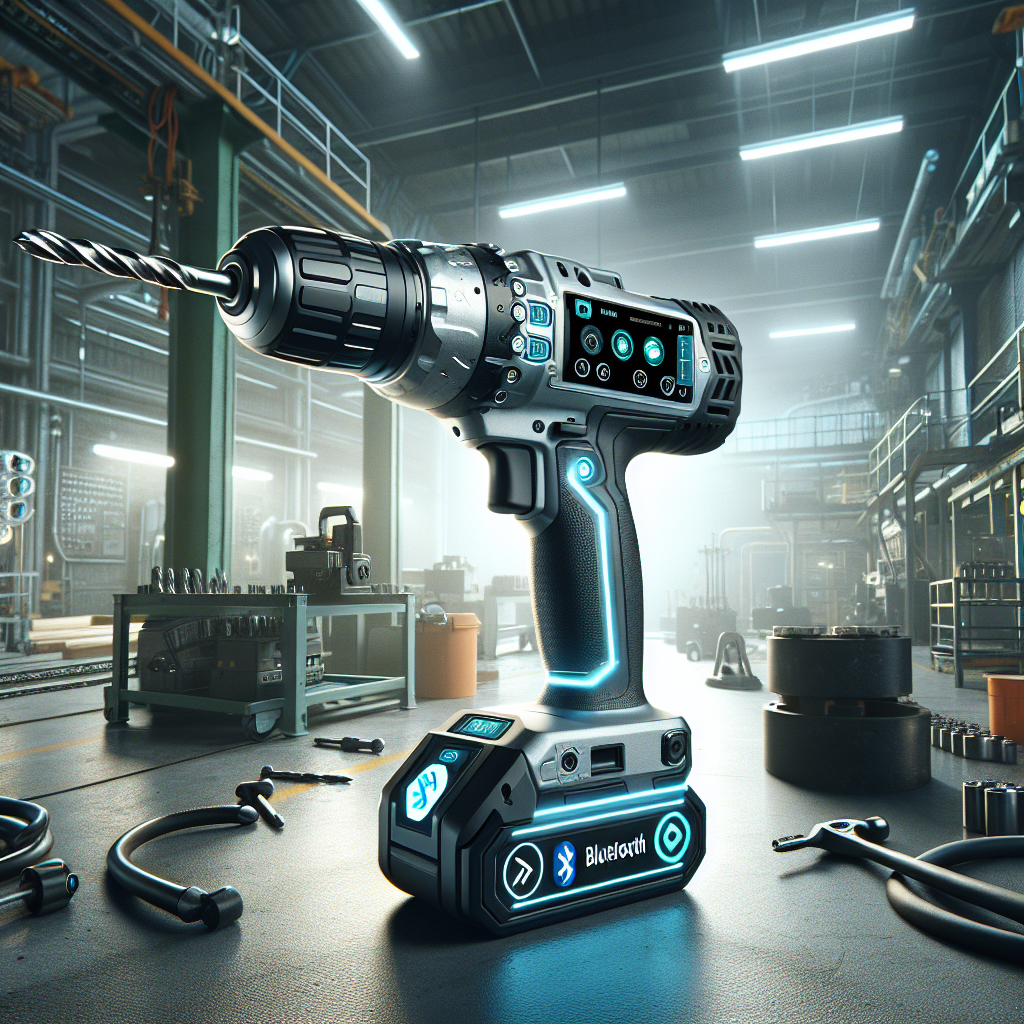
Professional Heat Guns: Complete Guide to Selection and Applications

Professional Heat Guns: Complete Guide to Selection and Applications

Understanding Heat Gun Technology

Heat guns are not just glorified hair dryers; they’re the Swiss Army knives of the DIY world. With temperatures reaching up to 1,000 degrees Fahrenheit, these tools can strip paint, shrink wrap, and even thaw frozen pipes. Sounds impressive, right? But with great power comes great responsibility—understanding how to wield a heat gun effectively is crucial.

Let’s break down the key components that make heat guns so versatile. At their core, heat guns use a fan to blow hot air through a heating element. This seemingly simple mechanism allows for precise temperature control and airflow adjustment, making them indispensable for both professional contractors and weekend warriors alike.

Temperature Control: The Heart of the Matter

Temperature control is where heat guns shine. Many models come equipped with adjustable settings that let you dial in the perfect amount of heat for your project. For instance, when working on delicate materials like plastics or fabrics, lower temperatures prevent damage while still getting the job done. Conversely, if you’re tackling tough jobs like paint stripping or soldering metal joints, you’ll want to crank up the heat.

Pro Tip: Always start at a lower temperature and gradually increase it as needed. It’s easier to add heat than to fix scorched materials!

Airflow Settings: The Unsung Hero

While temperature control gets all the glory, airflow settings are equally important in maximizing your heat gun's potential. Some projects require a gentle breeze to avoid blowing debris around (hello, messy workspace), while others may need a high-velocity jet stream for effective heating.

Consider a scenario where you’re removing vinyl flooring—too much airflow can send your carefully placed adhesive flying into oblivion! A good quality heat gun will offer multiple airflow settings to help you manage this balance effectively.

Did you know? A study found that using a heat gun can reduce paint stripping time by up to 50% compared to traditional methods!

Safety Features: Not Just Hot Air

When dealing with high temperatures, safety should be top of mind. Look for features like built-in stands that prevent accidental tip-overs and cool-down modes that allow your tool to safely lower its temperature after use.

Some advanced models even include thermal cut-off switches that automatically shut off the tool if it overheats—a real lifesaver in preventing accidents!

Understanding these core functionalities will not only help you select the right model but also enhance your overall experience when using heat guns for various applications.

So next time you're faced with a DIY project or professional task that calls for some serious heating action, remember: it's not just about turning it on and blasting away—it's about knowing what makes these tools tick!

Heat guns are not just glorified hair dryers; they’re the Swiss Army knives of the DIY world. With temperatures reaching up to 1,000 degrees Fahrenheit, these tools can strip paint, shrink wrap, and even thaw frozen pipes. Sounds impressive, right? But with great power comes great responsibility—understanding how to wield a heat gun effectively is crucial.

Let’s break down the key components that make heat guns so versatile. At their core, heat guns use a fan to blow hot air through a heating element. This seemingly simple mechanism allows for precise temperature control and airflow adjustment, making them indispensable for both professional contractors and weekend warriors alike.

Temperature Control: The Heart of the Matter

Temperature control is where heat guns shine. Many models come equipped with adjustable settings that let you dial in the perfect amount of heat for your project. For instance, when working on delicate materials like plastics or fabrics, lower temperatures prevent damage while still getting the job done. Conversely, if you’re tackling tough jobs like paint stripping or soldering metal joints, you’ll want to crank up the heat.

Pro Tip: Always start at a lower temperature and gradually increase it as needed. It’s easier to add heat than to fix scorched materials!

Airflow Settings: The Unsung Hero

While temperature control gets all the glory, airflow settings are equally important in maximizing your heat gun's potential. Some projects require a gentle breeze to avoid blowing debris around (hello, messy workspace), while others may need a high-velocity jet stream for effective heating.

Consider a scenario where you’re removing vinyl flooring—too much airflow can send your carefully placed adhesive flying into oblivion! A good quality heat gun will offer multiple airflow settings to help you manage this balance effectively.

Did you know? A study found that using a heat gun can reduce paint stripping time by up to 50% compared to traditional methods!

Safety Features: Not Just Hot Air

When dealing with high temperatures, safety should be top of mind. Look for features like built-in stands that prevent accidental tip-overs and cool-down modes that allow your tool to safely lower its temperature after use.

Some advanced models even include thermal cut-off switches that automatically shut off the tool if it overheats—a real lifesaver in preventing accidents!

Understanding these core functionalities will not only help you select the right model but also enhance your overall experience when using heat guns for various applications.

So next time you're faced with a DIY project or professional task that calls for some serious heating action, remember: it's not just about turning it on and blasting away—it's about knowing what makes these tools tick!

Evaluating Heat Gun Specifications for Professional Use

Not all heat guns are created equal, and diving into the specifications can feel like trying to decipher a foreign language. For professionals, choosing the right heat gun isn't just about picking the most expensive model; it's about understanding the specs that matter.

Temperature Range: The Right Heat for Every Job

A heat gun with a temperature range of 120°F to 1,000°F might sound impressive, but is it necessary for your specific tasks? For instance, if you’re primarily using it for paint stripping or soldering, you might not need to crank it up to the max. Conversely, if you’re working in industrial settings or on heavy-duty materials, those higher temperatures can be essential.

Key Insight: Look for models with adjustable temperature settings—this versatility can save your materials from disaster!

Airflow Control: Precision Matters

Airflow control is often overlooked but plays a critical role in achieving desired results. A heat gun that offers multiple airflow settings allows you to tailor your approach based on the project at hand. Imagine trying to soften adhesive on delicate surfaces; too much airflow could wreak havoc! On the other hand, a high-velocity setting is perfect for stripping paint efficiently.

  • Low airflow: Ideal for delicate tasks like softening adhesives without blowing them away.
  • Medium airflow: Great for general heating needs across various materials.
  • High airflow: Perfect for faster heating and larger surfaces.

Wattage: Power That Counts

More watts equal more power might be an oversimplification, but it holds some truth when evaluating heat guns. A higher wattage typically means faster heating times and more consistent performance. For professionals needing quick turnaround times on jobs, this can be a game-changer.

Pro Tip: Look for heat guns that offer at least 1,500 watts if you're serious about professional applications.

Build Quality and Features: The Little Things Matter

You get what you pay for rings true when it comes to build quality. A sturdy design not only enhances durability but also adds safety features like thermal cut-off switches and built-in stands. These features can prevent accidents and extend the life of your tool.

When evaluating these specifications, consider your primary applications. Are you mostly working with delicate materials or heavy-duty tasks? Tailoring your choice based on these factors will ensure you don’t end up with an underpowered tool or one that’s overkill.

In summary, understanding these specifications will empower you to make informed decisions when selecting a heat gun. So next time you're browsing options online or at a store, keep these key factors in mind—your projects (and your sanity) will thank you!

Not all heat guns are created equal, and diving into the specifications can feel like trying to decipher a foreign language. For professionals, choosing the right heat gun isn't just about picking the most expensive model; it's about understanding the specs that matter.

Temperature Range: The Right Heat for Every Job

A heat gun with a temperature range of 120°F to 1,000°F might sound impressive, but is it necessary for your specific tasks? For instance, if you’re primarily using it for paint stripping or soldering, you might not need to crank it up to the max. Conversely, if you’re working in industrial settings or on heavy-duty materials, those higher temperatures can be essential.

Key Insight: Look for models with adjustable temperature settings—this versatility can save your materials from disaster!

Airflow Control: Precision Matters

Airflow control is often overlooked but plays a critical role in achieving desired results. A heat gun that offers multiple airflow settings allows you to tailor your approach based on the project at hand. Imagine trying to soften adhesive on delicate surfaces; too much airflow could wreak havoc! On the other hand, a high-velocity setting is perfect for stripping paint efficiently.

  • Low airflow: Ideal for delicate tasks like softening adhesives without blowing them away.
  • Medium airflow: Great for general heating needs across various materials.
  • High airflow: Perfect for faster heating and larger surfaces.

Wattage: Power That Counts

More watts equal more power might be an oversimplification, but it holds some truth when evaluating heat guns. A higher wattage typically means faster heating times and more consistent performance. For professionals needing quick turnaround times on jobs, this can be a game-changer.

Pro Tip: Look for heat guns that offer at least 1,500 watts if you're serious about professional applications.

Build Quality and Features: The Little Things Matter

You get what you pay for rings true when it comes to build quality. A sturdy design not only enhances durability but also adds safety features like thermal cut-off switches and built-in stands. These features can prevent accidents and extend the life of your tool.

When evaluating these specifications, consider your primary applications. Are you mostly working with delicate materials or heavy-duty tasks? Tailoring your choice based on these factors will ensure you don’t end up with an underpowered tool or one that’s overkill.

In summary, understanding these specifications will empower you to make informed decisions when selecting a heat gun. So next time you're browsing options online or at a store, keep these key factors in mind—your projects (and your sanity) will thank you!

Key Applications of Heat Guns in Various Industries

Heat guns are like the Swiss Army knives of the industrial world, with applications that stretch far beyond your average DIY project. Did you know that in the automotive industry, heat guns can be used for everything from removing decals to softening adhesives on car parts? It's true! These tools are not just for hobbyists but are essential in a variety of professional settings.

Construction and Renovation

In construction and renovation, heat guns shine during tasks like stripping paint, thawing pipes, or bending plastics. Imagine a contractor working on an old house—paint layers thick enough to make a sandwich could be stripped away in mere minutes with the right heat gun. This saves both time and labor costs, making it a go-to tool for professionals.

Pro Tip: Always use heat guns in well-ventilated areas when stripping paint to avoid harmful fumes!

Automotive Applications

The automotive industry employs heat guns for tasks like removing old decals or softening adhesive when replacing windshields. A shop owner might find that using a heat gun can cut down decal removal time by half—talk about efficiency! Plus, they can help avoid damage to the vehicle's surface, which is a win-win.

Electronics and Repair

Wait, electronics? Really? Yes! In electronics repair, heat guns are invaluable for soldering components onto circuit boards or reflowing solder. Picture a technician carefully applying focused heat to fix a broken connection—precision is key here. The controlled temperature allows them to work without damaging sensitive components.

Crafting and DIY Projects

But what about crafting? Glad you asked! Crafters use heat guns for embossing powder on cards or shrinking plastic sheets into fun shapes. A small business owner selling handmade crafts might find that investing in a quality heat gun can elevate their products significantly by allowing them to create unique designs quickly.

Key takeaway: Heat guns are versatile tools applicable across various industries—from construction to electronics repair!

'So whether you're stripping paint off an old dresser or repairing delicate electronic components, understanding how different industries utilize heat guns will help you appreciate their versatility—and maybe even inspire your next project!'

Heat guns are like the Swiss Army knives of the industrial world, with applications that stretch far beyond your average DIY project. Did you know that in the automotive industry, heat guns can be used for everything from removing decals to softening adhesives on car parts? It's true! These tools are not just for hobbyists but are essential in a variety of professional settings.

Construction and Renovation

In construction and renovation, heat guns shine during tasks like stripping paint, thawing pipes, or bending plastics. Imagine a contractor working on an old house—paint layers thick enough to make a sandwich could be stripped away in mere minutes with the right heat gun. This saves both time and labor costs, making it a go-to tool for professionals.

Pro Tip: Always use heat guns in well-ventilated areas when stripping paint to avoid harmful fumes!

Automotive Applications

The automotive industry employs heat guns for tasks like removing old decals or softening adhesive when replacing windshields. A shop owner might find that using a heat gun can cut down decal removal time by half—talk about efficiency! Plus, they can help avoid damage to the vehicle's surface, which is a win-win.

Electronics and Repair

Wait, electronics? Really? Yes! In electronics repair, heat guns are invaluable for soldering components onto circuit boards or reflowing solder. Picture a technician carefully applying focused heat to fix a broken connection—precision is key here. The controlled temperature allows them to work without damaging sensitive components.

Crafting and DIY Projects

But what about crafting? Glad you asked! Crafters use heat guns for embossing powder on cards or shrinking plastic sheets into fun shapes. A small business owner selling handmade crafts might find that investing in a quality heat gun can elevate their products significantly by allowing them to create unique designs quickly.

Key takeaway: Heat guns are versatile tools applicable across various industries—from construction to electronics repair!

So whether you’re stripping paint off an old dresser or repairing delicate electronic components, understanding how different industries utilize heat guns will help you appreciate their versatility—and maybe even inspire your next project!

Safety Protocols When Using Heat Guns

Every year, thousands of heat gun-related accidents occur—some resulting in serious injuries. With temperatures reaching up to 1,000 degrees Fahrenheit, it’s no surprise that safety protocols are crucial when using these powerful tools.

Essential Safety Gear

First things first: don’t skimp on safety gear. You wouldn’t go into battle without armor, right? Here’s what you should wear when wielding a heat gun:

  • Safety goggles to protect your eyes from flying debris and intense heat.
  • Heat-resistant gloves to shield your hands from burns.
  • Long-sleeved clothing made of natural fibers (think cotton) to minimize skin exposure.
  • Closed-toe shoes for foot protection in case of accidental drops.

Workspace Preparation

A cluttered workspace is a cluttered mind—or worse, a recipe for disaster. Before you start using your heat gun, ensure your workspace is clean and organized. Remove any flammable materials like paper, cloth, or solvents that could catch fire with the intense heat.

Pro Tip: Always work in a well-ventilated area to avoid inhaling harmful fumes.

Know Your Tool—Familiarize Yourself with Your Heat Gun

You can’t drive a car without knowing the controls, and the same goes for heat guns. Before using one, read the manual thoroughly. Understand its features—temperature settings, airflow adjustments, and safety mechanisms like thermal cut-off switches.

Proper Handling Techniques

When it comes to handling your heat gun, think of it as a wand of power—handle it with care! Here are some best practices:

  1. Aim the nozzle away from yourself and others when operating.
  2. Never leave the heat gun unattended when plugged in; it’s just asking for trouble.
  3. Allow your tool to cool down completely before storing it away.

Emergency Preparedness

Accidents happen even in the best-prepared environments. Have an emergency plan in place:

  • Keep a fire extinguisher nearby—preferably one rated for electrical fires.
  • Know how to treat burns: run cool water over them immediately and seek medical attention if necessary.
By following these safety protocols when using heat guns, you not only protect yourself but also enhance your overall work experience.

So gear up and get ready for some serious heating action!

Every year, thousands of heat gun-related accidents occur—some resulting in serious injuries. With temperatures reaching up to 1,000 degrees Fahrenheit, it’s no surprise that safety protocols are crucial when using these powerful tools.

Essential Safety Gear

First things first: don’t skimp on safety gear. You wouldn’t go into battle without armor, right? Here’s what you should wear when wielding a heat gun:

  • Safety goggles to protect your eyes from flying debris and intense heat.
  • Heat-resistant gloves to shield your hands from burns.
  • Long-sleeved clothing made of natural fibers (think cotton) to minimize skin exposure.
  • Closed-toe shoes for foot protection in case of accidental drops.

Workspace Preparation

A cluttered workspace is a cluttered mind—or worse, a recipe for disaster. Before you start using your heat gun, ensure your workspace is clean and organized. Remove any flammable materials like paper, cloth, or solvents that could catch fire with the intense heat.

Pro Tip: Always work in a well-ventilated area to avoid inhaling harmful fumes.

Know Your Tool—Familiarize Yourself with Your Heat Gun

You can’t drive a car without knowing the controls, and the same goes for heat guns. Before using one, read the manual thoroughly. Understand its features—temperature settings, airflow adjustments, and safety mechanisms like thermal cut-off switches.

Proper Handling Techniques

When it comes to handling your heat gun, think of it as a wand of power—handle it with care! Here are some best practices:

  1. Aim the nozzle away from yourself and others when operating.
  2. Never leave the heat gun unattended when plugged in; it’s just asking for trouble.
  3. Allow your tool to cool down completely before storing it away.

Emergency Preparedness

Accidents happen even in the best-prepared environments. Have an emergency plan in place:

  • Keep a fire extinguisher nearby—preferably one rated for electrical fires.
  • Know how to treat burns: run cool water over them immediately and seek medical attention if necessary.

By following these safety protocols when using heat guns, you not only protect yourself but also enhance your overall work experience. So gear up and get ready for some serious heating action!

Comparative Analysis of Leading Heat Gun Brands

In the heat gun arena, not all brands are created equal. If you think picking a heat gun is as simple as choosing between red or blue, think again! With options ranging from budget-friendly to professional-grade, it can feel overwhelming. But fear not—let’s break down a few leading brands and see how they stack up against each other.

Brand Showdown: The Contenders

We’ll be looking at three heavyweights in the heat gun world: Wagner, DeWalt, and Milwaukee. Each has its strengths and weaknesses, making them suitable for different types of users. Let’s dig into the nitty-gritty.

Brand Temperature Range Wattage Airflow Settings Price
Wagner 120°F – 1,200°F 1 500 2 settings
DeWalt 150°F – 1,100°F 1 800 3 settings – 0
Milwaukee 120°F – 1,000°F 1 600 Variable airflow – 0

Wagner: The Budget Champion

Wagner makes a solid case for DIYers on a budget. Their models often come with user-friendly features like adjustable temperature control and decent wattage for most home projects. However, if you’re looking for something that can withstand daily professional use or has advanced features like variable airflow settings—well, you might want to keep shopping.

Best for occasional users who want an affordable option without sacrificing too much quality.

DeWalt: The Powerhouse

If you're after power and versatility in your heat gun game plan, DeWalt is hard to beat. With higher wattage and multiple airflow settings, it’s designed for professionals who need reliable performance on tougher jobs. But be prepared to shell out more cash—this isn’t your average DIY tool!

Ideal for contractors or anyone who needs a robust tool that can handle heavy-duty tasks.

'Milwaukee: The All-Rounder

Great choice for users who appreciate quality build without going overboard on price.

Key takeaway: Each brand has its unique strengths—choose based on your specific needs!

Ultimately, selecting the right heat gun comes down to understanding your own requirements. Are you a weekend warrior tackling home projects? Or are you a professional contractor demanding durability and performance? Whatever camp you fall into, knowing what each brand offers will guide you toward making an informed decision.

Not all heat guns are created equal, and choosing the right brand can feel like navigating a minefield. With so many options on the market, how do you sift through the noise? Let’s break down the leading brands and see what sets them apart—because when your project is on the line, you need to know which tool won’t let you down.

Brand Overview: The Contenders

In the world of heat guns, a few brands consistently rise to the top. Here’s a snapshot of some heavy hitters:

Brand Key Features Ideal For
DeWalt Robust build, high wattage, adjustable temperature settings Construction and heavy-duty tasks
Makita Compact design, lightweight, fast heating time DIY enthusiasts and light commercial use
Wagner Affordable, versatile attachments for various applications Home improvement projects
Milwaukee Durable with advanced safety features, ergonomic design Professional contractors
Black+Decker Budget-friendly options with basic features Casual users and beginners

So what’s the catch? you might ask. Each brand has its strengths and weaknesses that cater to different needs. Let’s dig deeper into what makes these brands tick.

DeWalt: The Workhorse

DeWalt is synonymous with durability. Their heat guns often feature impressive wattage (think 1,800 watts) that allows for rapid heating—a godsend for professionals who can’t afford downtime. However, their heavier build might not be ideal for those who prefer portability.

'Pro Tip: If you're in construction or renovation work where reliability matters, DeWalt could be your best bet.'

Makita: Lightweight Champion

Makita heats up quickly while remaining lightweight—perfect for those who need to maneuver around tight spaces or work overhead. It’s user-friendly but may lack the power needed for more demanding tasks.

'If you're tackling smaller projects or prefer a lighter tool without sacrificing quality, Makita is worth considering.'

Wagner: The Budget-Friendly Option

For those just getting their feet wet in DIY projects, Wagner offers a range of affordable heat guns that don’t skimp on versatility. With attachments that allow for shrinking wrap and paint stripping alike, it's a great starter tool—but don’t expect industrial-grade performance.

'Budget-conscious crafters will appreciate Wagner's value without breaking the bank.'

Milwaukee: Safety Meets Performance

When it comes to professional settings where safety is paramount, Milwaukee shines with its built-in safety features like thermal cut-off switches. They balance power and ergonomics well but come at a higher price point.

Maintenance Practices to Extend Heat Gun Lifespan

Heat guns can be the unsung heroes of your toolbox, but neglecting them is like leaving a fine wine corked—wasted potential! A well-maintained heat gun can last you years, while a poorly cared-for one might fizzle out just when you need it most. So, how do you ensure your trusty heat gun remains in top-notch condition? Let’s break down some essential maintenance practices.

Regular Cleaning: Keep It Pristine

Dust and debris are the enemies of any tool, and heat guns are no exception. After each use, give your heat gun a quick wipe-down with a damp cloth to remove any residue that might have accumulated. You’d be surprised how much gunk can build up on the nozzle after just a few projects!

Pro Tip: Use compressed air to blow out dust from vents and crevices that are hard to reach.

Inspect Cords and Connections: Safety First

Before each use, take a moment to inspect the power cord for any signs of wear or fraying. A damaged cord is not just an inconvenience; it’s a safety hazard! Ensure all connections are tight and secure—loose connections can lead to overheating.

Proper Storage: The Right Home

Out of sight, out of mind doesn’t apply here! Store your heat gun in a cool, dry place away from direct sunlight. Consider investing in a protective case or hanging it on a pegboard—this not only keeps it safe but also makes it easy to find when you need it.

  • Avoid storing near flammable materials.
  • Keep the nozzle protected with a cap or cover.

Temperature Management: Don’t Overheat

'Heat guns are designed for high temperatures, but that doesn't mean they should run on high all day long. If you're using your heat gun for extended periods, take breaks to let it cool down. Overheating can lead to premature burnout—literally!'

Heat guns can be the unsung heroes of your toolbox, but neglecting them is like leaving a fine wine corked—wasted potential! A well-maintained heat gun can last you years, while a poorly cared-for one might fizzle out just when you need it most. So, how do you ensure your trusty heat gun remains in top-notch condition? Let’s break down some essential maintenance practices.

Regular Cleaning: Keep It Pristine

Dust and debris are the enemies of any tool, and heat guns are no exception. After each use, give your heat gun a quick wipe-down with a damp cloth to remove any residue that might have accumulated. You’d be surprised how much gunk can build up on the nozzle after just a few projects!

Pro Tip: Use compressed air to blow out dust from vents and crevices that are hard to reach.

Inspect Cords and Connections: Safety First

Before each use, take a moment to inspect the power cord for any signs of wear or fraying. A damaged cord is not just an inconvenience; it’s a safety hazard! Ensure all connections are tight and secure—loose connections can lead to overheating.

Proper Storage: The Right Home

Out of sight, out of mind doesn’t apply here! Store your heat gun in a cool, dry place away from direct sunlight. Consider investing in a protective case or hanging it on a pegboard—this not only keeps it safe but also makes it easy to find when you need it.

  • Avoid storing near flammable materials.
  • Keep the nozzle protected with a cap or cover.

Temperature Management: Don’t Overheat

'Heat guns are designed for high temperatures, but that doesn't mean they should run on high all day long. If you're using your heat gun for extended periods, take breaks to let it cool down. Overheating can lead to premature burnout—literally!'

Innovations in Heat Gun Design and Functionality

Imagine a heat gun that not only gets hot but also thinks! Recent innovations in heat gun design are making these tools smarter, safer, and more user-friendly than ever before. With features like digital temperature displays and automatic shut-off mechanisms, today's heat guns are far from the clunky models of yesteryear.

Smart Technology: The Future is Now

Let’s talk about smart technology. Some modern heat guns now come equipped with digital displays that provide real-time temperature readings. This means no more guesswork or fiddling with dials while you’re knee-deep in a project. Just set your desired temperature, and the tool does the rest—automatically adjusting to maintain consistent heat. This innovation is especially beneficial for delicate tasks like soldering electronics where precision is key.

Safety Features: Keeping You Out of Hot Water

Safety has always been a concern when working with high temperatures, but new safety features are stepping up to the plate. Many of today’s heat guns include built-in thermal cut-off switches that automatically shut off the device if it overheats. This not only prolongs the life of your tool but also minimizes risks of accidents—because nobody wants to turn their workshop into a sauna!

Pro Tip: Look for models with ergonomic designs and safety locks to prevent accidental activation.

Versatility Redefined: Attachments and Accessories

One size fits all might work for socks, but it doesn’t cut it for heat guns! Innovations now include a variety of attachments that enhance functionality. From specialized nozzles designed for shrinking wrap to reflectors for bending plastics, these accessories make your heat gun even more versatile. For instance, if you're working on crafts or detailed projects, using a narrow nozzle can help you direct heat precisely where you need it without affecting surrounding areas.

  • Conical Nozzle: Perfect for focused heating.
  • Flat Nozzle: Great for wider surfaces.
  • Reflector Nozzle: Ideal for bending tubes or pipes.
Key Insight: Utilizing specialized attachments can significantly enhance your workflow and project outcomes.

In conclusion, innovations in heat gun design are transforming how we approach various tasks—from crafting to heavy-duty applications. As these tools become smarter and safer, they empower users to tackle projects with confidence and precision.

Imagine a heat gun that not only gets hot but also thinks! Recent innovations in heat gun design are making these tools smarter, safer, and more user-friendly than ever before. With features like digital temperature displays and automatic shut-off mechanisms, today's heat guns are far from the clunky models of yesteryear.

Smart Technology: The Future is Now

Let’s talk about smart technology. Some modern heat guns now come equipped with digital displays that provide real-time temperature readings. This means no more guesswork or fiddling with dials while you’re knee-deep in a project. Just set your desired temperature, and the tool does the rest—automatically adjusting to maintain consistent heat. This innovation is especially beneficial for delicate tasks like soldering electronics where precision is key.

Safety Features: Keeping You Out of Hot Water

Safety has always been a concern when working with high temperatures, but new safety features are stepping up to the plate. Many of today’s heat guns include built-in thermal cut-off switches that automatically shut off the device if it overheats. This not only prolongs the life of your tool but also minimizes risks of accidents—because nobody wants to turn their workshop into a sauna!

Pro Tip: Look for models with ergonomic designs and safety locks to prevent accidental activation.

Versatility Redefined: Attachments and Accessories

One size fits all might work for socks, but it doesn’t cut it for heat guns! Innovations now include a variety of attachments that enhance functionality. From specialized nozzles designed for shrinking wrap to reflectors for bending plastics, these accessories make your heat gun even more versatile. For instance, if you're working on crafts or detailed projects, using a narrow nozzle can help you direct heat precisely where you need it without affecting surrounding areas.

  • Conical Nozzle: Perfect for focused heating.
  • Flat Nozzle: Great for wider surfaces.
  • Reflector Nozzle: Ideal for bending tubes or pipes.
Key Insight: Utilizing specialized attachments can significantly enhance your workflow and project outcomes.

In conclusion, innovations in heat gun design are transforming how we approach various tasks—from crafting to heavy-duty applications. As these tools become smarter and safer, they empower users to tackle projects with confidence and precision.

{
“@context”: “https://schema.org”,
“@graph”: [
{
“@type”: “BlogPosting”,
“headline”: “Professional Heat Guns: Complete Guide to Selection and Applications”,
“image”: “https://shop.hubzonedepot.com/images/heat-guns.jpg”,
“author”: {
“@type”: “Person”,
“name”: “Elisa”
},
“publisher”: {
“@type”: “Organization”,
“name”: “Hubzone Depot Shop”,
“url”: “https://shop.hubzonedepot.com”
},
“datePublished”: “2023-10-15”,
“dateModified”: “2023-10-15”,
“mainEntityOfPage”: {
“@type”: “WebPage”,
“@id”: “https://shop.hubzonedepot.com/professional-heat-guns-guide”
},
“description”: “Explore our comprehensive guide on selecting professional heat guns, their applications, and features. Perfect for DIY enthusiasts and professionals.”,
“articleBody”: “

Professional Heat Guns: Complete Guide to Selection and Applications

Understanding Heat Gun Technology

Heat guns are not just glorified hair dryers; they’re the Swiss Army knives of the DIY world…


},
{
“@type”: “FAQPage”,
“mainEntity”: [
{
“@type”: “Question”,
“name”: “What are the key components of a heat gun?”,
“acceptedAnswer”: {
“@type”: “Answer”,
“text”: “

At their core, heat guns use a fan to blow hot air through a heating element…


}
},
{
“@type”: “Question”,
“name”: “Why is temperature control important in heat guns?”,
“acceptedAnswer”: {
“@type”: “Answer”,
“text”: “

Temperature control is where heat guns shine. Many models come equipped with adjustable settings…


}
},
{
“@type”:”Question”,
“name”:”What safety features should be considered when using a heat gun?”,
“acceptedAnswer”:{
“@type”:”Answer”,
“text”:”

When dealing with high temperatures, safety should be top of mind…


}
}
]
},
{
“@type”:”SpeakableSpecification”,
“@id”:”#speakable1″,
“__context”:”https://schema.org/”,
“__graph”:[
{
“__@type”:”SpeakableSpecification”,
“__cssSelector”:[
“.highlight”
]
}
]
}
]
}article blockquote,article ol li,article p,article ul li{font-family:inherit;font-size:18px}.featuredimage{height:300px;overflow:hidden;position:relative;margin-top:20px;margin-bottom:20px}.featuredimage img{width:100%;height:100%;top:50%;left:50%;object-fit:cover;position:absolute;transform:translate(-50%,-50%)}article p{line-height:30px}article ol li,article ul li{line-height:30px;margin-bottom:15px}article blockquote{border-left:4px solid #ccc;font-style:italic;background-color:#f8f9fa;padding:20px;border-radius:5px;margin:15px 10px}article div.info-box{background-color:#fff9db;padding:20px;border-radius:5px;margin:15px 0;border:1px solid #efe496}article table{margin:15px 0;padding:10px;border:1px solid #ccc}article div.info-box p{margin-bottom:0;margin-top:0}article span.highlight{background-color:#f8f9fb;padding:2px 5px;border-radius:5px}article div.info-box span.highlight{background:0 0!important;padding:0;border-radius:0}article img{max-width:100%;margin:20px 0}
Best Hammer Drills for Heavy-Duty Construction and Demolition Work

Best Hammer Drills for Heavy-Duty Construction and Demolition Work

Key Features of Heavy-Duty Hammer Drills

If you think a hammer drill is just a glorified drill, think again! These powerhouses are designed to handle the toughest jobs, and they come packed with features that make them indispensable for construction and demolition work.

Power and Performance

First up, let’s talk power. Heavy-duty hammer drills typically boast high wattage motors — often over 800 watts — that deliver impressive torque. This means they can easily break through concrete, brick, and other tough materials without breaking a sweat. For example, a contractor working on a commercial renovation project found that using a hammer drill with 1,200 watts of power cut their drilling time in half compared to standard drills.

Impact Rate

The impact rate is another critical feature. Most heavy-duty models offer an impact rate of around 3,000 blows per minute (BPM) or more. This rapid-fire action is what sets them apart from regular drills — it’s like having a mini jackhammer in your toolbox! When dealing with thick concrete walls or stubborn masonry, this feature can be the difference between frustration and success.

Look for models with adjustable impact rates to tailor performance for different materials!

Versatility

One size fits all doesn’t apply here. Many heavy-duty hammer drills come with interchangeable bits and settings for drilling, chiseling, and even driving screws. This versatility allows you to switch from creating holes in concrete to removing tiles without needing multiple tools. A construction team on a mixed-use development project found their heavy-duty hammer drill invaluable for tackling various tasks efficiently.

Durability

Built like a tank isn’t just a saying; it’s essential when choosing a hammer drill for heavy-duty work. Look for models made from high-quality materials with reinforced housings and dust protection features. These drills are often designed to withstand the rigors of construction sites where drops and exposure to dust are common hazards.

A durable hammer drill can last years longer than cheaper alternatives if properly maintained.

'Ergonomics Matter

Types of Hammer Drills Suitable for Specific Applications

You wouldn’t wear flip-flops to a job site, right? The same logic applies to hammer drills. Choosing the right type for your specific application can make the difference between a seamless project and a frustrating day filled with equipment failures.

Rotary Hammer Drills

If you're tackling heavy-duty tasks like breaking up concrete or drilling through thick masonry, rotary hammer drills are your best friend. These beasts utilize a piston mechanism that delivers powerful impacts, making them ideal for heavy demolition work. For instance, a contractor on a high-rise renovation project found that switching to a rotary hammer drill reduced their concrete drilling time by over 40% compared to traditional hammer drills.

SDS Plus vs. SDS Max

When it comes to rotary hammers, you'll often hear about SDS Plus and SDS Max systems. SDS Plus is perfect for light to medium-duty applications — think installing anchors in concrete or drilling holes for rebar. On the other hand, if you're dealing with heavy demolition or need larger bits, go for SDS Max. This system is designed for bigger jobs and can handle more substantial workloads without breaking a sweat.

Tip: Always match your drill bit size with the task at hand — using the wrong size can lead to inefficiency and damage!

Hammer Drill/Driver Combo

Jack of all trades, master of none? Not quite! Hammer drill/drivers are versatile tools that can handle both drilling and driving tasks effectively. They're particularly useful for general construction work where you might need to switch between materials frequently. A mid-sized contractor found that having this combo tool saved them from carrying multiple devices on site.

Cordless vs. Corded Hammer Drills

Cordless models offer mobility and ease of use, making them perfect for jobs where power outlets aren’t readily available. However, corded hammer drills generally provide more consistent power and are better suited for extended heavy-duty use. A construction team working on an outdoor project opted for corded models due to the high volume of concrete work they needed to complete efficiently.

Choosing the right type of hammer drill based on your specific application can enhance efficiency and reduce downtime significantly.

So next time you reach for your trusty hammer drill, think about what you’re trying to accomplish. Having the right tool in your arsenal means not just getting the job done — it means getting it done well.

Ergonomics and Ease of Use in Heavy-Duty Models

Ever tried to drill through concrete with a tool that feels like it’s trying to escape your grip? If you have, you know the struggle is real. Ergonomics in hammer drills isn’t just a luxury; it’s a necessity. A poorly designed drill can turn a straightforward task into an arm-wrestling match with your equipment.

Consider this: studies show that nearly 30% of construction workers report musculoskeletal disorders related to improper tool ergonomics. That’s a staggering number! When you're swinging a hammer drill all day, the last thing you want is for it to feel like you're lifting weights at the gym.

Comfortable Grip and Weight Distribution

The best hammer drills are designed with comfort in mind. Look for models that feature rubberized grips and balanced weight distribution. This design helps reduce fatigue during prolonged use, allowing you to tackle those heavy-duty jobs without feeling like you've run a marathon by lunchtime. For instance, a contractor reported that switching to an ergonomically designed hammer drill allowed them to work longer hours without discomfort — and they still had energy left for after-work drinks!

Vibration Control Technology

Vibration can be your worst enemy when using powerful tools. Excessive vibration not only makes drilling more challenging but can also lead to long-term health issues like hand-arm vibration syndrome. Many modern heavy-duty hammer drills come equipped with vibration control technology, which dampens the force transmitted to your hands and arms. This means less shaking and more drilling — win-win!

  • Look for models with adjustable speed settings for better control.
  • Choose lightweight options without compromising on power.
  • Pay attention to the trigger sensitivity; smoother triggers lead to better precision.

Important: Always prioritize ergonomics when selecting a hammer drill; it can drastically affect your productivity and health in the long run.

Ease of Use Features

Ease of use features often make or break the experience of operating a hammer drill. Look for models with intuitive controls, such as easy-to-reach switches and LED lights that illuminate work areas — because let’s face it, no one enjoys fumbling around in the dark while trying to find their drill bit!

Feature % Impact on User Experience
Comfortable Grip 25
Weight Distribution 20
Vibration Control 30
Easy Controls 25
Key takeaway: Investing in an ergonomic hammer drill not only enhances comfort but also boosts efficiency on-site.

Safety Features to Consider in High-Performance Hammer Drills

When it comes to hammer drills, safety isn’t just a nice-to-have; it’s a must. Did you know that over 50% of tool-related injuries on construction sites are due to improper use or lack of safety features? That's not just a statistic; it's a wake-up call for anyone wielding these powerful tools.

Safety Clutch Mechanism

One of the standout safety features to look for is the safety clutch mechanism. This nifty addition acts as your personal bodyguard, preventing the drill from twisting uncontrollably if it gets stuck during use. Imagine you're drilling into a concrete wall, and suddenly the bit binds — without a safety clutch, that drill could spin around like a wild animal, potentially causing serious injury. A contractor reported that after switching to a hammer drill with this feature, they felt much more secure tackling tough materials.

Electronic Brake System

Another game-changer is the electronic brake system. This feature stops the bit almost instantly when you release the trigger. It’s like having an emergency stop button at your fingertips! For those working in tight spaces or handling delicate tasks, this can be crucial for precision and safety.

Overload Protection

More power isn't always better if it comes at the cost of safety. Overload protection is an essential feature in high-performance hammer drills that prevents motor burnout when you're pushing the drill too hard. Think of it as your drill's built-in guardian angel — it monitors performance and steps in before things go south. A construction foreman noted that their team experienced fewer tool failures and improved job site efficiency after investing in drills with this feature.

  • Look for models with rubberized grips to reduce slipping.
  • Consider drills with integrated LED lights for visibility in low-light conditions.
  • Check for dust extraction systems to keep work areas clean and safe.

Important: Always prioritize safety features when selecting a hammer drill; they can prevent accidents and enhance productivity on-site.

Key takeaway: Investing in high-performance hammer drills with robust safety features not only protects you but also ensures smoother operations on demanding job sites.

Maintenance Best Practices for Longevity and Performance Optimization

Neglecting maintenance on a hammer drill is like skipping oil changes on your car — it might run fine for a while, but eventually, you’ll be left stranded with a hefty repair bill. A staggering 70% of tool failures can be traced back to poor upkeep. If you want your heavy-duty hammer drill to perform at its best and last for years, adopting some solid maintenance practices is non-negotiable.

Regular Cleaning

Dust and debris are the sworn enemies of power tools. After each use, take a moment to clean your hammer drill. Use a soft brush or compressed air to remove any accumulated dust from vents and moving parts. This simple act can prevent overheating and maintain optimal performance. For instance, a contractor who routinely cleaned their drill found that it operated smoother and lasted longer than those who didn’t bother.

Lubrication is Key

A well-lubricated hammer drill is a happy hammer drill! Regularly check the manufacturer's recommendations for lubrication points and use the correct type of grease or oil. This will reduce friction, enhance performance, and prolong the life of internal components. Think of it as giving your drill a spa day — it deserves it!

Inspecting Components

Make it a habit to inspect your hammer drill before each major job. Look for signs of wear on the cord, chuck, and housing. A cracked housing may lead to electrical issues, while a worn chuck can cause bits to slip during use — not ideal when you’re trying to penetrate concrete! Addressing these issues early can save you from costly repairs down the line.

Bit Maintenance

A dull bit is like using a butter knife to cut steak. Keep your bits sharp and in good condition by regularly checking them for wear. Replace any damaged or worn bits immediately; they not only hinder performance but can also increase the risk of accidents.

Comparative Analysis of Leading Brands in the Market

When it comes to choosing a hammer drill, not all brands are created equal. In fact, a recent survey revealed that nearly 60% of construction professionals prefer specific brands based on reliability and performance. So, what sets these brands apart in the crowded market?

Top Contenders: A Closer Look

Let’s break down some of the leading brands that have earned their stripes in heavy-duty hammer drills — think of it as a showdown between powerhouses. We’ll focus on features, user feedback, and real-world performance.

  1. Bosch: Known for its innovative technology and durability, Bosch hammer drills often come with advanced vibration control and ergonomic designs.
  2. DeWalt: A favorite among contractors, DeWalt models boast high power ratings and excellent battery life for cordless options.
  3. Makita: This brand is celebrated for its lightweight designs without compromising on performance — perfect for long hours on the job.
  4. Milwaukee: Renowned for its robust build quality, Milwaukee drills are designed to withstand harsh job site conditions while delivering consistent results.

Feature Comparison Table

Brand Power (Watts) % User Satisfaction Notable Features
Bosch 1000 85 Vibration control, ergonomic grip
DeWalt 1200 90 Heavy-duty motor, long battery life
Makita 800 80 Lightweight design, fast charging
Milwaukee 1100 88 RedLithium battery technology

Here’s the kicker: while all these brands offer exceptional hammer drills tailored for heavy-duty tasks, your choice should ultimately align with your specific needs — whether that’s raw power or portability.

Important: Always consider user reviews and real-world performance data before making a purchase. A tool may look good on paper but fail to deliver under pressure.

Now this is where things break down: many users make the mistake of focusing solely on wattage when choosing a hammer drill. While power is crucial, factors like weight distribution and ergonomics can significantly impact your overall experience on the job site.

Innovative Technologies Shaping the Future of Hammer Drills

Imagine a hammer drill that not only penetrates concrete but also learns from your drilling habits. Sounds like sci-fi, right? Well, welcome to the future of hammer drills, where technology is evolving faster than you can say heavy-duty construction.

Recent advancements in battery technology have led to lithium-ion batteries that provide longer run times and quicker charging. In fact, studies show that modern lithium-ion batteries can deliver up to 50% more power compared to traditional nickel-cadmium batteries. This means less downtime and more time getting the job done.

Smart Features for Enhanced Performance

The integration of smart technology is revolutionizing how we use hammer drills. For instance, some models now come equipped with Bluetooth connectivity that allows you to connect your drill to a smartphone app. This app can provide real-time feedback on performance metrics such as battery life, torque settings, and even maintenance reminders. Imagine having a personal assistant right in your pocket!

Smart features not only enhance user experience but also optimize tool performance for specific tasks.

Improved Ergonomics Through Technology

As we all know, comfort plays a huge role in productivity. Innovative designs are now incorporating adjustable grips and weight distribution systems that adapt based on the user's hand size and grip style. This means less fatigue during those long hours on-site — no more feeling like you’ve just completed a marathon after a day of drilling!

Vibration control technology has also made significant strides. Newer models feature advanced dampening systems that significantly reduce vibration transfer to your hands while drilling. This is not just about comfort; it’s about protecting your health long-term by minimizing the risk of conditions like hand-arm vibration syndrome.

Green Technology: Sustainable Hammer Drills

Green technologies are becoming increasingly important in construction tools. Many manufacturers are now focusing on energy-efficient designs that reduce power consumption without sacrificing performance. Some hammer drills even come with eco-modes that adjust power output based on the material being drilled — talk about smart engineering!

Eco-friendly designs not only save energy but also contribute to reducing overall project costs over time.

'The takeaway? As hammer drills evolve with innovative technologies, it’s essential to stay informed about these advancements so you can choose the right tool for your specific needs — whether it's enhanced ergonomics or smart features designed to boost efficiency on-site.'

{
“@context”: “https://schema.org”,
“@type”: “BlogPosting”,
“headline”: “Top Hammer Drills for Heavy-Duty Construction & Demolition”,
“description”: “Discover the best hammer drills for heavy-duty construction and demolition work. Find durable, high-performance options at HubZone Depot.”,
“image”: “https://example.com/image.jpg”,
“author”: {
“@type”: “Person”,
“name”: “Elisa”
},
“publisher”: {
“@type”: “Organization”,
“name”: “Hubzone Depot Shop”,
“url”: “https://shop.hubzonedepot.com”
},
“mainEntityOfPage”: {
“@type”: “WebPage”,
“@id”: “https://shop.hubzonedepot.com/best-hammer-drills-heavy-duty”
},
“datePublished”: “2023-10-12”,
“dateModified”: “2023-10-12”
}

article blockquote,article ol li,article p,article ul li{font-family:inherit;font-size:18px}.featuredimage{height:300px;overflow:hidden;position:relative;margin-top:20px;margin-bottom:20px}.featuredimage img{width:100%;height:100%;top:50%;left:50%;object-fit:cover;position:absolute;transform:translate(-50%,-50%)}article p{line-height:30px}article ol li,article ul li{line-height:30px;margin-bottom:15px}article blockquote{border-left:4px solid #ccc;font-style:italic;background-color:#f8f9fa;padding:20px;border-radius:5px;margin:15px 10px}article div.info-box{background-color:#fff9db;padding:20px;border-radius:5px;margin:15px 0;border:1px solid #efe496}article table{margin:15px 0;padding:10px;border:1px solid #ccc}article div.info-box p{margin-bottom:0;margin-top:0}article span.highlight{background-color:#f8f9fb;padding:2px 5px;border-radius:5px}article div.info-box span.highlight{background:0 0!important;padding:0;border-radius:0}article img{max-width:100%;margin:20px 0}

How to Choose the Perfect Drill Set for Your Workshop

How to Choose the Perfect Drill Set for Your Workshop

Choosing the right drill set for your workshop can make all the difference in the efficiency and quality of your projects. Whether you’re a DIY enthusiast or a professional tradesperson, selecting a suitable drill set tailored to your specific needs is crucial. In this guide, we’ll explore various factors to consider when purchasing drill sets, ensuring you make an informed decision that enhances your workshop’s capabilities.

Understanding Your Needs: DIY vs. Professional Use

Choosing the right drill sets is much like selecting the perfect pair of shoes for an occasion. You wouldn’t wear your favorite sneakers to a black-tie event, would you? Similarly, understanding whether your needs are more aligned with DIY projects or professional applications is essential in making the right choice.

DIY Enthusiasts: Lightweight and Versatile

If you’re a weekend warrior who loves tackling home improvement projects, a compact and versatile drill set might be your cup of tea. Look for features such as:

  • Cordless Convenience: A rechargeable drill set offers mobility without the hassle of cords, perfect for DIY projects around the house.
  • Multi-Purpose Capability: Ensure your drill can handle various tasks with an assortment of drill bit sizes and types.
  • Affordability: While you don’t want to skimp on quality, affordable drill sets provide great value for occasional use.

For instance, a lightweight drill set can be ideal for assembling furniture or hanging pictures. Such sets often come with enough power to perform efficiently without being overkill.

Professional Use: Power and Precision

If you’re working in construction or any other professional field that requires heavy-duty tools, you’ll want to invest in high-quality drill sets tailored for rigorous use. Consider these aspects:

  • Power Output: Electric or impact drill sets offer robust performance needed for tougher materials like concrete or thick wood.
  • Durability: Opt for industrial-grade drill sets that can withstand continuous use without compromising performance.
  • Precision & Versatility: A precision drill set is crucial if you require accuracy in tasks such as cabinetry or intricate woodworking.
Fun Fact: According to recent market trends, cordless toolsets with drills and drivers have seen a significant rise in popularity due to their adaptability and ease of use [Source: Market Watch].

No matter your level of expertise or project scope, understanding your specific needs helps ensure you select the best drill set tailored just right—whether it’s beginner-friendly options for home applications or professional-grade solutions designed for heavy lifting (not literally, but you get the point!). For further exploration of options available in each category, check out our comprehensive collection at Hubzone Depot Shop.

Types of Drill Sets: Cordless vs. Corded

Ah, the age-old debate: cordless or corded drill sets? It’s a bit like choosing between coffee and tea; both have their merits, but one might be a better fit for your needs. Let’s dive into the nitty-gritty of these powerhouses and see which one will reign supreme in your workshop.

Cordless Drill Sets: Freedom at Your Fingertips

If mobility is your main concern, cordless drill sets are the rock stars of versatility. These drills are powered by rechargeable batteries, allowing you to roam freely without being tethered to an outlet. Imagine working on a rooftop or in a remote area without searching for power sources – bliss!

  • Portability: With no cords to trip over, these drills can accompany you anywhere, making them perfect for on-the-go projects.
  • Ease of Use: Cordless drills often come in lightweight designs, ideal for extended usage without straining your wrists.
  • Multiple Options: From compact drill sets to heavy-duty models, there’s a wide variety to choose from.

However, be mindful of their battery life. It’s wise to keep an extra battery pack charged and ready, especially during intensive tasks. While technological advancements have significantly improved battery longevity, running out of juice mid-project is still not the best kind of adventure.

Corded Drill Sets: Consistent Power Supply

On the flip side, corded drill sets offer uninterrupted power and are often considered workhorses of the drilling world. These bad boys plug directly into an electrical outlet, providing consistent performance regardless of task duration or intensity.

  • Sustained Power: No worrying about batteries dying; corded drills maintain their full power output as long as they’re connected to electricity.
  • Reliability: Perfect for industrial-grade applications that require precision and sustained high performance.
  • Affordability: Generally less expensive than their cordless counterparts due to fewer moving parts involved.

The downside? You’ll need access to an electric outlet and potentially deal with maneuverability issues due to cords. However, if you’re primarily working from a fixed station where outlets are abundant (like a dedicated workshop), this may not be much of a drawback after all.

In conclusion, whether you go for the flexible nature of cordless options or the relentless power of corded alternatives depends largely on your specific needs. Assess your typical projects and workspace environment before making a decision – because at the end of the day, having the right tool can make all the difference in achieving professional results with ease!

If you’re still unsure which type suits your needs best, check out our extensive range of drill bit sets, where you’ll find options tailored for both beginners and seasoned pros alike!

Assessing Drill Bit Sets: Specialty vs. Multi-Purpose

When it comes to selecting the ideal drill bit sets for your workshop, one crucial decision is choosing between specialty and multi-purpose options. Whether you’re a seasoned craftsman or a DIY enthusiast, understanding these differences can significantly impact your efficiency and project outcomes.

Specialty Drill Bit Sets: Tailored Precision

Specialty drill bit sets are like the gourmet chefs of your tool arsenal—designed for specific tasks and materials with unmatched precision. These sets often include bits for detailed jobs such as glass drilling, masonry work, or metal fabrication.

  • Glass Drill Bits: Ideal for delicate surfaces requiring a smooth finish without chipping.
  • Masonry Bits: Built to withstand the harshness of concrete and stone.
  • Metal Bits: Perfect for cutting through tough metal sheets smoothly.

Investing in specialty sets ensures you have the right tool for each unique job, reducing wear and tear on both the bits and your patience. However, they tend to be more costly due to their tailored design and material-specific applications.

Multi-Purpose Drill Bit Sets: Versatility at Its Best

If you’re looking for a versatile drill set that can tackle a variety of projects without switching tools constantly, multi-purpose sets are your go-to option. These all-in-one drill set options are designed to handle both wood and soft metals, making them suitable for amateur projects or home repairs.

  • Cost-Effective: Save money by investing in one set that covers multiple materials.
  • User-Friendly: Perfect for beginners who want convenience without compromising on quality.
  • Simplicity: Reduce clutter in your tool chest with fewer items that serve more functions.

The main downside? Multi-purpose sets might not provide the same level of precision as their specialty counterparts on tough materials like glass or hardened steel. Nonetheless, they offer a balanced solution when versatility is key.

No matter which type you choose, always ensure quality by opting for high-rated brands offering durable constructions. For an extensive selection of both specialty and multi-purpose drill bit sets, browse through our collection at Hubzone Depot’s power drill accessories.

Key Features to Look For in a Drill Set

Choosing the perfect drill set for your workshop might feel like finding a needle in a haystack, particularly with the myriad of options available. But fret not! We’re here to make that decision as smooth as your drill slicing through butter. Here are some essential features to consider when selecting a drill set to ensure you’re making a solid investment.

1. Power and Speed

A power-packed punch is what you’re looking for in a power drill set. Whether you’re opting for electric or cordless drill sets, pay attention to the motor’s power rating. More power often translates to more speed, which can significantly enhance the efficiency of your drilling tasks. For instance, professional-grade drills often offer variable speed settings, allowing users to adjust according to their project needs.

2. Versatility and Functionality

If you’ve ever wanted your drill to be as adaptable as a Swiss army knife, look no further than versatile drill sets that include an array of attachments and bits. Be it drilling through concrete or handling delicate woodwork, having an all-in-one drill set can be invaluable. A multi-purpose drill set will typically include hammer action functions, allowing you to tackle a diverse range of projects without breaking a sweat—or a bit!

3. Battery Life and Charging Time (For Cordless Options)

If freedom from tangled cables is your dream, then cordless drill sets are your go-to option. Pay close attention to battery life; lithium-ion batteries are known for their long-lasting charge and quick recharge times—an absolute boon if you plan on using the tool extensively throughout the day. Some models even come with two batteries so you can charge one while using the other, ensuring zero downtime.

4. Ergonomics and Weight

A heavy-duty drill set doesn’t necessarily have to weigh you down like an anchor! Look for lightweight options with ergonomic designs that reduce fatigue during prolonged use—essential if you’re planning on working on DIY projects over the weekend.

  • A compact design ensures easy handling and maneuverability.
  • A comfortable grip can make all the difference in precision work.

5. Build Quality and Warranty

No one likes making an exciting purchase only to have it fall apart like a badly constructed IKEA wardrobe (no offense IKEA lovers!). Opt for high-quality drill sets made from durable materials that can withstand heavy use over time. It’s always wise to check if there’s a warranty covering repairs or replacements—after all, peace of mind is priceless.

In conclusion, when choosing among the top-rated drill sets of 2023 or exploring specialty options like impact drill sets or mini versions for precision tasks, focusing on these key features will guide you towards making an informed choice that’s perfect for your workshop needs.

The Best Drill Sets of 2023: Top Picks Reviewed

Choosing the right drill set can feel like finding a needle in a haystack, especially with the plethora of options available for every skill level and project type. Whether you’re a DIY enthusiast or a seasoned professional, having the best drill set in your toolbox can significantly enhance your work efficiency. Here, we delve into the top-rated drill sets of 2023, bringing you expert reviews on the most versatile, high-quality options available.

1. DeWalt 20V Max Cordless Drill Combo Kit

  • Type: Cordless Drill Set
  • Best for: Home use and professional projects
  • Features: Compact design, LED light for dark spaces, ergonomic handle for comfort

The DeWalt 20V Max is a staple in many workshops due to its balance of power and portability. This cordless drill set offers two-speed variations allowing for optimal performance on various materials. With its lithium-ion battery and fast charging capabilities, it ensures minimal downtime.

2. Bosch 91-Piece Drilling and Driving Mixed Set

  • Type: Complete Drill Set with Accessories
  • Best for: Versatility and multi-purpose use
  • Features: Offers a wide range of bits suitable for drilling wood, metal, and masonry

If you’re looking for an all-in-one solution to meet diverse drilling needs, this Bosch set is your go-to option. It’s ideal for anyone who frequently shifts between different types of projects without wanting to invest in multiple specialized sets. A real Swiss Army knife among drill sets!

3. Makita XFD131 XFD12R Brushless Cordless Drill Kit

  • Type: Brushless Motor Cordless Drill Set
  • Best for: Professional heavy-duty tasks
  • Features: High torque output, lightweight design, efficient battery usage with rapid charger included

The Makita XFD131 is known for its long-lasting brushless motor that delivers superior power efficiency and durability. This makes it perfect for professionals who require robust performance without the bulkiness usually associated with heavy-duty tools.

If you’re still unsure about which drill set suits your needs best, check out our comprehensive guide on power drill accessories here. Ensuring you have the right tools at hand can make all the difference in completing projects efficiently.

Picking up one of these top-notch drill sets guarantees not only enhanced operational efficiency but also provides a significant edge in meeting supplier diversity requirements if you’re operating under specific certifications such as HUBZone—a crucial aspect that Hubzone Depot adeptly supports through targeted procurement solutions.

No matter what your drilling demands may be this year—from assembling furniture to industrial applications—these are some of the best drill sets to add to your collection while keeping quality and effectiveness at the forefront.

How to Choose the Perfect Drill Set for Your Workshop

Budget Considerations: Finding Affordable Options

When it comes to building or upgrading your workshop, choosing the right drill set without breaking the bank can be quite daunting. But don’t worry, you don’t have to sacrifice quality for affordability! Here are some tips and tricks on how to zero in on a perfect budget-friendly drill set that meets your needs.

Set Your Budget

Before diving into the sea of options available online and in stores, it’s crucial to establish a budget. Drill sets can range widely in price, from as low as for starter kits to several hundred dollars for professional-grade models. Knowing your budget will help narrow down your choices and prevent overspending.

Consider Your Requirements

  • Beginner vs. Professional: If you’re just getting started with DIY projects, a beginner drill set might be ideal. These sets are typically more affordable and include essential attachments. For seasoned DIYers or professionals, investing in advanced drill sets may be worthwhile.
  • Corded vs. Cordless: While cordless drill sets offer mobility and convenience, corded models can provide more power at a lower cost. Evaluate your needs to determine which type suits you best.
  • Complete vs. Specialty Sets: A complete drill set is perfect if you need versatility across various tasks. However, if you have specific projects in mind that require precision or specialty bits, purchasing a specialty drill bits set might be a smarter choice.

Research and Compare Options

The internet is brimming with reviews and comparisons of numerous drill sets. Websites like [Consumer Reports](https://www.consumerreports.org), [Home Depot](https://www.homedepot.com), and specialized forums often provide detailed insights into the performance of different models. Be sure to check out user reviews to understand common issues or praises associated with affordable options.

Explore Sales & Discounts

A savvy shopper knows that timing is everything! Keep an eye out for sales events like Black Friday, Cyber Monday, or end-of-season clearances where top-rated drill sets may be offered at significant discounts. Additionally, subscribing to newsletters from reputable tool suppliers might score you exclusive deals right in your inbox.

If you’re looking for power drills or accessories at competitive prices, consider exploring our range of options here: power drill accessories. Remember, sometimes it pays to shop around!

The Cost-Benefit Analysis

No one likes hidden surprises—especially when they hit your wallet! Always consider the potential long-term savings an all-in-one drill set might offer over piecemeal purchases that add up over time. Sometimes what seems expensive upfront can actually mean savings down the line due to durability and fewer replacements needed.

“Quality means doing it right when no one is looking,” – Henry Ford (and we’re pretty sure he was talking about drills too!). So keep these pointers in mind while shopping for your new workshop companion!

User Reviews & Recommendations: Learning from Others’ Experiences

When it comes to selecting the perfect drill sets for your workshop, sometimes the best insights come from those who have already taken the plunge and shared their experiences. User reviews are like the seasoned craftsmen in your local hardware store — full of wisdom, a bit of humor, and indispensable advice.

The Value of User Feedback

Before making a purchase, reviewing user feedback can be as crucial as checking the torque power of a portable drill press. Reading through reviews can reveal real-world performance that product descriptions might gloss over. For instance, an impact drill set might boast precision engineering, but a user review could highlight how it performs in challenging environments or how its battery life fares over extended use.

  • Real-World Applications: Users often share their projects that range from simple home repairs to complex woodworking. This can give you an idea of whether a heavy-duty drill set is necessary or if a more lightweight option suffices.
  • Durability Insights: While manufacturers provide specifications, users provide insights into long-term durability. Real-life testimonials are invaluable for understanding how well a cordless drill set stands up over time.
  • Ease of Use: Reviews often highlight how easy (or not) a tool is to use. A beginner might find solace in knowing that others found an all-in-one drill set intuitive and beginner-friendly.

Anecdotes Worth Their Weight in Drill Bits

User reviews don’t just stop at technical evaluations; they also bring personal anecdotes into play that can make or break your decision. Consider this: one user may mention how their trusty drill bits set, purchased on sale last year, helped them build a treehouse single-handedly for their kids — and it’s still standing strong. True story or tall tale? Who knows! But these stories add color and context to your purchasing journey.

If you’re looking for honest opinions on the latest top-rated drill sets of 2023, don’t underestimate the importance of community feedback. With each review read, you gain layers of insights that specifications alone can’t provide. So next time you’re browsing through our collection, take some time to peruse those candid reviews — they might just be the guiding light to your next toolbox treasure.

Conclusion: Making Your Decision Count

Choosing the perfect drill set for your workshop is a decision that can significantly impact your projects’ success and efficiency. Whether you’re eyeing versatile drill sets for diverse applications or seeking a precision drill set to tackle detailed tasks, the key is to align your purchase with your specific needs.

  • Identify Your Purpose: Consider whether you need a beginner drill set for occasional home repairs or a heavy-duty drill set for industrial-grade tasks. Each type serves different purposes and is built to match varying levels of workload.
  • Evaluate Features: Look for features such as power, battery life, and ergonomics. For instance, a cordless drill set might offer the mobility necessary in confined spaces, while an electric drill set provides consistent power output.
  • Check the Complete Package: Some options come as all-in-one drill sets, offering multiple attachments and accessories. This could be particularly beneficial if you’re aiming to keep your toolkit compact yet comprehensive.
  • Price vs. Quality: While everyone loves an affordable deal, it’s crucial to balance cost with quality. Researching top-rated drill sets and considering reviews can help guide you to high-quality options that fit within your budget.

A well-chosen drill set not only enhances the efficiency of your workshop but also elevates the quality of your work, ensuring each project is completed with precision and care. Remember, investing in the right tool today can save you time and money tomorrow. So take this opportunity to explore our wide range of drill sets, designed to cater to both amateurs and seasoned professionals alike.

In essence, while there are countless choices out there—from compact mini drill sets for DIY enthusiasts to robust professional kits—it’s about finding the one that makes you feel like the seasoned craftsman you aspire to be. Now go forth and let those drilling adventures commence!

{
“@context”: “https://schema.org”,
“@graph”: [
{
“@type”: “BlogPosting”,
“headline”: “Choose the Perfect Drill Sets for Your Workshop”,
“author”: {
“@type”: “Person”,
“name”: “Elisa”
},
“publisher”: {
“@type”: “Organization”,
“name”: “Hubzone Depot Shop”
},
“mainEntityOfPage”: {
“@type”: “WebPage”,
“@id”: “https://shop.hubzonedepot.com/choose-perfect-drill-sets”
},
“image”: [],
“datePublished”: “”,
“dateModified”: “”,
“articleSection”: [
“Understanding Your Needs: DIY vs. Professional Use”,
“Types of Drill Sets: Cordless vs. Corded”,
“Assessing Drill Bit Sets: Specialty vs. Multi-Purpose”,
“Key Features to Look For in a Drill Set”
],
“description”: “Discover essential tips for selecting the best drill sets for your workshop. Find quality options at Shop Hubzone Depot today.”
},
{
“@type”: “FAQPage”,
“mainEntity”: [
{
“@type”: “Question”,
“name”: “What should I consider when choosing a drill set for DIY vs. professional use?”,
“acceptedAnswer”: {
“@type”: “Answer”,
“text”: “

DIY enthusiasts should look for lightweight and versatile drill sets, while professionals may need high-quality sets tailored for rigorous use.


}
},
{
“@type”: “Question”,
“name”: “What are the pros and cons of cordless vs. corded drill sets?”,
“acceptedAnswer”: {
“@type”: “Answer”,
“textrrrrdddcdcdcddcdcdcdcdcdcdcddcdddcfdsfsdfsdfsd” : “

Cordless drills offer mobility but require battery management, whereas corded drills provide consistent power but limit mobility.


}
},
{
“@type”:”Question”,
“name”:”How do specialty and multi-purpose drill bit sets differ?”,
“acceptedAnswer”:{
“@type”:”Answer”,
“text”:”

Specialty sets are designed for specific tasks with precision, while multi-purpose sets offer versatility across various materials.


}
}
]
},
{
“@type”:”SpeakableSpecification”,
“xpath”:[
“/html/body/section[1]/h1”,
“/html/body/section[2]/section/h2[1]”,
“/html/body/section[3]/h2”
]
}
]
}