



 MAIN MENU
 My Supplies
 Get Help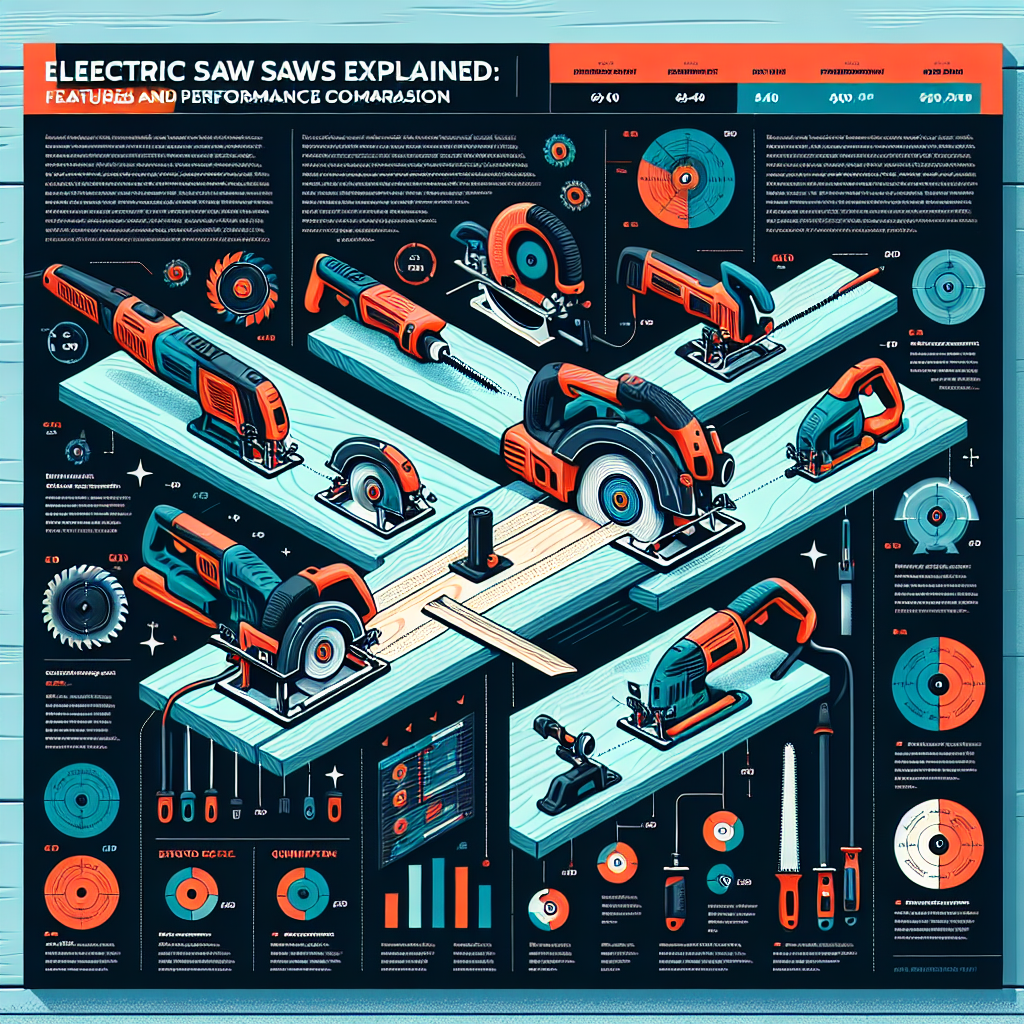
Electric Saws Explained: Features and Performance Comparison
Types of Electric Saws and Their Mechanisms
When it comes to electric saws, the variety is staggering—like a candy store for woodworkers. But instead of gummy bears and chocolate bars, you’ve got circular saws, jigsaws, reciprocating saws, and more. Each type has its own unique mechanism that can make or break your project.
Circular Saws
The circular saw is the workhorse of the electric saw world. Picture this: you're tackling a home renovation project, and you need to cut through thick plywood. Enter the circular saw with its spinning blade that can slice through materials like butter. It operates on a simple principle: a toothed blade rotates around an arbor, allowing for straight cuts at various depths.
- Versatile for crosscuts and rip cuts.
- Blade sizes typically range from 5-1/2 to 7-1/4 inches.
- Can be used with different blades for various materials.
Jigsaws
If you’re looking to make curved cuts or intricate designs, the jigsaw is your best friend. With a straight vertical blade that moves up and down, it’s perfect for cutting out shapes in wood or even metal. Just think about those fancy wooden puzzles—you can thank jigsaws for making them possible!
- Ideal for curved and intricate cuts.
- Blade types vary—some are designed for wood while others are suited for metal.
- Variable speed settings allow greater control.
Reciprocating Saws
What’s that noise?—a common question when someone’s using a reciprocating saw nearby. This beast is designed for demolition work; it features a push-and-pull motion that allows it to cut through tough materials like wood, metal, and even nails with ease. It's like having a mini wrecking ball in your toolbox!
- Sawzall is often used as a generic term due to its popularity.
- One-size-fits-all blades are available but specialized blades can enhance performance.
- Variable speed options help manage different cutting tasks.
When it comes to electric saws, the variety is staggering—like a candy store for woodworkers. But instead of gummy bears and chocolate bars, you’ve got circular saws, jigsaws, reciprocating saws, and more. Each type has its own unique mechanism that can make or break your project.
Circular Saws
The circular saw is the workhorse of the electric saw world. Picture this: you're tackling a home renovation project, and you need to cut through thick plywood. Enter the circular saw with its spinning blade that can slice through materials like butter. It operates on a simple principle: a toothed blade rotates around an arbor, allowing for straight cuts at various depths.
- Versatile for crosscuts and rip cuts.
- Blade sizes typically range from 5-1/2 to 7-1/4 inches.
- Can be used with different blades for various materials.
Jigsaws
If you’re looking to make curved cuts or intricate designs, the jigsaw is your best friend. With a straight vertical blade that moves up and down, it’s perfect for cutting out shapes in wood or even metal. Just think about those fancy wooden puzzles—you can thank jigsaws for making them possible!
- Ideal for curved and intricate cuts.
- Blade types vary—some are designed for wood while others are suited for metal.
- Variable speed settings allow greater control.
Reciprocating Saws
What’s that noise?—a common question when someone’s using a reciprocating saw nearby. This beast is designed for demolition work; it features a push-and-pull motion that allows it to cut through tough materials like wood, metal, and even nails with ease. It's like having a mini wrecking ball in your toolbox!
- Sawzall is often used as a generic term due to its popularity.
- One-size-fits-all blades are available but specialized blades can enhance performance.
- Variable speed options help manage different cutting tasks.
Key Features Influencing Performance
Have you ever tried cutting a piece of wood with a dull blade? It’s like trying to slice through a steak with a butter knife—frustrating and ineffective. The performance of an electric saw hinges on several key features that can either elevate your woodworking game or leave you cursing under your breath.
Power and Motor Specifications
The heart of any electric saw is its motor. A powerful motor translates to faster cuts, cleaner finishes, and less strain on your arm. For instance, a circular saw with a 15-amp motor can cut through hardwood like it's soft pine, while a weaker model might struggle, leaving you with jagged edges and splintered wood.
Pro Tip: Look for motors rated above 10 amps for general use; anything higher is ideal for heavy-duty tasks.
Blade Quality and Type
Not all blades are created equal. The material, tooth design, and sharpness play crucial roles in how efficiently an electric saw performs. A carbide-tipped blade may cost more upfront but lasts significantly longer than standard steel blades. Imagine needing to cut through thick plywood—using the right blade can save you time and ensure clean cuts without burning the wood.
- High tooth count blades are great for fine cuts.
- Lower tooth count blades excel in rough cuts.
- Specialized blades exist for specific materials like metal or tile.
Cutting Depth and Angle Adjustability
One-size-fits-all doesn't apply when it comes to cutting depth and angle adjustments. An electric saw that allows you to easily change the angle or depth can be a game changer. For example, if you're working on an intricate project that requires beveled cuts, having the flexibility to adjust your saw makes all the difference between precision work and a botched job.
Weight and Ergonomics
You might not think about weight until you're midway through cutting your fifth board of the day. A lighter saw can be easier to handle but may lack the power needed for tougher materials. On the other hand, heavier models often provide better stability but can lead to fatigue during extended use. Finding that sweet spot in ergonomics is essential—after all, nobody wants sore arms after a weekend project!
Have you ever tried cutting a piece of wood with a dull blade? It’s like trying to slice through a steak with a butter knife—frustrating and ineffective. The performance of an electric saw hinges on several key features that can either elevate your woodworking game or leave you cursing under your breath.
Power and Motor Specifications
The heart of any electric saw is its motor. A powerful motor translates to faster cuts, cleaner finishes, and less strain on your arm. For instance, a circular saw with a 15-amp motor can cut through hardwood like it's soft pine, while a weaker model might struggle, leaving you with jagged edges and splintered wood.
Pro Tip: Look for motors rated above 10 amps for general use; anything higher is ideal for heavy-duty tasks.
Blade Quality and Type
Not all blades are created equal. The material, tooth design, and sharpness play crucial roles in how efficiently an electric saw performs. A carbide-tipped blade may cost more upfront but lasts significantly longer than standard steel blades. Imagine needing to cut through thick plywood—using the right blade can save you time and ensure clean cuts without burning the wood.
- High tooth count blades are great for fine cuts.
- Lower tooth count blades excel in rough cuts.
- Specialized blades exist for specific materials like metal or tile.
Cutting Depth and Angle Adjustability
One-size-fits-all doesn't apply when it comes to cutting depth and angle adjustments. An electric saw that allows you to easily change the angle or depth can be a game changer. For example, if you're working on an intricate project that requires beveled cuts, having the flexibility to adjust your saw makes all the difference between precision work and a botched job.
Weight and Ergonomics
You might not think about weight until you're midway through cutting your fifth board of the day. A lighter saw can be easier to handle but may lack the power needed for tougher materials. On the other hand, heavier models often provide better stability but can lead to fatigue during extended use. Finding that sweet spot in ergonomics is essential—after all, nobody wants sore arms after a weekend project!
Comparative Analysis of Cutting Techniques
Did you know that the average woodworker spends over 30% of their time just choosing the right cutting technique? That’s like spending a whole afternoon deciding what toppings to put on your pizza instead of actually eating it! When it comes to electric saws, the cutting technique you choose can make or break your project.
Circular Saw: The Straight Shooter
Let’s start with the circular saw—arguably the most versatile tool in your arsenal. It’s like the Swiss Army knife of electric saws, perfect for straight cuts and ripping through lumber. The key here is its blade speed and design; a higher RPM means quicker cuts. However, if you’re not careful, it can also mean splintered edges and rough finishes.
- Best for straight cuts in plywood and dimensional lumber.
- Adjustable depth settings help customize cuts.
- Can be tricky for beginners due to kickback risk.
Jigsaw: The Curvy Companion
Next up is the jigsaw, your go-to for intricate designs and curves. Think of it as a dancer on a stage, gracefully moving through wood with finesse. Its ability to pivot and cut at various angles makes it ideal for creative projects. But beware: while it excels at curves, it may struggle with thick materials unless equipped with the right blade.
- Perfect for detailed cuts and patterns.
- Variable speed settings offer better control.
- Limited power makes it less effective on thicker materials.
Reciprocating Saw: The Demolition Dynamo
What’s that noise?—a common reaction when someone fires up a reciprocating saw. This tool is built for demolition or heavy-duty tasks, making quick work of wood, nails, and even metal pipes. However, its aggressive cutting action can be overkill for finer projects where precision is key.
Did you know that the average woodworker spends over 30% of their time just choosing the right cutting technique? That’s like spending a whole afternoon deciding what toppings to put on your pizza instead of actually eating it! When it comes to electric saws, the cutting technique you choose can make or break your project.
Circular Saw: The Straight Shooter
Let’s start with the circular saw—arguably the most versatile tool in your arsenal. It’s like the Swiss Army knife of electric saws, perfect for straight cuts and ripping through lumber. The key here is its blade speed and design; a higher RPM means quicker cuts. However, if you’re not careful, it can also mean splintered edges and rough finishes.
- Best for straight cuts in plywood and dimensional lumber.
- Adjustable depth settings help customize cuts.
- Can be tricky for beginners due to kickback risk.
Jigsaw: The Curvy Companion
Next up is the jigsaw, your go-to for intricate designs and curves. Think of it as a dancer on a stage, gracefully moving through wood with finesse. Its ability to pivot and cut at various angles makes it ideal for creative projects. But beware: while it excels at curves, it may struggle with thick materials unless equipped with the right blade.
- Perfect for detailed cuts and patterns.
- Variable speed settings offer better control.
- Limited power makes it less effective on thicker materials.
Reciprocating Saw: The Demolition Dynamo
What’s that noise?—a common reaction when someone fires up a reciprocating saw. This tool is built for demolition or heavy-duty tasks, making quick work of wood, nails, and even metal pipes. However, its aggressive cutting action can be overkill for finer projects where precision is key.
Safety Features in Electric Saws
When it comes to electric saws, safety isn’t just a feature; it’s a necessity. Did you know that nearly 40,000 people visit emergency rooms each year due to saw-related injuries? That’s a staggering statistic that should make anyone think twice before picking up an electric saw without understanding its safety features.
Blade Guards: Your First Line of Defense
Most electric saws come equipped with blade guards designed to prevent accidental contact with the blade while it's spinning. Picture this: you're in the zone, cutting through wood like a pro, and suddenly—bam! You accidentally touch the blade. A good blade guard can save your fingers from becoming part of a horror movie. Make sure that the guard is functional and retracts smoothly when you’re making your cuts.
Electric Braking Systems: Stop on a Dime
Imagine you’re deep into a cut, and suddenly you realize you need to stop immediately—maybe because your cat decided to make an appearance right where you're working. Electric braking systems can halt the blade within seconds, minimizing the risk of accidents. This feature is particularly common in higher-end models and can be a game changer for both seasoned pros and weekend warriors.
Anti-Kickback Mechanisms: Keeping Control
Kickback sounds like something you'd want to avoid at all costs—and for good reason! It happens when the saw gets pinched or bound during a cut, causing it to jerk back toward you. Many electric saws include anti-kickback mechanisms that help prevent this dangerous occurrence. Look for models with features like riving knives or low-profile blades designed specifically to reduce kickback risks.
Pro Tip: Always inspect these safety features before using your electric saw—better safe than sorry!
Ergonomic Design: Comfort Meets Safety
Safety first also applies to how comfortable you feel using your tool. An ergonomic design reduces fatigue during long cutting sessions, allowing for better control over the saw. If your hands are cramping or slipping because of an awkward grip, you're more likely to make mistakes that could lead to accidents. Check out models with rubberized grips and balanced weight distribution for maximum comfort.
Safety First Should Be Your Mantra
Safety first isn’t just a catchy phrase; it’s essential when working with powerful tools like electric saws. Always familiarize yourself with each safety feature before starting any project, and don’t hesitate to invest in additional protective gear like goggles or gloves if necessary. Remember, no project is worth risking your well-being!
When it comes to electric saws, safety isn’t just a feature; it’s a necessity. Did you know that nearly 40,000 people visit emergency rooms each year due to saw-related injuries? That’s a staggering statistic that should make anyone think twice before picking up an electric saw without understanding its safety features.
Blade Guards: Your First Line of Defense
Most electric saws come equipped with blade guards designed to prevent accidental contact with the blade while it's spinning. Picture this: you're in the zone, cutting through wood like a pro, and suddenly—bam! You accidentally touch the blade. A good blade guard can save your fingers from becoming part of a horror movie. Make sure that the guard is functional and retracts smoothly when you’re making your cuts.
Electric Braking Systems: Stop on a Dime
Imagine you’re deep into a cut, and suddenly you realize you need to stop immediately—maybe because your cat decided to make an appearance right where you're working. Electric braking systems can halt the blade within seconds, minimizing the risk of accidents. This feature is particularly common in higher-end models and can be a game changer for both seasoned pros and weekend warriors.
Anti-Kickback Mechanisms: Keeping Control
Kickback sounds like something you'd want to avoid at all costs—and for good reason! It happens when the saw gets pinched or bound during a cut, causing it to jerk back toward you. Many electric saws include anti-kickback mechanisms that help prevent this dangerous occurrence. Look for models with features like riving knives or low-profile blades designed specifically to reduce kickback risks.
Pro Tip: Always inspect these safety features before using your electric saw—better safe than sorry!
Ergonomic Design: Comfort Meets Safety
Safety first also applies to how comfortable you feel using your tool. An ergonomic design reduces fatigue during long cutting sessions, allowing for better control over the saw. If your hands are cramping or slipping because of an awkward grip, you're more likely to make mistakes that could lead to accidents. Check out models with rubberized grips and balanced weight distribution for maximum comfort.
Safety First Should Be Your Mantra
Safety first isn’t just a catchy phrase; it’s essential when working with powerful tools like electric saws. Always familiarize yourself with each safety feature before starting any project, and don’t hesitate to invest in additional protective gear like goggles or gloves if necessary. Remember, no project is worth risking your well-being!
Maintenance Practices for Longevity
Electric saws are like that friend who always shows up to help with home improvement projects—reliable, efficient, and always ready to cut through the chaos. But just like that friend, they need a little TLC to keep performing at their best. Neglecting maintenance can lead to diminished performance and a shorter lifespan, so let’s dig into some essential practices that will have your electric saw running like a dream.
Regular Cleaning: The Foundation of Care
Dust and debris are the arch-nemeses of electric saws. After each use, take a moment to wipe down the exterior and remove any wood shavings or dust from the blade area. A clean saw not only looks better but also operates more efficiently—think of it as giving your tool a refreshing spa day!
- Use compressed air or a brush to clear out dust from the motor housing.
- Wipe the blade with a soft cloth to remove resin buildup.
- Check for any loose screws or parts that might need tightening.
Blade Maintenance: Keep It Sharp!
A dull blade is like trying to cut steak with a butter knife—frustrating and ineffective. Regularly inspect your blade for wear and tear. If it’s showing signs of dullness or damage, it’s time for sharpening or replacement. A sharp blade enhances cutting efficiency and reduces strain on your motor.
- Sharpen blades regularly using a sharpening tool or take them to a professional.
- Replace blades when they become too worn; it's worth the investment!
- Use the correct type of blade for different materials—this can prevent premature dulling.
Lubrication: The Unsung Hero
Lubricate might sound like an intimidating term reserved for mechanics, but it’s crucial for keeping your electric saw running smoothly. Regular lubrication of moving parts reduces friction and wear, ensuring longevity. Just think of it as giving your saw some much-needed oil in its joints!
Electric saws are like that friend who always shows up to help with home improvement projects—reliable, efficient, and always ready to cut through the chaos. But just like that friend, they need a little TLC to keep performing at their best. Neglecting maintenance can lead to diminished performance and a shorter lifespan, so let’s dig into some essential practices that will have your electric saw running like a dream.
Regular Cleaning: The Foundation of Care
Dust and debris are the arch-nemeses of electric saws. After each use, take a moment to wipe down the exterior and remove any wood shavings or dust from the blade area. A clean saw not only looks better but also operates more efficiently—think of it as giving your tool a refreshing spa day!
- Use compressed air or a brush to clear out dust from the motor housing.
- Wipe the blade with a soft cloth to remove resin buildup.
- Check for any loose screws or parts that might need tightening.
Blade Maintenance: Keep It Sharp!
A dull blade is like trying to cut steak with a butter knife—frustrating and ineffective. Regularly inspect your blade for wear and tear. If it’s showing signs of dullness or damage, it’s time for sharpening or replacement. A sharp blade enhances cutting efficiency and reduces strain on your motor.
- Sharpen blades regularly using a sharpening tool or take them to a professional.
- Replace blades when they become too worn; it's worth the investment!
- Use the correct type of blade for different materials—this can prevent premature dulling.
Lubrication: The Unsung Hero
Lubricate might sound like an intimidating term reserved for mechanics, but it’s crucial for keeping your electric saw running smoothly. Regular lubrication of moving parts reduces friction and wear, ensuring longevity. Just think of it as giving your saw some much-needed oil in its joints!
Environmental Considerations in Electric Saw Usage
Using an electric saw isn’t just about making clean cuts; it also comes with a responsibility to the environment. Did you know that electric saws can contribute to reducing carbon emissions compared to their gas-powered counterparts? In fact, studies show that electric tools can cut carbon footprints by up to 50% during usage. That’s not just a statistic; it’s a compelling reason to make the switch.
The Eco-Friendly Edge of Electric Saws
Electric saws are often more energy-efficient, translating into lower electricity usage over time. This is particularly relevant for contractors and DIY enthusiasts who may spend hours cutting materials. Think about it: if you’re using an electric saw for a weekend project, you’re not only saving on fuel costs but also minimizing your ecological footprint. It’s like choosing to ride your bike instead of driving—every little bit helps!
- Lower emissions compared to gas-powered tools.
- Reduced noise pollution, benefiting both users and neighbors.
- Less maintenance waste since electric tools have fewer moving parts.
Sustainable Practices for Electric Saw Users
While electric saws are better for the environment, how you use them matters too. Here are some sustainable practices that can enhance your eco-friendly efforts:
- Use recycled or sustainably sourced wood whenever possible.
- Properly dispose of old blades and batteries through recycling programs.
- Limit power usage by unplugging when not in use or using timers.
Important: Always check local guidelines for disposing of electric saw components responsibly.
Green Innovations in Electric Tools
Green technology is making its way into the world of electric tools, including saws. Many manufacturers are now focusing on creating products with eco-friendly materials and energy-efficient designs. For instance, some models feature lithium-ion batteries that last longer and charge faster than traditional options. By investing in these innovative tools, you’re not just getting better performance; you’re also supporting a shift toward greener manufacturing practices.
Using an electric saw isn’t just about making clean cuts; it also comes with a responsibility to the environment. Did you know that electric saws can contribute to reducing carbon emissions compared to their gas-powered counterparts? In fact, studies show that electric tools can cut carbon footprints by up to 50% during usage. That’s not just a statistic; it’s a compelling reason to make the switch.
The Eco-Friendly Edge of Electric Saws
Electric saws are often more energy-efficient, translating into lower electricity usage over time. This is particularly relevant for contractors and DIY enthusiasts who may spend hours cutting materials. Think about it: if you’re using an electric saw for a weekend project, you’re not only saving on fuel costs but also minimizing your ecological footprint. It’s like choosing to ride your bike instead of driving—every little bit helps!
- Lower emissions compared to gas-powered tools.
- Reduced noise pollution, benefiting both users and neighbors.
- Less maintenance waste since electric tools have fewer moving parts.
Sustainable Practices for Electric Saw Users
While electric saws are better for the environment, how you use them matters too. Here are some sustainable practices that can enhance your eco-friendly efforts:
- Use recycled or sustainably sourced wood whenever possible.
- Properly dispose of old blades and batteries through recycling programs.
- Limit power usage by unplugging when not in use or using timers.
Important: Always check local guidelines for disposing of electric saw components responsibly.
Green Innovations in Electric Tools
Green technology is making its way into the world of electric tools, including saws. Many manufacturers are now focusing on creating products with eco-friendly materials and energy-efficient designs. For instance, some models feature lithium-ion batteries that last longer and charge faster than traditional options. By investing in these innovative tools, you’re not just getting better performance; you’re also supporting a shift toward greener manufacturing practices.
Performance Metrics in Real-World Applications
Imagine a contractor named Jake, who’s juggling multiple projects and needs to make quick, precise cuts. He recently switched to a high-performance electric saw and discovered that it not only saved him time but also improved the quality of his work. In fact, studies show that using an electric saw with optimal performance metrics can reduce cutting time by up to 30% compared to lower-end models.
Understanding Performance Metrics
Performance metrics for electric saws can be as critical as the saw itself. These include RPM (revolutions per minute), cutting depth, and power output—each playing a pivotal role in determining how effectively a saw can tackle various materials. For instance, a circular saw with a higher RPM is great for quick cuts but may require more control to avoid rough edges.
- RPM: Higher RPM means faster cuts but can lead to splintering if not managed.
- Cutting Depth: Adjustable depths allow for versatility across different projects.
- Power Output: A more powerful motor translates to cleaner cuts in tougher materials.
Real-World Scenarios
Let’s look at some real-world scenarios that highlight these performance metrics in action. Consider a small furniture maker who often works with hardwood. By choosing an electric saw with a robust motor and adjustable cutting depth, they can create intricate designs without sacrificing efficiency or quality.
Pro Tip: Always test your electric saw on scrap material before starting on your actual project to gauge its performance under real conditions.
Comparing Electric Saw Models
| Model | RPM | % Power Efficiency | $ Price |
|---|---|---|---|
| Model A | 5500 | 85 | 0 |
| Model B | 6000 | 90 | 0 |
| Model C | 7000 | 75 | 0 |
Model B stands out not just for its higher RPM but also for its impressive power efficiency—meaning it does more with less energy. This metric is crucial for professionals like Jake who are conscious of both performance and operating costs.
Imagine a contractor named Jake, who’s juggling multiple projects and needs to make quick, precise cuts. He recently switched to a high-performance electric saw and discovered that it not only saved him time but also improved the quality of his work. In fact, studies show that using an electric saw with optimal performance metrics can reduce cutting time by up to 30% compared to lower-end models.
Understanding Performance Metrics
Performance metrics for electric saws can be as critical as the saw itself. These include RPM (revolutions per minute), cutting depth, and power output—each playing a pivotal role in determining how effectively a saw can tackle various materials. For instance, a circular saw with a higher RPM is great for quick cuts but may require more control to avoid rough edges.
- RPM: Higher RPM means faster cuts but can lead to splintering if not managed.
- Cutting Depth: Adjustable depths allow for versatility across different projects.
- Power Output: A more powerful motor translates to cleaner cuts in tougher materials.
Real-World Scenarios
Let’s look at some real-world scenarios that highlight these performance metrics in action. Consider a small furniture maker who often works with hardwood. By choosing an electric saw with a robust motor and adjustable cutting depth, they can create intricate designs without sacrificing efficiency or quality.
Pro Tip: Always test your electric saw on scrap material before starting on your actual project to gauge its performance under real conditions.
Comparing Electric Saw Models
| Model | RPM | % Power Efficiency | $ Price |
|---|---|---|---|
| Model A | 5500 | 85 | $120 |
| Model B | 6000 | 90 | $150 |
| Model C | 7000 | 75 | $200 |
Model B stands out not just for its higher RPM but also for its impressive power efficiency—meaning it does more with less energy. This metric is crucial for professionals like Jake who are conscious of both performance and operating costs.
{
“@context”: “https://schema.org”,
“@graph”: [
{
“@type”: “BlogPosting”,
“headline”: “Electric Saw Guide: Features & Performance Compared”,
“image”: “https://shop.hubzonedepot.com/images/electric-saw-guide.jpg”,
“author”: {
“@type”: “Person”,
“name”: “Elisa”
},
“publisher”: {
“@type”: “Organization”,
“name”: “Hubzone Depot Shop”,
“url”: “https://shop.hubzonedepot.com”
},
“datePublished”: “2023-10-10”,
“dateModified”: “2023-10-10”,
“mainEntityOfPage”: {
“@type”: “WebPage”,
“@id”: “https://shop.hubzonedepot.com/electric-saw-guide-features-performance”
},
“description”: “Discover the best electric saws with our detailed features and performance comparison. Find the perfect electric saw for your needs.”,
“articleBody”: “
Electric Saws Explained: Features and Performance Comparison
Types of Electric Saws and Their Mechanisms
When it comes to electric saws, the variety is staggering—like a candy store for woodworkers. But instead of gummy bears and chocolate bars, you’ve got circular saws, jigsaws, reciprocating saws, and more. Each type has its own unique mechanism that can make or break your project.
Circular Saws
The circular saw is the workhorse of the electric saw world. Picture this: you’re tackling a home renovation project, and you need to cut through thick plywood. Enter the circular saw with its spinning blade that can slice through materials like butter. It operates on a simple principle: a toothed blade rotates around an arbor, allowing for straight cuts at various depths.
- Versatile for crosscuts and rip cuts.
- Blade sizes typically range from 5-1/2 to 7-1/4 inches.
- Can be used with different blades for various materials.
”
},
{
“@type”: “FAQPage”,
“mainEntity”: [
{
“@type”: “Question”,
“name”: “What are the types of electric saws?”,
“acceptedAnswer”: {
“@type”: “Answer”,
“text”: “
The main types of electric saws include circular saws, jigsaws, and reciprocating saws. Each type has its own unique mechanism suitable for different cutting tasks.
”
}
},
{
“@type”: “Question”,
“name”: “What safety features should I look for in an electric saw?”,
“acceptedAnswer”: {
“@type”: “Answer”,
“text”: “
Important safety features include blade guards, electric braking systems, anti-kickback mechanisms, and ergonomic designs to ensure safe operation.
”
}
}
]
},
{
“@type”: [“SpeakableSpecification”],
“@id”:”#speakable1″,
“[Speakable]”:”
Electric Saws Explained: Features and Performance Comparison
“,
“[Speakable]”:”
Types of Electric Saws and Their Mechanisms
“,
“[Speakable]”:”
When it comes to electric saws, the variety is staggering—like a candy store for woodworkers…
”
}
]
}article blockquote,article ol li,article p,article ul li{font-family:inherit;font-size:18px}.featuredimage{height:300px;overflow:hidden;position:relative;margin-top:20px;margin-bottom:20px}.featuredimage img{width:100%;height:100%;top:50%;left:50%;object-fit:cover;position:absolute;transform:translate(-50%,-50%)}article p{line-height:30px}article ol li,article ul li{line-height:30px;margin-bottom:15px}article blockquote{border-left:4px solid #ccc;font-style:italic;background-color:#f8f9fa;padding:20px;border-radius:5px;margin:15px 10px}article div.info-box{background-color:#fff9db;padding:20px;border-radius:5px;margin:15px 0;border:1px solid #efe496}article table{margin:15px 0;padding:10px;border:1px solid #ccc}article div.info-box p{margin-bottom:0;margin-top:0}article span.highlight{background-color:#f8f9fb;padding:2px 5px;border-radius:5px}article div.info-box span.highlight{background:0 0!important;padding:0;border-radius:0}article img{max-width:100%;margin:20px 0}