


 MAIN MENU
 My Supplies
 Get Help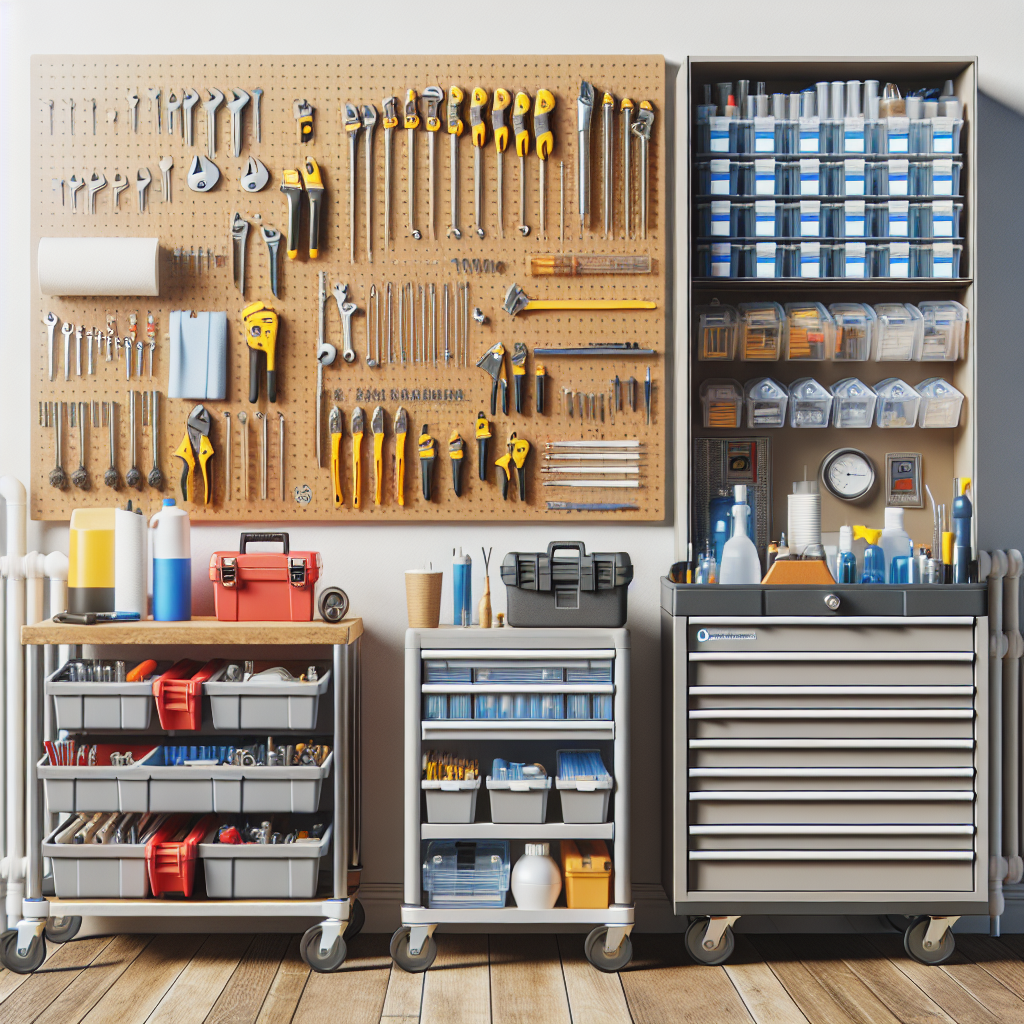
Complete Plumbing Tool Kit: What Every Plumber Needs
Essential Hand Tools for Plumbing
A well-stocked plumbing toolkit is the unsung hero of every successful plumbing job. Without the right hand tools, even the most skilled plumber can feel like a chef trying to whip up a soufflé with only a butter knife.
Let’s face it: nothing is more frustrating than showing up to a job site and realizing you left your trusty pipe wrench at home. According to a recent survey, 78% of plumbers report that having the right tools on hand not only speeds up their work but also prevents costly mistakes. So, what should be in your arsenal?
Must-Have Plumbing Tools
- Pipe Wrench: Your best friend for gripping and turning pipes.
- Adjustable Wrench: Perfect for those odd sizes that just won't fit.
- Plumber's Tape: The magic strip that prevents leaks on threaded joints.
- Basin Wrench: Designed specifically for tight spaces under sinks.
- Pliers: A versatile tool for gripping, twisting, and cutting.
Each of these tools has its own unique role in ensuring that your plumbing tasks are completed efficiently. For instance, the basin wrench is a lifesaver when you’re contorting yourself under a sink—it's like having an extra set of hands!
Why Quality Matters
Buy once, cry once is a mantra every plumber should live by. Investing in high-quality plumbing tools pays off in durability and performance. Cheap tools may seem tempting, but they often lead to more headaches—literally and figuratively. A stripped screw or broken handle can turn a simple job into an all-day affair.
Quality tools can make or break your plumbing experience.
Toolbox Essentials Checklist
| Tool | Purpose |
|---|---|
| Pipe Wrench | Gripping and turning pipes |
| Adjustable Wrench | Versatile for various sizes |
| Plumber's Tape | Sealing threaded joints |
| Basin Wrench | Tight spaces under sinks |
| Pliers | Gripping, twisting, cutting |
In summary, having the right plumbing tools isn't just about convenience; it's about efficiency and quality work. So next time you're gearing up for a job or stocking your toolbox at home, make sure these essentials are front and center. After all, your work deserves nothing less than top-notch equipment!
Power Tools Commonly Used in Plumbing
Let’s talk power tools—those glorious machines that transform a plumber's toolkit from ordinary to extraordinary. Imagine trying to cut through a stubborn pipe with a hand saw when you could be using a reciprocating saw instead. It’s like trying to chop vegetables with a spoon instead of a chef’s knife. Not only does it slow you down, but it can also lead to some seriously questionable results.
Essential Power Tools for Every Plumber
Power tools are the unsung heroes of plumbing jobs, saving time and effort while ensuring precision. Here are some must-have power tools that every plumber should consider adding to their arsenal:
- Reciprocating Saw: Perfect for cutting through pipes quickly and efficiently.
- Cordless Drill: A versatile tool for drilling holes and driving screws.
- Pipe Threader: Essential for creating threaded connections on pipes.
- Angle Grinder: Great for cutting, grinding, and polishing metal pipes.
- Drain Snake Machine: A powerful tool for clearing stubborn clogs in drains.
The Benefits of Using Power Tools
Using power tools not only streamlines your workflow but also enhances safety. For example, using a drain snake machine can prevent back strain from manual snaking—because no one wants to end up with an aching back after battling with a clogged sink. Plus, these tools often provide cleaner cuts or more secure fittings than their manual counterparts.
Efficiency is key—power tools help you get the job done faster and with less effort.
Power Tool Pitfalls to Avoid
More power doesn’t always mean better results. It’s crucial to understand how to use each tool properly. For instance, overusing an angle grinder can cause heat buildup, damaging the material you're working on or even leading to injury. Always read the manuals and follow safety precautions!
In conclusion, incorporating power tools into your plumbing toolkit isn't just about convenience; it's about elevating your work quality and efficiency. As you gear up for your next job, consider which power tools will best serve your needs—because let’s face it: nobody enjoys wrestling with stubborn materials when there’s an easier way!
Specialized Tools for Pipe Fitting and Repair
Imagine being on a job where you need to fit pipes together perfectly, but all you have is a pair of pliers and a dream. Not exactly the ideal setup, right? Specialized plumbing tools are the unsung heroes that can turn pipe fitting from a headache into a breeze.
According to industry experts, using the right specialized tools can reduce installation time by up to 30%. That's not just a statistic; that's more time for coffee breaks and less time wrestling with pipes!
Key Specialized Tools
- Pipe Bender: Perfect for creating smooth bends in pipes without kinks.
- Pipe Cutter: A clean cut every time, ensuring seamless fittings.
- Flaring Tool: Essential for creating flared ends on copper tubing.
- Soldering Kit: For joining copper pipes with precision and durability.
Each of these tools plays a vital role. For instance, a pipe bender allows you to create perfect angles without compromising the integrity of the pipe. It’s like having an artist's touch in your toolkit!
Why Specialized Tools Matter
One size fits all may work for t-shirts, but not for plumbing. Using specialized tools ensures that every joint is secure and every connection is leak-free. This not only enhances the quality of your work but also builds your reputation as a reliable plumber.
The right tool can save you hours of frustration!
Common Mistakes to Avoid
I’ll just make do with what I have—a phrase that often leads to disaster. Trying to fit pipes without the proper tools can result in leaks or even damage to the system. It’s crucial to recognize that cutting corners here can lead to costly repairs down the line.
Diagnostic Tools for Troubleshooting Plumbing Issues
Ever tried to fix a plumbing issue without knowing the root cause? It's like trying to solve a mystery with half the clues missing. Diagnostic tools are your best friends in these situations, turning you from a mere plumber into a plumbing detective.
A staggering 60% of plumbing problems stem from undiagnosed issues, according to industry reports. That means if you’re not using the right diagnostic tools, you might be throwing darts blindfolded in a dark room—frustrating and ineffective!
Essential Diagnostic Tools
Let’s break it down. The plumbing inspection camera is like having X-ray vision; it shows you exactly what’s happening inside those tricky pipes. No more guessing games or costly surprises—just clear visuals that guide your next steps.
Why You Need Them
An ounce of prevention is worth a pound of cure—and nowhere is this truer than in plumbing. Using diagnostic tools saves time and money by pinpointing issues before they escalate into full-blown disasters. Imagine discovering a minor leak before it turns into an indoor swimming pool!
The right diagnostic tool can save you hours of labor and thousands in potential damages.
Common Missteps to Avoid
I’ll just wing it should never be part of your plumbing vocabulary. Relying on guesswork instead of solid diagnostics can lead to unnecessary repairs and client dissatisfaction. Always equip yourself with the proper tools and knowledge before tackling any job.
Skipping diagnostics may save time in the short run, but it’ll cost you dearly later on. When clients start calling about recurring issues, that’s when the real headache begins.
In summary, having reliable diagnostic tools at your disposal is crucial for effective plumbing work. They help identify problems swiftly and accurately, allowing for efficient resolutions that leave clients satisfied and systems running smoothly. So next time you're gearing up for a job, remember: being equipped with the right diagnostic tools can turn potential chaos into calm efficiency!
Safety Equipment Every Plumber Should Have
Imagine this: you're knee-deep in a plumbing job, and suddenly you slip on a wet floor, sending your toolbox flying. Not only is your pride bruised, but so is your toe. Ouch! This is where safety equipment comes into play—it's not just an accessory; it's essential.
According to the Bureau of Labor Statistics, over 100,000 plumbing-related injuries occur annually in the U.S., many of which are preventable with proper safety gear. A little foresight can save you from becoming part of that statistic.
Must-Have Safety Gear
- Safety Goggles: Protect your eyes from debris and splashes.
- Gloves: Keep your hands safe from sharp objects and harsh chemicals.
- Knee Pads: Because kneeling on hard surfaces all day isn’t fun!
- Steel-Toed Boots: Protect those precious toes from heavy tools and materials.
- Hard Hat: Essential for jobs where overhead hazards are present.
Each piece of safety equipment plays a vital role in ensuring you can work without fear. For instance, wearing steel-toed boots might not seem glamorous, but they can mean the difference between a minor inconvenience and a trip to the ER after dropping a heavy wrench on your foot.
The Importance of Personal Protective Equipment (PPE)
Better safe than sorry might be a cliché, but it rings particularly true for plumbers. Using PPE not only protects you but also sets an example for safety culture on job sites. If you show up without gear, you're sending the message that safety isn't a priority—definitely not the impression you want to leave!
Don’t skimp on safety gear; it’s an investment in your health and career longevity!
I’ll Be Fine Mentality: A Common Mistake
I’ll be fine—a phrase that often leads to disaster in plumbing. Skipping out on safety gear because it feels unnecessary or cumbersome can lead to serious consequences. One slip or one spark can turn an ordinary day into an extraordinary disaster.
So next time you're gearing up for a job, remember that investing in quality safety equipment isn’t just about compliance; it's about protecting yourself so you can continue doing what you love—plumbing!
Maintenance Tools to Ensure Long-Term Performance
It’s a sad truth: a staggering 70% of plumbing issues stem from poor maintenance. That’s like finding out your favorite restaurant is actually a fast-food joint in disguise—disappointing and potentially costly.
Imagine this scenario: you’ve just finished installing a beautiful new sink, and you’re feeling pretty proud of your handiwork. Fast forward a few months, and suddenly, that sink starts leaking. What went wrong? Often, it’s the lack of proper maintenance tools that leads to these headaches.
Key Maintenance Tools Every Plumber Should Have
To keep your plumbing in tip-top shape, certain maintenance tools are indispensable. Here are some must-haves that can help prolong the life of your installations:
- Pipe Inspection Camera: This nifty gadget allows you to peek inside pipes without invasive procedures—think of it as the endoscopy for plumbing.
- Drain Cleaning Tools: Whether it's a simple auger or a high-powered drain snake, these tools are essential for tackling clogs before they escalate.
- Pressure Gauge: Monitoring water pressure can prevent leaks and bursts; after all, who wants to deal with an indoor fountain?
- Water Quality Testing Kit: Ensuring your water supply is clean keeps both your clients and their plumbing systems happy.
- Pipe Insulation Materials: Keeping pipes insulated not only prevents freezing but also saves energy—win-win!
The Importance of Regular Maintenance
Out of sight, out of mind might work for dust bunnies under your couch, but not for plumbing systems. Regular maintenance can save you from costly repairs down the line. For instance, using a pipe inspection camera regularly can catch small issues before they become major headaches.
Pro Tip: Schedule routine inspections every six months to catch potential problems early.
I’ll fix it later is often the mantra that leads to disaster. Delaying necessary maintenance because you don't have the right tools can turn minor leaks into full-blown floods. Don’t let procrastination cost you time and money!
Remember, maintaining plumbing systems isn’t just about fixing problems as they arise; it’s about preventing them altogether. So stock up on these key maintenance tools and keep everything flowing smoothly!
Storage Solutions for Organizing Plumbing Tools Effectively
Ever rummaged through a chaotic toolbox, only to find that your favorite pipe wrench is hiding behind a mountain of random screws and old receipts? You’re not alone. A staggering 65% of plumbers report that disorganized tools lead to wasted time on the job site. Let's face it: when you're knee-deep in a plumbing project, the last thing you need is to be playing hide-and-seek with your tools.
The right storage solutions can transform your toolbox from a black hole of confusion into an organized haven where every tool has its place. Think of it as giving your plumbing tools their own VIP section—because they deserve it!
Toolbox Types: Which One Suits You?
When it comes to storing plumbing tools, not all toolboxes are created equal. Here are some popular options to consider:
- Rolling Tool Chest: Perfect for those who need mobility on the job site.
- Tool Bags: Great for quick jobs or when you need to carry just a few essentials.
- Wall-Mounted Organizers: Ideal for home workshops where space is limited.
- Magnetic Tool Holders: Keep frequently used tools within arm's reach.
Choose the right storage solution based on your work style and job requirements.
Organizational Strategies
Now that you’ve picked your toolbox, let’s talk about how to keep it organized. Here are some strategies that can help:
- Categorize Your Tools: Group similar items together—hand tools in one section, power tools in another. This makes finding what you need quicker than ever.
- Use Clear Bins: Transparent storage bins allow you to see everything at a glance without digging around.
- Label Everything: A simple label maker can save you from future headaches. Clearly mark each bin or section so there’s no guesswork involved.
- Regular Maintenance: Schedule time every month to tidy up your toolbox. Regularly removing unnecessary items keeps things manageable.
(Bonus) Digital Inventory Management
In this digital age, why not take advantage of technology? There are several apps available that allow you to create a digital inventory of your plumbing tools. This way, you can keep track of what you have and what needs replacing without having to dig through your physical toolbox.
Ultimately, investing time in organizing your plumbing tools pays off in spades. Not only will you work more efficiently, but you'll also impress clients with your professionalism. So get out there, declutter that toolbox, and make every job smoother than ever!
{
“@context”: “https://schema.org”,
“@type”: “BlogPosting”,
“mainEntityOfPage”: {
“@type”: “WebPage”,
“@id”: “https://shop.hubzonedepot.com/plumbing-tools-complete-kit”
},
“headline”: “Essential Plumbing Tools: Complete Kit for Every Plumber”,
“description”: “Discover the ultimate plumbing tools kit every plumber needs. Find top-rated tools to tackle any plumbing job efficiently.”,
“image”: [
“https://example.com/image1.jpg”,
“https://example.com/image2.jpg”
],
“author”: {
“@type”: “Person”,
“name”: “Elisa”
},
“publisher”: {
“@type”: “Organization”,
“name”: “Hubzone Depot Shop”,
“logo”: {
“@type”: “ImageObject”,
“url”: “https://shop.hubzonedepot.com/logo.jpg”
}
},
“datePublished”: “2023-10-01”,
“dateModified”: “2023-10-01”
}
article blockquote,article ol li,article p,article ul li{font-family:inherit;font-size:18px}.featuredimage{height:300px;overflow:hidden;position:relative;margin-top:20px;margin-bottom:20px}.featuredimage img{width:100%;height:100%;top:50%;left:50%;object-fit:cover;position:absolute;transform:translate(-50%,-50%)}article p{line-height:30px}article ol li,article ul li{line-height:30px;margin-bottom:15px}article blockquote{border-left:4px solid #ccc;font-style:italic;background-color:#f8f9fa;padding:20px;border-radius:5px;margin:15px 10px}article div.info-box{background-color:#fff9db;padding:20px;border-radius:5px;margin:15px 0;border:1px solid #efe496}article table{margin:15px 0;padding:10px;border:1px solid #ccc}article div.info-box p{margin-bottom:0;margin-top:0}article span.highlight{background-color:#f8f9fb;padding:2px 5px;border-radius:5px}article div.info-box span.highlight{background:0 0!important;padding:0;border-radius:0}article img{max-width:100%;margin:20px 0}