


 MAIN MENU
 My Supplies
 Get Help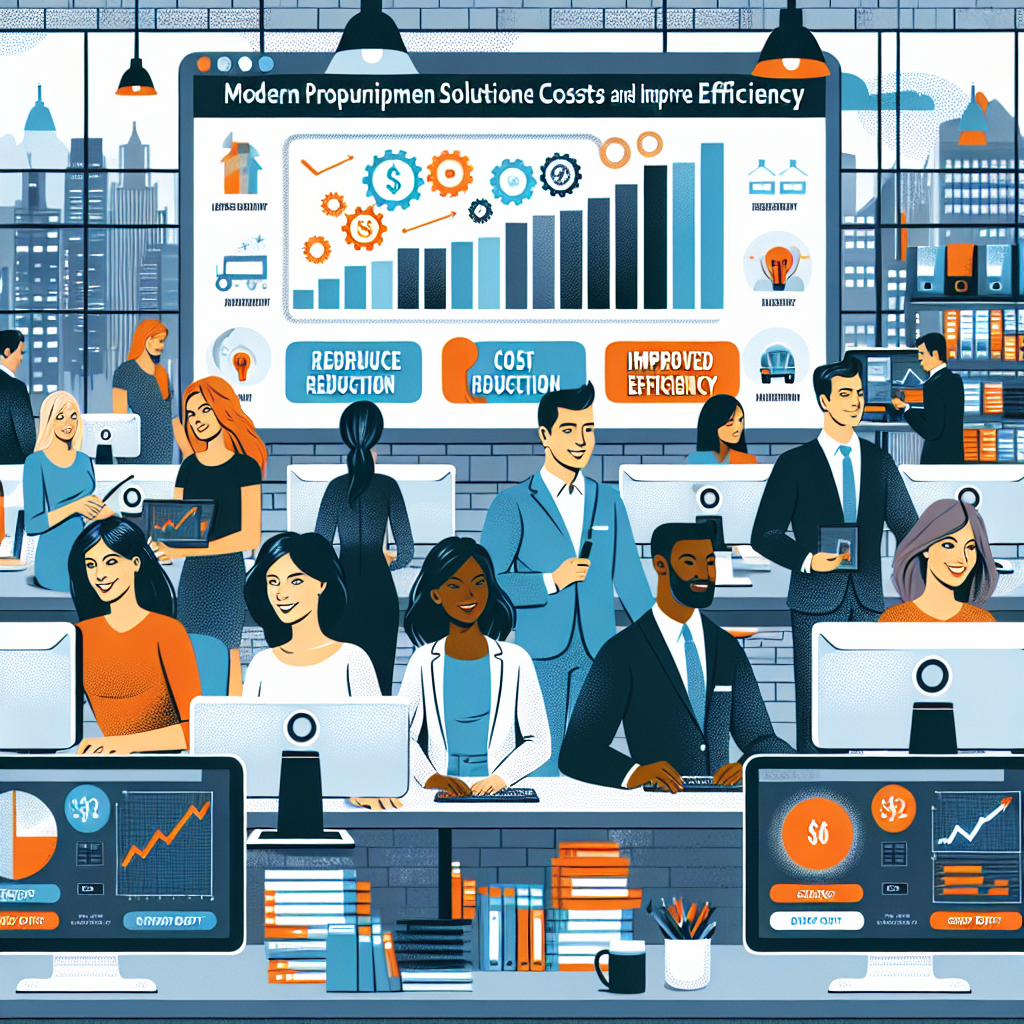
Modern Procurement Solutions That Reduce Costs and Improve Efficiency
Leveraging Technology in Procurement
Did you know that companies utilizing procurement solutions powered by technology can save up to 30% on their operational costs? That’s not just a number; it’s a game-changer. In a world where margins are tighter than your favorite pair of skinny jeans after the holidays, leveraging tech is no longer optional—it's essential.
Take, for instance, a mid-sized manufacturing firm grappling with outdated procurement processes. They’re stuck in the Stone Age, relying on spreadsheets and manual orders. As a result, they face delays, miscommunication, and skyrocketing costs. But when they finally embrace modern procurement solutions—like automated sourcing and cloud-based spend analysis—the transformation is nothing short of miraculous. Suddenly, they’re not just keeping up; they’re leading the pack.
The Rise of E-Procurement Platforms
E-procurement platforms have burst onto the scene like a surprise guest at a party you didn’t even know you were hosting. These platforms streamline purchasing processes by providing centralized access to suppliers and automating workflows. For example, let’s look at an e-commerce retailer that integrated an e-procurement solution into its operations. With real-time analytics and automated purchase orders, they reduced their procurement cycle time from weeks to mere days. Talk about efficiency!
Data-Driven Decision Making
One of the biggest perks of modern procurement solutions is data analytics. Imagine having insights at your fingertips that allow you to make informed decisions about supplier performance or spending trends. It’s like having a personal assistant who knows exactly what you need before you do! Companies that leverage data analytics can forecast demand more accurately and negotiate better contracts with suppliers based on historical performance.
- Identify cost-saving opportunities through spend analysis.
- Monitor supplier performance using KPIs.
- Enhance contract compliance with automated reminders.
Data-driven decisions lead to smarter procurement strategies.
(Anti-Pattern) Avoiding Tech Overload
More tech equals more efficiency, right? Not necessarily! Some companies fall into the trap of over-engineering their procurement processes with too many tools and platforms—think of it as trying to bake a cake using every gadget in your kitchen. Instead of simplifying things, it creates chaos! The key is finding the right balance between technology and human insight.
In conclusion, embracing technology in procurement isn't just beneficial; it's crucial for survival in today’s competitive landscape. Consider evaluating your current processes: Are they streamlined enough? Are you leveraging data effectively? If not, it might be time to explore modern procurement solutions that can transform your business into an efficiency powerhouse.
Did you know that companies utilizing procurement solutions powered by technology can save up to 30% on their operational costs? That’s not just a number; it’s a game-changer. In a world where margins are tighter than your favorite pair of skinny jeans after the holidays, leveraging tech is no longer optional—it's essential.
Take, for instance, a mid-sized manufacturing firm grappling with outdated procurement processes. They’re stuck in the Stone Age, relying on spreadsheets and manual orders. As a result, they face delays, miscommunication, and skyrocketing costs. But when they finally embrace modern procurement solutions—like automated sourcing and cloud-based spend analysis—the transformation is nothing short of miraculous. Suddenly, they’re not just keeping up; they’re leading the pack.
The Rise of E-Procurement Platforms
E-procurement platforms have burst onto the scene like a surprise guest at a party you didn’t even know you were hosting. These platforms streamline purchasing processes by providing centralized access to suppliers and automating workflows. For example, let’s look at an e-commerce retailer that integrated an e-procurement solution into its operations. With real-time analytics and automated purchase orders, they reduced their procurement cycle time from weeks to mere days. Talk about efficiency!
Data-Driven Decision Making
One of the biggest perks of modern procurement solutions is data analytics. Imagine having insights at your fingertips that allow you to make informed decisions about supplier performance or spending trends. It’s like having a personal assistant who knows exactly what you need before you do! Companies that leverage data analytics can forecast demand more accurately and negotiate better contracts with suppliers based on historical performance.
- Identify cost-saving opportunities through spend analysis.
- Monitor supplier performance using KPIs.
- Enhance contract compliance with automated reminders.
Data-driven decisions lead to smarter procurement strategies.
(Anti-Pattern) Avoiding Tech Overload
More tech equals more efficiency, right? Not necessarily! Some companies fall into the trap of over-engineering their procurement processes with too many tools and platforms—think of it as trying to bake a cake using every gadget in your kitchen. Instead of simplifying things, it creates chaos! The key is finding the right balance between technology and human insight.
In conclusion, embracing technology in procurement isn't just beneficial; it's crucial for survival in today’s competitive landscape. Consider evaluating your current processes: Are they streamlined enough? Are you leveraging data effectively? If not, it might be time to explore modern procurement solutions that can transform your business into an efficiency powerhouse.
Data-Driven Decision Making in Procurement
Imagine walking into a procurement meeting armed with data so precise, it feels like you’ve got a crystal ball in your pocket. Companies that harness data-driven decision making in procurement can reduce costs by an average of 20%—and that’s not just wishful thinking; it’s backed by real-world results. In a landscape where every dollar counts, having access to actionable insights can be the difference between thriving and merely surviving.
Take, for example, a regional healthcare provider struggling with vendor management. They relied on gut feelings and outdated spreadsheets to make purchasing decisions. As a result, they often overpaid for supplies or missed out on bulk discounts. Once they implemented a data-driven procurement solution, everything changed. They could analyze spending patterns and supplier performance metrics in real-time, leading to smarter negotiations and significant savings.
Unlocking Insights Through Analytics
The beauty of modern procurement solutions lies in their ability to turn raw data into meaningful insights. By utilizing advanced analytics tools, organizations can spot trends that were previously invisible. For instance, a retail chain could analyze seasonal purchasing patterns to anticipate stock needs better—no more scrambling for last-minute orders during peak seasons!
- Identify underperforming suppliers based on delivery times.
- Spot opportunities for bulk purchasing savings.
- Track compliance with contract terms through automated alerts.
Data-driven decisions empower procurement teams to negotiate better contracts and optimize supplier relationships.
Real-World Applications of Data-Driven Procurement
What does this look like in practice? you might ask. Consider an automotive parts manufacturer that adopted a cloud-based procurement solution with integrated analytics capabilities. By analyzing their spend data, they discovered that one supplier was consistently late on deliveries—a red flag! Armed with this insight, they negotiated stricter terms or sought alternative suppliers who could meet their timelines without compromising quality.
| Supplier | % On-Time Deliveries | $ Savings from Negotiations |
|---|---|---|
| Supplier A | 85 | ,000 |
| Supplier B | 95 | ,000 |
| Supplier C | 90 | ,000 |
But wait! you might wonder. 'Isn't tracking all this data overwhelming?' While it can seem daunting at first glance—think of it as learning a new dance move—the right procurement solutions simplify this process by automating reporting and visualization. You’ll find yourself grooving along to the rhythm of informed decision-making before you know it!
So what’s next? If your organization isn’t leveraging data analytics in its procurement strategy yet, now is the time to explore options that fit your needs. Seek out solutions that not only provide insights but also integrate seamlessly into your existing workflows.
Imagine walking into a procurement meeting armed with data so precise, it feels like you’ve got a crystal ball in your pocket. Companies that harness data-driven decision making in procurement can reduce costs by an average of 20%—and that’s not just wishful thinking; it’s backed by real-world results. In a landscape where every dollar counts, having access to actionable insights can be the difference between thriving and merely surviving.
Take, for example, a regional healthcare provider struggling with vendor management. They relied on gut feelings and outdated spreadsheets to make purchasing decisions. As a result, they often overpaid for supplies or missed out on bulk discounts. Once they implemented a data-driven procurement solution, everything changed. They could analyze spending patterns and supplier performance metrics in real-time, leading to smarter negotiations and significant savings.
Unlocking Insights Through Analytics
The beauty of modern procurement solutions lies in their ability to turn raw data into meaningful insights. By utilizing advanced analytics tools, organizations can spot trends that were previously invisible. For instance, a retail chain could analyze seasonal purchasing patterns to anticipate stock needs better—no more scrambling for last-minute orders during peak seasons!
- Identify underperforming suppliers based on delivery times.
- Spot opportunities for bulk purchasing savings.
- Track compliance with contract terms through automated alerts.
Data-driven decisions empower procurement teams to negotiate better contracts and optimize supplier relationships.
Real-World Applications of Data-Driven Procurement
What does this look like in practice? you might ask. Consider an automotive parts manufacturer that adopted a cloud-based procurement solution with integrated analytics capabilities. By analyzing their spend data, they discovered that one supplier was consistently late on deliveries—a red flag! Armed with this insight, they negotiated stricter terms or sought alternative suppliers who could meet their timelines without compromising quality.
| Supplier | % On-Time Deliveries | $ Savings from Negotiations |
|---|---|---|
| Supplier A | 85 | $15,000 |
| Supplier B | 95 | $10,000 |
| Supplier C | 90 | $12,000 |
But wait! you might wonder. 'Isn't tracking all this data overwhelming?' While it can seem daunting at first glance—think of it as learning a new dance move—the right procurement solutions simplify this process by automating reporting and visualization. You’ll find yourself grooving along to the rhythm of informed decision-making before you know it!
So what’s next? If your organization isn’t leveraging data analytics in its procurement strategy yet, now is the time to explore options that fit your needs. Seek out solutions that not only provide insights but also integrate seamlessly into your existing workflows.
Supplier Relationship Management Strategies
A staggering 70% of procurement professionals believe that strong supplier relationships are crucial for success, yet many still treat their suppliers like the last slice of pizza—only grabbing them when absolutely necessary. But what if I told you that nurturing those relationships could be the secret sauce to cutting costs and boosting efficiency?
Consider a tech startup that recently scaled up its operations. Initially, they relied on a one-size-fits-all approach to supplier management, treating every vendor as just another cog in the wheel. This led to missed opportunities for collaboration and innovation. However, once they shifted to a more proactive supplier relationship management (SRM) strategy, they began to see the benefits of engaging suppliers as partners rather than mere vendors.
Building Trust Through Communication
Effective communication is the bedrock of any successful relationship—yes, even with suppliers! Regular check-ins and open dialogues can help identify potential issues before they escalate into full-blown crises. For instance, a regional food distributor started holding quarterly business reviews with their key suppliers. These meetings not only fostered transparency but also allowed both parties to align on goals and expectations.
- Schedule regular performance reviews to discuss achievements and areas for improvement.
- Encourage feedback from suppliers on your processes—sometimes they have insights you never considered!
- Share forecasts and plans so suppliers can prepare accordingly.
Remember: A transparent relationship leads to better collaboration and mutual growth.
Leveraging Technology for Enhanced Collaboration
What’s your secret weapon for managing supplier relationships? you might ask. Enter procurement solutions powered by technology! Utilizing platforms that facilitate real-time communication, shared documents, and project management can streamline interactions with suppliers. Imagine a logistics company using an integrated procurement solution where all stakeholders can track shipments in real-time while communicating seamlessly through an app—no more endless email chains!
(Myth-Busting) The Set It and Forget It Mentality
A staggering 70% of procurement professionals believe that strong supplier relationships are crucial for success, yet many still treat their suppliers like the last slice of pizza—only grabbing them when absolutely necessary. But what if I told you that nurturing those relationships could be the secret sauce to cutting costs and boosting efficiency?
Consider a tech startup that recently scaled up its operations. Initially, they relied on a one-size-fits-all approach to supplier management, treating every vendor as just another cog in the wheel. This led to missed opportunities for collaboration and innovation. However, once they shifted to a more proactive supplier relationship management (SRM) strategy, they began to see the benefits of engaging suppliers as partners rather than mere vendors.
Building Trust Through Communication
Effective communication is the bedrock of any successful relationship—yes, even with suppliers! Regular check-ins and open dialogues can help identify potential issues before they escalate into full-blown crises. For instance, a regional food distributor started holding quarterly business reviews with their key suppliers. These meetings not only fostered transparency but also allowed both parties to align on goals and expectations.
- Schedule regular performance reviews to discuss achievements and areas for improvement.
- Encourage feedback from suppliers on your processes—sometimes they have insights you never considered!
- Share forecasts and plans so suppliers can prepare accordingly.
Remember: A transparent relationship leads to better collaboration and mutual growth.
Leveraging Technology for Enhanced Collaboration
What’s your secret weapon for managing supplier relationships? you might ask. Enter procurement solutions powered by technology! Utilizing platforms that facilitate real-time communication, shared documents, and project management can streamline interactions with suppliers. Imagine a logistics company using an integrated procurement solution where all stakeholders can track shipments in real-time while communicating seamlessly through an app—no more endless email chains!
(Myth-Busting) The Set It and Forget It Mentality
Sustainable Procurement Practices
Imagine a world where your procurement process not only saves money but also helps save the planet. Sounds like a dream, right? Well, it’s more achievable than you think! In fact, companies that adopt sustainable procurement practices can reduce their overall supply chain costs by up to 15% while boosting their brand image. Talk about a win-win!
Consider a mid-sized electronics manufacturer that decided to overhaul its procurement strategy to focus on sustainability. They were tired of hearing complaints from consumers about the environmental impact of their products. By switching to eco-friendly suppliers and materials, they not only improved their sustainability score but also attracted a new customer base that values green practices.
The Benefits of Sustainable Procurement
Sustainable procurement isn’t just about hugging trees; it’s about smart business decisions. Here’s why it matters:
- Cost savings through energy-efficient products and reduced waste.
- Enhanced brand reputation and customer loyalty.
- Compliance with increasing regulations regarding sustainability.
Sustainable practices can lead to both environmental benefits and financial gains.
Integrating Sustainability into Your Procurement Solutions
How do I even start? you might ask. Integrating sustainability into your procurement solutions requires a strategic approach:
- Assess Your Current Suppliers: Evaluate existing suppliers for their sustainability practices. Are they using renewable materials? How do they manage waste?
- Set Clear Sustainability Goals: Define what sustainability means for your organization—whether it's reducing carbon footprints or sourcing locally.
- Engage Stakeholders: Involve your team in the process! Create awareness around sustainable options and encourage innovative thinking.
- Monitor Progress: Use KPIs to track improvements in sustainability metrics over time.
(Scenario) A Case Study in Action
Let’s take a peek at how this works in real life. A food distribution company began sourcing organic ingredients from local farmers instead of mass-produced options. Not only did this decision support local economies, but it also reduced transportation costs significantly due to shorter delivery routes. The result? A fresher product line that appealed to health-conscious consumers and boosted sales by 20% within six months.
Imagine a world where your procurement process not only saves money but also helps save the planet. Sounds like a dream, right? Well, it’s more achievable than you think! In fact, companies that adopt sustainable procurement practices can reduce their overall supply chain costs by up to 15% while boosting their brand image. Talk about a win-win!
Consider a mid-sized electronics manufacturer that decided to overhaul its procurement strategy to focus on sustainability. They were tired of hearing complaints from consumers about the environmental impact of their products. By switching to eco-friendly suppliers and materials, they not only improved their sustainability score but also attracted a new customer base that values green practices.
The Benefits of Sustainable Procurement
Sustainable procurement isn’t just about hugging trees; it’s about smart business decisions. Here’s why it matters:
- Cost savings through energy-efficient products and reduced waste.
- Enhanced brand reputation and customer loyalty.
- Compliance with increasing regulations regarding sustainability.
Sustainable practices can lead to both environmental benefits and financial gains.
Integrating Sustainability into Your Procurement Solutions
How do I even start? you might ask. Integrating sustainability into your procurement solutions requires a strategic approach:
- Assess Your Current Suppliers: Evaluate existing suppliers for their sustainability practices. Are they using renewable materials? How do they manage waste?
- Set Clear Sustainability Goals: Define what sustainability means for your organization—whether it's reducing carbon footprints or sourcing locally.
- Engage Stakeholders: Involve your team in the process! Create awareness around sustainable options and encourage innovative thinking.
- Monitor Progress: Use KPIs to track improvements in sustainability metrics over time.
(Scenario) A Case Study in Action
Let’s take a peek at how this works in real life. A food distribution company began sourcing organic ingredients from local farmers instead of mass-produced options. Not only did this decision support local economies, but it also reduced transportation costs significantly due to shorter delivery routes. The result? A fresher product line that appealed to health-conscious consumers and boosted sales by 20% within six months.
Enhancing Supplier Diversity through HUBZone Certification
Did you know that businesses certified as HUBZone firms can gain a competitive edge in procurement by accessing exclusive government contracts? This isn't just a statistic; it's a powerful opportunity for organizations looking to enhance supplier diversity while also boosting their bottom line.
Take, for example, a small construction company located in a designated HUBZone. By obtaining HUBZone certification, they positioned themselves to bid on federal contracts specifically set aside for HUBZone businesses. This not only opened new revenue streams but also allowed them to hire locally, contributing to economic growth in their community. It’s a win-win situation!
Understanding the Benefits of HUBZone Certification
HUBZone certification is more than just a badge; it’s a strategic advantage in the procurement landscape. Here are some key benefits:
- Access to federal contracting opportunities specifically designated for HUBZone firms.
- Increased visibility and credibility among potential partners and clients.
- Ability to leverage local workforce and resources, enhancing community engagement.
HUBZone-certified businesses can access up to 10% price evaluation preference on federal contracts!
(Scenario) A Real-World Example of Success
Consider a woman-owned logistics company based in an urban HUBZone area. After securing their certification, they began targeting government contracts that prioritized supplier diversity. Within a year, they landed multiple contracts with federal agencies, leading to a revenue increase of over 50%. Their success story not only showcases the financial benefits but also highlights how they became role models for other local businesses aspiring to achieve similar goals.
(Myth-Busting) Debunking Common Misconceptions
HUBZone certification is too complicated and time-consuming. This is one of the biggest myths that keeps many potential applicants at bay. The reality? The process is quite manageable with proper guidance and resources available online. Plus, the long-term benefits far outweigh the initial investment of time and effort.
So what’s next? If you're considering enhancing your supplier diversity strategy, take the plunge into the world of HUBZone certification. It could be your ticket to unlocking new avenues for growth while making a positive impact on your community.
Did you know that businesses certified as HUBZone firms can gain a competitive edge in procurement by accessing exclusive government contracts? This isn't just a statistic; it's a powerful opportunity for organizations looking to enhance supplier diversity while also boosting their bottom line.
Take, for example, a small construction company located in a designated HUBZone. By obtaining HUBZone certification, they positioned themselves to bid on federal contracts specifically set aside for HUBZone businesses. This not only opened new revenue streams but also allowed them to hire locally, contributing to economic growth in their community. It’s a win-win situation!
Understanding the Benefits of HUBZone Certification
HUBZone certification is more than just a badge; it’s a strategic advantage in the procurement landscape. Here are some key benefits:
- Access to federal contracting opportunities specifically designated for HUBZone firms.
- Increased visibility and credibility among potential partners and clients.
- Ability to leverage local workforce and resources, enhancing community engagement.
HUBZone-certified businesses can access up to 10% price evaluation preference on federal contracts!
(Scenario) A Real-World Example of Success
Consider a woman-owned logistics company based in an urban HUBZone area. After securing their certification, they began targeting government contracts that prioritized supplier diversity. Within a year, they landed multiple contracts with federal agencies, leading to a revenue increase of over 50%. Their success story not only showcases the financial benefits but also highlights how they became role models for other local businesses aspiring to achieve similar goals.
(Myth-Busting) Debunking Common Misconceptions
HUBZone certification is too complicated and time-consuming. This is one of the biggest myths that keeps many potential applicants at bay. The reality? The process is quite manageable with proper guidance and resources available online. Plus, the long-term benefits far outweigh the initial investment of time and effort.
So what’s next? If you're considering enhancing your supplier diversity strategy, take the plunge into the world of HUBZone certification. It could be your ticket to unlocking new avenues for growth while making a positive impact on your community.
Streamlining Supply Chain Processes
Imagine a logistics manager juggling multiple suppliers, back-and-forth emails, and endless spreadsheets—it's like trying to solve a Rubik's Cube blindfolded! Now, what if I told you that modern procurement solutions could transform that chaotic puzzle into a streamlined masterpiece? Companies that effectively streamline their supply chain processes can reduce costs by up to 25% while improving delivery times. That's not just a statistic; it's a lifeline for businesses aiming to stay competitive.
Take for instance a regional beverage distributor struggling with inventory management. They relied on manual tracking systems, leading to stockouts during peak seasons and excess inventory during slow months. The result? Wasted resources and unhappy customers. However, once they implemented an integrated procurement solution with real-time inventory tracking, everything changed. They could now forecast demand accurately and adjust orders accordingly—like having a crystal ball for their supply chain.
The Role of Automation in Procurement
Automation is the unsung hero of modern procurement solutions. By automating repetitive tasks such as order processing and invoice matching, businesses can free up valuable time for their teams to focus on strategic initiatives. Imagine an automotive parts supplier that automated its order approval process. They cut down the time spent on approvals from days to mere hours, allowing them to fulfill customer orders faster than ever before.
- Reduce administrative workload by automating purchase orders.
- Minimize errors in data entry through automated systems.
- Enhance visibility across the supply chain with real-time updates.
Automation leads to faster decision-making and improved accuracy.
Integrating Suppliers into Your Procurement Solutions
Integration might sound like a buzzword thrown around in corporate meetings, but when it comes to streamlining supply chain processes, it’s essential. A well-integrated procurement solution allows companies to connect seamlessly with their suppliers—think of it as creating a digital handshake that eliminates friction in communication. For example, an electronics manufacturer implemented a supplier portal where vendors could submit invoices and track shipments directly. This not only sped up processing times but also enhanced collaboration between teams.
- (1) Establish clear communication channels with suppliers.
- (2) Utilize shared platforms for document management.
- (3) Regularly update suppliers on forecasts and expectations.
In conclusion, embracing modern procurement solutions isn't merely about technology; it's about rethinking how you manage your entire supply chain process. Are you still stuck in outdated practices? If so, consider exploring automation and integration options that can help you streamline operations today.
Imagine a logistics manager juggling multiple suppliers, back-and-forth emails, and endless spreadsheets—it's like trying to solve a Rubik's Cube blindfolded! Now, what if I told you that modern procurement solutions could transform that chaotic puzzle into a streamlined masterpiece? Companies that effectively streamline their supply chain processes can reduce costs by up to 25% while improving delivery times. That's not just a statistic; it's a lifeline for businesses aiming to stay competitive.
Take for instance a regional beverage distributor struggling with inventory management. They relied on manual tracking systems, leading to stockouts during peak seasons and excess inventory during slow months. The result? Wasted resources and unhappy customers. However, once they implemented an integrated procurement solution with real-time inventory tracking, everything changed. They could now forecast demand accurately and adjust orders accordingly—like having a crystal ball for their supply chain.
The Role of Automation in Procurement
Automation is the unsung hero of modern procurement solutions. By automating repetitive tasks such as order processing and invoice matching, businesses can free up valuable time for their teams to focus on strategic initiatives. Imagine an automotive parts supplier that automated its order approval process. They cut down the time spent on approvals from days to mere hours, allowing them to fulfill customer orders faster than ever before.
- Reduce administrative workload by automating purchase orders.
- Minimize errors in data entry through automated systems.
- Enhance visibility across the supply chain with real-time updates.
Automation leads to faster decision-making and improved accuracy.
Integrating Suppliers into Your Procurement Solutions
Integration might sound like a buzzword thrown around in corporate meetings, but when it comes to streamlining supply chain processes, it’s essential. A well-integrated procurement solution allows companies to connect seamlessly with their suppliers—think of it as creating a digital handshake that eliminates friction in communication. For example, an electronics manufacturer implemented a supplier portal where vendors could submit invoices and track shipments directly. This not only sped up processing times but also enhanced collaboration between teams.
- (1) Establish clear communication channels with suppliers.
- (2) Utilize shared platforms for document management.
- (3) Regularly update suppliers on forecasts and expectations.
In conclusion, embracing modern procurement solutions isn't merely about technology; it's about rethinking how you manage your entire supply chain process. Are you still stuck in outdated practices? If so, consider exploring automation and integration options that can help you streamline operations today.
Cost Management Techniques in Procurement Solutions
Cost management in procurement is like a game of chess—one wrong move, and you could end up losing not just pieces but the entire game. Surprisingly, businesses that effectively implement cost management techniques can save up to 15% on their procurement expenses. That’s not just pocket change; it’s a substantial chunk of operational budget that can be redirected towards growth initiatives.
Consider a mid-sized construction firm facing escalating costs due to inefficient purchasing practices. They were buying materials without analyzing market trends or supplier pricing, leading to inflated expenses. Once they adopted strategic cost management techniques through modern procurement solutions, they gained insights into supplier pricing fluctuations and optimized their purchasing strategies. The outcome? A dramatic reduction in costs and improved project profitability.
Leveraging Spend Analysis
Spend analysis is the superhero of cost management techniques. By analyzing historical spending data, organizations can identify patterns and uncover hidden opportunities for savings. For instance, a regional healthcare provider discovered that they were overspending on office supplies by 25% simply because they had no visibility into their purchasing habits. With a robust spend analysis tool integrated into their procurement solution, they were able to negotiate better terms with suppliers and consolidate purchases.
- Identify top spending categories to target for savings.
- Uncover maverick spending outside established contracts.
- Negotiate bulk purchase agreements based on data insights.
Effective spend analysis can lead to informed negotiations and strategic sourcing decisions.
(Scenario) A Real-World Application
Let’s take a look at how this plays out. An automotive manufacturer realized they were consistently overpaying for parts from various suppliers due to lack of insight into their spending patterns. By implementing a procurement solution that offered detailed spend analytics, they identified opportunities to consolidate orders with fewer suppliers who provided better pricing and terms. This strategic shift resulted in an annual savings of 0,000—money that was reinvested into product development.
Supplier Negotiation Strategies
Negotiation isn’t just about haggling; it’s an art form. Effective negotiation strategies are crucial for managing costs in procurement solutions. Building relationships with suppliers while maintaining leverage allows organizations to secure favorable terms without damaging partnerships. For instance, a tech company used data-backed insights from their procurement solution to approach suppliers with specific performance metrics—leading to better pricing agreements based on volume commitments rather than mere price cuts.
Cost management in procurement is like a game of chess—one wrong move, and you could end up losing not just pieces but the entire game. Surprisingly, businesses that effectively implement cost management techniques can save up to 15% on their procurement expenses. That’s not just pocket change; it’s a substantial chunk of operational budget that can be redirected towards growth initiatives.
Consider a mid-sized construction firm facing escalating costs due to inefficient purchasing practices. They were buying materials without analyzing market trends or supplier pricing, leading to inflated expenses. Once they adopted strategic cost management techniques through modern procurement solutions, they gained insights into supplier pricing fluctuations and optimized their purchasing strategies. The outcome? A dramatic reduction in costs and improved project profitability.
Leveraging Spend Analysis
Spend analysis is the superhero of cost management techniques. By analyzing historical spending data, organizations can identify patterns and uncover hidden opportunities for savings. For instance, a regional healthcare provider discovered that they were overspending on office supplies by 25% simply because they had no visibility into their purchasing habits. With a robust spend analysis tool integrated into their procurement solution, they were able to negotiate better terms with suppliers and consolidate purchases.
- Identify top spending categories to target for savings.
- Uncover maverick spending outside established contracts.
- Negotiate bulk purchase agreements based on data insights.
Effective spend analysis can lead to informed negotiations and strategic sourcing decisions.
(Scenario) A Real-World Application
Let’s take a look at how this plays out. An automotive manufacturer realized they were consistently overpaying for parts from various suppliers due to lack of insight into their spending patterns. By implementing a procurement solution that offered detailed spend analytics, they identified opportunities to consolidate orders with fewer suppliers who provided better pricing and terms. This strategic shift resulted in an annual savings of $200,000—money that was reinvested into product development.
Supplier Negotiation Strategies
Negotiation isn’t just about haggling; it’s an art form. Effective negotiation strategies are crucial for managing costs in procurement solutions. Building relationships with suppliers while maintaining leverage allows organizations to secure favorable terms without damaging partnerships. For instance, a tech company used data-backed insights from their procurement solution to approach suppliers with specific performance metrics—leading to better pricing agreements based on volume commitments rather than mere price cuts.
{
“@context”: “https://schema.org”,
“@type”: “BlogPosting”,
“mainEntityOfPage”: {
“@type”: “WebPage”,
“@id”: “https://shop.hubzonedepot.com/procurement-solutions-cost-efficiency”
},
“headline”: “Top Procurement Solutions to Cut Costs & Boost Efficiency”,
“description”: “Discover modern procurement solutions that reduce costs and improve efficiency. Learn strategies to optimize your procurement process today.”,
“image”: [
{
“@type”: “ImageObject”,
“url”: “https://shop.hubzonedepot.com/images/procurement-solutions.jpg”,
“caption”: “A modern office environment showcasing professionals collaborating over digital procurement tools with graphs displayed on screens”
}
],
“author”: {
“@type”: “Person”,
“name”: “Elisa”
},
“publisher”: {
“@type”: “Organization”,
“name”: “Hubzone Depot Shop”,
“logo”: {
“@type”: “ImageObject”,
“url”: “https://shop.hubzonedepot.com/logo.jpg”
}
},
“datePublished”: “”,
“dateModified”: “”,
“articleBody”: “
Modern Procurement Solutions That Reduce Costs and Improve Efficiency
Leveraging Technology in Procurement
Did you know that companies utilizing procurement solutions powered by technology can save up to 30% on their operational costs? That’s not just a number; it’s a game-changer. In a world where margins are tighter than your favorite pair of skinny jeans after the holidays, leveraging tech is no longer optional—it's essential.
Take, for instance, a mid-sized manufacturing firm grappling with outdated procurement processes. They’re stuck in the Stone Age, relying on spreadsheets and manual orders. As a result, they face delays, miscommunication, and skyrocketing costs. But when they finally embrace modern procurement solutions—like automated sourcing and cloud-based spend analysis—the transformation is nothing short of miraculous. Suddenly, they’re not just keeping up; they’re leading the pack.
The Rise of E-Procurement Platforms
E-procurement platforms have burst onto the scene like a surprise guest at a party you didn’t even know you were hosting. These platforms streamline purchasing processes by providing centralized access to suppliers and automating workflows. For example, let’s look at an e-commerce retailer that integrated an e-procurement solution into its operations. With real-time analytics and automated purchase orders, they reduced their procurement cycle time from weeks to mere days. Talk about efficiency!
Data-Driven Decision Making
One of the biggest perks of modern procurement solutions is data analytics…
”
}
article blockquote,article ol li,article p,article ul li{font-family:inherit;font-size:18px}.featuredimage{height:300px;overflow:hidden;position:relative;margin-top:20px;margin-bottom:20px}.featuredimage img{width:100%;height:100%;top:50%;left:50%;object-fit:cover;position:absolute;transform:translate(-50%,-50%)}article p{line-height:30px}article ol li,article ul li{line-height:30px;margin-bottom:15px}article blockquote{border-left:4px solid #ccc;font-style:italic;background-color:#f8f9fa;padding:20px;border-radius:5px;margin:15px 10px}article div.info-box{background-color:#fff9db;padding:20px;border-radius:5px;margin:15px 0;border:1px solid #efe496}article table{margin:15px 0;padding:10px;border:1px solid #ccc}article div.info-box p{margin-bottom:0;margin-top:0}article span.highlight{background-color:#f8f9fb;padding:2px 5px;border-radius:5px}article div.info-box span.highlight{background:0 0!important;padding:0;border-radius:0}article img{max-width:100%;margin:20px 0}